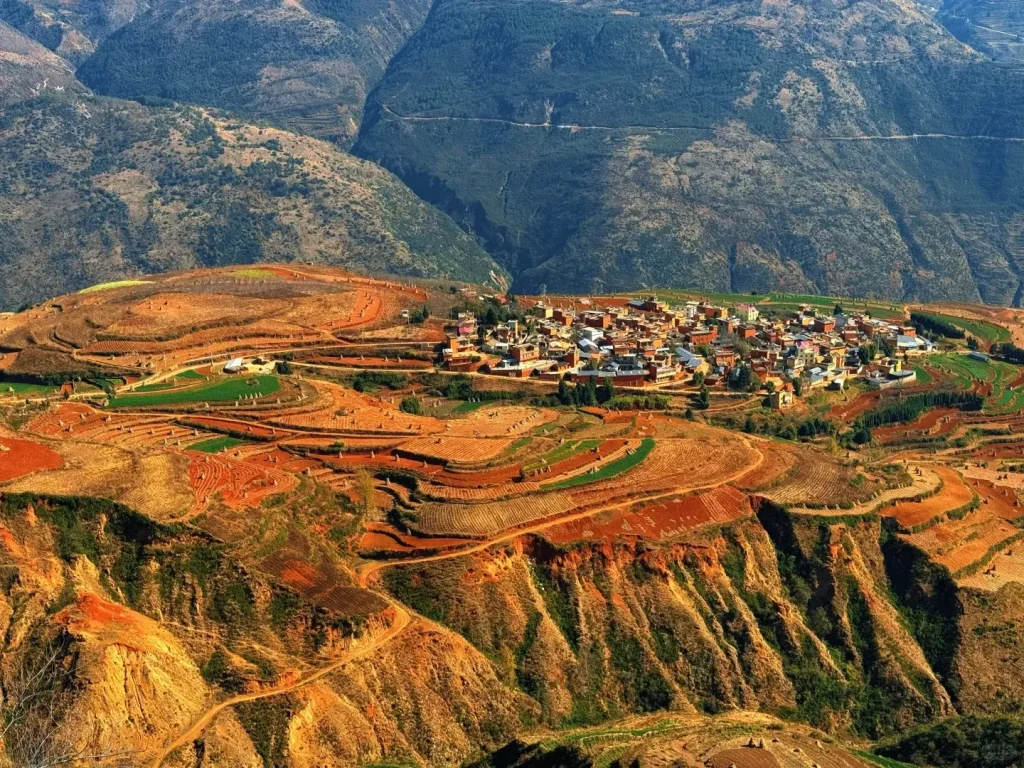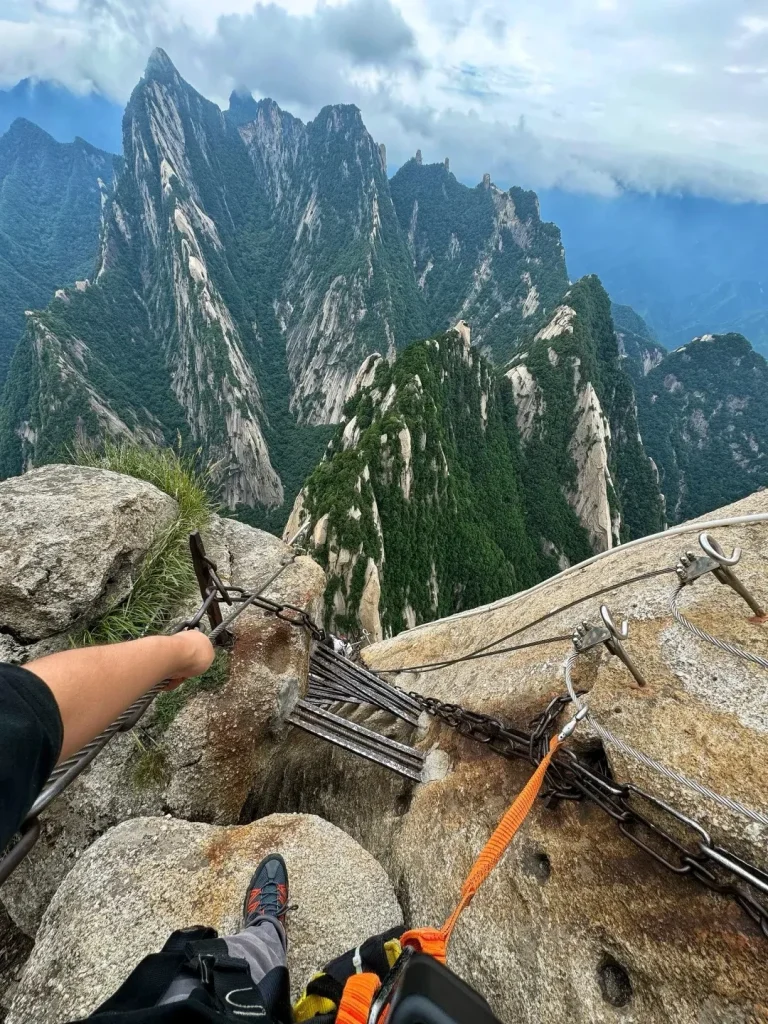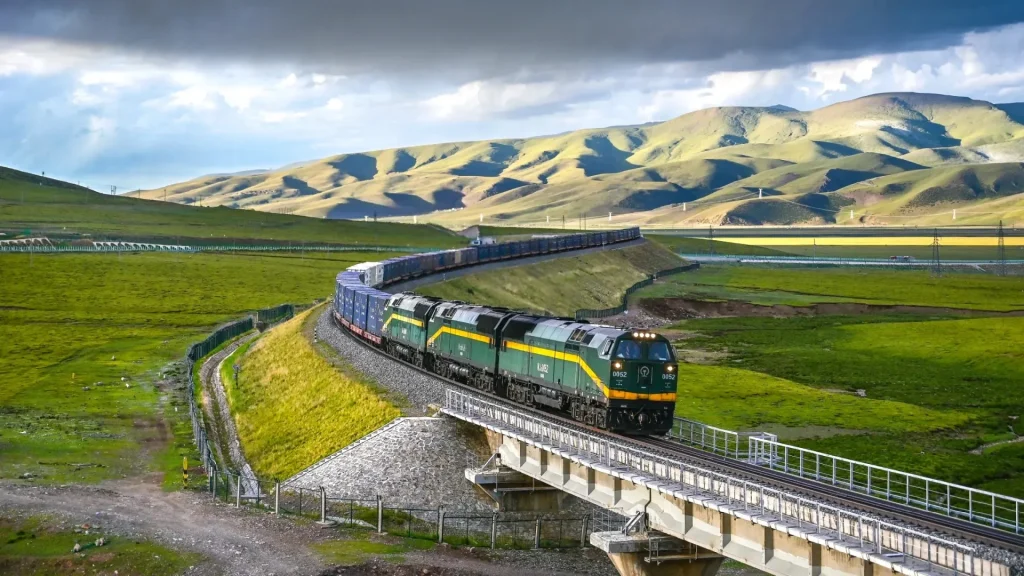



Phase 1: Acclimatization in the Holy City
Day 1: Arrival in Lhasa (3,650m)
Whether you arrive by the scenic train from Xining or fly in from Chengdu, your only goal today is rest. The air here contains roughly 65% of the oxygen found at sea level.
Insider Tip: Do not shower on your first night. The heat and steam can dilate your blood vessels and accelerate heart rate, worsening altitude headaches. Drink warm water and sleep.
Day 2: Drepung and Sera Monasteries
Today is about testing your legs without overexertion. You will visit two of the “Great Three” Gelugpa university monasteries.
- Morning (Drepung Monastery): Once the largest monastery in the world. The walking here involves slopes, so take it slow.
- Afternoon (Sera Monastery): The highlight here is the Monk Debates held in the courtyard between 3:00 PM and 5:00 PM. Unlike the silent meditation you might expect, this is loud, physical, and energetic.
Mistake to Avoid: Don’t take photos of the monks debating with professional cameras without permission. Smartphone snaps are usually tolerated from a distance, but be respectful.
Day 3: The Potala Palace and Jokhang Temple
Now that you have adjusted slightly to the thin air, you tackle the stairs of the Potala Palace.
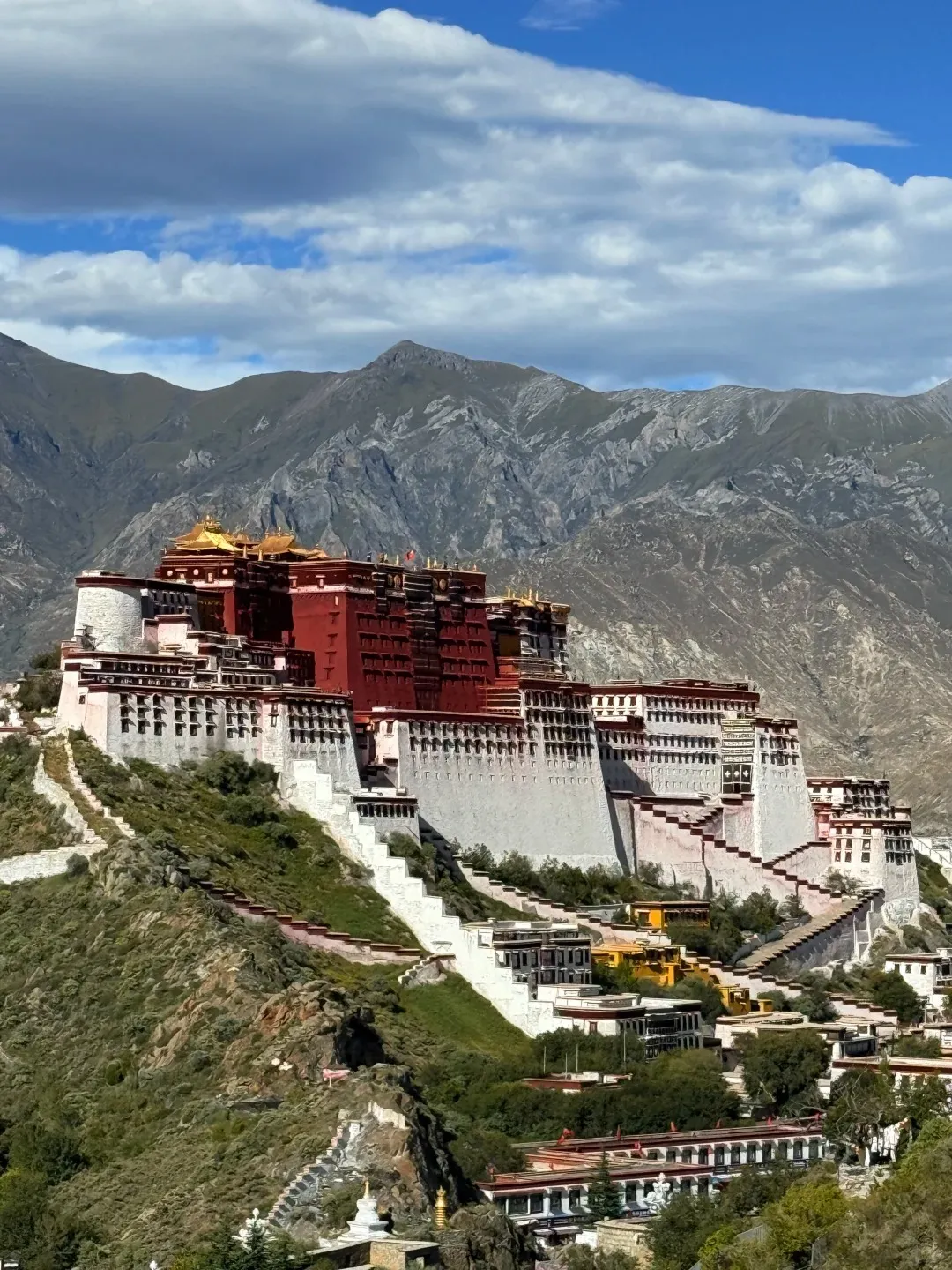
Begin your 7-day Tibet adventure in Lhasa with a visit to the magnificent Potala Palace, the historic winter residence of the Dalai Lamas and a UNESCO World Heritage site.
Potala Palace Logistics: Tickets are strictly timed. If your ticket says 10:00 AM, you must be at the security checkpoint by 9:40 AM. If you are late, you are denied entry. Inside, you have exactly one hour to tour the complex.
The Spiritual Heart: In the afternoon, visit the Jokhang Temple. The smell here is distinct—a heavy, greasy mix of thousands of yak butter candles burning simultaneously. It is intense but unforgettable. Walk the Barkhor Circuit clockwise with the pilgrims.
Phase 2: The Overland Adventure
Day 4: Lhasa to Shigatse via Yamdrok Lake (360km)
Today involves a long drive (approx. 7 hours), but the scenery is spectacular. You will cross the Kamba La Pass (4,790m) to see Yamdrok Lake, one of Tibet’s three holy lakes.
Contrarian Tip: Skip the paid photo ops with the Tibetan Mastiffs and Yaks at the first lookout point. They are overpriced and crowded. Ask your driver to stop 10 minutes further down the road for a solitary view of the turquoise water.
You will also pass the Karola Glacier. It is one of the few glaciers in Tibet accessible right from the highway. You can literally hear the ice cracking on a quiet day.
Day 5: Shigatse to Everest Base Camp (350km)
This is the climax of the trip. You will leave Shigatse (3,800m) and ascend to the Pang La Pass (5,120m). If the weather holds, you will see a panoramic lineup of four mountains over 8,000 meters: Makalu, Lhotse, Everest, and Cho Oyu.
What is the accommodation like at EBC?
Direct Answer: Accommodation at Everest Base Camp (5,200m) consists of Rongbuk Tent Guesthouses or the monastery guesthouse. These are communal tents with 8-10 beds, heated by a central yak-dung stove. There is no running water and no showering. Toilets are primitive pit latrines outside the tents.
Reality Check: It will be cold. Even in summer, temperatures drop below freezing at night. Sleep with your clothes on and use the provided electric blankets (if the generator is running).
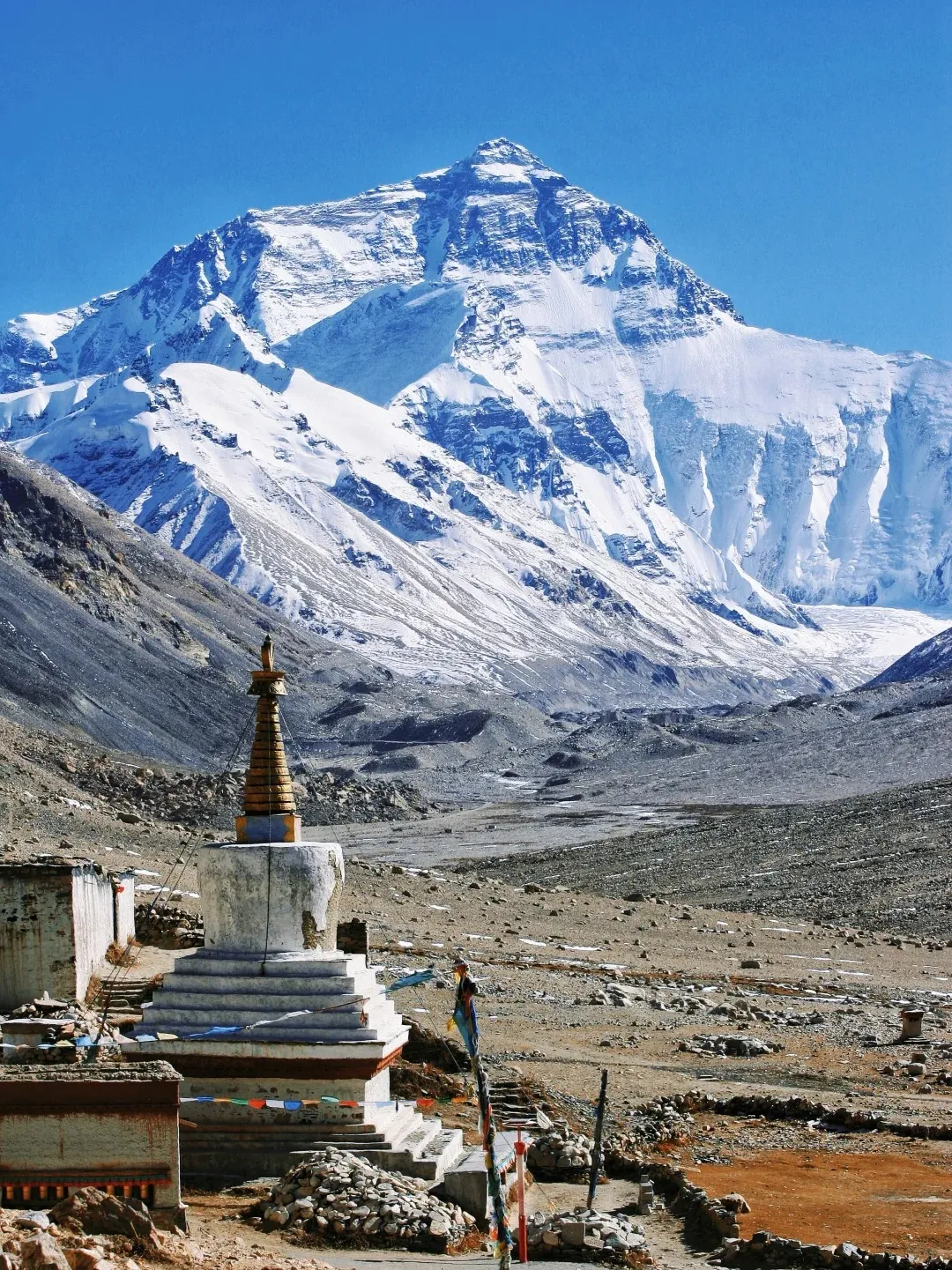
On the classic Tibet itinerary from Lhasa to Everest Base Camp, the path leads through incredible landscapes, where ancient chortens like this one stand sentinel, guiding pilgrims and travelers towards the awe-inspiring presence of Mount Everest.
Phase 3: The Descent
Day 6: Sunrise at Everest and Return to Shigatse
Wake up before dawn. The sun hitting the peak of Everest (turning it a glowing gold) usually happens around 7:30 AM to 8:00 AM depending on the season. After breakfast, visit Rongbuk Monastery, the highest monastery in the world, before beginning the drive back down to Shigatse.
Health Warning: You may wake up with a “high altitude hangover”—headache and nausea. This is normal. Descending 1,000 meters back to Shigatse usually cures this immediately.
Day 7: Tashilhunpo Monastery and High-Speed Train to Lhasa
Before leaving Shigatse, visit Tashilhunpo Monastery, the seat of the Panchen Lama. It is less crowded than the Potala Palace and features the world’s largest gilded bronze Buddha statue.
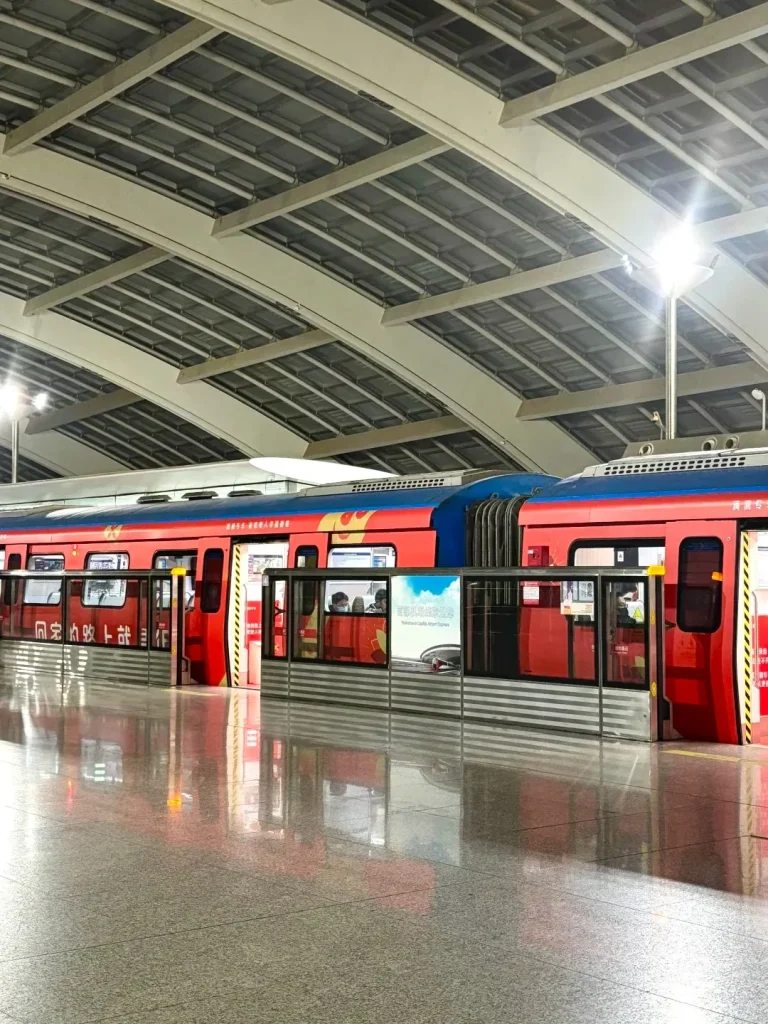
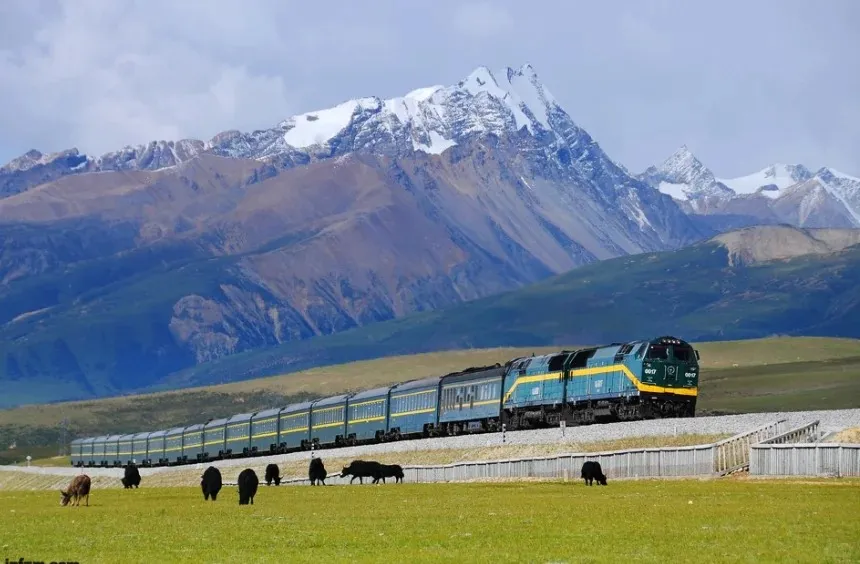
The Logistics Hack: Most older itineraries drive back to Lhasa (6+ hours). However, according to recent infrastructure updates, you should book the C-class high-speed train from Shigatse to Lhasa.
- Train Duration: ~2.5 hours
- Benefit: Saves 4 hours of travel time, allowing you to have a farewell dinner in Lhasa or catch a late flight out.
Practical Planning Guide
Visa and Permit Requirements
You cannot backpack Tibet alone. You need a Chinese Visa first, and then your agency will apply for the Tibet Travel Permit (TTP). The TTP is a separate paper document (not a stamp in your passport). Do not lose this. You will need to show it at the train station, airport, and multiple checkpoints on the road to Everest.
Budgeting for the Trip
While tour costs vary, bring extra cash (RMB). While WeChat Pay and Alipay are widely accepted in Lhasa, signal issues at remote passes or EBC can make digital payment difficult. A bowl of noodles at EBC costs roughly 30-50 RMB, which is higher than in the cities due to transport costs.