


Visiting these regions in 2026 requires navigating a mix of ultra-modern high-speed rail networks and rural mountain roads where time seems to have stopped. This post cuts through the noise of generic travel brochures to help you find the farmers, the fresh harvests, and the historic Huizhou architecture that houses them.
Getting There: Logistics and Visas
Unlike the remote tea mountains of Yunnan, Anhui is surprisingly accessible thanks to the expanded 2026 high-speed rail network. Most travelers base themselves in Tunxi (Huangshan City), which serves as the logistical hub for the surrounding tea mountains.
What is the 144-hour visa-free transit policy?
The 144-hour visa-free transit policy allows travelers from 54 eligible countries (including the US, UK, Canada, and EU members) to enter specific regions of China for up to six days without a visa, provided they hold a connecting ticket to a third country or region (like Hong Kong or Seoul). For Anhui, you typically enter via Shanghai, Hangzhou, or Nanjing, which are part of the Yangtze Delta transit zone.
The Train Route
The most efficient route is the high-speed train to Huangshan North Station.
- From Shanghai: Approx. 2.5 to 3 hours.
- From Hangzhou: Approx. 1.5 hours.
Insider Tip: Do not rely on third-party booking sites that charge high commissions. In 2026, the official Railway 12306 app has a functional English interface that accepts foreign credit cards. Book your tickets as soon as they open (usually 15 days in advance) during the spring harvest season, as seats sell out instantly.
Stop 1: Huangshan Maofeng (The Green Tea of the Yellow Mountains)
Huangshan Maofeng is one of China’s top ten famous teas. It is grown on the slopes of the Yellow Mountains, where the high altitude and constant cloud cover create a natural shade that boosts the chlorophyll and amino acids in the leaves.

Experience the breathtaking beauty of the Yellow Mountains (Huangshan) at sunrise, a landscape that not only inspires poets but also provides the unique terroir for Anhui’s world-famous teas, like Keemun.
When to Go
Timing is critical. The most prized tea is Pre-Qingming tea (picked before early April). If you visit in late March, you will see the frenetic energy of the first harvest. The buds are tiny, tender, and incredibly expensive. If you visit in May, the mountains are greener, but the harvest is mostly over, and the tea quality drops to “daily drinker” status.
Where to Find Authenticity
Most tourists buy overpriced, stale tea at the gift shops on top of the mountain near the cable car stations. Avoid this. instead, head to Fuxi Village (Fuxixiang), located at the foot of the mountain. This is the true origin of Maofeng.
In Fuxi, you can walk into family-run workshops. You will smell the chestnut-like aroma of roasting tea leaves from the street. You don’t need a tour guide here; a smile and a translation app are enough to get you a tasting. Expect to pay between 500 to 2,000 RMB per 500g for high-grade early spring tea.
Stop 2: Qimen (The Home of Keemun Black Tea)
While Anhui is famous for green tea, Qimen (Keemun) is the anomaly. Located about 90 minutes west of Tunxi by car, this region produces the “Burgundy of Teas.” Keemun is famous for its complex floral fragrance and hints of dried fruit and pine.
The Qimen Experience
Qimen is less developed for tourism than Huangshan. The factories here look industrial from the outside but house incredible history. The Qimen Black Tea Museum is worth a stop to understand how this tea won the Gold Medal at the 1915 Panama-Pacific Exposition, but the real magic happens in the small workshops in the surrounding hills.
What to Taste: Ask for Keemun Hao Ya (premium buds). The liquid should be a brilliant, clear red—never muddy. The taste should be sweet without adding sugar.
Insider Tip: The “Old Street” Trap vs. Reality
You will inevitably end up on Tunxi Ancient Street. It is a preserved Song Dynasty commercial street lined with Huizhou-style architecture—white walls, black tiles, and horse-head walls.
The Trap: The main street is a tourist trap. The tea shops here pay exorbitant rent and pass that cost on to you. They often sell “tourist tea”—pretty packaging, mediocre leaves.
The Fix: Duck into the narrow alleyways behind the main street. Here, you will find the wholesale markets where locals trade. Look for shops that look messy, with large sacks of tea piled on the floor and a roasting machine running in the corner. This is where you get the wholesale price and the honest quality.
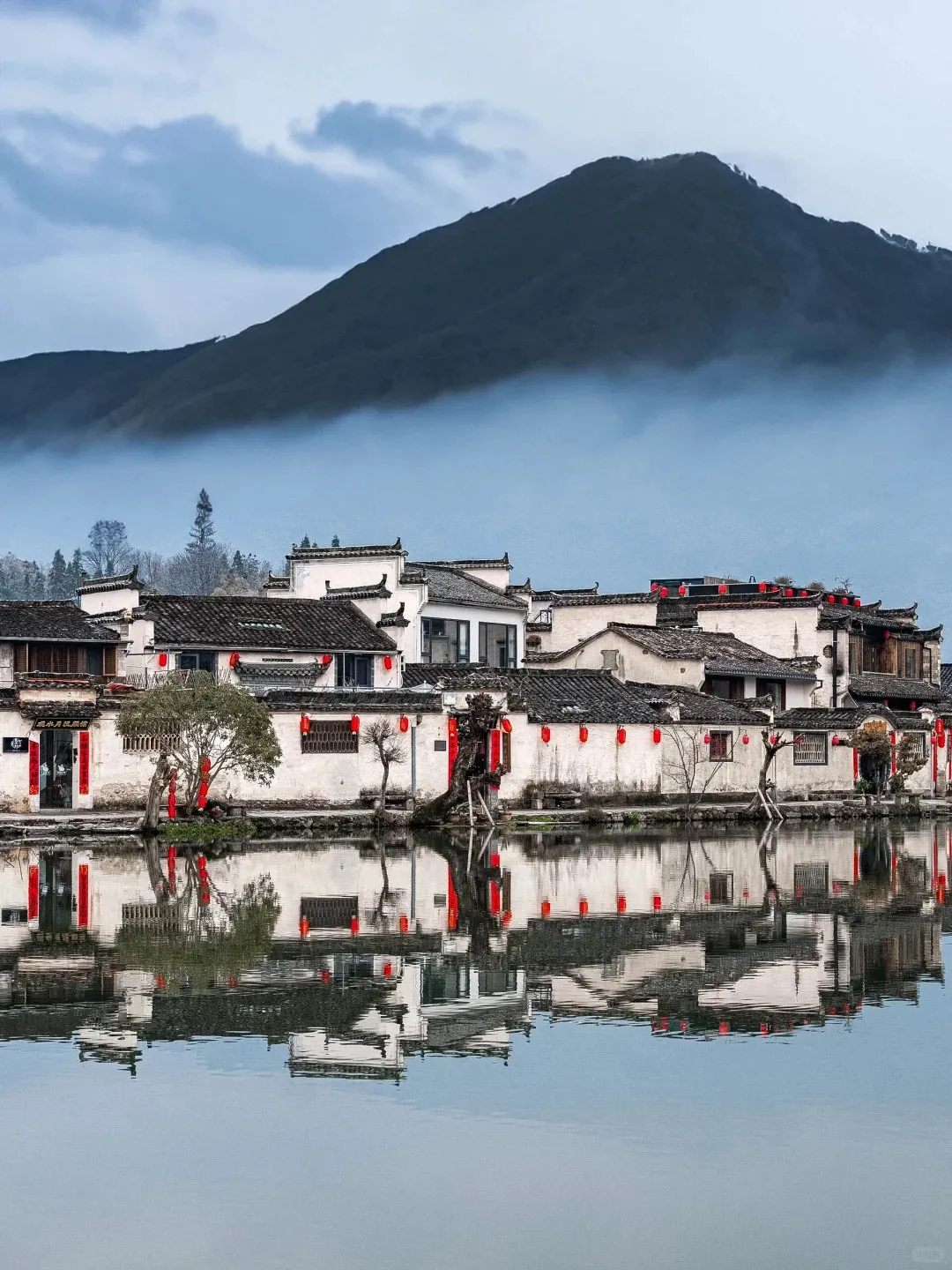
Discover the serene beauty of Hongcun Village, a UNESCO World Heritage site in Anhui, whose traditional Huizhou architecture and tranquil waters offer a glimpse into the rich history and cultural heritage found throughout the Yellow Mountain tea trail region.
Staying Connected: The Great Firewall
Navigating rural Anhui without internet is impossible in 2026. You need data for translation apps, maps, and mobile payments. However, standard roaming often fails to bypass the Great Firewall, leaving you without access to Google, WhatsApp, or Instagram.
I strongly recommend setting up an eSIM before you board your flight. It is cheaper than roaming and more reliable than hunting for hotel Wi-Fi.
💡 Editor’s Pick: We recommend Nomad eSIM for China because it reliably bypasses the Great Firewall with stable speeds. Use code JORICAQLKF at checkout to get $5 USD off your first data plan.
Practical Advice for the 2026 Traveler
Mobile Payments are Mandatory
Cash is virtually obsolete in Anhui, even in small tea villages. Before you leave home, download Alipay and link your international credit card. It now works seamlessly for foreign travelers. WeChat Pay is a good backup, but Alipay is generally more user-friendly for non-residents.
Is the Tea “Wild”?
You will hear vendors claim their tea is “wild” (Ye Sheng). Be skeptical. True wild tea trees are rare and the flavor is often too bitter for the average palate. What you are likely looking for is “semi-wild” or ecological garden tea, grown without pesticides but still managed by humans.
Accommodation
Skip the generic hotels in Tunxi. Book a stay in a restored Huizhou boutique inn in nearby villages like Hongcun or Xidi. These UNESCO heritage sites offer a sensory experience that matches the tea—sleeping in 300-year-old wooden structures with intricate carvings, waking up to the smell of rain and charcoal fires.