


1. Panjiayuan: The “Everest of Fakery” and Fun
Panjiayuan remains the behemoth of Beijing’s market scene. It is a sensory overload of dust, shouting vendors, and miles of beads. However, the “Insider” reality is that 99% of what you see here is modern reproduction. That “Ming Dynasty” vase was likely made last Tuesday in a factory in Hebei.
Is it Worth It? Absolutely, provided you adjust your expectations. Go for the atmosphere and the retro kitsch rather than investment-grade art. Look for Cultural Revolution memorabilia—Little Red Books, Mao busts, and vintage propaganda posters—which make for fantastic, affordable souvenirs.
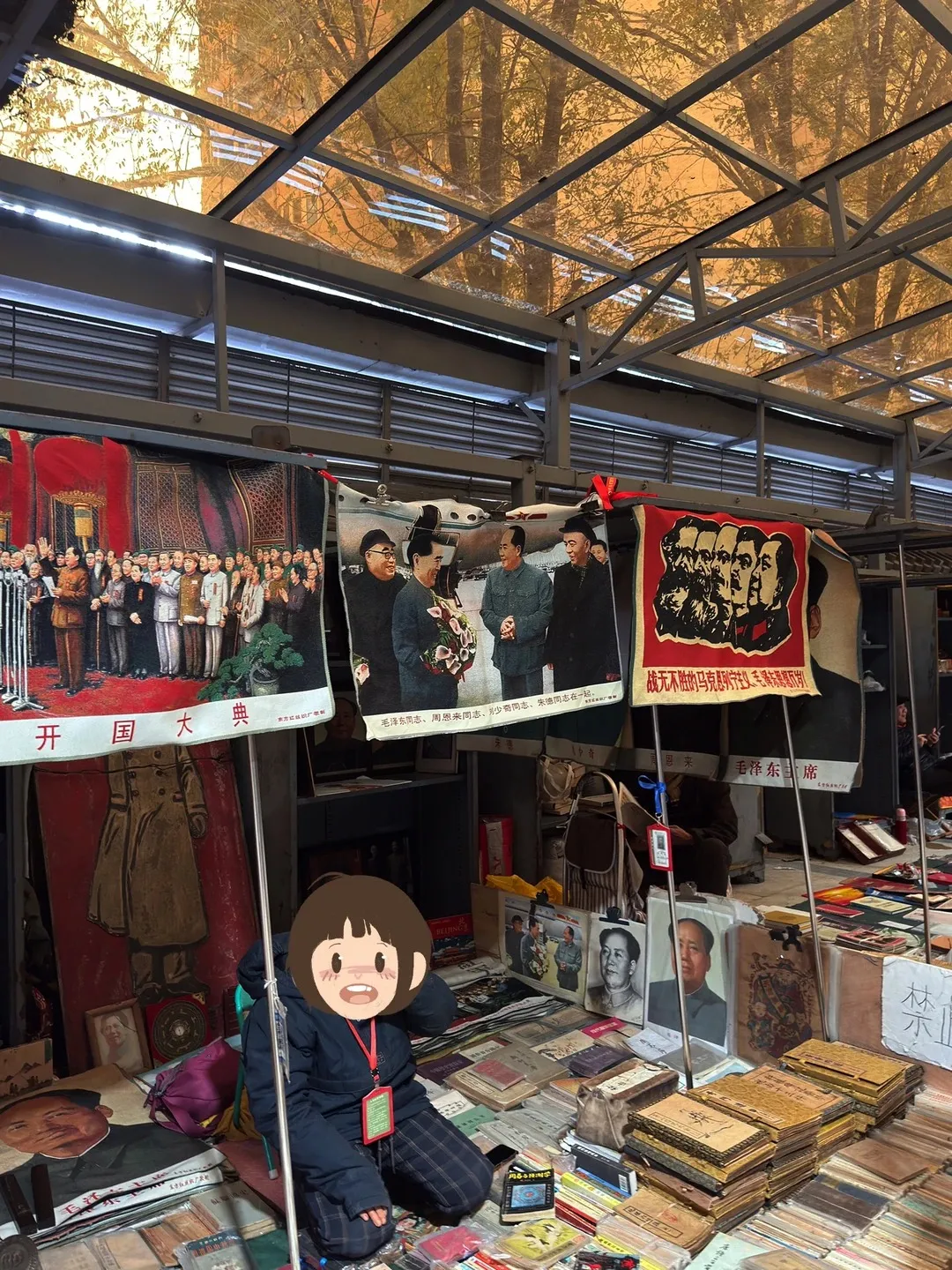
At markets like Panjiayuan, you can delve into history, discovering unique artifacts from propaganda posters featuring Mao Zedong and other leaders to rare books and antique collectibles.
Insider Tip: The “Ghost Market” Experience
For the most authentic experience, arrive at dawn on the weekend (around 4:30 AM to 6:00 AM). This tradition, known as the guǐ shì (ghost market), dates back to the Qing dynasty when nobles would sell off heirlooms under the cover of darkness. In 2026, it’s mostly flashlight-wielding serious buyers hunting for the few genuine items left. Even if you don’t buy, the eerie, hushed energy is unforgettable.
2. Liulichang Culture Street: For the Scholar and Scribe
If Panjiayuan is a chaotic garage sale, Liulichang is a curated library. Located in Xicheng District, this street has served scholars since the Qing Dynasty. The air here smells of pine soot ink and rice paper. This is the legitimate destination for high-end calligraphy supplies, seal carving, and verified antiques.
Where to Go: Step into Rongbaozhai (19 Liulichang Xijie). Operating for over three centuries, this institution is famous for its woodblock prints and painting supplies. Unlike the street stalls, the items here come with certificates of authenticity—crucial if you plan to take them through customs.
3. Yangmeizhu Xiejie: The Upcycled Artisan Hub
Leave the tourists behind at Qianmen and duck into Yangmeizhu Xiejie. This hutong (alleyway) represents the new face of Beijing design: historic preservation meets modern creativity. It is quieter, narrower, and filled with independent boutiques that focus on craftsmanship over mass production.
Highlight: Caicifang Porcelain Workshop
Insider Find: Locate Caicifang (35 Yangmeizhu Xiejie). This shop offers a hauntingly beautiful souvenir unique to Beijing history. They take shards of porcelain vases that were smashed during the Cultural Revolution’s campaign against the “Four Olds” and upcycle them into jewelry and silver-encased trinkets. It is a way to own a piece of genuine history (often dating back to the Qing dynasty) that has been repurposed for modern wear.
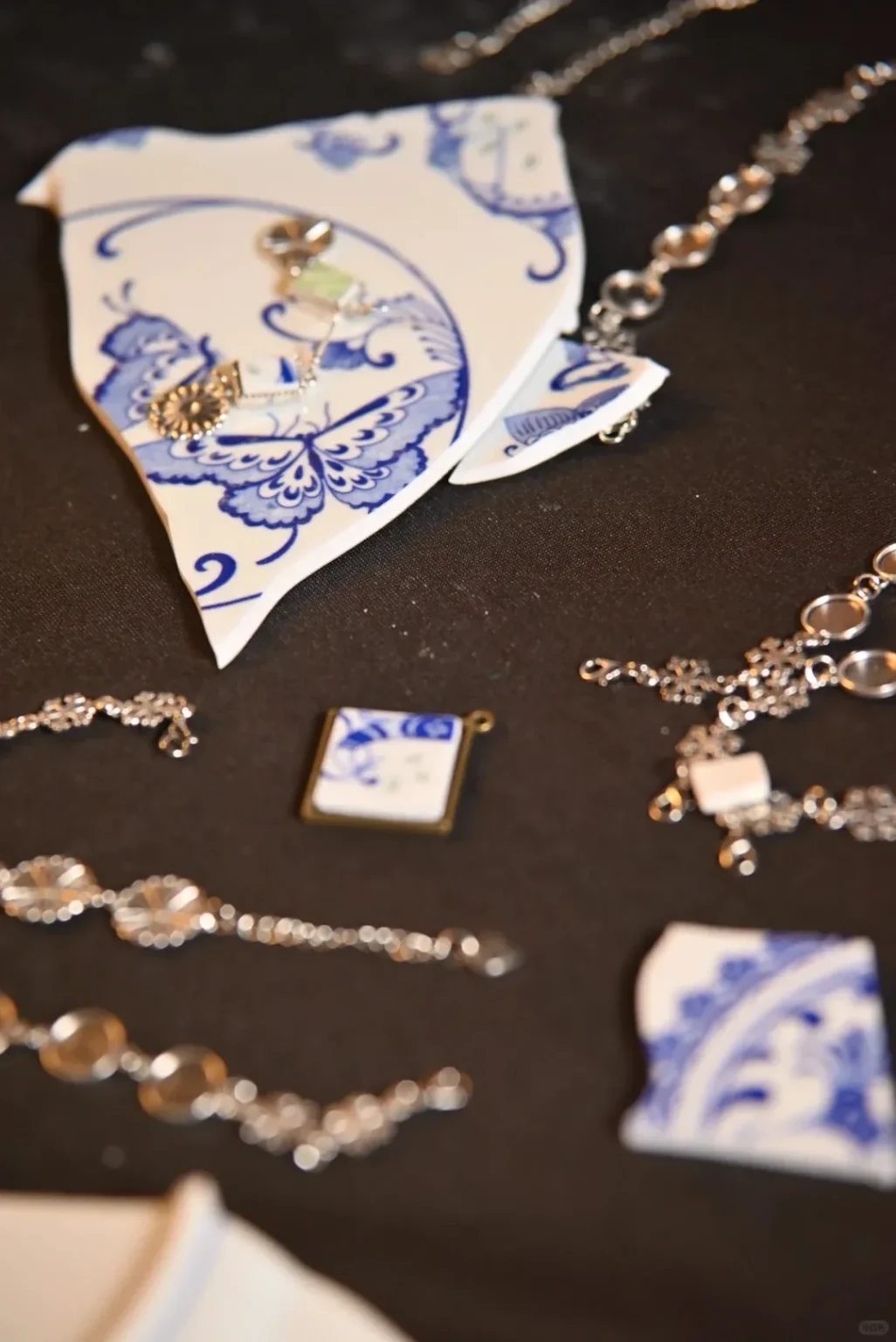
Beyond the traditional finds at Panjiayuan, Beijing’s artisan markets like Caicifang offer truly unique souvenirs. Here, discarded blue and white porcelain shards are artfully transformed into exquisite jewelry, giving them a beautiful second life.
4. Logistics: Paying and Staying Connected
Navigating these markets requires digital agility. In 2026, pulling out a physical wallet marks you immediately as a confused tourist. Vendors, from high-end antique dealers to grandmother selling water on the street, transact almost exclusively via QR codes.
The Connectivity Requirement
To use Alipay or WeChat Pay, you need a stable internet connection that bypasses the Great Firewall. Relying on public Wi-Fi is a security risk and often requires a Chinese phone number to log in. We strongly recommend setting up an eSIM before you board your flight.
💡 Editor’s Pick: We recommend Nomad eSIM for China because it reliably bypasses the Great Firewall with stable speeds. Use code JORICAQLKF at checkout to get $5 USD off your first data plan.
5. Plastered 8 & Nanluoguxiang: Wearable Art
While Nanluoguxiang is admittedly overcrowded with domestic tourists holding skewered snacks, it is worth braving the crush for one specific shop: Plastered 8 (61 Nanluogu Xiang). Founded by a long-term British expat, this brand captures the chaotic soul of Beijing.
They take iconic local imagery—enamel washbasins, subway tickets, and retro advertisements—and turn them into high-quality streetwear. It is the perfect antidote to generic “I Love Beijing” t-shirts. If the main street is too claustrophobic, check if their quieter branch at Wudaoying Hutong is still operating, which offers a more relaxed browsing experience near the Lama Temple.
6. Practical Advice for Buyers
Export Rules for 2026
China has strict cultural heritage laws. Generally, items dating prior to 1949 are restricted from export unless they have an official red wax seal and an export certificate from the Cultural Relics Bureau. If you buy a genuine antique at a place like Liulichang, ensure the shop provides the official paperwork. If you buy a “vintage” item at a street stall with no paperwork, assume it is a replica—if it turns out to be real and prohibited, it will be confiscated at the airport.
How to Ship Fragile Items
Do not trust street vendors to ship items internationally for you. If you purchase large or fragile items (like a porcelain vase or a stone Buddha head replica), take the item to an official SF Express (Shunfeng) station yourself. They are the most reliable courier in China and offer English-language app support for tracking.