


Choosing Your Route: The 4 Best Sections to Hike
The Great Wall isn’t a single continuous line you can just “visit.” It spans thousands of miles, broken into distinct sections. In 2026, these are the four distinct experiences you should consider.
1. Mutianyu: The Accessible Choice (Family Friendly)
If you have limited time or are traveling with children, Mutianyu is the gold standard. It is fully restored, meaning the footing is secure, and handrails are present. It is less crowded than the infamous Badaling section but still offers spectacular ridge views.
Why go: The logistics are seamless. You can take a chairlift up and ride a toboggan (slide) down, which is a highlight for kids and adults alike.
2. Jinshanling: The Photographer’s Dream
Located about 130km from Beijing, Jinshanling filters out the casual tourists. This section allows you to hike from restored watchtowers into crumbling, unrestored history. It is widely considered the most beautiful section for its density of watchtowers and steep mountain vistas.
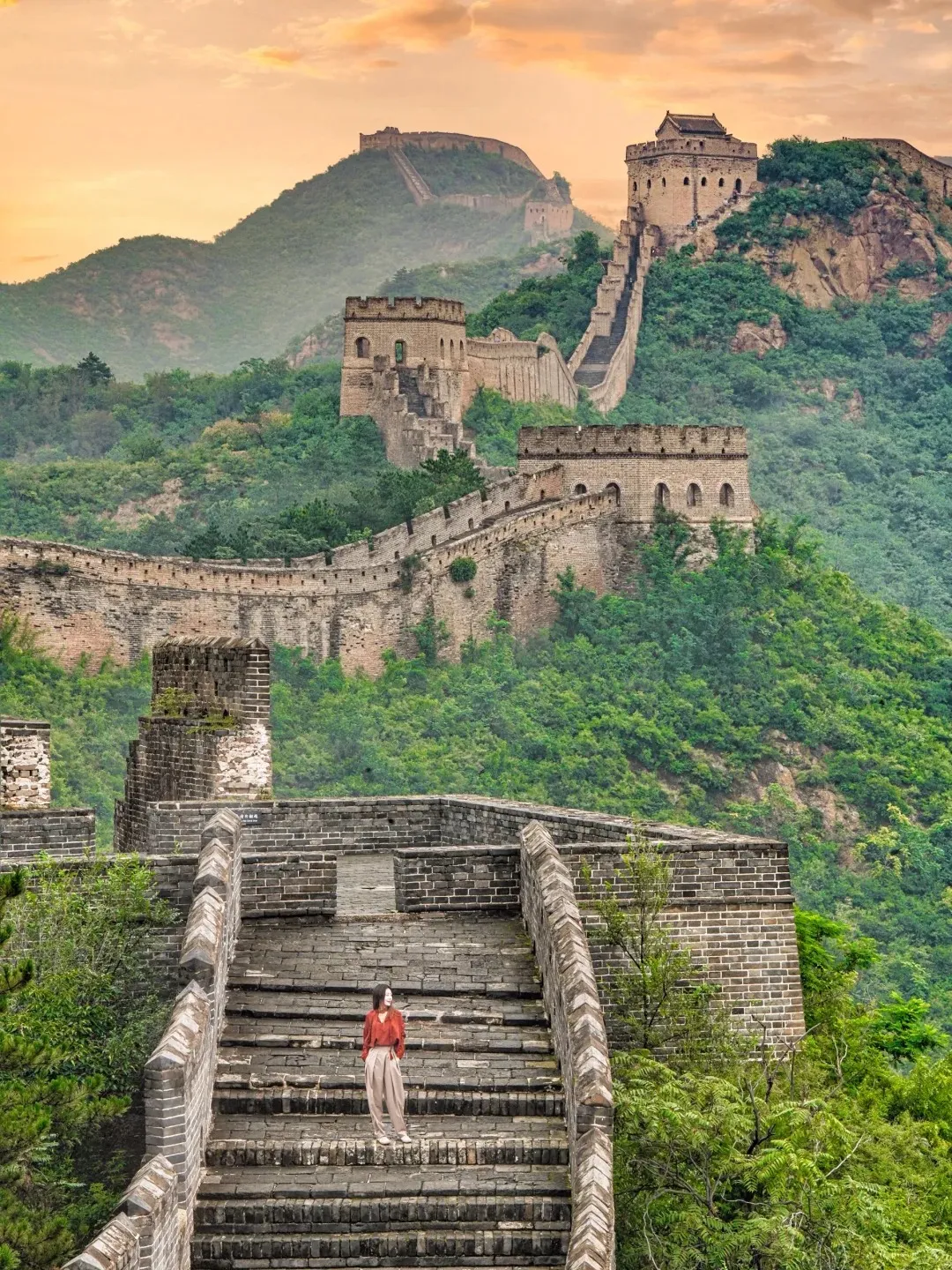
Experience the grandeur of the Great Wall at the Jinshanling section, renowned for its steep climbs, well-preserved watchtowers, and incredible panoramic views, especially beautiful at sunset. It’s a favorite among hikers seeking a challenging yet rewarding adventure away from the crowds.
Insider Tip: The hike from Jinshanling East Gate toward the West Gate takes about 3-4 hours. Bring your own water; while local farmers sometimes sell water on the wall, they charge up to 30 RMB per bottle (compared to 3 RMB in the city).
3. Jiankou: The Wild Adventure
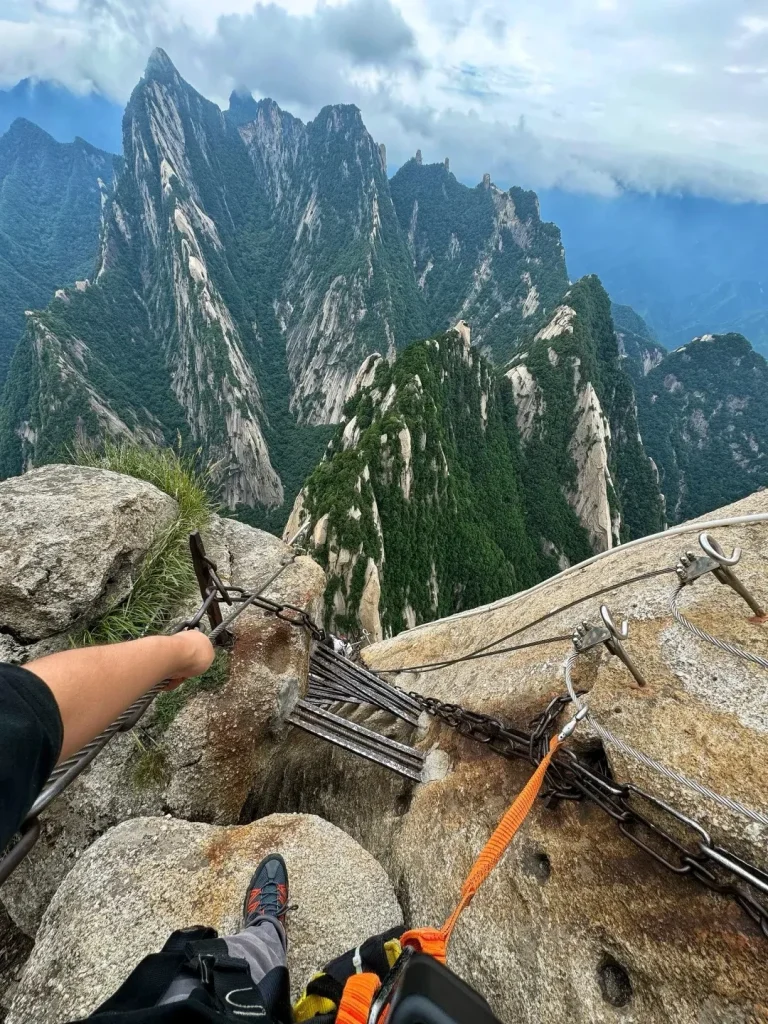
This is “Wild Wall” hiking at its most extreme. Jiankou is unrestored, overgrown, and technically challenging. The “Sky Ladder” is a near-vertical climb that requires hands and feet. This section is not for casual walkers or those with a fear of heights.
Warning: Do not attempt Jiankou in rain or snow. The loose bricks become incredibly slippery. Many travelers opt to hike from Jiankou into Mutianyu, transitioning from wild to restored wall.
4. Simatai: The Night Tour
Simatai is unique because it is the only section open for night tours. It is connected to the Gubei Water Town resort area. While the hiking is steep and the preservation is “authentic” (partially restored), the main draw is seeing the wall illuminated against the night sky.
Logistics: Getting There and Getting In
Navigating China’s transport system in 2026 requires digital preparation. You cannot simply hail a taxi on the street for these long distances, and physical ticket windows are becoming obsolete.
Booking Tickets
Most sections now require advance reservations. You cannot just show up at the gate. Use the official WeChat mini-programs for each section or book via Trip.com if you cannot read Chinese. Tickets often sell out 3-7 days in advance during summer.
Transport Options
- High-Speed Train: The quickest way to Badaling (and access to other sections via transfer) is the high-speed train from Beijing North Railway Station. Tickets must be booked on the 12306 app (the official rail app) as soon as they release, usually 14 days out.
- Private Driver: For Jinshanling or Jiankou, hiring a private driver for the day (approx. 800-1200 RMB) is the most stress-free option. It saves you hours of navigating bus transfers.
- Tourist Bus: The “Mubus” is a reliable shuttle service from downtown Beijing to Mutianyu that caters specifically to foreigners.
Staying Connected: The Digital Necessity
To use maps, translation apps, and pay for your water on the Wall, you need constant internet access. However, the “Great Firewall” blocks Google Maps, WhatsApp, and Instagram. Roaming is expensive, and local SIM cards can be a hassle to register.
Recommendation: I strongly advise setting up an eSIM before you land. This ensures you have data immediately upon arrival and, crucially, most high-quality travel eSIMs automatically bypass the firewall, allowing you to use your western apps without a VPN.
💡 Editor’s Pick: We recommend Nomad eSIM for China because it reliably bypasses the Great Firewall with stable speeds. Use code JORICAQLKF at checkout to get $5 USD off your first data plan.
Insider Tips for a Better Hike
Having hiked these sections in all four seasons, here are the sensory details and practical realities that guidebooks often miss.
The “Stairmaster” Reality
The Great Wall is not a flat road; it is an endless series of uneven steps. Some steps are ankle-height; others are knee-height. At steep sections like the “Hero’s Slope” at Mutianyu, you are essentially climbing a ladder. Wear broken-in hiking boots with ankle support, not fashion sneakers.
Weather and Pollution
Beijing’s air quality has improved significantly, but dust storms can still occur in spring (March/April). Check the AQI (Air Quality Index) before you go. If the AQI is over 200, the visibility will be poor, ruining those panoramic photos.
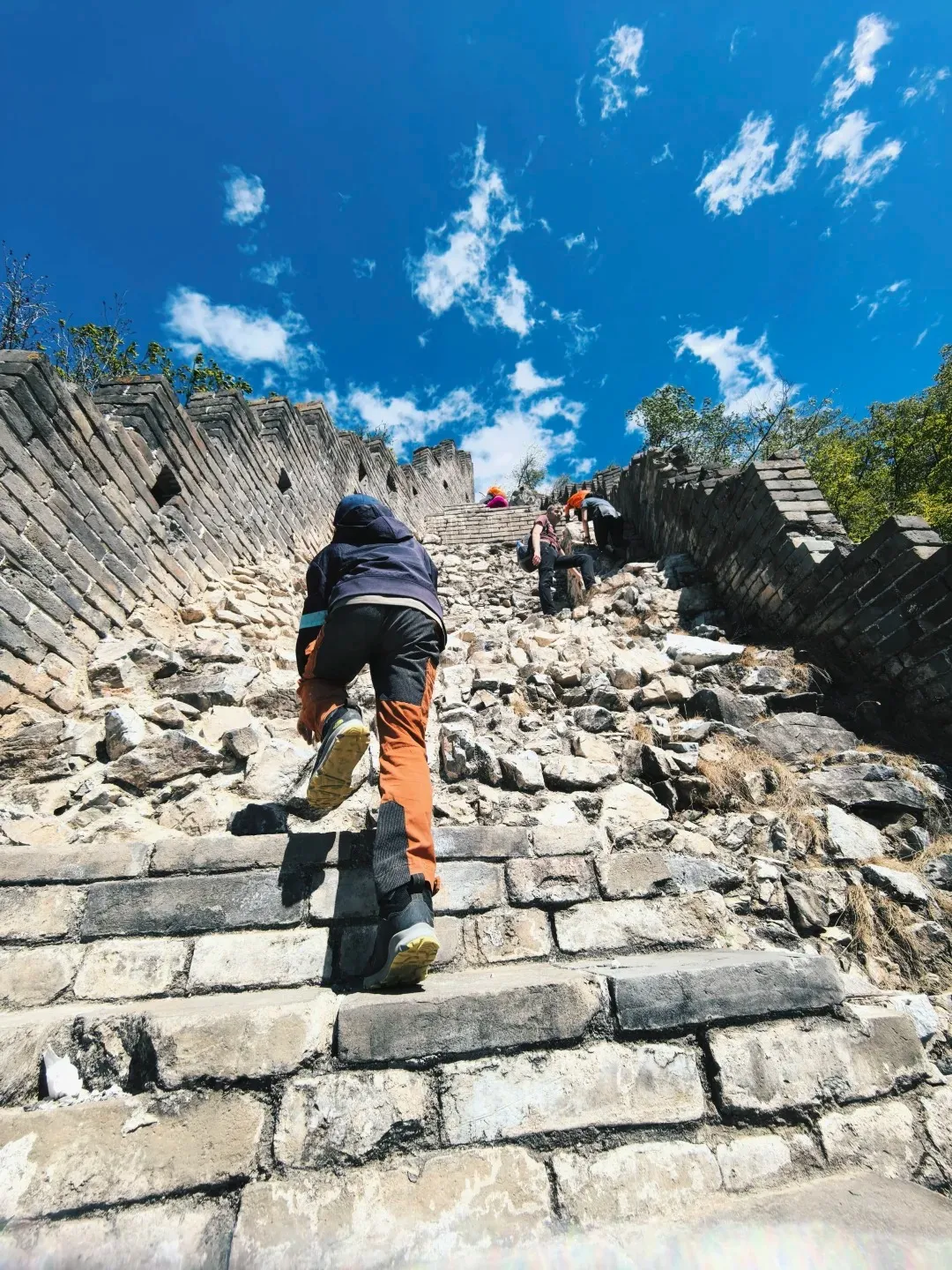
For those seeking an authentic and challenging Great Wall adventure, wild sections like Jiankou offer breathtaking views and rugged, unrestored trails, making it one of the most rewarding hikes for intrepid travelers.
What to Pack
- Toilet Paper: Restrooms are located at the entrance gates, not on the Wall. Always carry your own tissue.
- Sun Protection: There is almost no shade on the Wall itself. The grey stones reflect the sun, cooking you from both sides. A hat and high-SPF sunscreen are non-negotiable.
- Cash (RMB): While digital payment is king, signal can be spotty in remote valleys. Keep 200 RMB in small bills for emergency water or transport.