


Essential Logistics: Before You Go
What is the 144-Hour Visa-Free Transit?
The 144-hour visa-free transit allows travelers from 54 eligible countries (including the US, UK, Canada, and Australia) to enter Chengdu for up to six days without a visa, provided they hold a confirmed connecting ticket to a third country or region. You cannot return to your departure country immediately; you must move forward to a new destination.
Connectivity and Apps
China’s “Great Firewall” blocks Google, Instagram, WhatsApp, and most Western news sites. To navigate, translate menus, and stay connected, you need a reliable workaround. While VPNs are common, they are often unstable or blocked during sensitive political times. A high-quality eSIM is the modern standard for 2026 travel.
💡 Editor’s Pick: We recommend Nomad eSIM for China because it reliably bypasses the Great Firewall with stable speeds. Use code JORICAQLKF at checkout to get $5 USD off your first data plan.
Beyond connectivity, download Amap (Gaode Ditu) for navigation (Apple Maps is decent, but Amap is more accurate) and Trip.com for booking high-speed trains.
Day 1: Immersion into “Slow Life” and Tea Culture
Chengdu is famous for its slow pace of life. Do not rush your first day. Start at People’s Park (Renmin Park). This isn’t just a green space; it is the living room of the city.
Morning: Heming Tea House
Head directly to the historic Heming Tea House inside the park. Order a cup of Zhuyeqing (bamboo leaf green tea) for about 30 RMB. The “Insider” move here is not just drinking tea, but hiring a professional ear cleaner. It sounds strange to Westerners, but the sensory experience of the vibrating tuning forks and delicate tools is a Chengdu institution. Expect to pay 60-100 RMB for a session.
Afternoon: Kuanzhai Alley (The Right Way)
Walk to the nearby Wide and Narrow Alleys (Kuanzhai Xiangzi). Warning: This area is incredibly commercialized. Walk through to admire the Qing Dynasty architecture, but do not eat full meals here. Prices are triple the local standard, and the quality is mediocre. Instead, grab a snack of Dan Dan Noodles and head toward the Chengdu Museum for a free, air-conditioned look at the city’s history, including the fascinating puppetry exhibits.
Dinner: Authentic Hotpot
For your first dinner, skip the chains like Haidilao. Go to a local favorite like Shu Daxia or Xiao Long Kan. Be prepared: “Mild” spicy (Wei La) is still incredibly hot for most foreigners. Order a side of soy milk to neutralize the spice. The dipping sauce is key: a can of sesame oil mixed with crushed garlic and oyster sauce. The oil coats your stomach and protects it from the chili heat.
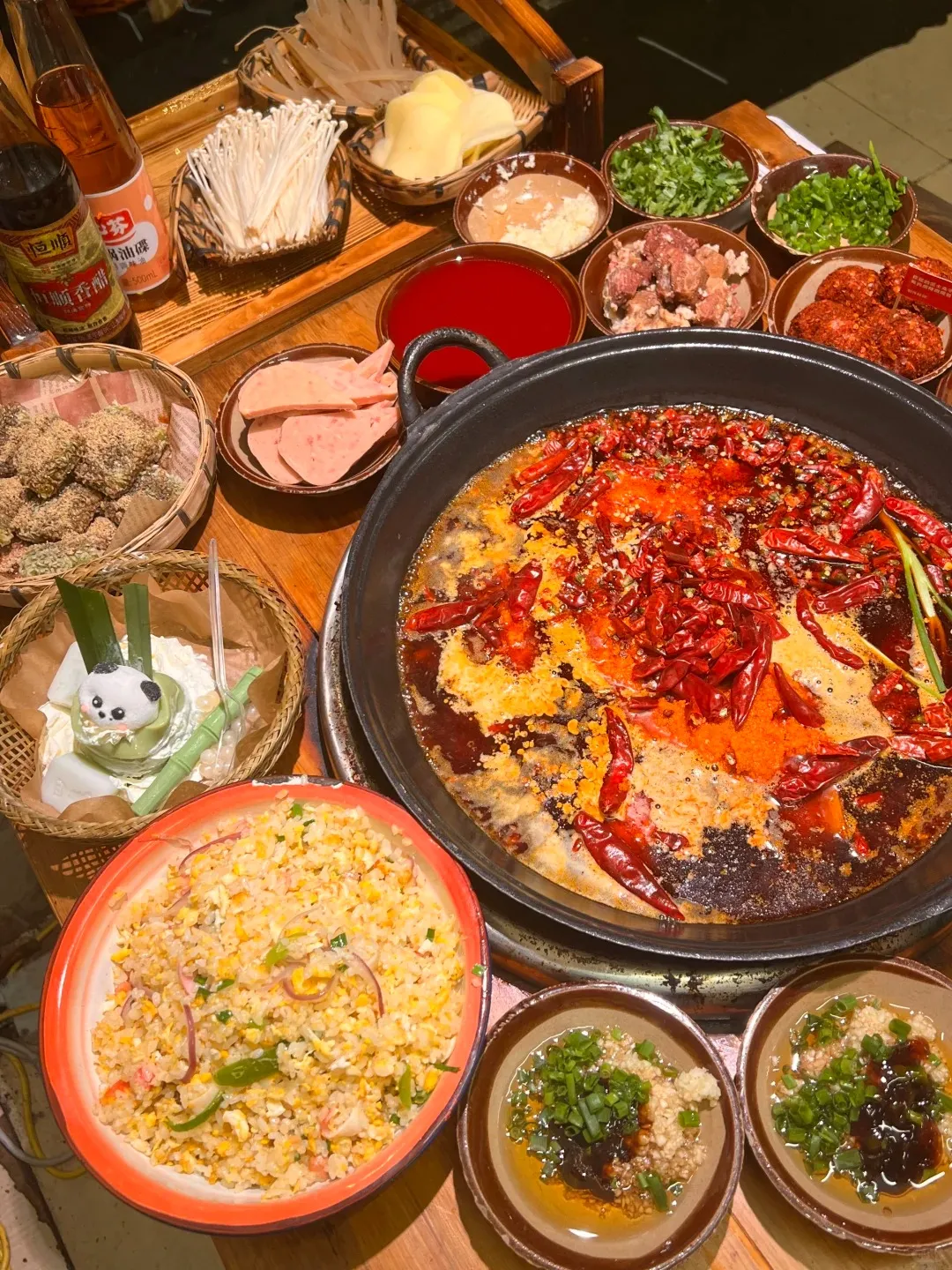
Immerse yourself in Chengdu’s vibrant food scene with an authentic Sichuan hotpot dinner. This iconic dish, known for its fiery broth and endless fresh ingredients, is a highlight of any culinary itinerary in the city, perfectly balanced with sides like savory fried rice.
Day 2: Pandas and Tibetan Culture
Morning: The Panda Strategy
The Chengdu Research Base of Giant Panda Breeding is the #1 attraction, and it gets crowded. Arrive at the gates at 7:30 AM when they open. Take the shuttle bus directly to the furthest point (the Moon Delivery Room) and walk back down. This allows you to see the active cubs before the tour groups arrive. If you arrive after 9:30 AM, the pandas will likely be asleep, and you will mostly be looking at the backs of other tourists’ heads.
Afternoon: The Tibetan Quarter
Chengdu is the gateway to Tibet. Head to the area surrounding Wuhou Shrine (near Jinli Street). The streets here are lined with shops selling yak butter tea, prayer wheels, and crimson monk robes. It is a sensory shift from the rest of the city. This is a great place to buy unique jewelry or incense, often cheaper than in Lhasa itself.
Day 3: The Leshan Giant Buddha
Located a 1-hour high-speed train ride away, the 71-meter tall Stone Buddha is a UNESCO site you cannot miss. You have two options to view it, and your choice depends on your physical fitness and patience.
- The Hiking Route: You climb the mountain and descend the “Nine Bends” staircase alongside the Buddha. Pros: You get close enough to see the moss on his toenails. Cons: The queue for the staircase can be 2-3 hours long on weekends.
- The Boat Route: Take a ferry for 70 RMB. Pros: You get the panoramic photo of the entire Buddha, which is impossible from the hiking trail. No climbing required. Cons: It’s a quick 30-minute round trip.
Insider Tip: Take the 8:00 AM train from Chengdu East Station. Do the boat tour first, then explore the town of Leshan for lunch. Leshan is famous for Bobo Ji (cold chicken and vegetables in chili oil), which many locals argue is better than the food in Chengdu.
Day 4: The Soul of Cuisine in Pixian
Most itineraries keep you in the city center. For a true food and culture itinerary, you must visit Pixian (Pidu District), the birthplace of Doubanjiang (broad bean chili paste), the soul of Sichuan cooking.
Sichuan Cuisine Museum
This is the only museum in the world where you can eat the exhibits. It is less of a museum and more of an interactive experience. You can taste different vintages of chili paste (some aged for 5+ years) and take a cooking class. Learning to make Kung Pao Chicken from a master chef here is a highlight. The knife skills required to cut the tofu for Mapo Tofu are humbling.
Day 5: Taoism and Nature at Mount Qingcheng
Take the high-speed train to Mount Qingcheng, the birthplace of Taoism. Unlike the jagged peaks of other Chinese mountains, Qingcheng is lush, green, and misty. It feels like stepping into a painting from the movie Kung Fu Panda 3.
Take the cable car up, but walk down. The path down passes through ancient temples where Taoist monks still live and practice. The air here is noticeably cleaner than in the city. Stop at a trail-side vendor for cured pork ribs and cucumber strips—simple, salty, and refreshing after the hike.
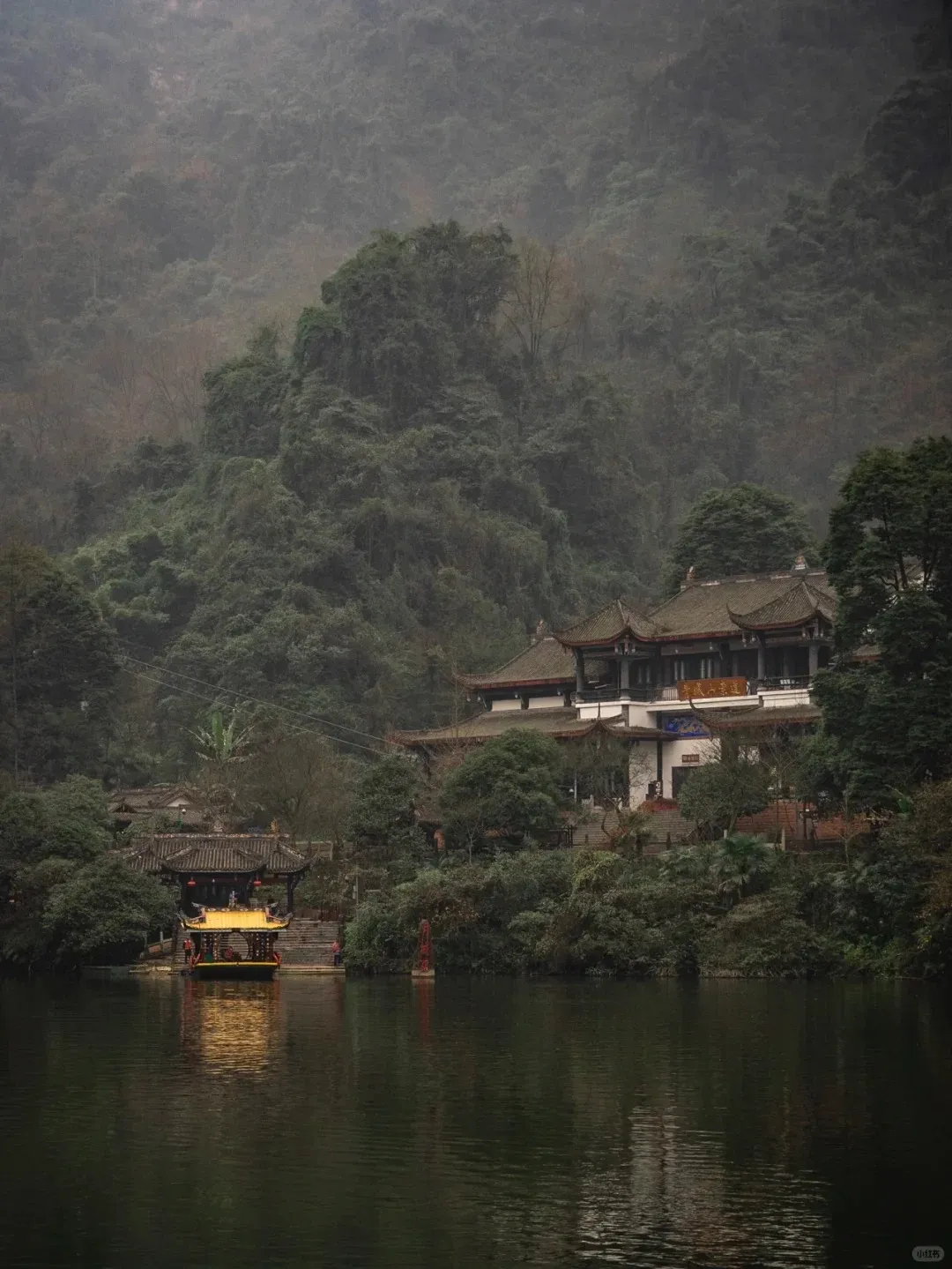
Beyond Chengdu’s vibrant city life, discover the serene cultural heritage of Mount Qingcheng, a UNESCO World Heritage site and a significant birthplace of Taoism, offering a tranquil escape on your 7-day itinerary.
Day 6: Modern Vibes and Hidden Bars
Daytime: Taikoo Li & Daci Temple
Taikoo Li is an architectural marvel—an open-air luxury mall built around the ancient Daci Temple. It’s the perfect contrast of old and new. You will see monks walking past Gucci storefronts. Go downstairs to Fangsuo Commune, a massive underground bookstore that looks like a cathedral of literature.
Evening: Yulin District
End your day in Yulin. This neighborhood was immortalized in a famous Chinese pop song and is the center of Chengdu’s nightlife. It’s not about loud clubs; it’s about “Little Bistro” culture. Find a small bar, order a local craft beer (Chengdu has a booming brewing scene), and listen to live folk music. This is where the local youth hang out, far away from the tour buses.
Day 7: The Sanxingdui Mystery & Departure
If your flight is in the evening, use your morning to visit the newly expanded Sanxingdui Museum (40 minutes by train). The bronze masks discovered here date back 3,000 years and look completely alien, with protruding eyes and giant ears. They challenge the traditional narrative of Chinese history and remain a massive archaeological mystery.