


Choosing Your Base: Dujiangyan vs. Wolong
A common misconception is that you can volunteer at the famous Chengdu Research Base of Giant Panda Breeding (the one nearest the city center). You cannot. That facility is strictly for tourism and research. To volunteer, you must travel to one of the satellite conservation bases.
Dujiangyan Panda Base: The Convenient Choice
Located about 90 minutes (1.5 hours) from downtown Chengdu, Dujiangyan is the most popular option for travelers on a tight schedule. It is a well-oiled machine designed for international volunteers.
Insider Tip: Because it is accessible, Dujiangyan can feel slightly more “commercial.” However, if you pair this with a visit to the ancient Dujiangyan Irrigation System nearby, it makes for a perfect day trip without the exhaustion of a long drive.
Wolong Shenshuping Base: The Nature Lover’s Choice
If you are willing to endure a 2.5 to 3-hour drive into the mountains, Wolong offers a superior atmospheric experience. Nestled in the Tibetan Qiang Autonomous Prefecture, the air is cleaner, the temperature is cooler, and the crowds are non-existent.
Is it worth the drive? Absolutely. Wolong is the “real” home of the wild panda. The enclosures here are larger and mimic the natural environment. If you want photos with misty mountains in the background rather than concrete walls, choose Wolong.
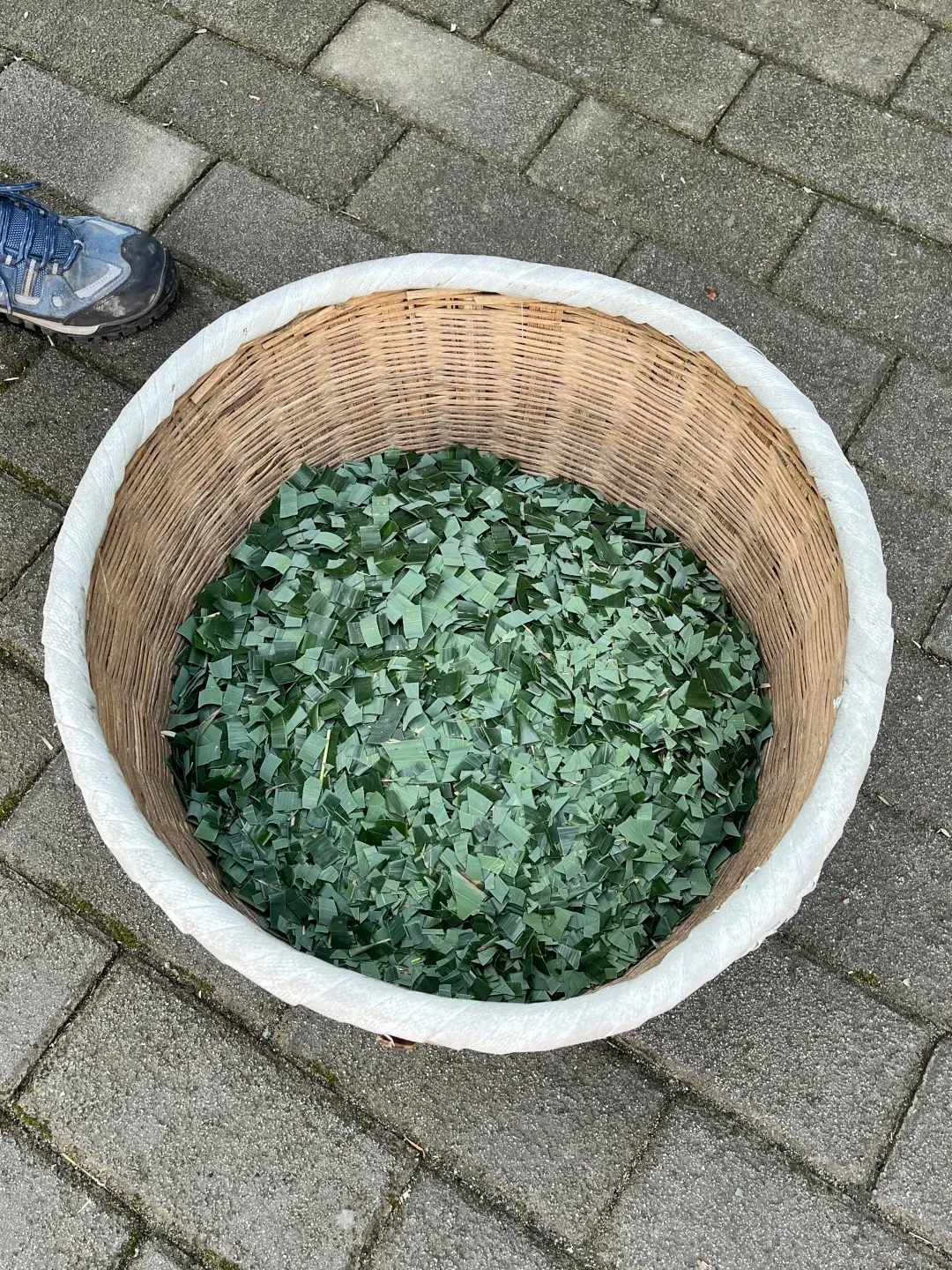
Preparing a feast fit for a panda! Volunteers dedicate their time to carefully chop fresh bamboo, a vital part of the giant panda’s daily diet at the Chengdu bases.
What to Expect: The Daily Itinerary
Forget the romanticized notion of simply playing with bears all day. Being a Chengdu panda volunteer is actual work, and the keepers expect you to pitch in. The schedule is rigorous and typically runs from 8:30 AM to 3:00 PM.
The Morning Shift: Labor and Feeding
Upon arrival, you will trade your street clothes for a blue jumpsuit (safety gear). The morning is physically demanding. You will enter the enclosure—while the panda is safely shifted to another room—to clean out yesterday’s bamboo waste and, yes, scoop up panda poop.
Sensory Detail: You might be surprised to find that panda waste doesn’t smell bad; because their diet is 99% bamboo, it smells distinctly like herbal tea or fresh-cut grass.
After cleaning, you will carry in roughly 30-40kg of fresh bamboo. Once the enclosure is prepped, the highlight arrives: Feeding Time. Under the supervision of a keeper, you will hand-feed the panda specific treats like carrots, apples, or “panda cakes” (wo to) using long tongs or through a fence.
The Afternoon Shift: Nutrition and Education
After a staff lunch in the canteen (usually simple Sichuan-style cafeteria food), the afternoon focuses on nutrition. You will likely make “panda cakes”—a dense loaf made of corn, soy, rice, and egg—and break bamboo into manageable pieces for elderly pandas with weaker teeth.
Logistics: Visas, Connectivity, and Money
What is the 144-Hour Visa-Free Transit?
This policy allows travelers from 54 countries (including the US, UK, Canada, and EU) to enter Chengdu for up to 6 days without a visa, provided they have a confirmed ticket to a third country/region. You cannot book a roundtrip (e.g., NY -> Chengdu -> NY); it must be a transit (e.g., NY -> Chengdu -> Bangkok).
Navigating China requires reliable internet access, as Western apps like Google Maps and Instagram are blocked by the Great Firewall. You will need a reliable roaming solution to post your panda photos and use Alipay for transactions.
💡 Editor’s Pick: We recommend Nomad eSIM for China because it reliably bypasses the Great Firewall with stable speeds. Use code JORICAQLKF at checkout to get $5 USD off your first data plan.
Cost Breakdown
The fee for volunteering is significantly higher than a standard entry ticket. Expect to pay:
- Dujiangyan Program: ~2000 RMB ($280 USD)
- Wolong Program: ~2500-2800 RMB ($350-$400 USD) due to higher transport costs.
Note: This fee usually includes the donation to the conservation fund, lunch, the uniform rental, and your “Panda Keeper” certificate. It rarely includes private transportation from Chengdu, which you must arrange separately or via a tour agent.
Important “Insider” Rules for 2026
1. Health Checks are Mandatory
You will need to fill out a health declaration form. If you have a severe cold or flu, you may be denied entry to the volunteer area to protect the animals.
2. The “Selfie” Etiquette
While you can take photos, flash photography is strictly prohibited as it stresses the animals. When feeding the panda, listen to the keeper. If you take too long trying to get the perfect angle, they will intervene. The panda’s hunger takes priority over your Instagram feed.
3. Age Restrictions
The programs are strictly for ages 10 to 70. If you are traveling with children under 10, they can enter the base as regular tourists but cannot enter the volunteer workspace or feed the animals.
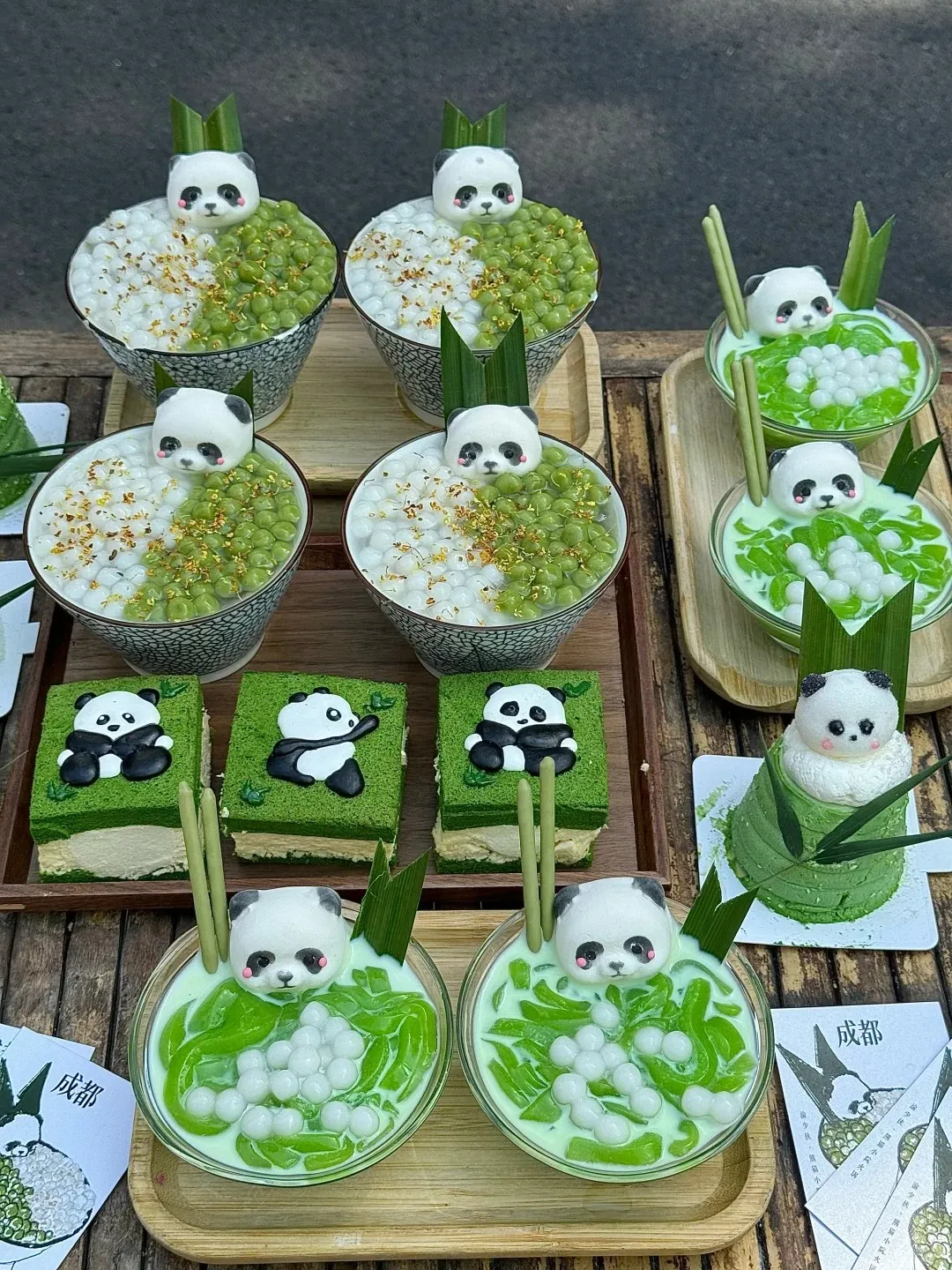
After a rewarding day volunteering with Chengdu’s pandas, indulge in these delightful and artfully crafted panda-themed desserts. From refreshing cendol to rich matcha cakes, each treat captures the charm of China’s beloved national treasure, offering a sweet celebration of your experience.