
Chengdu TCM: Exploring Traditional Chinese Medicine for Travelers

The first thing you notice in Chengdu isn’t always the spice of the hotpot; often, it is the earthy, pungent scent of mugwort wafting from a doorway in the Yulin neighborhood. While most visitors flock to the Panda Base, a growing number of savvy explorers are focusing on Chengdu TCM travel to understand the city’s deeper rhythm. In 2026, wellness tourism in China has shifted from luxury spas to authentic, grassroots experiences, and Chengdu is the undisputed heart of this movement.

Whether you are looking to fix a stiff neck after a long flight or simply curious about the philosophy of Qi (energy flow), Chengdu offers an accessible entry point into medical traditions that date back two millennia. However, navigating this world without speaking Mandarin can be intimidating. This guide cuts through the confusion to help you find the real deal.

Quick Summary: Key Takeaways for Your Trip

  • Best Authentic Experience: Skip the hotel spas and head to “Blind Master Zhang’s” in the Yulin neighborhood for a therapeutic massage (approx. 60–80 RMB).
  • Must-Visit Market: The Hehuachi Traditional Chinese Medicine Market is a sensory overload of dried herbs, roots, and fungi—perfect for photography, but tricky for shopping without a guide.
  • Booking Appointments: Most local clinics don’t speak English. Download Alipay and use the translation feature within the “Dianping” mini-app to find highly-rated clinics.
  • Payment: Cash is rarely accepted. Ensure your Alipay or WeChat Pay is linked to your international credit card before arrival.
  • Customs Warning: Be careful buying raw herbs to take home. Many countries strictly prohibit dried organic matter without specific export documentation.

Summarize with :

What is Traditional Chinese Medicine (TCM)?

Traditional Chinese Medicine (TCM) is a holistic medical system used for over 2,000 years that views health as a balance between Yin and Yang. Unlike Western medicine, which often treats specific symptoms, TCM focuses on restoring the body’s flow of Qi (vital energy) through treatments like acupuncture, herbal medicine, cupping, and Tui Na (therapeutic massage).

Where to Experience Authentic TCM in Chengdu

Chengdu’s laid-back lifestyle makes it the perfect place to slow down and experience these treatments. Avoid the tourist traps on Jinli Street; here is where the locals go.
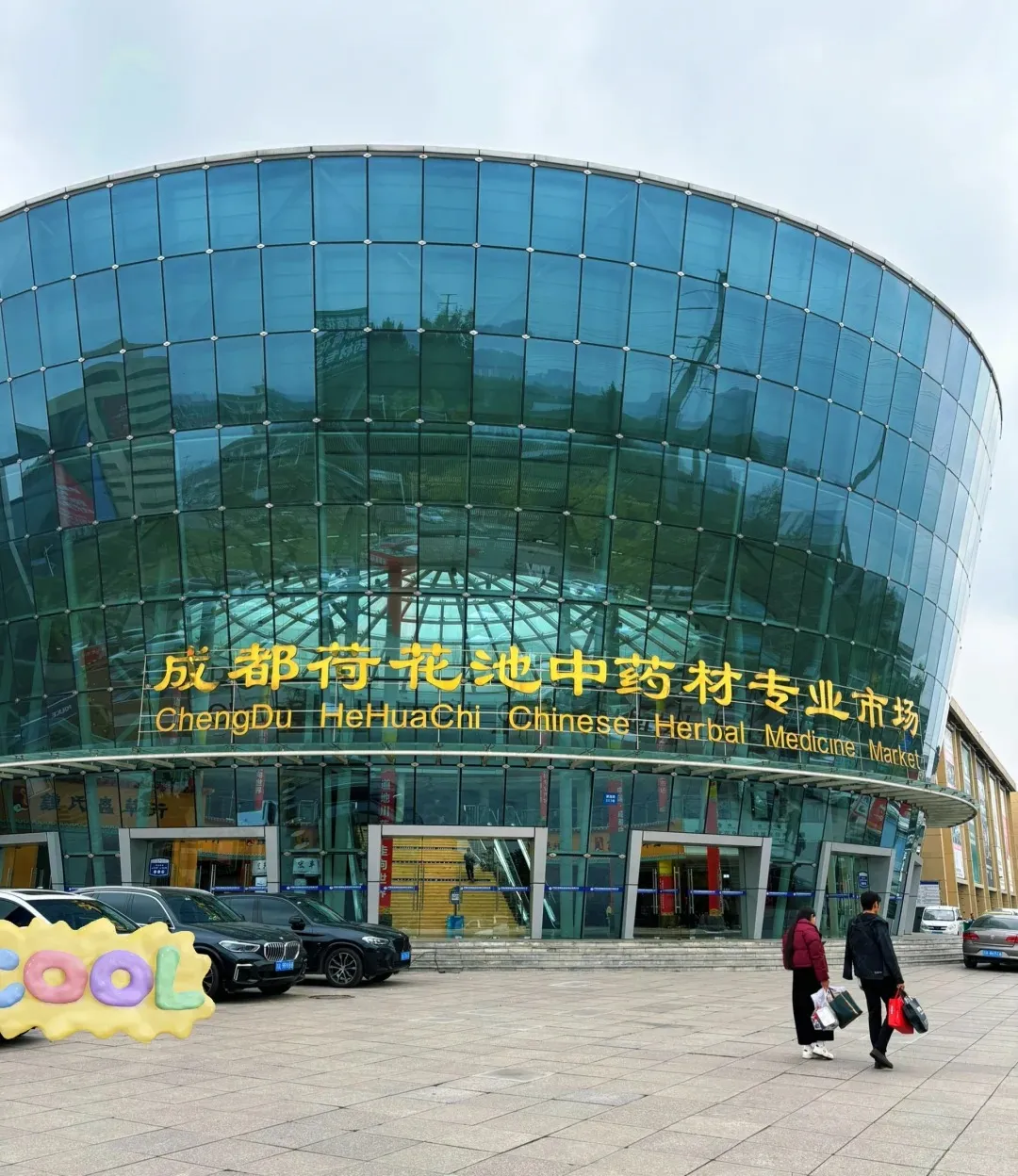
A large, modern building with a curved glass facade. Yellow Chinese characters and English text 'ChengDu HeHuaChi Chinese Herbal Medicine Market' are prominently displayed on the glass. In front, cars are parked and two people carrying bags walk across a paved plaza.

Explore the vibrant world of Traditional Chinese Medicine (TCM) in Chengdu at the impressive ChengDu HeHuaChi Chinese Herbal Medicine Market, a modern hub for sourcing natural remedies and a key stop for travelers.

1. The “Blind Massage” Experience

In China, “Blind Massage” (Mang Ren An Mo) is a protected trade and often considered superior to spa massages because practitioners rely entirely on touch to locate tension. It is not a luxury experience—it is clinical, firm, and effective.

Insider Recommendation: Based on consistent local reputation, Blind Master Zhang’s Physical Therapy (near Baiyun Street in Wuhou District) remains a gold standard. It is unpretentious and highly affordable.

  • Expect to pay: 60–90 RMB ($8–$12 USD) for one hour.
  • The Vibe: No essential oils or Enya music. Expect a clean room, a firm bed, and a very strong massage.
  • Tip: If it hurts, say “Teng” (Pain). If you want it harder, say “Zhong” (Heavy).

2. The Hehuachi Herbal Market

For a visual feast, the Hehuachi Market is one of the largest distribution centers for TCM ingredients in Southwest China. You will see sacks of star anise, dried seahorses, ginseng roots worth thousands of dollars, and deer antlers.

Is it worth it? Visually, yes. Commercially, no. Unless you have a specific prescription and a guide, do not buy expensive herbs here. Counterfeits exist, and pricing for foreigners can be inflated. Treat this as a museum experience rather than a shopping trip.

Logistics: Navigating the Language Barrier

The biggest hurdle for Chengdu TCM travel is communication. Most authentic practitioners do not speak English. To navigate this, you need a reliable internet connection to use translation apps in real-time.

Connectivity is Non-Negotiable. You cannot rely on public Wi-Fi in China, and your home carrier’s roaming data will likely be throttled or blocked by the Great Firewall, preventing you from using Google Translate or Maps.

💡 Editor’s Pick: We recommend Nomad eSIM for China because it reliably bypasses the Great Firewall with stable speeds. Use code JORICAQLKF at checkout to get $5 USD off your first data plan.

How to Book a Session

If you cannot find a concierge to help you, use the Dianping app (China’s version of Yelp). It is in Chinese, but you can take screenshots and translate them.

  1. Open Dianping.
  2. Search for “中医推拿” (TCM Tui Na Massage).
  3. Look for a rating above 4.5/5.
  4. Show the address to your taxi driver or input it into the Didi (ride-hailing) app.

TCM Treatments: What to Expect

If you decide to visit a clinic, such as the teaching clinics attached to the Chengdu University of Traditional Chinese Medicine, be prepared for a different diagnostic approach.
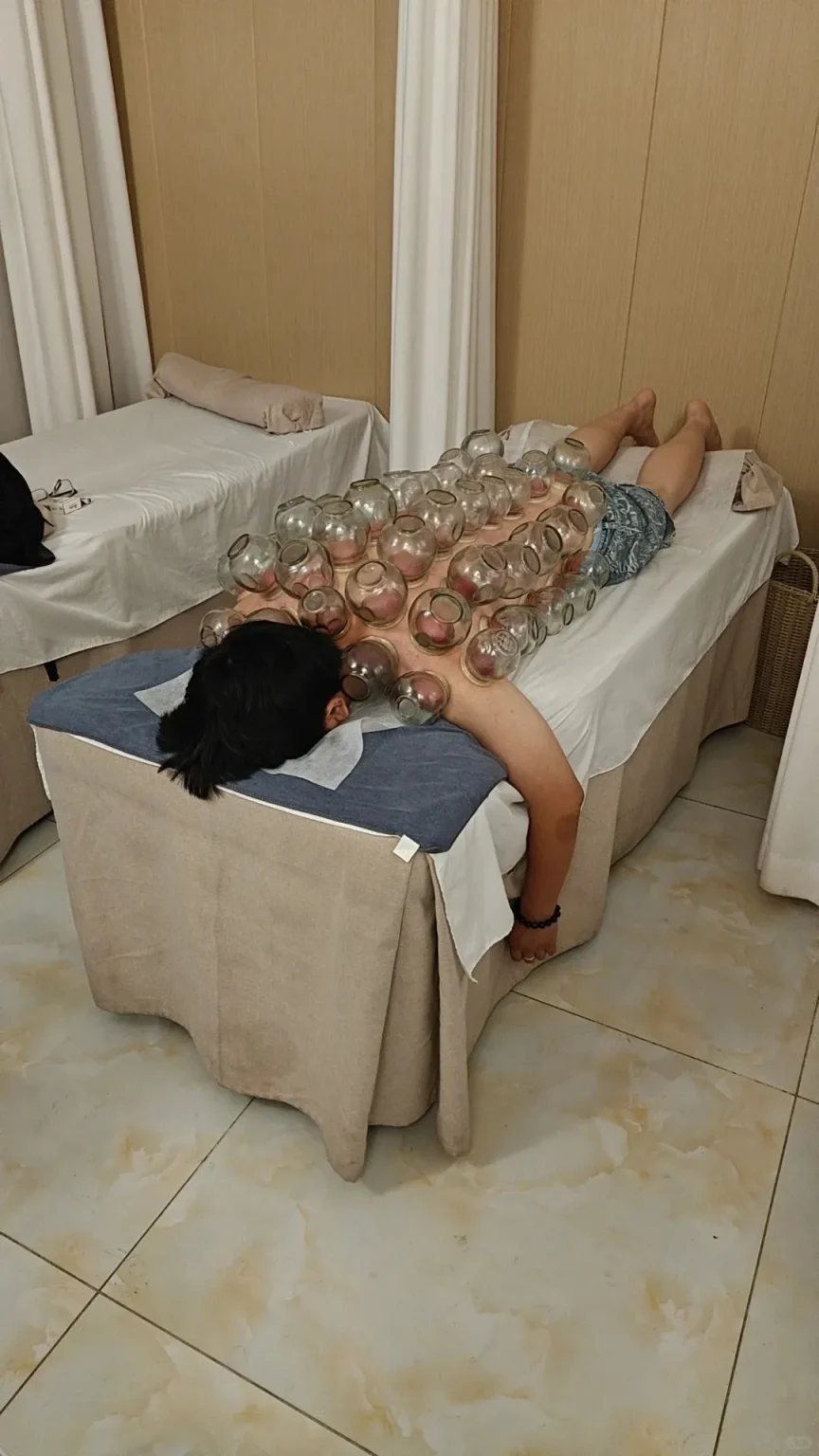
A person with dark hair is lying face down on a massage table, their back covered with rows of clear glass cups used for cupping therapy. The skin inside the cups is red from the suction. Another massage table is partially visible in the background of the treatment room.

Travelers in Chengdu often seek out traditional treatments like cupping therapy, an ancient TCM practice known for its ability to relieve muscle tension and promote overall well-being.

The Pulse and Tongue Reading

A doctor will place three fingers on your wrist to read your pulse. They aren’t just counting beats; they are assessing the “quality” of the pulse (slippery, wiry, thready) to determine the state of your internal organs. They will also ask to see your tongue to check for color and coating, which indicates dampness or heat in the body.

Cupping and Moxibustion

  • Cupping (Ba Guan): Glass cups are suctioned onto your back using heat. It leaves circular purple bruises that last for a week. Insider Note: It looks painful, but it feels like a deep tissue release. It is excellent for “damp” weather ailments common in Chengdu.
  • Moxibustion (Ai Jiu): This involves burning a cigar-shaped stick of dried mugwort near the skin to warm the meridians. The smell is distinctive and lingers on your clothes, but it is incredibly relaxing.

Insider Tip: The “Dampness” Factor

You will hear locals talk constantly about “Shi Qi” (Dampness). Chengdu is in a basin and is notoriously humid. According to TCM, this dampness gets trapped in the body, causing lethargy and digestion issues.

What to do: If you feel sluggish after a few days in Chengdu, do not just drink more coffee. Visit a tea house and order Huo Xiang Zheng Qi tea or simply eat spicy food. The famous Sichuan peppercorn isn’t just for flavor; it is a medicinal ingredient designed to drive out internal dampness through sweat. This is food therapy in action.
Chengdu Wellness & TCM: Your Questions Answered

What is the best place for authentic TCM massage in Chengdu?

For a truly authentic experience, skip hotel spas and visit ‘Blind Master Zhang’s’ in the Yulin neighborhood. These clinics offer therapeutic, deep-tissue massages that are highly effective and cost between 60–90 RMB.

Most local clinics do not speak English, so download Alipay and use the ‘Dianping’ mini-app. You can search for highly-rated clinics (look for 4.5+ stars) and use translation tools to show the address to your driver.

It is not recommended. Many customs agencies strictly prohibit the import of dried organic matter, roots, and fungi without specific export documentation. Treat the herbal markets as a visual experience rather than a shopping trip.

Because Chengdu is located in a humid basin, locals believe ‘Shi Qi’ (dampness) gets trapped in the body, causing lethargy. This is traditionally treated with cupping therapy, moxibustion, and eating spicy Sichuan food to induce sweating.

Conclusion

Exploring Chengdu TCM travel opportunities allows you to engage with the city on a visceral level. It moves your trip beyond passive sightseeing and into active participation in a culture that values balance above all else. Whether you brave the bruises of cupping or simply wander the aromatic aisles of a herbal market, you will leave with a deeper appreciation for how China heals. Ready to start your journey? Ensure your digital tools are ready, book that flight, and prepare to find your balance.

Similar posts to this one

Multiple Fuxinghao high-speed bullet trains, silver with red and orange stripes, are parked at platforms inside Shenzhen North Railway Station at night. Station signs show '深圳北站' and 'Shenzhen North Railway Station'. Overhead metal structures and lighting are visible.

Beijing to Shanghai High-Speed Rail: The Complete Station & Seat Guide

For travelers in 2026, the debate between flying or taking the train from Beijing to Shanghai is effectively over. The [...]

A vibrant sunrise or sunset over the modern Beijing cityscape, featuring prominent skyscrapers like the tall, slender CITIC Tower (China Zun) reflecting golden light, the distinctive CCTV Headquarters building, and the spiraling dome of the Phoenix International Media Center. A dense canopy of green and golden trees forms the foreground under a sky with dramatic, colorful clouds.

Emergency Travel in China: Vital Phrases, Apps, and Safety Protocols

Traveling to China is an exhilarating experience, but the unique digital ecosystem and language barrier can make even seasoned globetrotters [...]

Two modern Chinese high-speed trains, including a silver Fuxing bullet train with red, orange, and gold stripes, parked side-by-side at a bright station platform. A white high-speed train with blue stripes is to the left. A yellow tactile paving strip is visible on the platform.

China High-Speed Rail for Tourists: Booking, Classes & Onboard Experience

For many travelers, the first time stepping into a Chinese railway station is more overwhelming than the flight that brought [...]

Get the China Arrival Survival Kit

Planning a trip here has a steep learning curve. Join our newsletter and receive our free “Day One Checklist” covering everything from setting up Alipay and WeChat to bypassing the internet firewall.