


Phase 1: Logistics and Preparation
Getting There and Getting Around
You will likely fly into Xining Caojiabao International Airport (XNN). While there are high-speed trains connecting Xining to Zhangye and Dunhuang, the train tracks skip the scenic heart of the loop (Qinghai Lake and the Qaidam Basin). To see the landscape, you need a vehicle.
Insider Tip: Do not rent a car unless you are fluent in Mandarin and experienced with aggressive Chinese driving styles. The most efficient method is hiring a “shifu” (driver) with a vehicle. As of 2026, a standard SUV charter costs between 1,200 and 1,600 RMB per day, including fuel and tolls. You cover the driver’s meals and accommodation (usually a flat fee).
Staying Connected
The firewall in Northwest China is stricter than in the coastal cities due to sensitive border regions. Your roaming plan might work, but it will be throttled. For reliable access to Gmail, Instagram, and essential translation apps, an eSIM is mandatory.
💡 Editor’s Pick: We recommend Nomad eSIM for China because it reliably bypasses the Great Firewall with stable speeds. Use code JORICAQLKF at checkout to get $5 USD off your first data plan.
The 10-Day Great Loop Itinerary
Days 1-3: The Tibetan Plateau & The Mirror of the Sky
Day 1: Xining to Qinghai Lake. Start early. Xining is a melting pot of Muslim Hui, Tibetan, and Han cultures. Drive to Qinghai Lake, the largest inland saltwater lake in China. Avoid the “official” scenic area entrance (Erlang Jian), which is an overpriced tourist trap. Instead, ask your driver to take you to the southern shore pastures owned by local herders. You pay a small fee (20-50 RMB) to drive right to the water’s edge.
Day 2: Chaka Salt Lake. Known as the “Mirror of the Sky,” this is one of the most photographed spots in China.
Is it worth it? Only if the weather is perfect. If it is cloudy or windy, it looks like a muddy industrial site. If you go, take the train to the furthest point of the salt flats immediately to escape the crowds at the entrance. Wear bright red or yellow for the best photo contrast against the white salt.
Day 3: Crossing the Qaidam Basin. This is a heavy driving day. You will cross the “315 National Highway” (the U-shaped road), often called the Route 66 of China. The landscape turns into a desolate, Mars-like desert. You will overnight in Da Qaidam or Delingha.
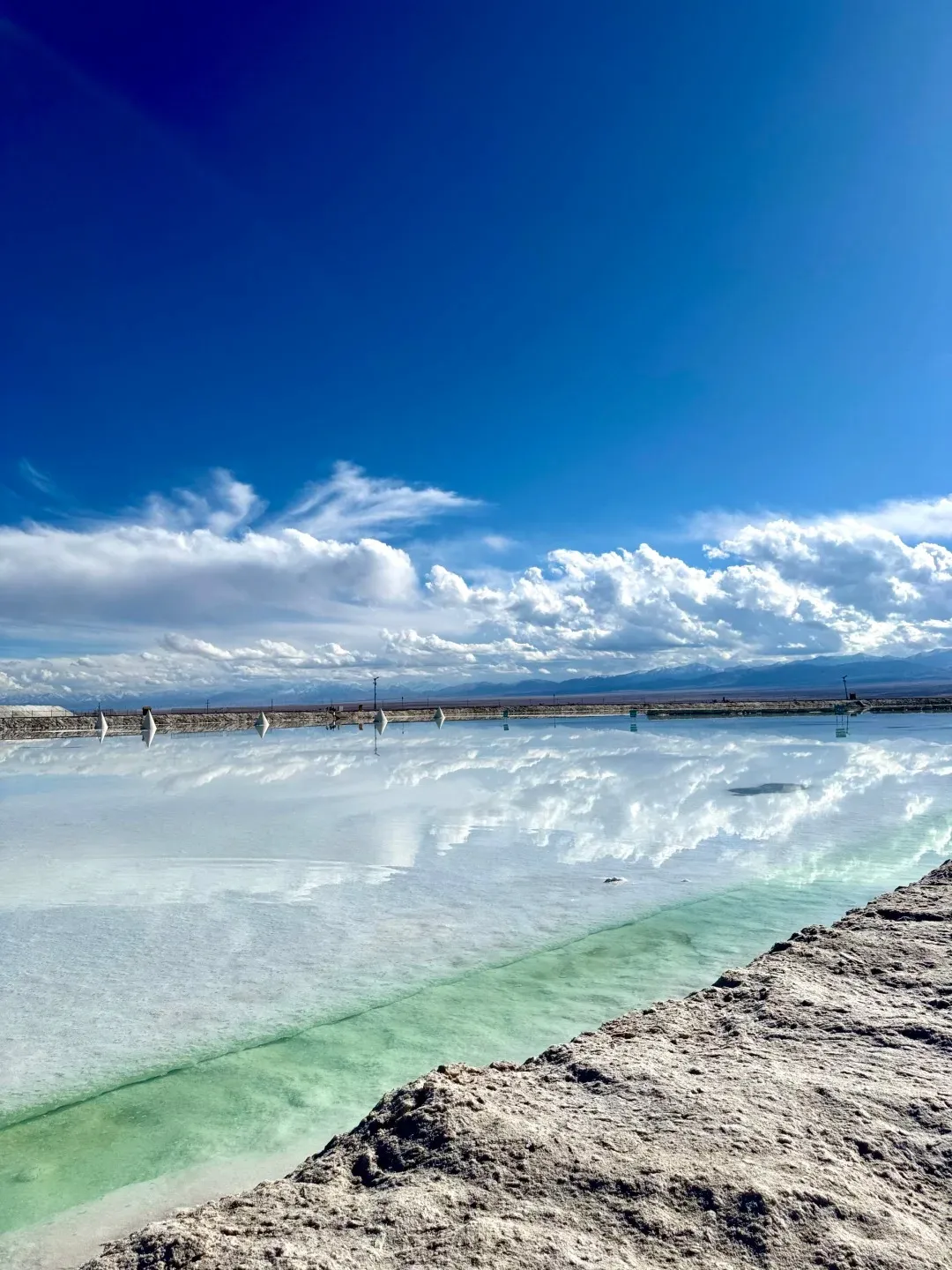
Known as the ‘Mirror of the Sky’, Chaka Salt Lake offers breathtaking reflections, making it an unforgettable stop on your Qinghai-Gansu Great Loop adventure. Discover its unique beauty as you traverse the modern Silk Road.
Days 4-6: The Silk Road Jewels (Dunhuang)
Day 4: Arrival in Dunhuang. The drive from the basin to Dunhuang passes the Yadan Ghost City—massive wind-eroded rock formations. It is hot and dry here; lip balm is not optional. Check into your hotel and head straight to the Shazhou Night Market. The donkey meat noodles are famous, but the grilled lamb skewers (chuan’r) are the safe and delicious bet.
Day 5: The Mogao Caves. This is the cultural apex of the trip. These caves contain Buddhist art spanning 1,000 years.
Critical Logistics: You must arrive at the Digital Exhibition Center first to watch two films before taking the shuttle to the caves. Strictly follow the “No Photography” rule inside the caves; they use sensors to detect flash and will confiscate equipment.
Day 6: Mingsha Shan (Echoing Sand Mountain) & Crescent Lake. Visit at 6:00 AM or 7:00 PM. Midday heat in the Gobi can reach 40°C (104°F). Climb the dunes for the sunset. The contrast of the oasis temple against the towering sand dunes is surreal. Avoid the orange shoe covers sold at the entrance; they are unnecessary if you are okay with emptying sand from your shoes later.
Days 7-8: Fortresses and Rainbows
Day 7: Jiayuguan Pass. Drive east to the westernmost end of the Great Wall. Unlike the stone walls of Beijing, this is a rammed-earth desert fortress. It feels military and stark. It takes about 2 hours to tour the fort. If you are short on time, this is the one attraction on the loop you can skip, but history buffs shouldn’t miss it.
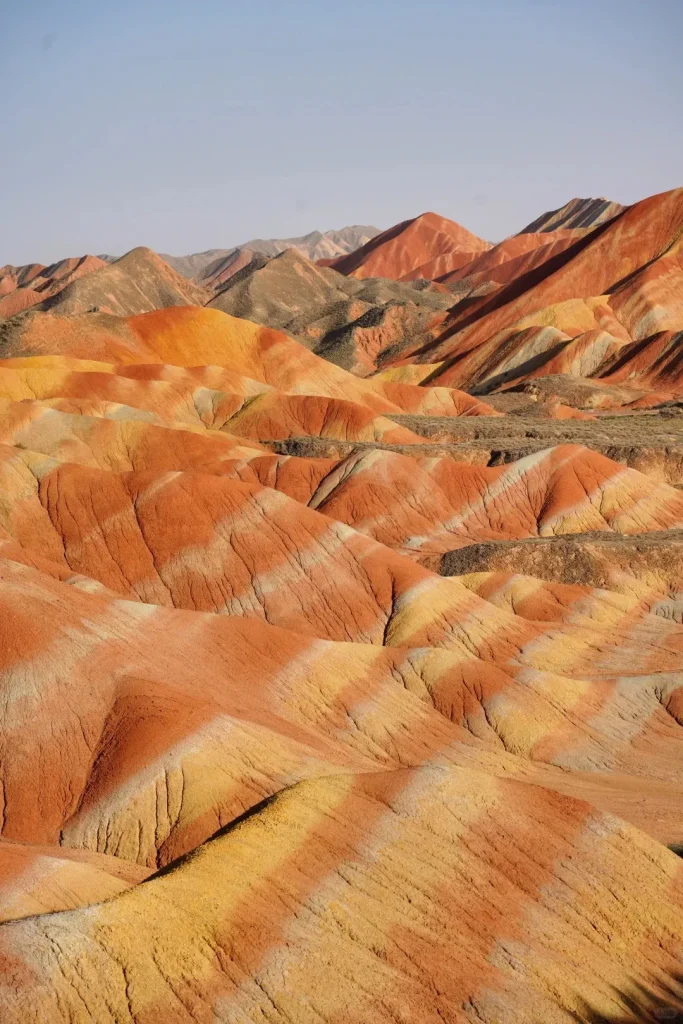
Day 8: Zhangye Danxia Landform. The “Rainbow Mountains.”
Insider Truth: The colors are not as vibrant as the saturation-boosted photos on Instagram, but they are still spectacular, especially after rain. Enter via the West Gate for the best viewing platforms. Platform #4 has the famous sunset view, but Platform #2 is often less crowded and offers a panoramic sweep.
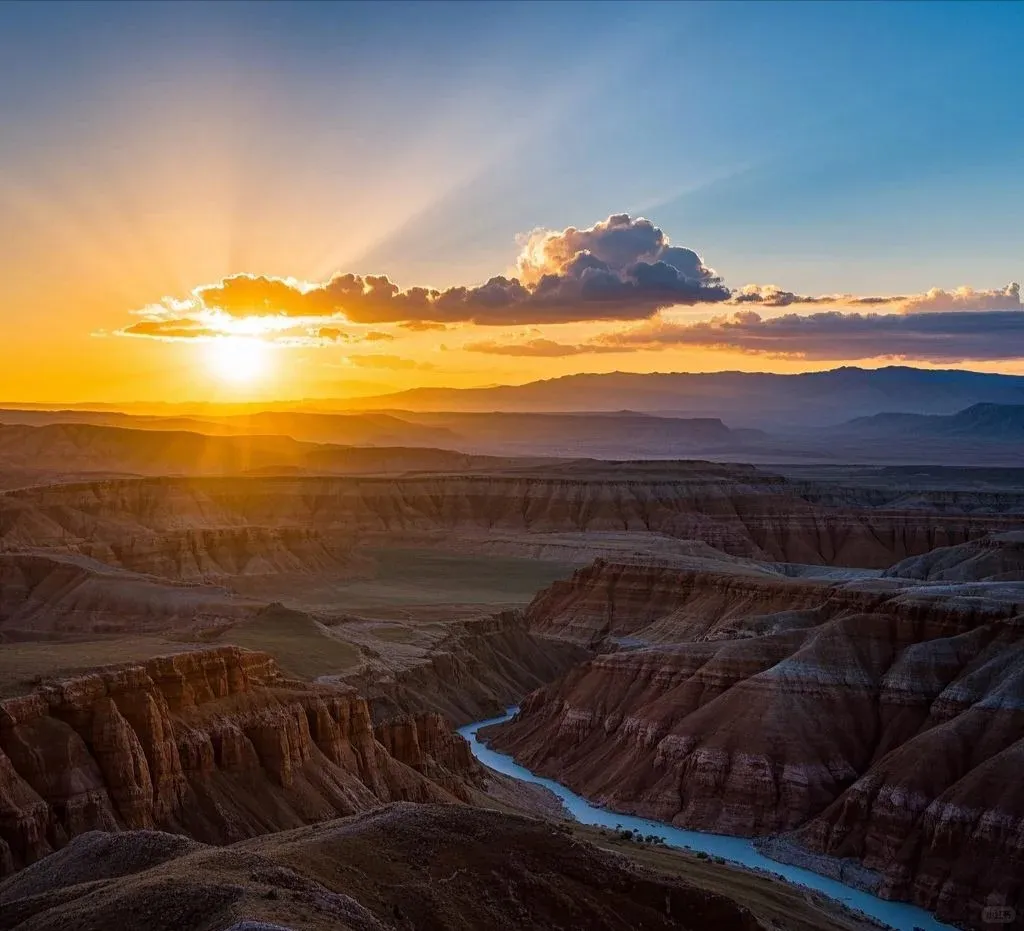
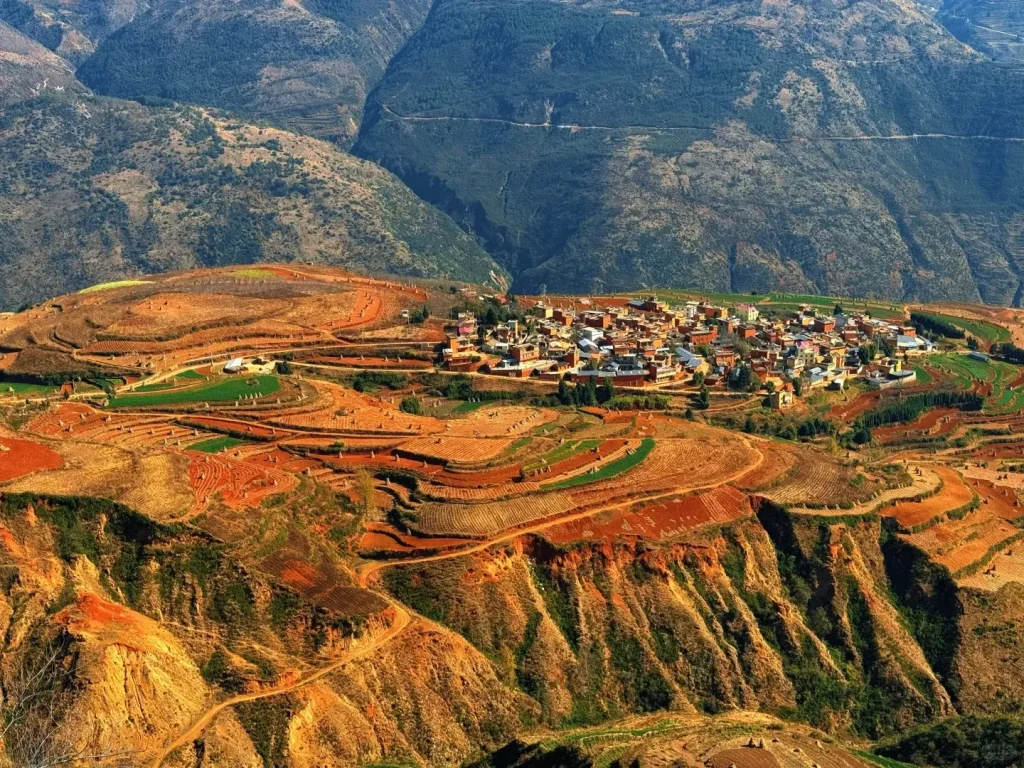
The dramatic landscapes of the Qinghai-Gansu region reveal themselves as the sun sets, casting a golden glow over winding rivers and ancient canyon walls. Prepare to be awestruck by such natural wonders on your 10-day Silk Road adventure.
Days 9-10: Little Switzerland and Departure
Day 9: Qilian Mountains. The drive back toward Xining cuts through the Qilian Mountains. The scenery shifts dramatically from red desert back to alpine green meadows, yak herds, and snowy peaks. It resembles the Swiss Alps but with nomadic yurts. Stop at the Biandukou viewing platform for rolling fields of barley and rapeseed.
Day 10: Return to Xining. Finish the loop. If you have time before your flight, visit the Dongguan Grand Mosque (if open to tourists, check locally as rules fluctuate) or sample Yagurt (Yak Yogurt) on the street. It is incredibly sour and usually topped with sugar.
Budget and Practicalities for 2026
What is the Cost?
Excluding international flights, a mid-range budget for this 10-day trip is approximately 10,000 – 15,000 RMB ($1,400 – $2,100 USD) per person based on two people sharing a chartered car and 4-star hotels.
- Hotels: 400-800 RMB per night. Book via Trip.com for the best foreign-passport-friendly listings.
- Food: 100 RMB per day. Northwest cuisine is heavy on noodles, mutton, and beef. Vegetarian options are limited to tomato-egg stir fry and seasonal greens.
- Tickets: Budget around 1,500 RMB total for entrance fees. Mogao Caves alone are nearly 240 RMB.
Digital Survival
Cash is rarely accepted. You must set up Alipay or WeChat Pay and link your international credit card before you arrive. In the desert regions of Qinghai and Gansu, signal can be spotty. Download offline language packs on your translation app.