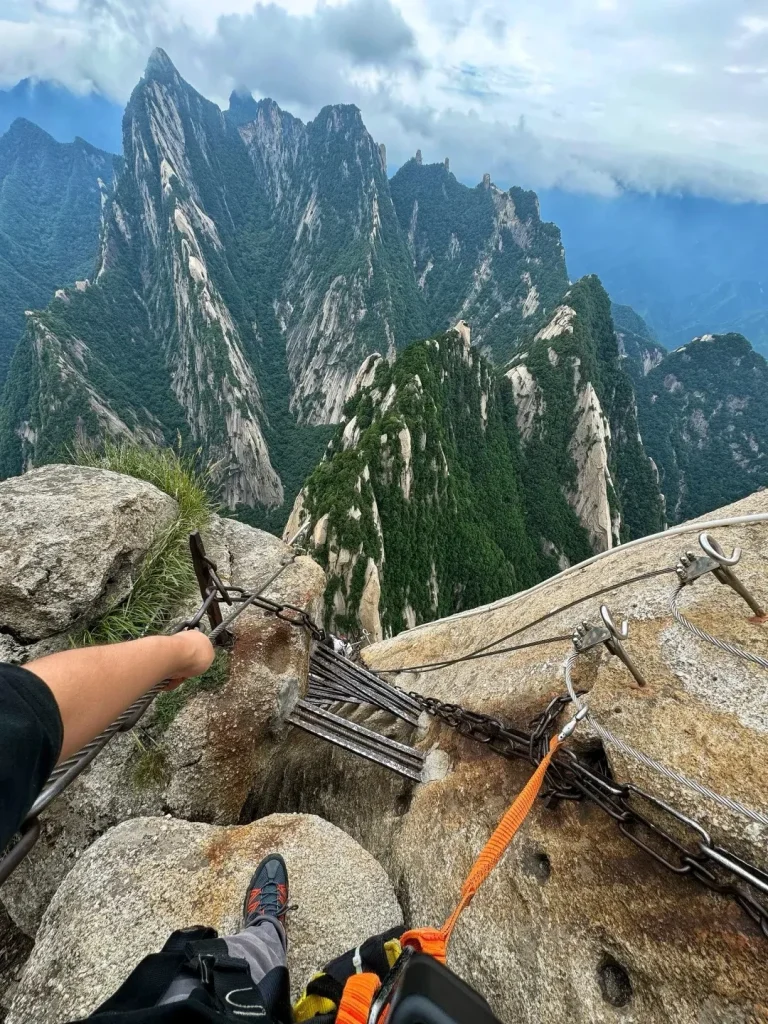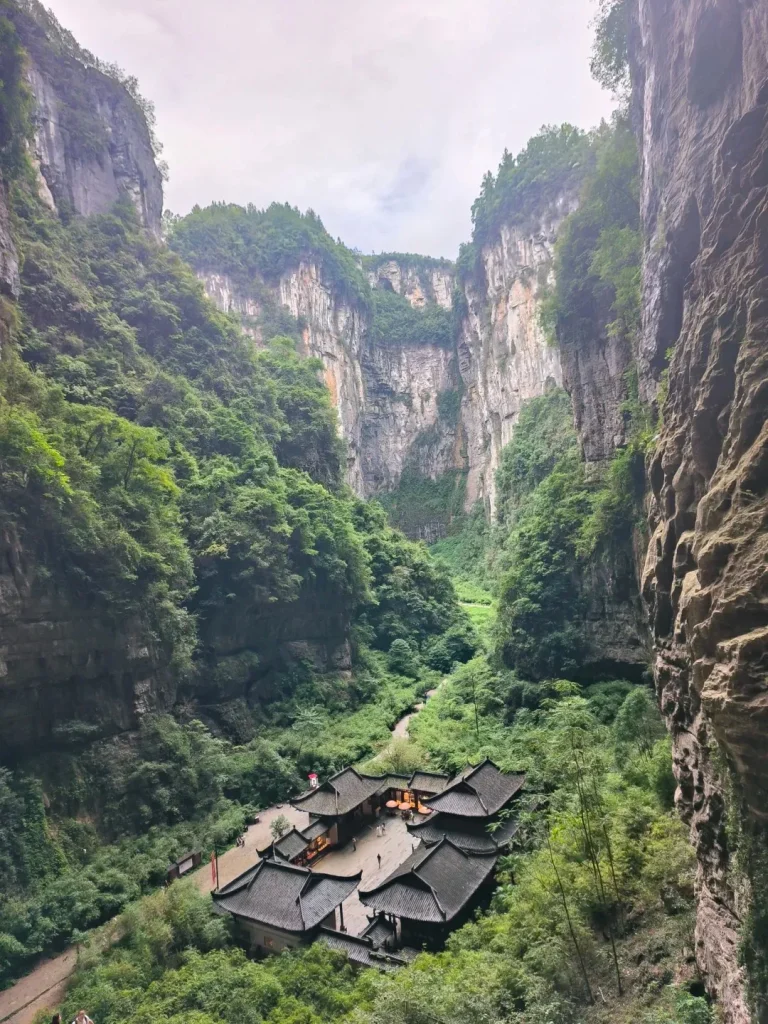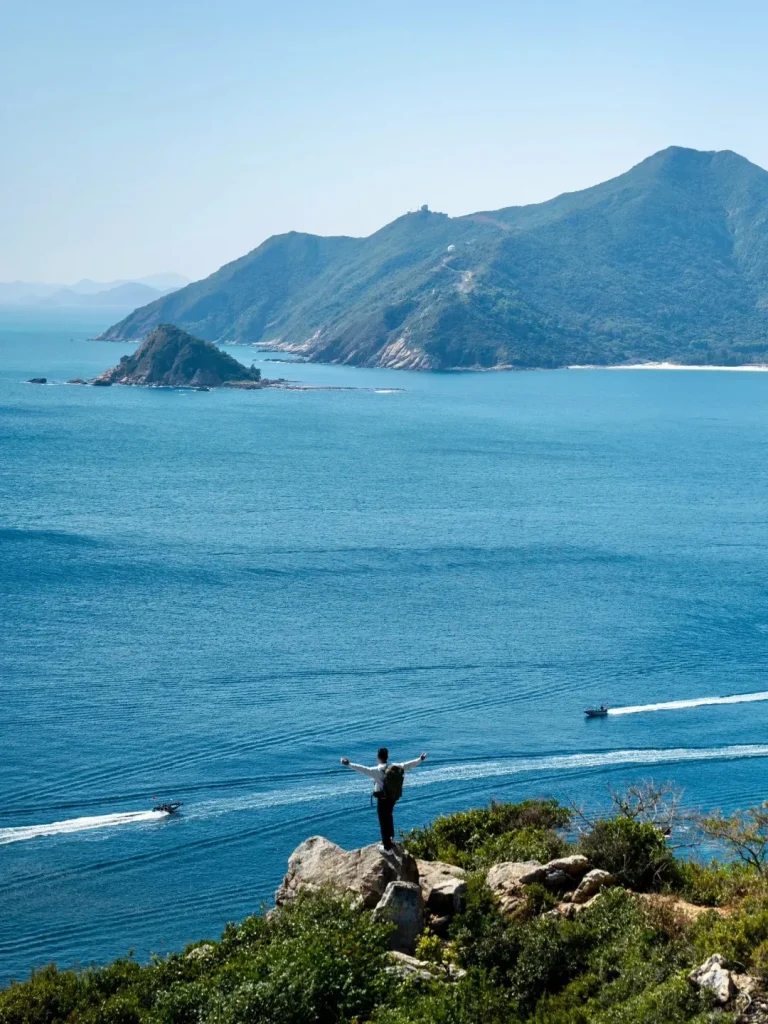



Yanoda Rainforest Cultural Tourism Zone: The “Accessible” Jungle
If you are traveling with family or prefer your nature served with modern conveniences, Yanoda (呀诺达) is the logical choice. Located roughly 35km from Sanya, this is less of a wild hike and more of an eco-theme park. It is lush and beautiful, but it is also highly commercialized.
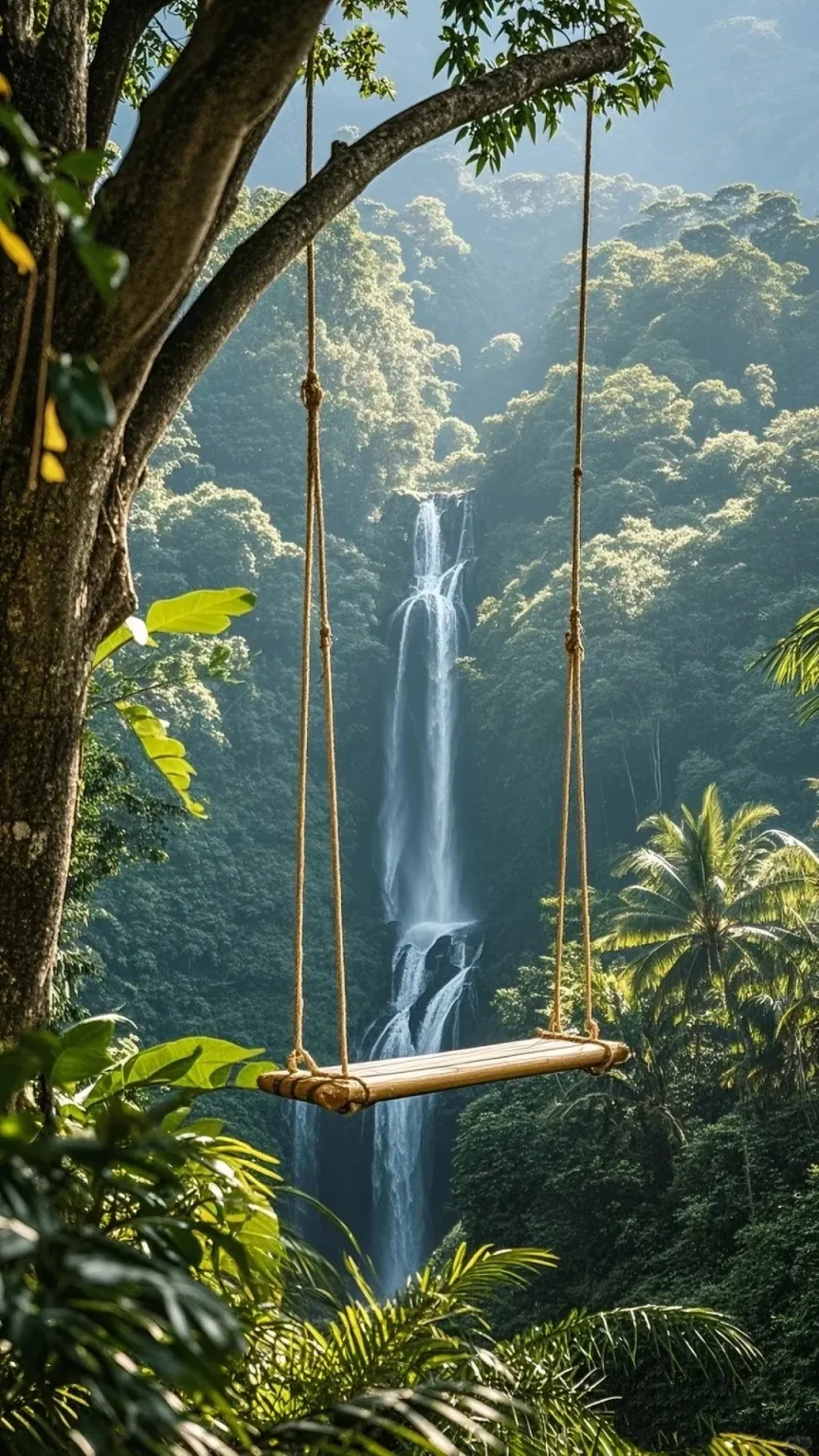
Experience the serene beauty of Hainan’s tropical rainforests from unique vantage points, where tranquil swings offer spectacular views of cascading waterfalls nestled within the verdant canopy.
What to Expect
Yanoda is divided into the “Valley of Dreams” and the “Rainforest Valley.” The infrastructure here is impressive—and sometimes overwhelming. You will encounter electronic tour guides that automatically trigger audio commentary as you walk (which can be noisy), glass viewing platforms, and zip lines.
The Insider Experience: The “Water Route” is the highlight here. Unlike a traditional hike, this involves donning a helmet and straw sandals (provided) to scramble up a waterfall chain, holding onto iron chains. It is wet, chaotic fun, and far more engaging than walking the wooden boardwalks.
Logistics and Costs
Entrance tickets hover around 168 RMB (approx. $23 USD), but this base price is misleading. The park operates on an upsell model. The shuttle bus inside is mandatory, and the glass bridge is extra. Budget around 300 RMB per person for the full experience.
Connectivity Tip: While the park is developed, signal can be spotty in the ravines. To ensure you can hail your DiDi ride back to Sanya, you need reliable data that bypasses the Great Firewall.
💡 Editor’s Pick: We recommend Nomad eSIM for China because it reliably bypasses the Great Firewall with stable speeds. Use code JORICAQLKF at checkout to get $5 USD off your first data plan.
Is it Worth It?
Yes, if: You want great photos, have limited mobility (the boardwalks are excellent), or are traveling with children who need constant entertainment.
No, if: You are seeking solitude. The crowds here can be dense, and the constant amplification of tour guides disrupts the natural soundscape.
Wuzhishan (Five Finger Mountain): The Real Challenge
For hikers who find Yanoda too artificial, Wuzhishan (五指山) is the antidote. Named for its five jagged peaks that resemble fingers, this is the highest point on Hainan Island (1,867m). This is not a theme park; it is a serious, steep ascent into a cloud forest.
The Hiking Experience
The trail to the First and Second Fingers is the standard route. Be warned: “trail” is a generous term for the upper sections. It involves near-vertical wooden ladders and scrambling over roots slick with perpetual moss. As you ascend past the cloud line, the temperature drops rapidly, and the vegetation shifts to dwarf trees and alpine shrubbery.
Sensory Detail: The humidity here is different from the coast—it smells of wet earth and decaying leaves. You will likely encounter leeches, especially after rain. The silence near the Second Finger, broken only by the wind and the call of unseen birds, is a stark contrast to the bustle of Sanya.
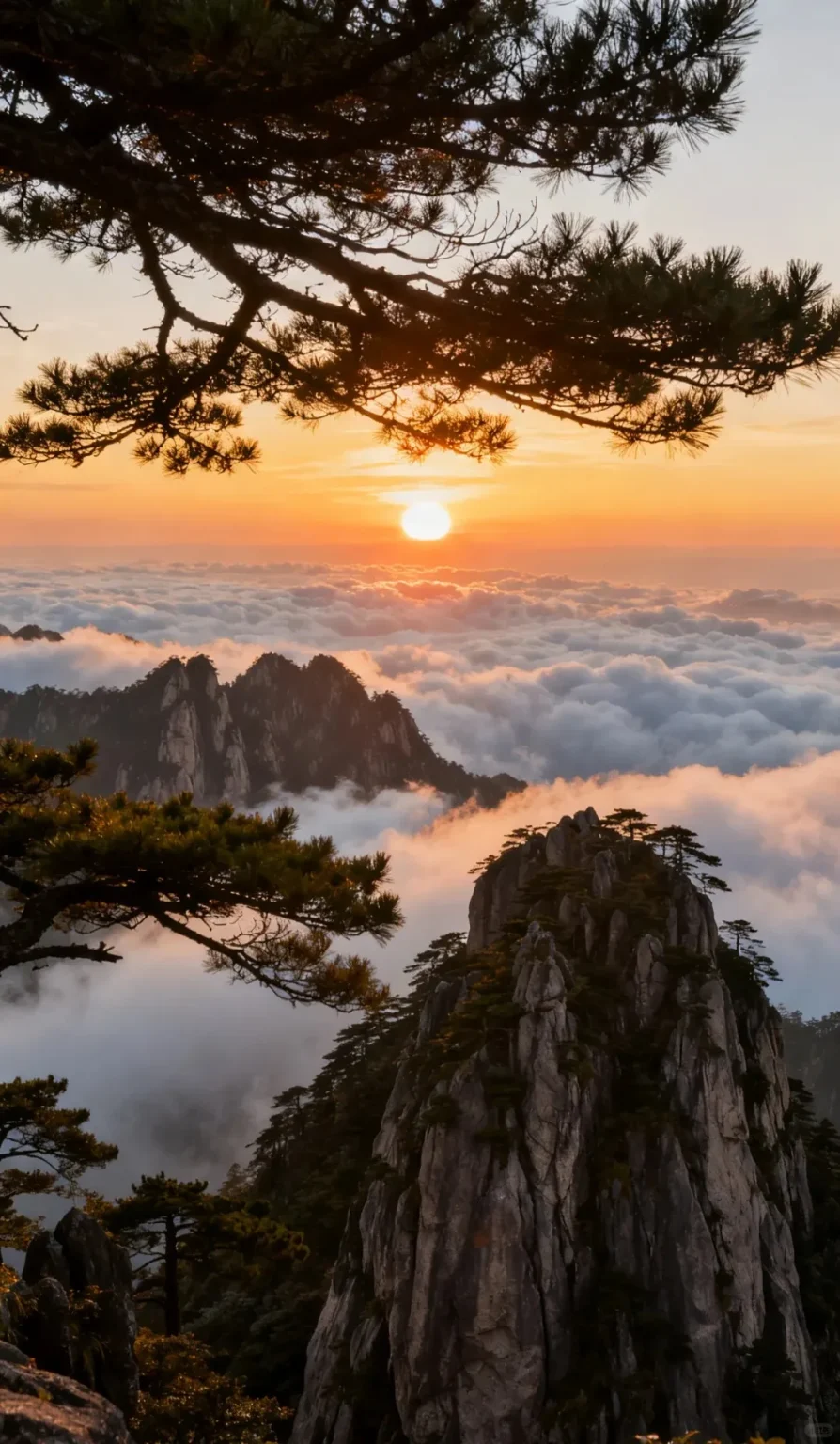
While Sanya boasts beautiful beaches, venture beyond to uncover Hainan’s majestic interior. Wuzhishan (Five Finger Mountain) National Nature Reserve, the island’s highest peak, offers incredible vistas like this, where tropical rainforest-covered mountains pierce a mesmerizing sea of clouds at sunrise or sunset.
Getting There
Wuzhishan is harder to reach. You must take a bus from Sanya’s main bus station to Wuzhishan City (approx. 2.5 hours), then a local “town bus” or taxi to the mountain foot. Alternatively, a private car hire for the day will cost between 600-800 RMB.
Insider Tips: What the Guidebooks Don’t Tell You
The “Free Tea” Trap
In both Yanoda and the villages surrounding Wuzhishan, you will likely be invited to a “traditional tea ceremony.” This is a classic tourist trap. You will be offered samples of Kuding tea (bitter and medicinal) or Snowy Tea, followed by a high-pressure sales pitch where tins are sold at 5x the market rate. It is polite to decline the tasting immediately if you have no intention of buying.
What is the 30-Day Visa-Free Policy?
Unlike the mainland’s 144-hour transit visa, Hainan offers a unique 30-day visa-free entry for citizens of 59 countries. You do not need to apply in advance, but you must have a return flight booked and provide your hotel booking details at immigration. Note: This visa does not allow you to travel to mainland China (e.g., Beijing or Shanghai); you must stay on the island.
Packing List for the Rainforest
- Leech Socks: Essential for Wuzhishan. If you can’t find them, tuck your pants into long wool socks.
- Quick-Dry Fabrics: Cotton is your enemy here. The humidity sits at 90%+, and sweat does not evaporate.
- Waterproof Phone Pouch: Sudden, violent downpours are common in the afternoons, even during the “dry” season.
- Hydration: Bring more water than you think you need. Vending machines are non-existent once you pass the trailheads at Wuzhishan.