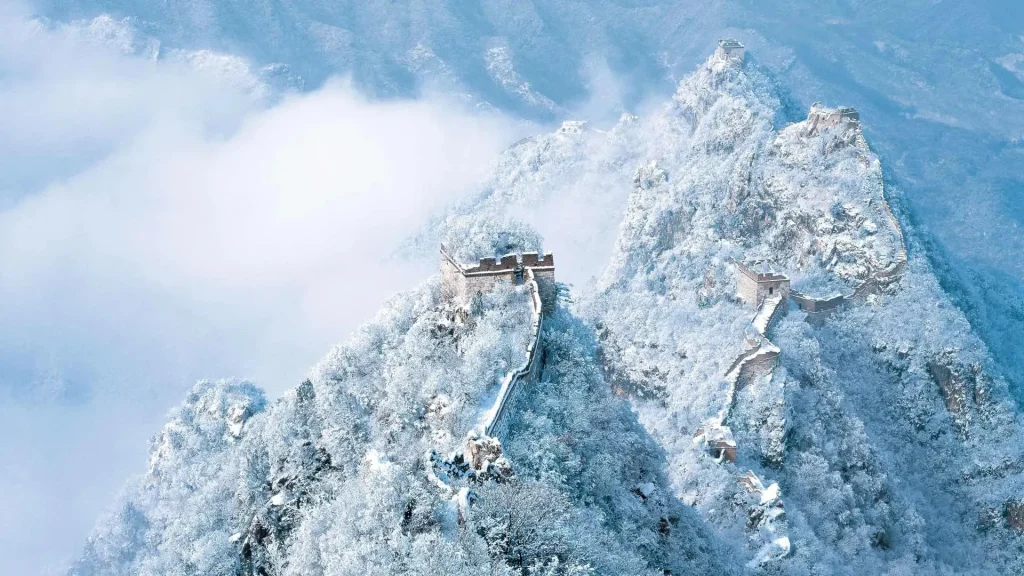



What is the 144-Hour Visa-Free Transit?
Definition: Travelers from 54 eligible countries (including the US, UK, Canada, and Australia) can enter Harbin without a visa for up to 6 days if they hold a confirmed connecting ticket to a third country/region. You cannot fly US -> Harbin -> US. You must fly US -> Harbin -> Seoul/Hong Kong/Tokyo.
When to Go: Avoiding the “Golden Week” Crush
Timing is the single most important factor in your budget and enjoyment. The festival officially opens on January 5th, but visiting during the Chinese New Year (Spring Festival) is a rookie mistake.
- Best Time (Sweet Spot): January 6th – January 20th, or mid-February. The crowds are manageable, and hotel prices are standard.
- Worst Time: Chinese New Year (dates vary, usually late Jan/early Feb). Hotel prices triple, and you will wait 2+ hours for the iconic ice slide.
- Soft Opening (Late Dec): Good for photographers wanting fewer people, but you miss the fireworks and opening ceremony pageantry.
The “Big Three” Ice Parks: Where to Spend Your Money
Harbin isn’t just one location; the festival is spread across the city. Here is the hierarchy of where to go.
1. Harbin Ice and Snow World (The Main Event)
This is the massive neon city you see on Instagram. It is built entirely of ice blocks cut from the Songhua River. It is expensive (approx. 300+ CNY), crowded, and absolutely essential.
Insider Strategy: Arrive at 2:30 PM. You can see the ice clear in the daylight, watch the sunset at 4:00 PM, and see the lights turn on. If you want to ride the famous 500-meter ice slide, queue immediately upon entry or buy the VIP “fast pass” ticket if available (expensive but saves 3 hours of standing in freezing cold).
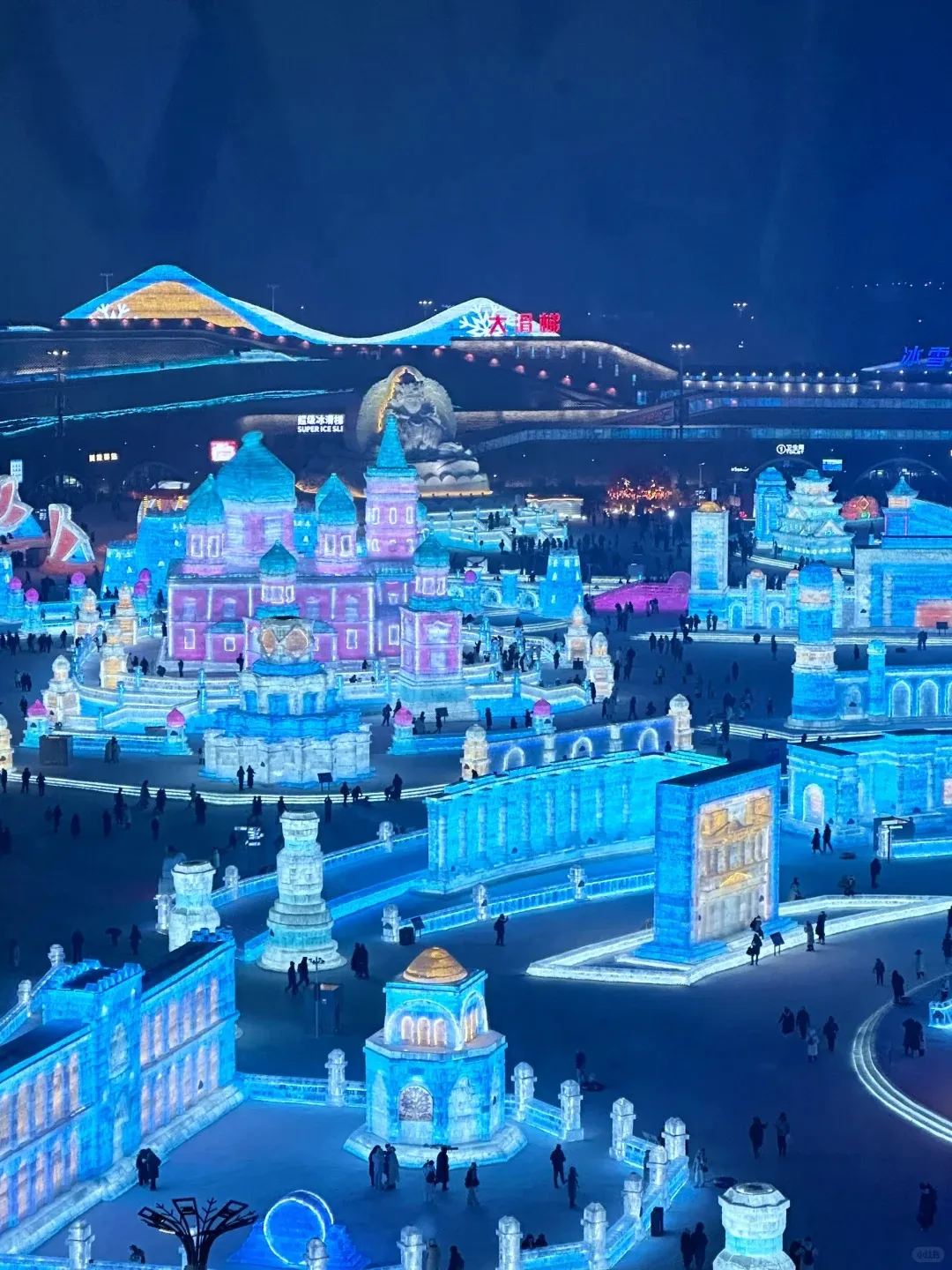
A high-angle view of the Harbin Ice and Snow World at night, showcasing a magnificent, multi-domed ice castle illuminated in vibrant purple and pink. Surrounding it are numerous other intricate ice structures, towers, and walls glowing with brilliant blue and white lights, creating a fantastical frozen city. A large illuminated ice Buddha sculpture is visible in the mid-ground, with distant snow-covered hills lit in blue and gold. Visitors can be seen strolling through the festive grounds, enjoying the Harbin Ice Festival.
2. Sun Island International Snow Sculpture Art Expo
Located across the river, this park features massive snow sculptures (white, packed snow) rather than clear ice. It is best visited during the morning or midday when the sunlight hits the sculptures.
Contrarian Tip: If you are short on time or budget, you can skip this. While impressive, the “wow” factor is lower than the Ice and Snow World. However, it is usually less crowded.
3. Zhaolin Park (The Budget Option)
Located near Central Street, this is often free or very cheap. It features smaller, intricate ice lanterns. It’s a lovely, lower-stress walk for the evening if you are staying downtown, but do not substitute it for the main Ice and Snow World.
Gear Guide: How Not to Freeze
Fashion takes a backseat here. At -30°C, exposed skin risks frostbite in minutes. Layering is not just a suggestion; it is a survival tactic.
- Feet (Crucial): The cold seeps up from the ground. Wear wool socks, insulated snow boots (one size up), and heated insoles (buy “Kai Bao” heat packs at any convenience store).
- Legs: Thermal base layer + fleece-lined trousers + windproof/waterproof ski pants. Jeans are useless; the cotton freezes and conducts cold.
- Face: A balaclava or face mask is mandatory to protect your nose and cheeks. Glasses wearers: use contact lenses. Your breath will fog and freeze your glasses instantly.
- Electronics: Lithium batteries die instantly in the cold. Keep your phone in an inside pocket with a heat pack stuck to the back of the case. Bring a power bank, but keep that warm too.
Logistics: Getting There and Getting Around
Flights vs. Trains
Harbin is well connected. The high-speed train from Beijing takes about 7 hours. Flights are faster (2 hours), but winter delays due to snow are common. Book trains via the Trip.com app or the official Railway 12306 app.
The Taxi Nightmare
Getting to the Ice and Snow World is easy. Getting out is a battle. Taxi drivers often refuse to use the meter during the festival, demanding flat rates of 100-200 CNY for a 20 CNY ride.
Mistake to Avoid: Do not stand outside the park exit waving your hand. You will freeze. Use the designated tourist buses that shuttle back to Central Street, or pre-negotiate a pickup with a driver if you are in a group.
Where to Stay: Location Strategy
You have two distinct choices for accommodation:
- Daoli District (Central Street): The best option for 80% of travelers. You are walking distance to St. Sophia Cathedral, Zhaolin Park, and food. The vibe is lively and historic.
- Songbei District (North Bank): Close to the Ice and Snow World and Sun Island. Much quieter, modern luxury hotels (Shangri-La, JW Marriott). Stay here if your only goal is the festival and you want luxury, but be warned: there is very little food or culture within walking distance.
Harbin Cuisine: More Than Just Dumplings
Harbin’s food scene is a unique fusion of Northeastern Chinese (Dongbei) and Russian flavors. It is heavy, salty, and caloric—exactly what you need in the cold.
- Guobaorou (Sweet and Sour Pork): This is the birthplace of the dish. It is crispy, vinegary, and essential.
- Madier Popsicle: A vanilla ice cream bar sold on Central Street. Yes, you eat it outside in -20°C weather. It’s a tradition.
- Russian Food: Try Huamei Western Restaurant for history, though the food is touristy. For better quality, look for smaller Russian bistros serving borscht and heavy breads.
Beyond the City: Yabuli and Snow Town
If you have more than 3 days, consider extending your trip. However, manage your expectations regarding commercialization.
China Snow Town (Zhongguo Xuexiang)
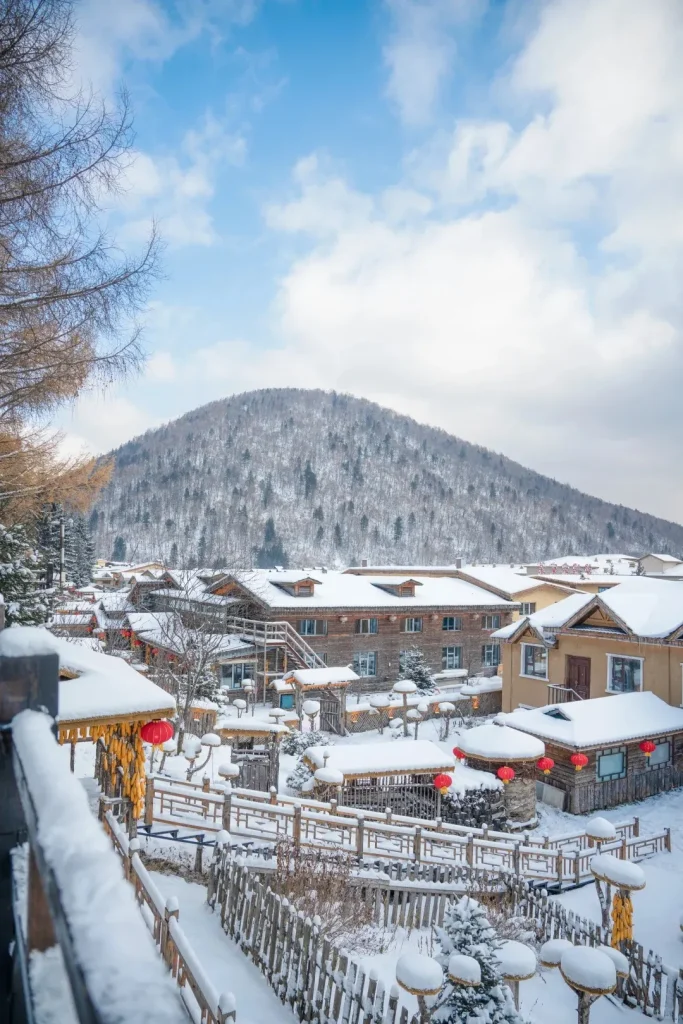
Located about 5-6 hours by bus from Harbin. This village is famous for its “mushroom snow” formations on cottage roofs.
The Reality Check: It is incredibly photogenic but essentially a massive tourist trap. Prices for food and accommodation are inflated. It is worth it for photographers, but casual travelers may find the crowds and commercialization overwhelming. Book accommodation months in advance.
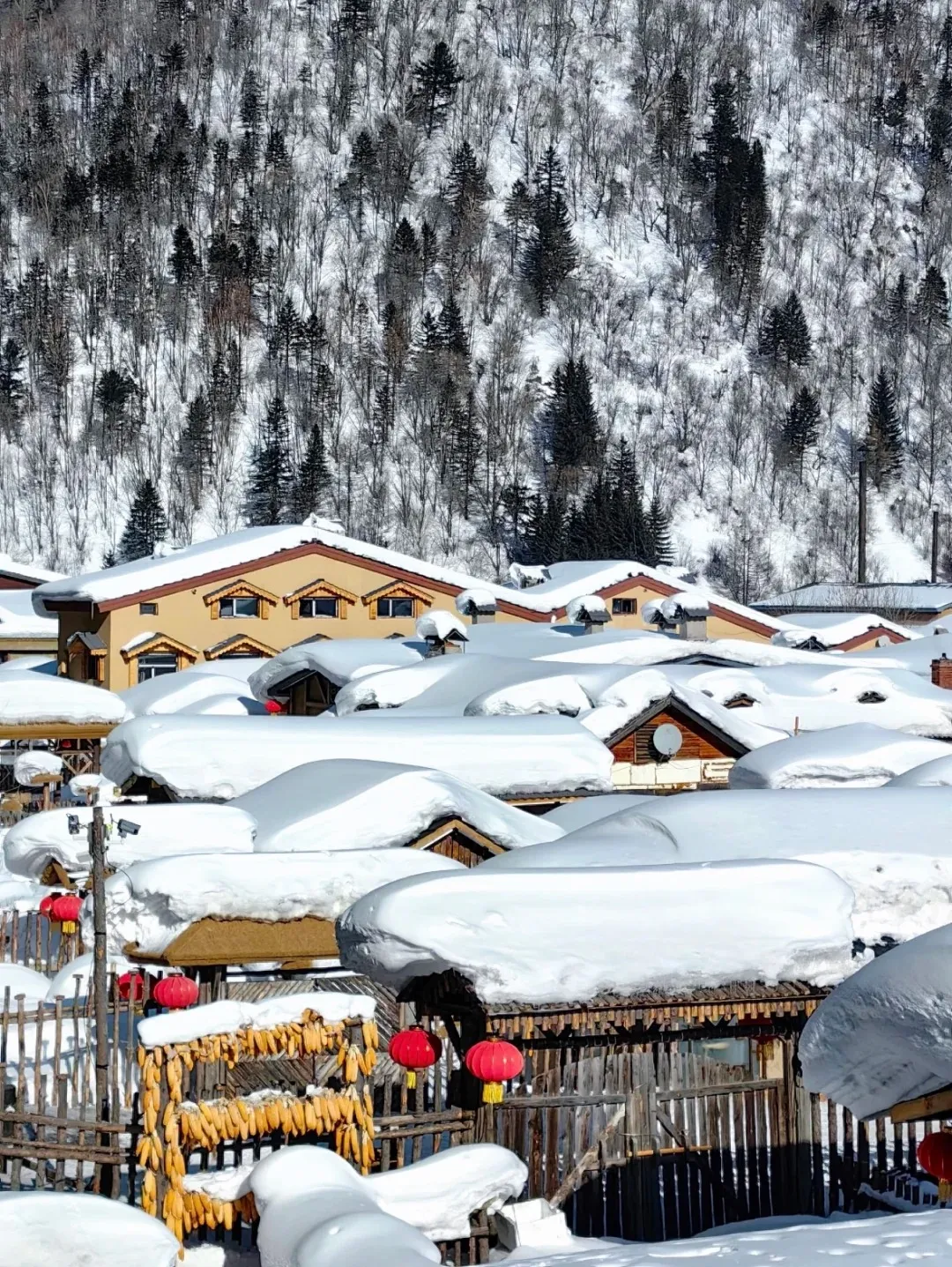
A picturesque winter view of China Snow Town (Xuexiang), featuring traditional wooden houses with roofs heavily blanketed in distinctive, thick mushroom-shaped snow piles. Vibrant red Chinese lanterns hang from the eaves and rustic wooden fences, adding a pop of color to the snowy landscape. In the foreground, a rack displays golden dried corn cobs. The charming village is nestled against a snow-covered mountain densely forested with a mix of bare deciduous and dark evergreen trees under a bright sky.
Yabuli Ski Resort
Located 3 hours by high-speed train. This is China’s largest ski resort. It hosted the Asian Winter Games. If you are a serious skier, stick to the Club Med or the official national team slopes. The smaller local slopes can be icy and have poorly maintained rental gear.