


1. Victoria Peak (The Smart Way)
If you only see one thing, this is it. The view from Victoria Peak offers a jungle-framed panorama of soaring skyscrapers and the sapphire-blue Victoria Harbour. However, most rookies make a critical error: they line up for the Peak Tram at the bottom on a Saturday afternoon.
Insider Tip: Skip the 2-hour queue at the lower terminus. Take Bus 15 from Exchange Square in Central. The ride winds up the mountain offering spectacular views that the tram misses. Once you are at the top, enjoy the view, and then take the tram down when the lines are shorter.
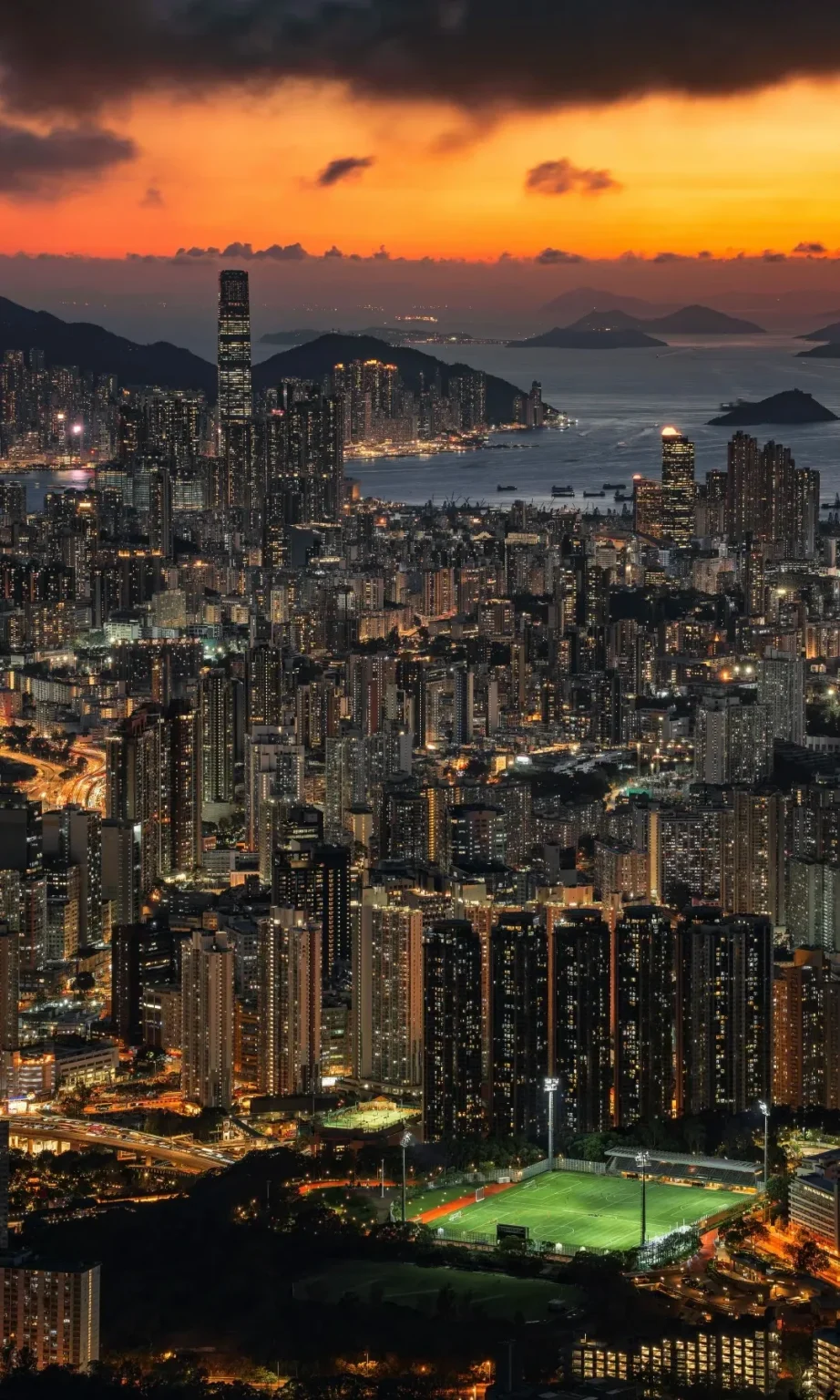
Experience the iconic Hong Kong skyline from Victoria Peak, widely considered the best vantage point for capturing the city’s mesmerizing beauty as it lights up at dusk. It’s an absolute must-do on our list of top attractions for first-time travelers.
2. The Star Ferry
In an era of high-speed rail and cross-harbor tunnels, the Star Ferry remains a charming relic of 1888. It is arguably the best value-for-money scenic cruise in the world. For roughly HK$5.00 (less than $0.70 USD), you get a 7-minute front-row seat to the city’s skyline.
Is it Worth It? Absolutely. The smell of the salty harbor air and the gentle rocking of the green-and-white vessel provide a rare moment of calm. Ride the upper deck from Tsim Sha Tsui to Central at dusk to watch the city lights flicker on.
3. Temple Street Night Market
Located in Kowloon, this is the sensory heart of the city after dark. It is loud, brash, and unapologetically touristy, but essential. Under the glow of neon signs, you will find rows of stalls selling everything from “I Love HK” t-shirts to counterfeit electronics and jade trinkets.
What to Eat: Sit at a plastic stool at a dai pai dong (open-air food stall) and order a clay pot rice or chili crab. Don’t leave without visiting the fortune tellers near the Tin Hau Temple end of the street—even if you don’t believe in it, the experience is culturally fascinating.
4. The “Ding Ding” Tram
While the MTR (subway) is efficient, the double-decker trams on Hong Kong Island are the soul of the city. They have been rattling along the northern shore since 1904. A ride costs a flat fee of HK$3.00, regardless of distance.
How to Ride: Board at the back and pay at the front when you exit. Grab a front seat on the upper deck for a cinematic view of the transition from the glitzy banks of Central to the dried seafood markets of Sheung Wan.
5. Lantau Island and the Big Buddha (Tian Tan Buddha)
Escape the urban canyon for a day trip to Lantau Island. The centerpiece is the 34-meter tall bronze Tian Tan Buddha. To get there, take the Ngong Ping 360 cable car from Tung Chung. The 25-minute ride soars over the South China Sea and lush green mountains.
Insider Warning: The cable car queues can be brutal on weekends. Book your tickets online in advance to use the designated lane. Once you arrive, be prepared to climb 268 steps to reach the base of the Buddha.
6. Tsim Sha Tsui Promenade & Avenue of Stars
This waterfront promenade offers the classic postcard angle of Hong Kong Island. It is home to the Avenue of Stars (modeled after Hollywood’s Walk of Fame), featuring the statue of Bruce Lee. While the “Symphony of Lights” show at 8:00 PM is often touted as a must-see, honestly, the lasers are underwhelming compared to the skyline itself.
Navigation Tip: Navigating the promenade and sharing photos in real-time requires reliable data. Public WiFi can be spotty outdoors.
Editor’s Pick: For seamless connectivity across Hong Kong and mainland China without changing SIM cards, we recommend Nomad.
💡 Editor’s Pick: We recommend Nomad eSIM for China because it reliably bypasses the Great Firewall with stable speeds. Use code JORICAQLKF at checkout to get $5 USD off your first data plan.
7. Man Mo Temple
Wedged between antique shops on Hollywood Road, Man Mo Temple is a tribute to the God of Literature (Man) and the God of War (Mo). Built in 1847, it is one of the oldest traditional buildings in the city.
Sensory Detail: The air here is thick with sandalwood. Giant coils of incense hang from the ceiling, burning for weeks at a time and dropping ash onto the stone floor. It provides a stark, spiritual contrast to the financial frenzy of the nearby Central district.
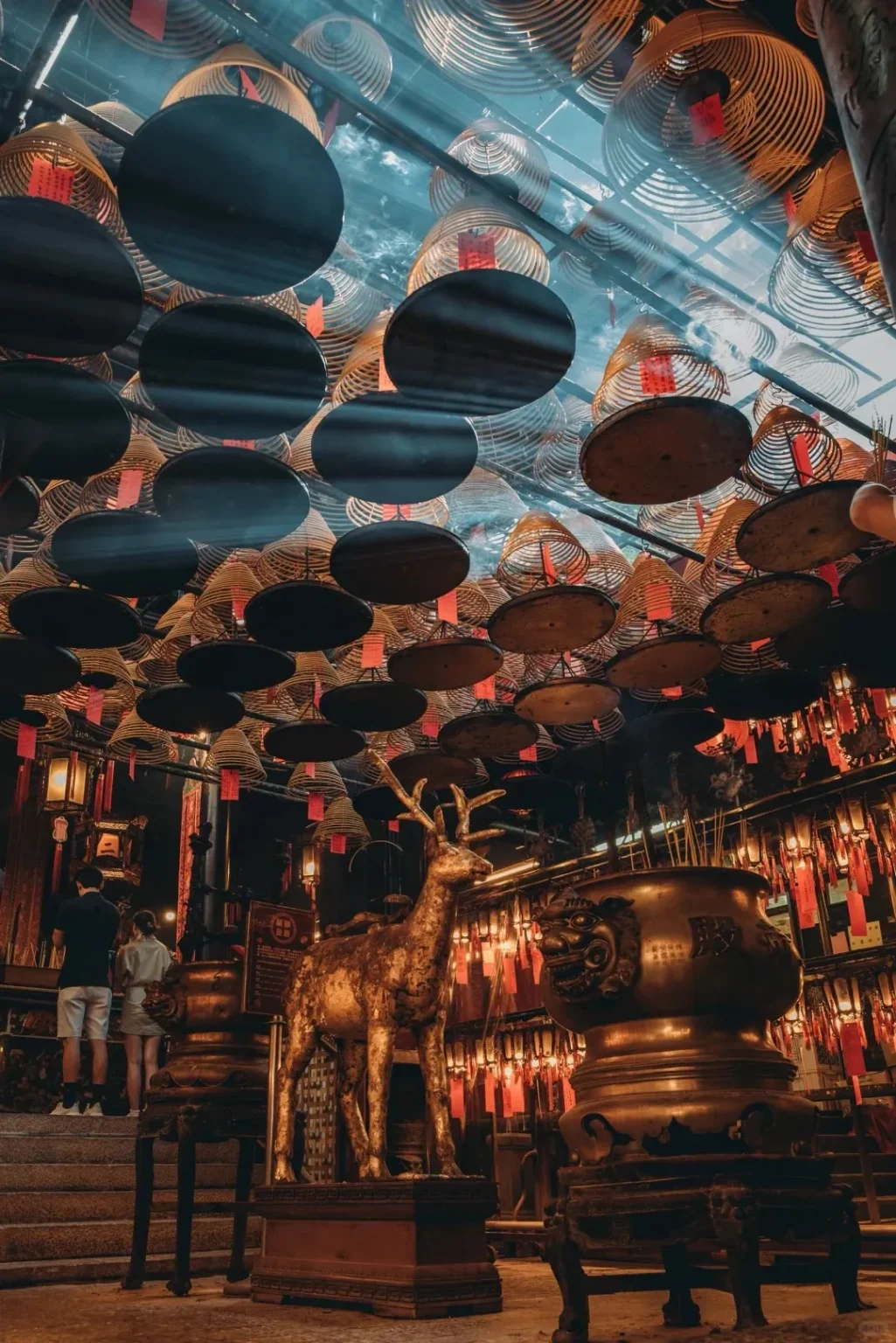
Step into the fragrant and historic Man Mo Temple, one of Hong Kong’s oldest, where giant spiraling incense coils burn for weeks, creating a mesmerizing atmosphere. It’s a truly unique sensory experience and a must-visit for first-time travelers exploring the city’s rich cultural heritage.
8. Lan Kwai Fong (LKF) and Soho
If you want to see how Hong Kong unwinds, head to the L-shaped lane of Lan Kwai Fong. This is the epicenter of expatriate nightlife. On Friday and Saturday nights, the crowds spill out of the bars and onto the streets.
Budget Hack: The drinks in LKF bars are notoriously expensive. Do as the locals and budget travelers do: buy a beer at the 7-Eleven on the corner (affectionately known as “Club 7-Eleven”) and drink it on the street while soaking up the atmosphere before heading into a club.
9. Nan Lian Garden and Chi Lin Nunnery
For a moment of Zen, take the MTR to Diamond Hill. The Chi Lin Nunnery is a stunning Tang Dynasty-style temple complex built entirely of wood without a single nail. Across the bridge is Nan Lian Garden, a meticulously landscaped public park featuring a golden pavilion and koi ponds.
Why Visit: It is surreal to see such perfectly manicured silence set against a backdrop of high-rise residential towers. It is free to enter and rarely as crowded as the other major temples.
10. The Mid-Levels Escalator
It sounds mundane—an escalator—but this is the longest outdoor covered escalator system in the world. It cuts through the steep terrain of Central, passing through the hip Soho district filled with bars, restaurants, and art galleries.
Practical Advice: The escalator runs down from 6:00 AM to 10:00 AM for commuters, and up from 10:00 AM to midnight. Don’t plan to ride it up for breakfast!