


Located in Jiangxi province, this city has produced imperial ceramics for over 1,000 years. However, the modern Jingdezhen is a fascinating collision of gritty industrialism and high-end contemporary art. From the neon-lit stalls of the Taoxichuan night market to the quiet, forested studios of Sanbao, this city offers a sensory experience unlike anywhere else in the country.
Getting There and Getting Around
Jingdezhen is far more accessible in 2026 than it was a decade ago, but it still requires some logistical planning. The city is served by the Jingdezhen North Railway Station, a major high-speed hub.
How to get to Jingdezhen:
- From Shanghai: Approx. 4 hours by high-speed train.
- From Huangshan: A quick 30-minute high-speed train ride (making it an easy add-on to a Yellow Mountain trip).
- From Wuyuan: Less than 30 minutes by train.
Navigating the City Without a Metro
Unlike Tier-1 cities, Jingdezhen does not have a subway system. The bus system can be confusing for non-Chinese speakers. Your best option is DiDi (the Chinese equivalent of Uber), which is integrated into the Alipay app. Rides are affordable, usually costing between 15–30 RMB ($2–$4 USD) for cross-town trips.
Insider Tip: Taxi drivers here rarely speak English. Have the name of your hotel and destination written in Chinese characters (Hanzi) on your phone to show the driver. Do not rely on English map apps.
Staying Connected
You will need reliable data to book rides and translate menus. Traditional roaming often fails to bypass the Great Firewall.
💡 Editor’s Pick: We recommend Nomad eSIM for China because it reliably bypasses the Great Firewall with stable speeds. Use code JORICAQLKF at checkout to get $5 USD off your first data plan.
Where to Stay: Taoxichuan vs. Sanbao
Choosing where to sleep defines your experience here. Avoid the generic hotels near the train station; they are far from the action.
- Taoxichuan (The Arts District): Stay here if you want nightlife, coffee shops, and walkability. This area is a renovated factory complex similar to Beijing’s 798 Art Zone. Hotels like the Hyatt Place or local boutique options inside the complex put you steps away from the night markets.
- Sanbao International Ceramic Valley: Stay here for a rural, retreat-like vibe. Located in the hills on the city outskirts, this area is full of artist residencies and homestays. It is quiet and scenic, but you will need a taxi to get anywhere.
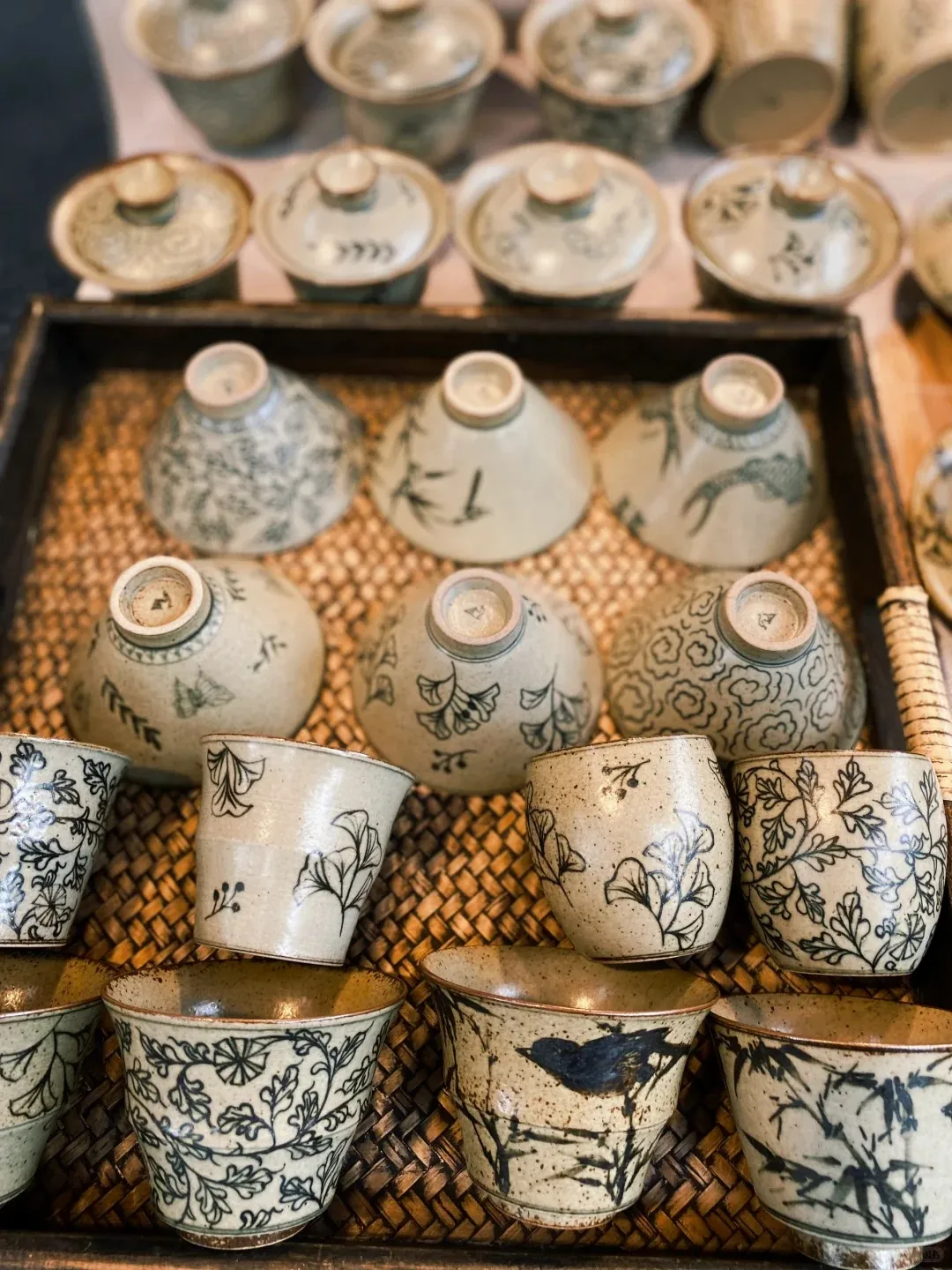
In Jingdezhen, China’s Porcelain Capital, local markets offer a vibrant showcase of artisanal craftsmanship, where unique hand-painted ceramics like these await discovery.
Must-Visit Attractions for Ceramic Lovers
1. Taoxichuan Ceramic Art Avenue
This is the crown jewel of modern Jingdezhen. Once a mid-century porcelain factory, it has been transformed into a sleek complex of galleries, museums, and shops. On Friday and Saturday nights, the Creative Market takes over the avenues. Hundreds of young artisans set up stalls selling handmade jewelry, cups, and sculptures. It is vibrant, youthful, and free to enter.
2. Imperial Kiln Museum (Taoyangli)
Located in the heart of the Old Town, this museum is an architectural masterpiece designed by Studio Zhu-Pei. The brick vaults mirror the shape of traditional kilns. It sits on the site where porcelain was made for the Emperor during the Ming and Qing dynasties. Is it worth the ticket price? Yes. The blend of archaeological ruins and modern design is world-class.
3. Sanbao Ceramic Valley
A strip of galleries, studios, and restaurants stretching into the mountains. This is where international artists come for residencies. Rent a bike or take a slow walk to visit the Sanbao Art Museum. The architecture features rammed earth walls that blend seamlessly into the red clay soil of the valley.
Shopping for Porcelain: A Buyer’s Survival Guide
You cannot visit the “Porcelain Capital” without buying ceramics, but it is easy to get ripped off or buy mass-produced goods disguised as handmade art.
The “Ghost Market”
What is the Ghost Market? It is an early-morning street market (officially the Shuguang Road Antique Market) that historically opened before dawn so traders could sell questionable goods in the dark. Today, it operates in daylight, selling shards of ancient pottery, Mao-era statues, and antiques.
Warning: Unless you are an expert appraiser, assume everything is a reproduction. Buy it because you love how it looks, not because you think it’s a Ming Dynasty original.
Shipping Goods Home
Do not try to carry a tea set in your carry-on. Look for shops that have a relationship with SF Express (Shunfeng). They are the most reliable courier in China and can crate and ship fragile items internationally. If a shop doesn’t ship, ask your hotel concierge to help you arrange an SF Express pickup.
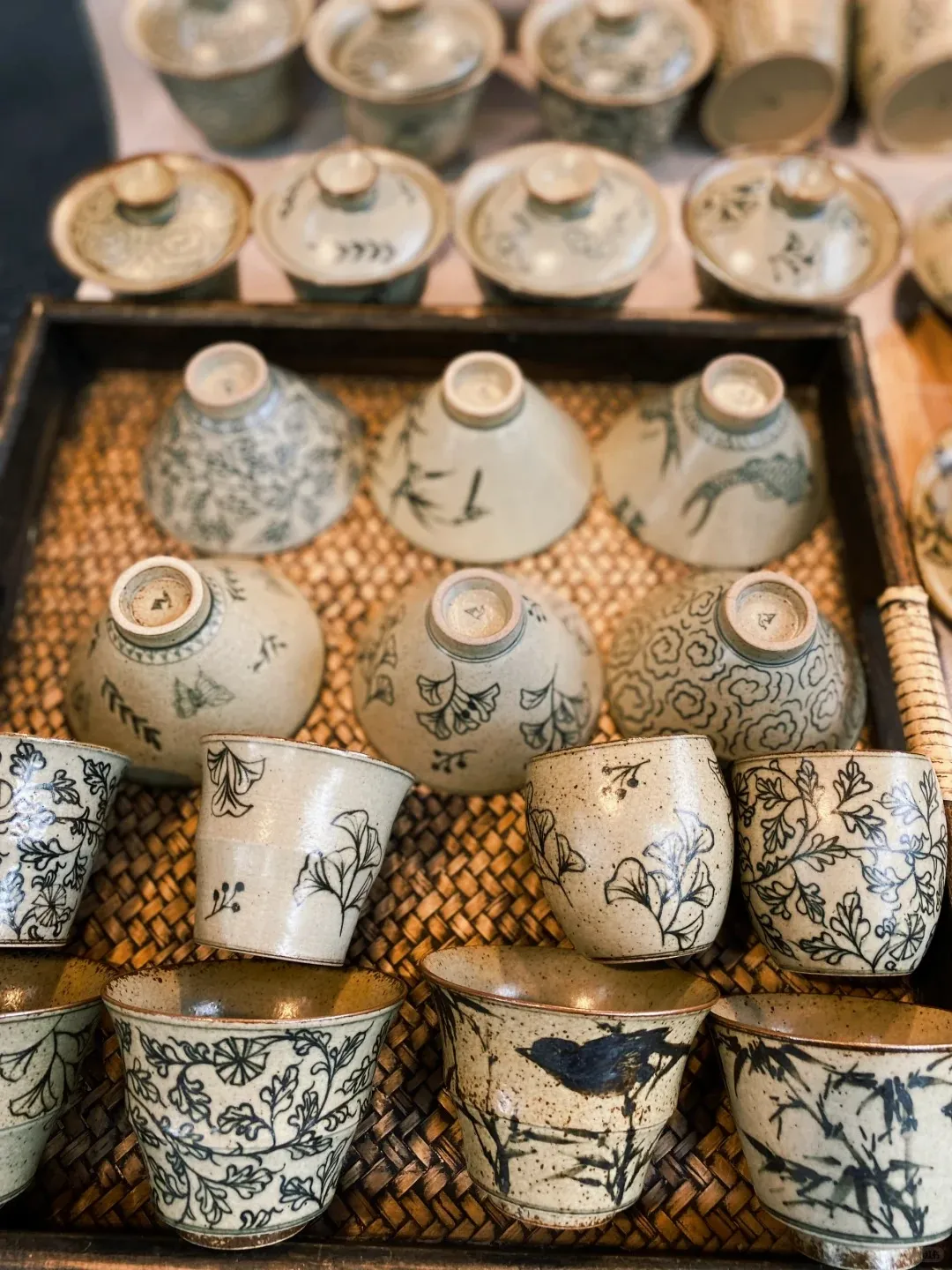
Beyond the grand museums, Jingdezhen’s streets are filled with artisans showcasing their craft. From delicate porcelain teacups to unique stoneware bowls, visitors can discover a rich variety of hand-painted ceramics, each a testament to the city’s enduring legacy as China’s Porcelain Capital.
Food in Jingdezhen: Spice Warning
Jingdezhen is in Jiangxi province, home to some of the spiciest food in China. It is distinct from the numbing spice of Sichuan; this is a fresh chili heat that hits immediately.
- Cold Noodles (Leng Fen): The classic local breakfast. Thick, udon-like rice noodles tossed in chili oil, pickled vegetables, and orange peel. It is cheap, spicy, and chewy.
- Porcelain Simmered Chicken: Chicken slow-cooked in a ceramic pot until it falls off the bone.
- Street Snacks: Look for Lye Cake (Jianbing) and dumpling cakes at the markets.
Restaurant Recommendation: For an authentic experience, try Mao Zai for local snacks. If you cannot handle spice, be sure to tell the waiter “bu yao la” (I don’t want spice), though in Jiangxi, “no spice” often still means a little spice.