


Logistics: Mastering the China High-Speed Rail
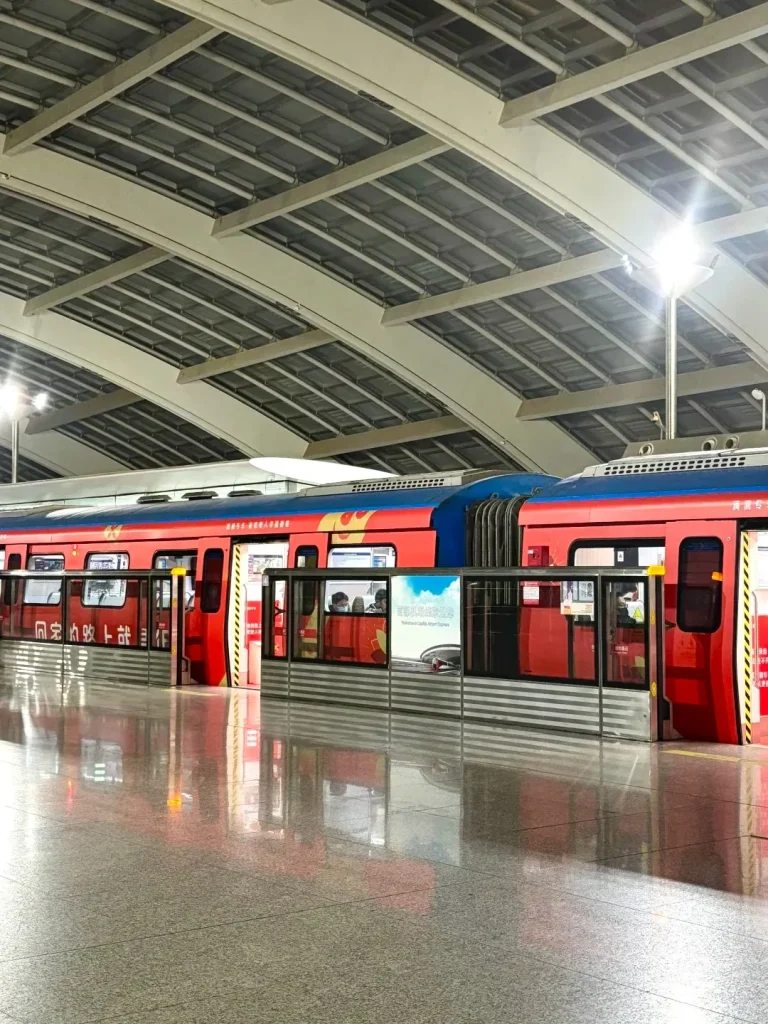
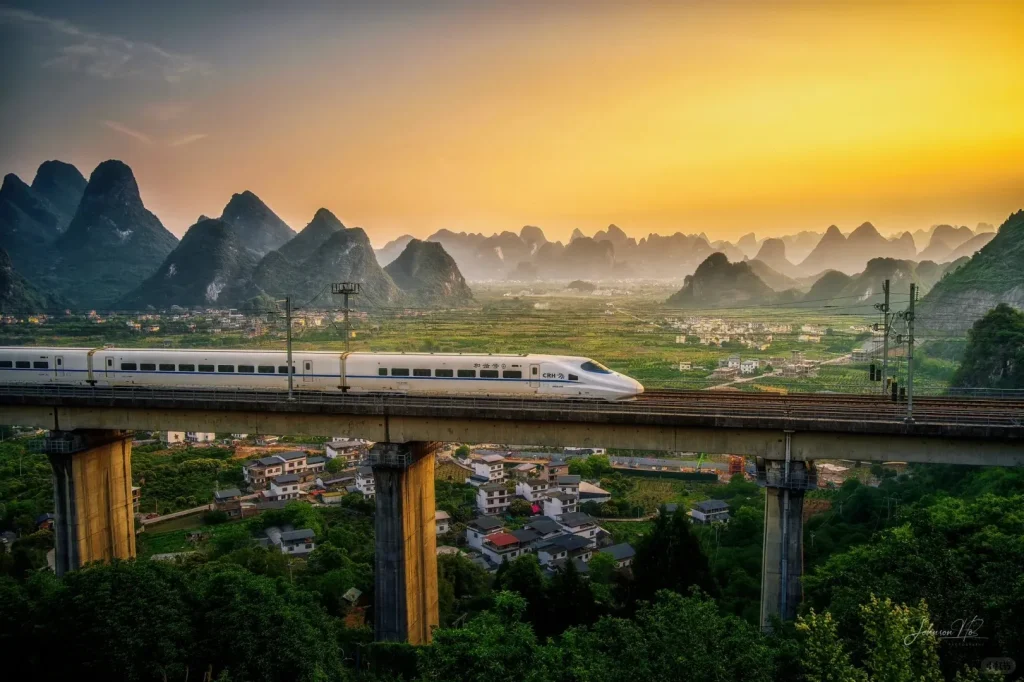
Before you pick a destination, you need to master the logistics. The Chinese rail system is punctual and clean, but the stations are massive—often resembling airports more than train depots.
How to Buy Train Tickets
Do not go to the station to buy tickets on the day of travel. Routes to Suzhou and Hangzhou sell out days in advance.
- For Tourists: Use the Trip.com app. It charges a small service fee but offers excellent English support and accepts international credit cards.
- For Expats/Pros: Use the official Railway 12306 app (English version available) or the “Railway 12306” mini-program inside Alipay. This avoids service fees.
What is the 144-Hour Visa-Free Transit?
Definition: This policy allows travelers from 54 countries to enter specific regions of China (like the Shanghai-Jiangsu-Zhejiang triangle) for up to 6 days without a visa, provided they hold a confirmed ticket to a third country. You can freely take the train between Shanghai, Suzhou, and Hangzhou under this policy.
Navigating the Station: A Critical Warning
Unlike Europe, you cannot hop on a train 5 minutes before departure. You must go through security and passport control.
Insider Tip: Look for the “Manual Channel” or “Staff Passage” at the ID check gates. Automatic gates only work for Chinese ID cards. If you stand in the automatic line, you will be sent back to the end of the manual line, potentially missing your train.
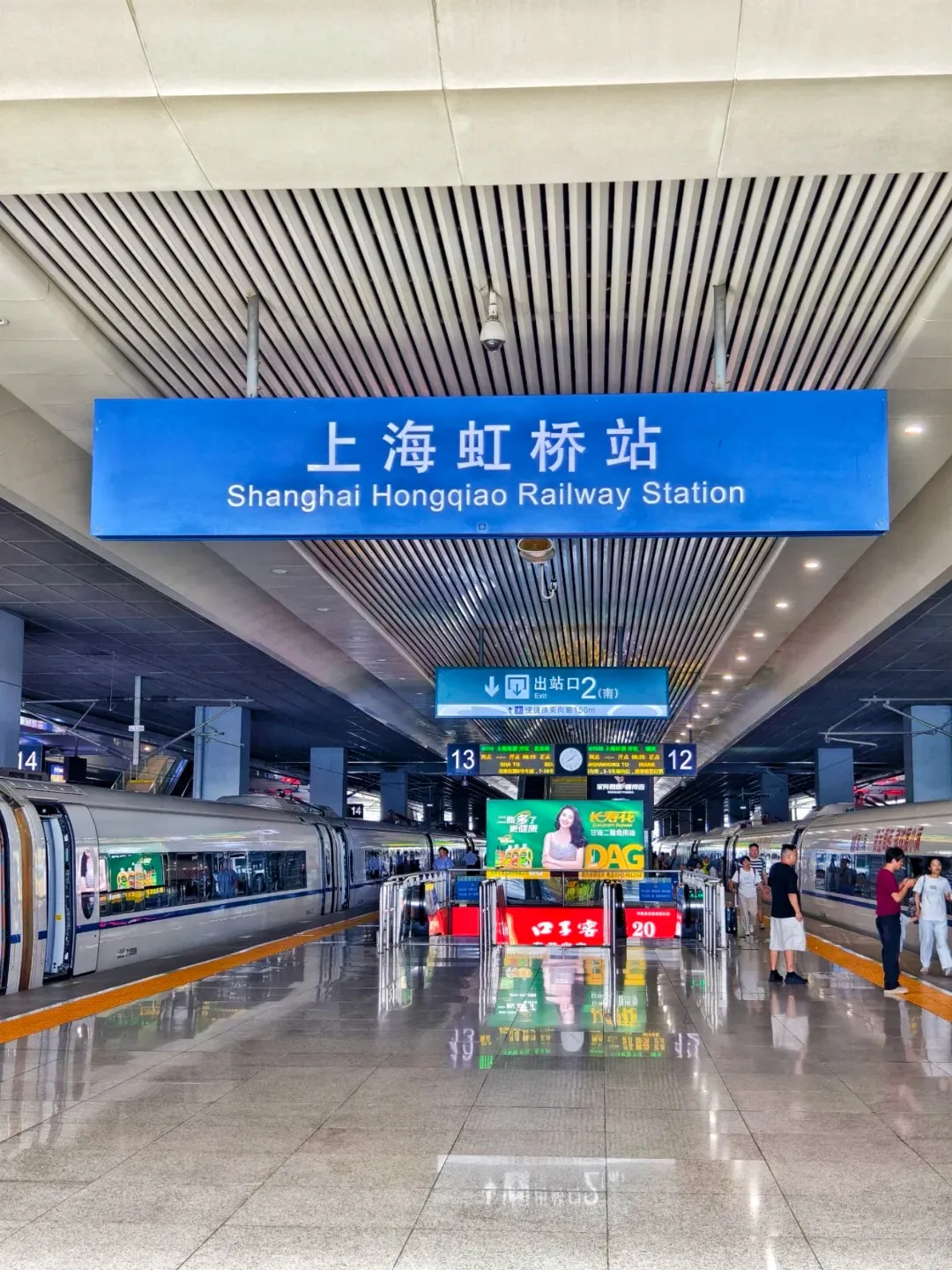
Shanghai Hongqiao Railway Station, a modern transport hub, is your gateway to exploring enchanting destinations. Hop on a high-speed train from here for convenient day trips to picturesque Suzhou, historic Hangzhou, and other hidden gems just hours away.
Option 1: Suzhou – The “Venice of the East”
Travel Time: 25–35 minutes
Cost: Approx. 40 CNY ($6 USD) one way
Which Station?
This is the most common mistake travelers make. You must book tickets to Suzhou Railway Station (Suzhou). Do NOT book tickets to Suzhou North (Suzhoubei) unless you want a 40-minute taxi ride just to get to the city center.
The Itinerary
Suzhou is famous for its UNESCO Classical Gardens. However, the famous Humble Administrator’s Garden is often so crowded that you cannot see the scenery for the selfie sticks.
The Contrarian Approach: Skip the Humble Administrator’s Garden. Instead, visit the Master of the Nets Garden. It is smaller, more intricate, and significantly quieter. It captures the essence of a scholar’s retreat better than the larger parks.
Walking Route
- Arrive at Suzhou Railway Station.
- Take a taxi or Metro Line 4 to the Master of the Nets Garden.
- Walk north to Pingjiang Road. This is an ancient canal street. While touristy, the side alleys (hutongs) are authentic.
- Sensory Detail: Stop at a teahouse to hear Pingtan (traditional storytelling/singing). It costs about 50 CNY for tea, and even if you don’t understand the dialect, the plucking of the lute against the canal backdrop is mesmerizing.
Option 2: Hangzhou – West Lake and Tea Culture
Travel Time: 45–60 minutes
Cost: Approx. 73 CNY ($10 USD) one way
Which Station?
Target Hangzhou East Railway Station (Hangzhoudong). It is the primary hub. From there, take Metro Line 1 directly to “Longxiangqiao” station, which drops you 200 meters from West Lake.
The Experience
Hangzhou is described by Marco Polo as the finest city in the world. The centerpiece is West Lake. It is massive. Do not attempt to walk the entire circumference in a day.
Insider Tip: Avoid the broken bridge area on weekends; it becomes a wall of people. Instead, take a taxi directly to Meijiawu Tea Village in the hills southwest of the lake.
Tea Culture at Meijiawu
Here, you can sit in a farmer’s courtyard surrounded by terraced tea fields. Order a glass of Longjing (Dragon Well) Tea. It will cost more here (approx. 60-80 CNY per glass) than in a city shop, but you are paying for the view and the freshness. The shrimp cooked with Longjing tea leaves is a must-try local dish.
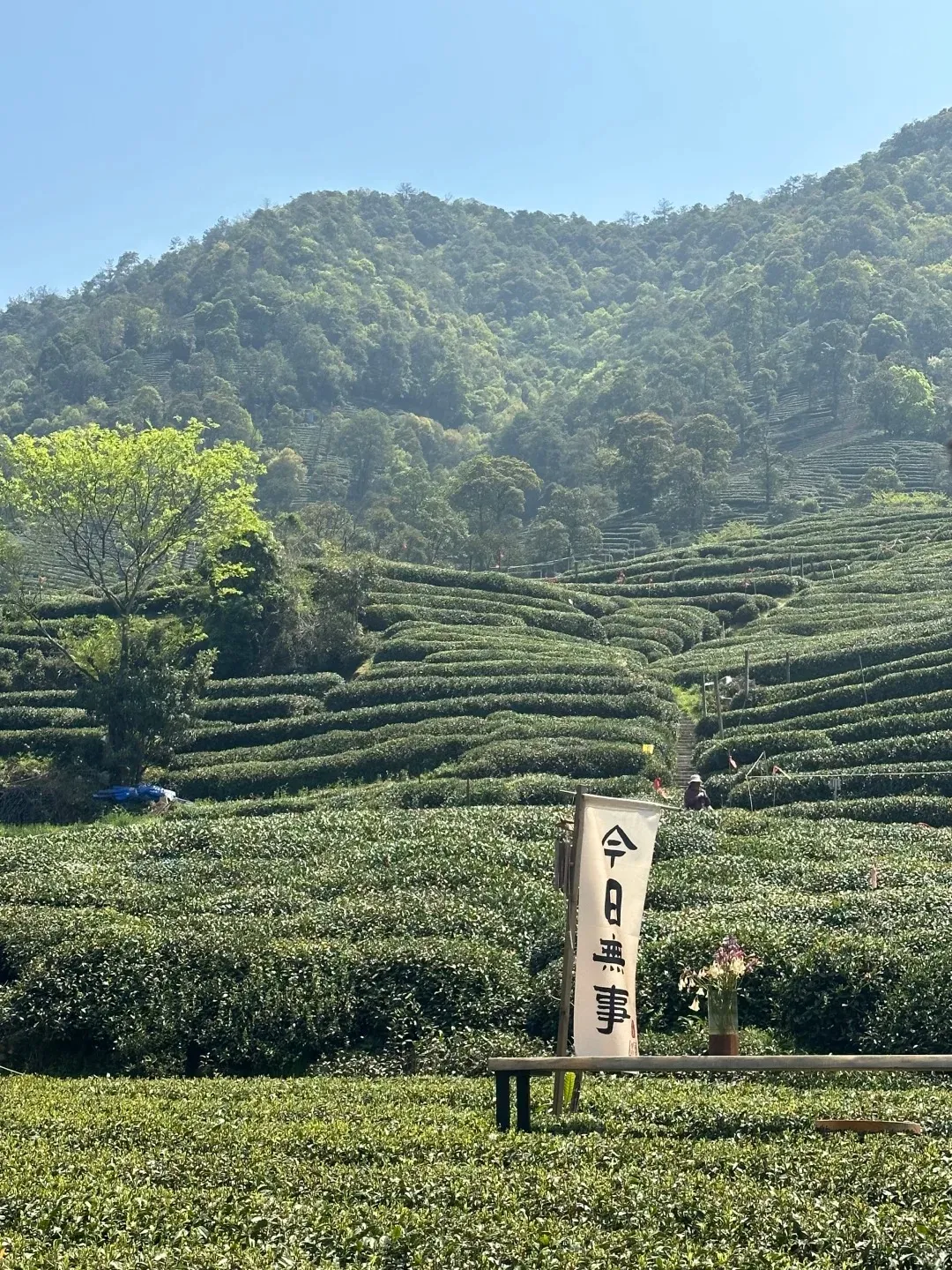
Find your calm in Hangzhou’s Meijiawu Tea Village, a quintessential high-speed rail day trip from Shanghai. This peaceful tea plantation, where a sign declares ‘今日無事’ (Today, no special business), offers a serene escape and a taste of local culture.
Option 3: The Hidden Gem – Shaoxing
Travel Time: 1 hour 15 minutes
Cost: Approx. 90 CNY ($13 USD) one way
If Suzhou and Hangzhou feel too commercialized, Shaoxing is your answer. It is accessible via the same high-speed line (often the stop after Hangzhou).
Why Go?
Shaoxing is the actual “Venice” experience people look for. It is the birthplace of Lu Xun (China’s most famous modern writer) and the home of Yellow Wine (Huangjiu).
You can ride the black-awning boats here for a fraction of the price of the gondolas in Venice or the tourist traps in Shanghai’s Zhujiajiao. The canals are lined with locals washing clothes and drying fish, offering a gritty, authentic glimpse into river life that has largely vanished from the bigger cities.
How to Plan a 3-Day Side Trip
If you have time to stay overnight, don’t return to Shanghai every evening. Use this loop to save time:
- Day 1: Train Shanghai to Suzhou. Store bags at the station or hotel. Explore gardens. Sleep in Suzhou.
- Day 2: Morning train Suzhou to Hangzhou (approx. 1.5 hours). Visit West Lake and stay for the Impression West Lake light show. Sleep in Hangzhou.
- Day 3: Morning tea in the hills. Afternoon high-speed train back to Shanghai Hongqiao (45 mins) to catch your flight or return to the Bund.