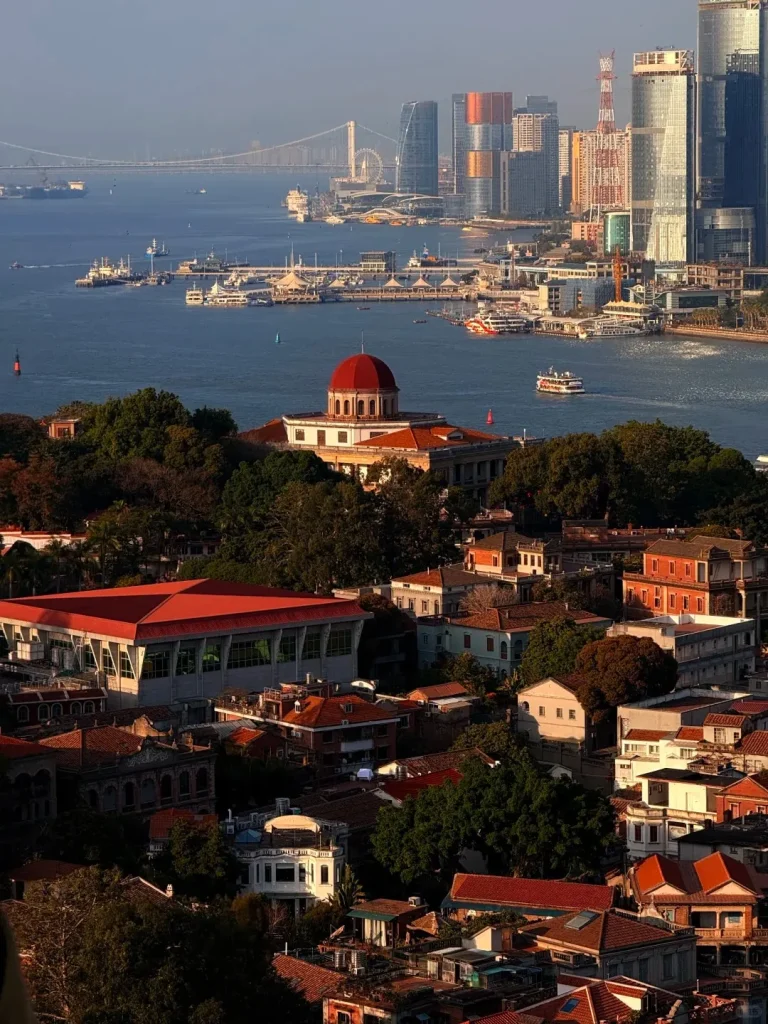



Getting Connected: The Prerequisite
Before you even step foot in a station, you need to ensure your phone is ready. In 2026, buying single-journey plastic tokens at a kiosk is possible but time-consuming and frustrating. To use the metro like a local, you need reliable mobile data to access payment apps and maps.
What is the Great Firewall?
The Great Firewall is China’s internet censorship system that blocks apps like Google Maps, Instagram, and WhatsApp. To bypass this and access western apps while in Shanghai, travelers must use a VPN or a specific travel eSIM.
💡 Editor’s Pick: We recommend Nomad eSIM for China because it reliably bypasses the Great Firewall with stable speeds. Use code JORICAQLKF at checkout to get $5 USD off your first data plan.
How to Pay for Your Ride
Gone are the days of fumbling for coins. While ticket machines with English interfaces still exist at every station, they often reject foreign credit cards. Here are the three best ways to pay:
1. Alipay or WeChat (The Local Way)
This is the gold standard. Inside the Alipay app, select “Transport” and choose “Shanghai.” This generates a Metro QR code. You simply hold your phone screen under the scanner at the turnstile gate. It scans instantly—even faster than a physical card. The fare is automatically deducted from your linked credit card or balance.
2. The Shanghai Public Transportation Card (The Physical Option)
If you prefer a physical backup, you can buy a stored-value card at service centers in major stations (like People’s Square or the Airport). A 20 RMB deposit is required. These cards work on the metro, buses, ferries, and even taxis. They are great souvenirs, but topping them up usually requires cash if you don’t have the apps.
3. Metro Daduhui (Metropolis) App
This is the official app of the Shanghai Metro. It allows you to link foreign credit cards (Visa/Mastercard) directly without going through Alipay. However, the user interface can sometimes be glitchy compared to the seamless experience of Alipay.
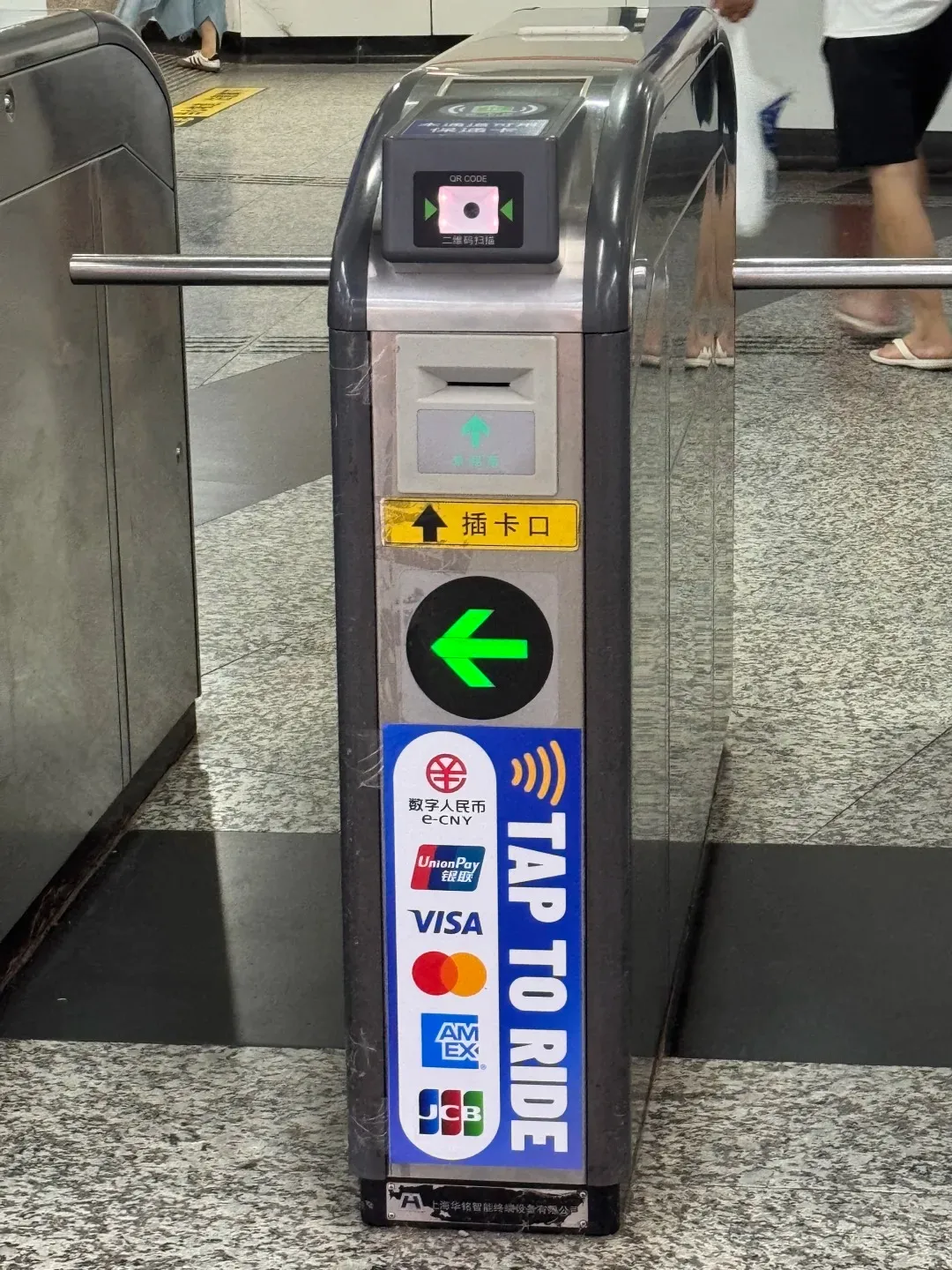
Mastering the Shanghai Metro means understanding its modern payment systems. From a quick QR code scan on your phone to a simple tap with your international credit card like Visa or Mastercard, these advanced turnstiles make navigating the city accessible and efficient for everyone.
Navigating the Network: Key Lines for Travelers
With over 20 lines weaving through the city, the map looks like a bowl of spaghetti. However, as a tourist, you will likely spend 90% of your time on just three or four lines.
- Line 2 (Green Line): The tourist spine. It connects Hongqiao Airport/Train Station in the west to Pudong Airport in the east. It hits all the major spots: Jing’an Temple, People’s Square, East Nanjing Road (The Bund), and Lujiazui (Skyscrapers).
- Line 10 (Lilac Line): The culture line. Use this to get to Yu Garden (Old City), Xintiandi (French Concession dining), and the Shanghai Zoo.
- Line 17 (Brown Line): The water town route. This line takes you directly to Zhujiajiao Water Town, a must-visit ancient suburb, without needing a bus transfer.
- The Maglev: While not technically a metro line, this magnetic levitation train connects Pudong Airport to Longyang Road station (Line 2/7). It hits speeds of 431 km/h (268 mph). It turns a 45-minute taxi ride into an 8-minute flight on land.
Insider Tips: What to Know Before You Go
Riding the metro in Shanghai is a sensory experience. Here is what the guidebooks usually don’t tell you about the reality of the commute.
The “Bag Check” Bottleneck
Unlike subway systems in New York or London, every single entry point has security. You must put your bag through an X-ray scanner. If you have a water bottle, security may ask you to take a sip to prove it is not gasoline. Pro Tip: If you are carrying a small purse or no bag, look for the “No Bag” lane (usually the middle lane) to breeze past the scanners.
Avoid “People’s Square” at Rush Hour
People’s Square is the intersection of Lines 1, 2, and 8. Between 8:00 AM and 9:30 AM, and 5:30 PM and 7:00 PM, the crush of humanity is overwhelming. Station staff (often with megaphones) will physically direct flow. If you are claustrophobic, plan your route to transfer at quieter stations like South Shaanxi Road or Century Avenue during these times.
The “Exit Number” Rule
Shanghai stations are massive underground complexes. East Nanjing Road station, for example, stretches for blocks. If you exit via Exit 1, you might be at the Bund. If you take Exit 4, you are inside a department store three blocks away. When meeting friends or looking up a hotel, always ask: “Which Exit number?” Do not just ask for the station name.
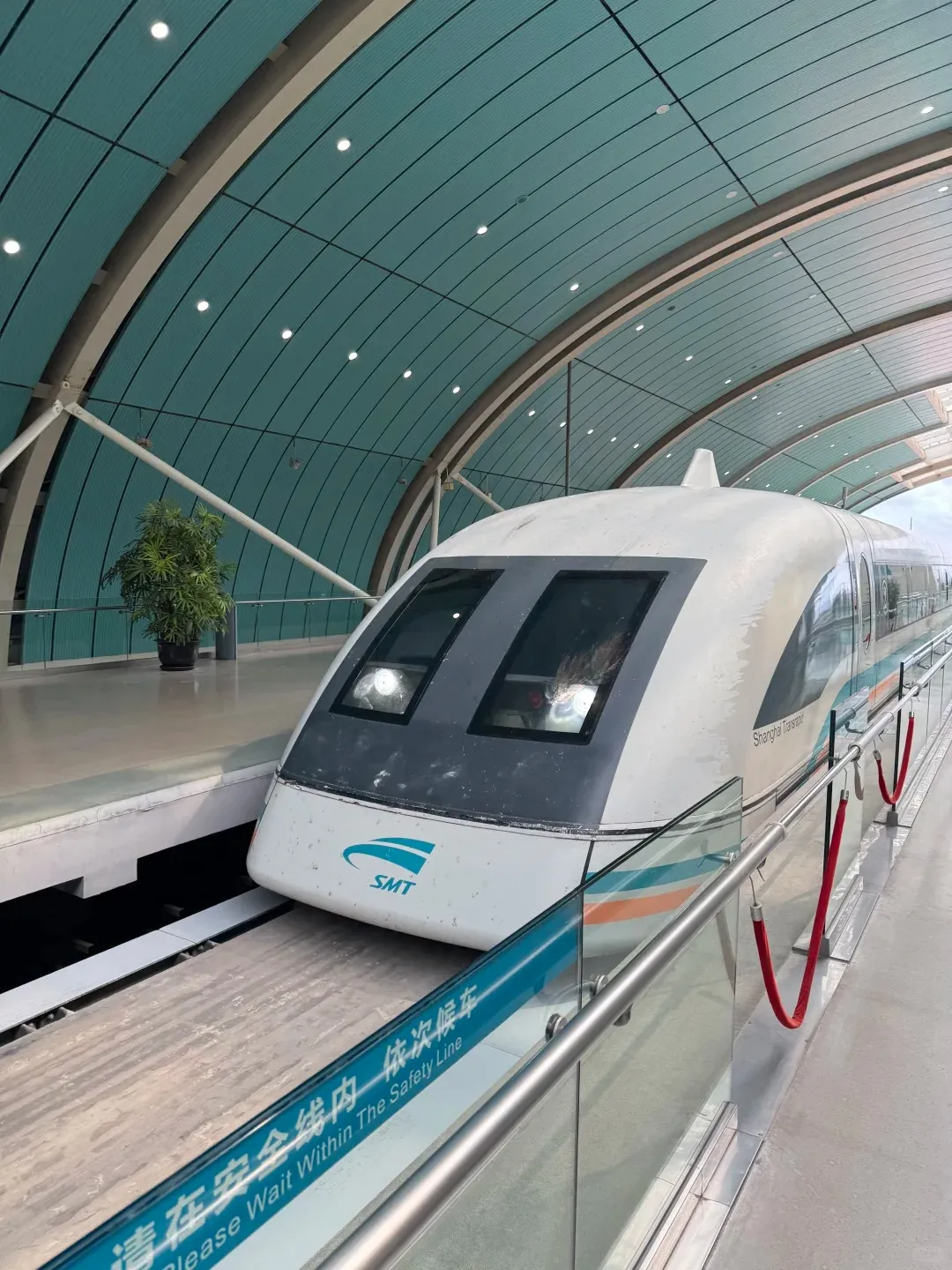
While the metro is your daily guide, for a truly unique Shanghai travel experience, consider a ride on the Maglev. This high-speed magnetic levitation train offers an exhilarating 431 km/h journey from Pudong International Airport, showcasing the city’s innovative transport network.
Getting to the Airports
Pudong International Airport (PVG)
You have two rail options. The Maglev is the fastest experience, costing 50 RMB (40 RMB if you show a flight ticket). However, it drops you at Longyang Road, where you must transfer to the metro to reach downtown. Alternatively, Line 2 goes all the way to the airport but takes over an hour from the city center and can be crowded with luggage.
Hongqiao Airport (SHA) & Railway Station
Hongqiao is much closer to the city center. Line 2 and Line 10 service both Terminal 1 and Terminal 2. Note that the walk from the subway drop-off to the High-Speed Railway departure hall at Hongqiao is long—allow at least 20 minutes just for walking inside the station.