


The Golden Rule: Tibet Travel Permits
Before booking any tickets, you must understand the regulatory landscape. You cannot simply show up at a train station or airport with your passport.
What is the Tibet Travel Permit?
The Tibet Travel Permit (TTP) is an official document issued by the Tibet Tourism Bureau that allows foreign passport holders to enter the Tibet Autonomous Region. It is separate from your Chinese Visa. You cannot apply for this yourself; it must be processed by a registered tour operator in China as part of a booked itinerary.
Mistake to Avoid: Do not list “Tibet” on your initial Chinese tourist visa application at the embassy in your home country. This often triggers a demand for a permit you don’t have yet, causing delays. Apply for a standard China tourist visa (L Visa) first, then send a copy to your tour operator to handle the TTP.
Option 1: Flying to Tibet (The Fastest Route)
Flying is the most reliable method for reaching Lhasa Gonggar Airport (LXA), which is located about an hour’s drive from downtown Lhasa. While direct flights exist from major cities like Beijing and Xi’an, the schedules are often less convenient than connecting through Sichuan.
Why Chengdu is the Best Gateway
Chengdu is the primary aviation hub for the Tibetan Plateau. According to recent flight schedules, there are over 10 daily departures starting as early as 6:00 AM. The flight time is short—roughly 2 hours and 20 minutes—minimizing travel fatigue.
Practical Pricing: Expect one-way economy tickets from Chengdu to cost between ¥1,600 and ¥2,000 ($220–$280 USD). Discounts of 30% are common in the shoulder season (April/May), but prices peak in July and August.
The “Insider” Strategy for Acclimatization
A common myth is that flying causes immediate, severe altitude sickness compared to the train. While the jump to 3,650 meters (11,975 ft) is abrupt, flying allows you to arrive at your hotel in Lhasa by early afternoon. This gives you 12+ hours of rest in a comfortable bed before your first full day. Train passengers often arrive exhausted and dehydrated, which exacerbates altitude symptoms.
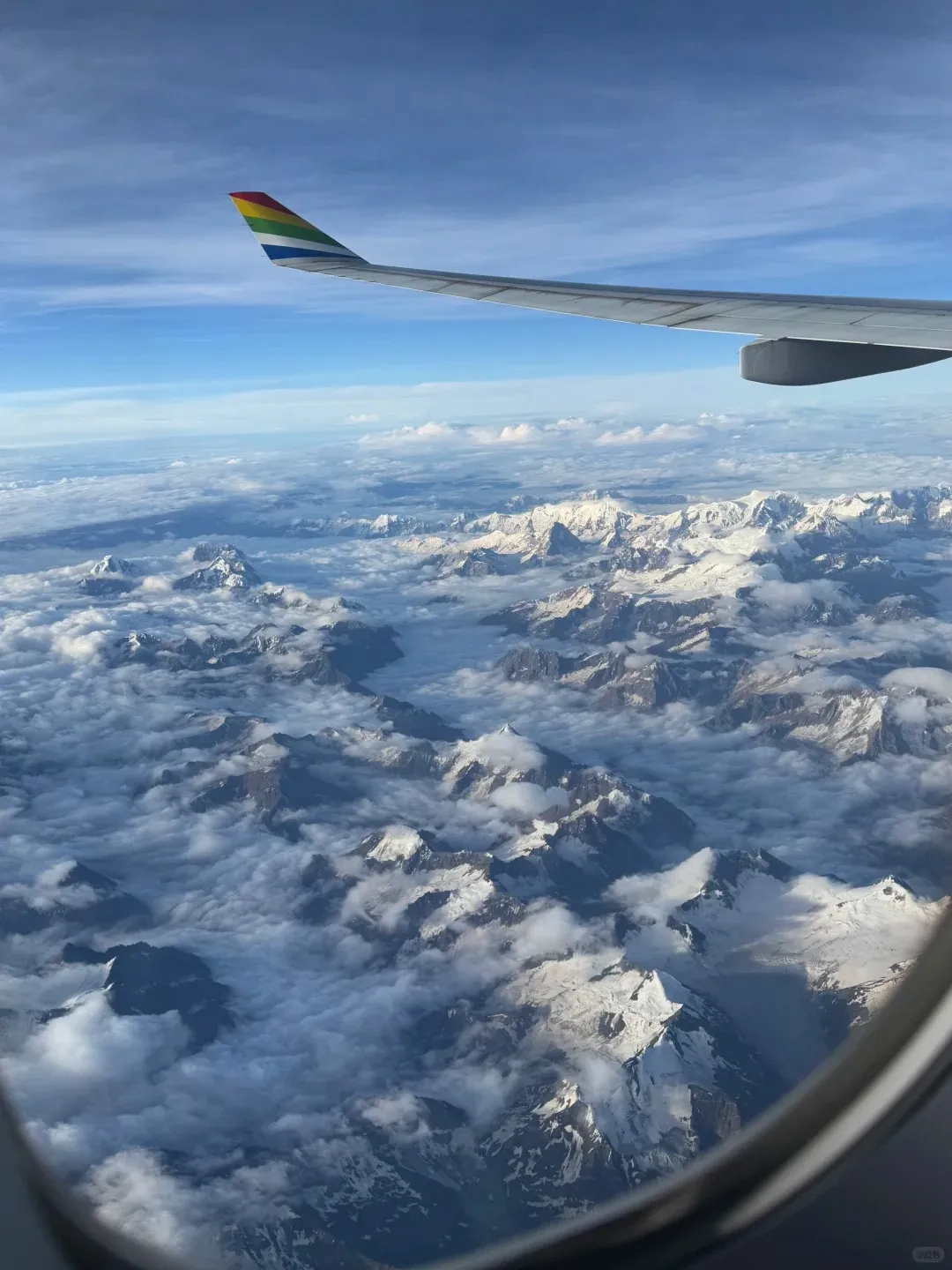
Witness the awe-inspiring scale of the Himalayan range as your flight brings you closer to Tibet. Air travel provides unparalleled panoramic views, a breathtaking start to any journey to the ‘Roof of the World’.
Option 2: The Qinghai–Tibet Railway (The Scenic Route)
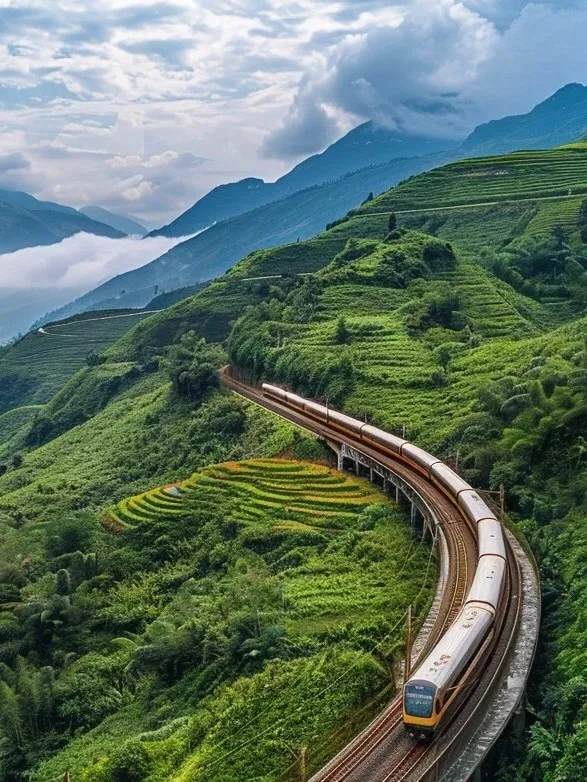
The train journey is an engineering marvel, reaching a staggering altitude of 5,072 meters (16,640 ft) at the Tanggula Pass. It connects Lhasa with major cities like Beijing, Shanghai, and Guangzhou, but the best place to board is Xining.
Why Start from Xining?
Starting in Beijing or Shanghai results in a grueling 40+ hour journey. Xining, the capital of Qinghai province, is the official start of the high-altitude track. The journey from Xining to Lhasa takes approximately 21 hours. This ensures you see the best scenery—the Kekexili Nature Reserve and Qinghai Lake—during daylight hours.
Hard Truths About the Train Experience
While romanticized, the train is not a luxury experience. Here is the reality of the Z-trains:
- Crowds and Noise: The train is often packed. Even in Soft Sleeper (4 berths per cabin), privacy is limited.
- Hygiene: Toilets are squat-style and can become unhygienic after the first few hours. Bring your own toilet paper and hand sanitizer.
- Oxygen Supply: The train pumps oxygen into the cabins after passing Golmud, and personal outlets are available. However, the air is still thin, and many passengers struggle to sleep.
Booking Tip: Tickets for Soft Sleepers sell out minutes after release on the official 12306 platform. You must rely on your tour agency to secure these tickets, often with a service fee attached.
Option 3: Overland Routes (The Adventure Choice)
Driving to Tibet offers a gradual ascent and an up-close look at the shifting landscapes, but it is strictly regulated.
From Kathmandu, Nepal
This is the only international overland route currently open to tourists, entering Tibet via the Kyirong Port. This route is popular for those finishing a trek in Nepal.
The Visa Complication: Entering from Nepal requires a “Group Tourist Visa” from the Chinese Embassy in Kathmandu. This cancels any existing Chinese visa you have in your passport. You must arrive in Kathmandu at least 3 working days before your trip to process this.
The Sichuan-Tibet Highway (G318)
Known as one of the world’s most dangerous and beautiful roads, the G318 from Chengdu to Lhasa is legendary. However, for foreign passport holders, this route is politically sensitive. It is frequently closed to foreigners due to safety concerns in the Chamdo region. If open, it requires a robust 4WD vehicle, a dedicated guide, and roughly 7–9 days of travel. Always check the current status with us before setting your heart on this route.
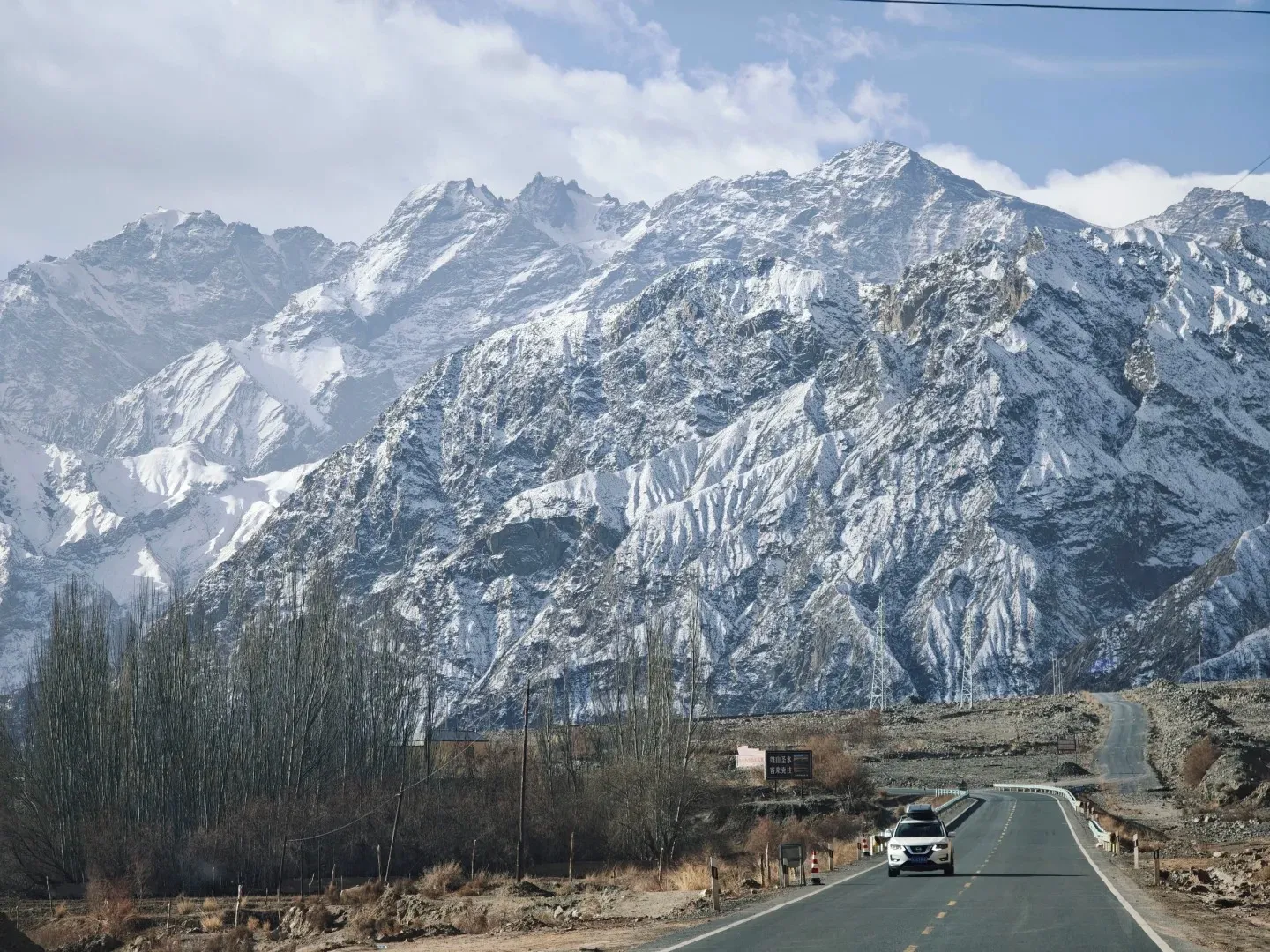
Embark on an epic overland journey along routes like the Friendship Highway, where stunning snow-capped mountains and dramatic vistas like this unfold at every turn on your way to Tibet.
Navigating Altitude Sickness
Regardless of how you get to Tibet, altitude sickness (AMS) is a reality. Lhasa sits at 3,650 meters.
- Medication: Consult your doctor about Diamox (Acetazolamide) before you travel.
- The First 24 Hours: Do not shower on your first night (to avoid catching a cold, which complicates AMS). Do not drink alcohol. Walk slower than you think is necessary.
- Hydration: The air is incredibly dry. Drink 3–4 liters of water daily.