


Whether you dream of seeing the Potala Palace or trekking Mount Kailash, understanding the paperwork is the first step. This guide breaks down exactly how to secure your Tibet Permits Explained: Tourist Permit, Aliens Travel Permit & More, ensuring you don’t get turned away at the airport check-in counter.
What is the Tibet Tourism Bureau (TTB) Permit?
The TTB Permit (often called the “Tibet Visa”) is the primary document required to enter the Tibet Autonomous Region (TAR). It is not a stamp in your passport. It is a separate, two-page official document listing the names of your tour group and your itinerary.
You cannot apply for this yourself. Only a registered travel agency in Lhasa can submit the application on your behalf. You will need to present this physical document to board any flight to Lhasa, or a photocopy to board the train.
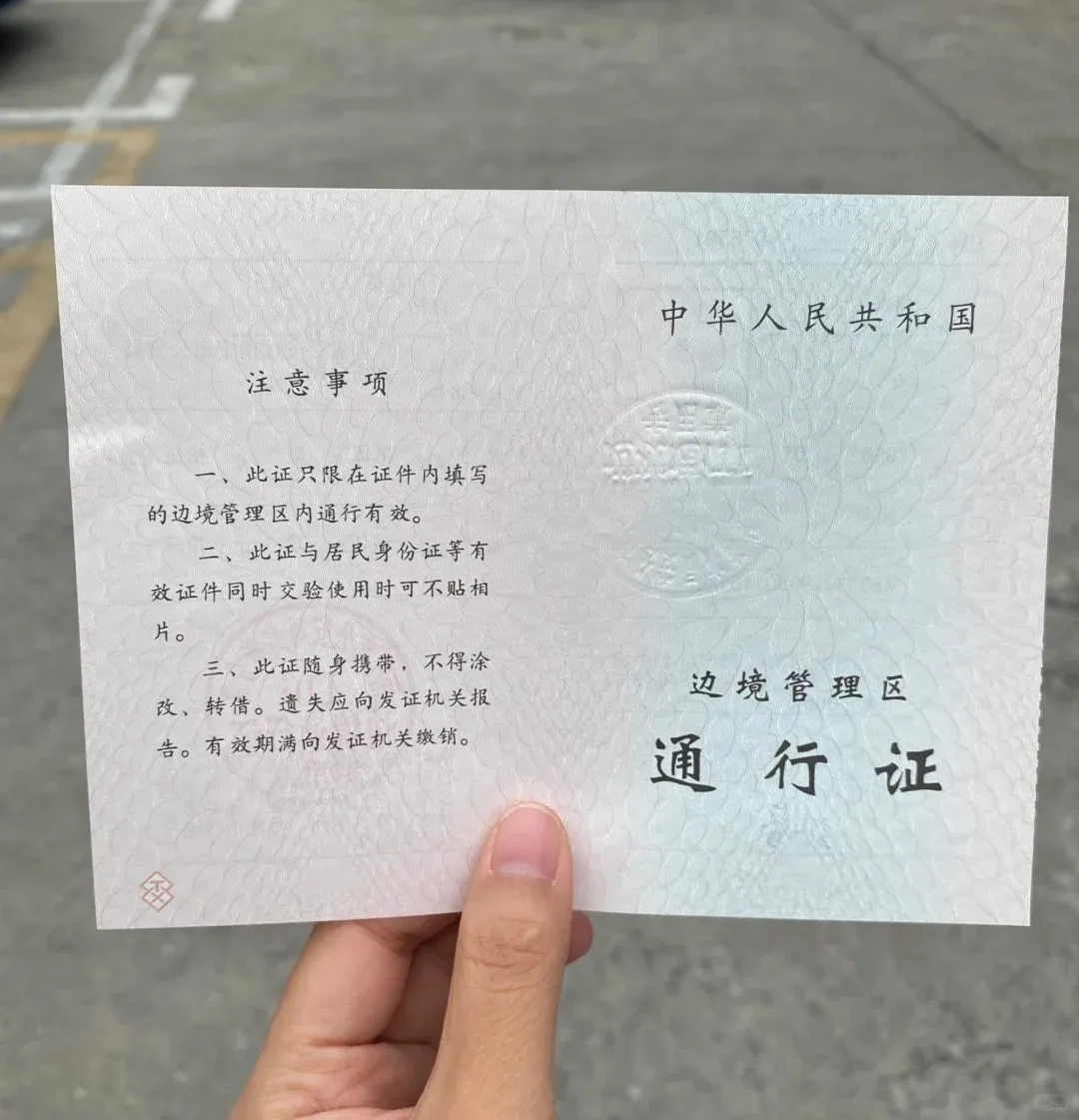
A close-up of a hand holding an official light blue-green ‘Border Management Area Pass’ (边境管理区 通行证) issued by the People’s Republic of China. The document features an embossed seal in the center, the title ‘中华人民共和国’ (People’s Republic of China) at the top right, and ‘注意事项’ (Notes/Precautions) on the left side, detailing its usage for specific border regions.
The 3 Types of Permits You Need
Most travelers are surprised to learn that getting into Lhasa is only half the battle. Depending on your itinerary, you may need up to three different documents.
1. Tibet Tourism Bureau (TTB) Permit
- Required for: Entry into Lhasa and the entire Tibet region.
- Who applies: Your tour agency, prior to your arrival.
- When you get it: Mailed to your hotel in mainland China (e.g., Chengdu, Beijing) before your flight to Tibet.
2. Aliens’ Travel Permit (ATP)
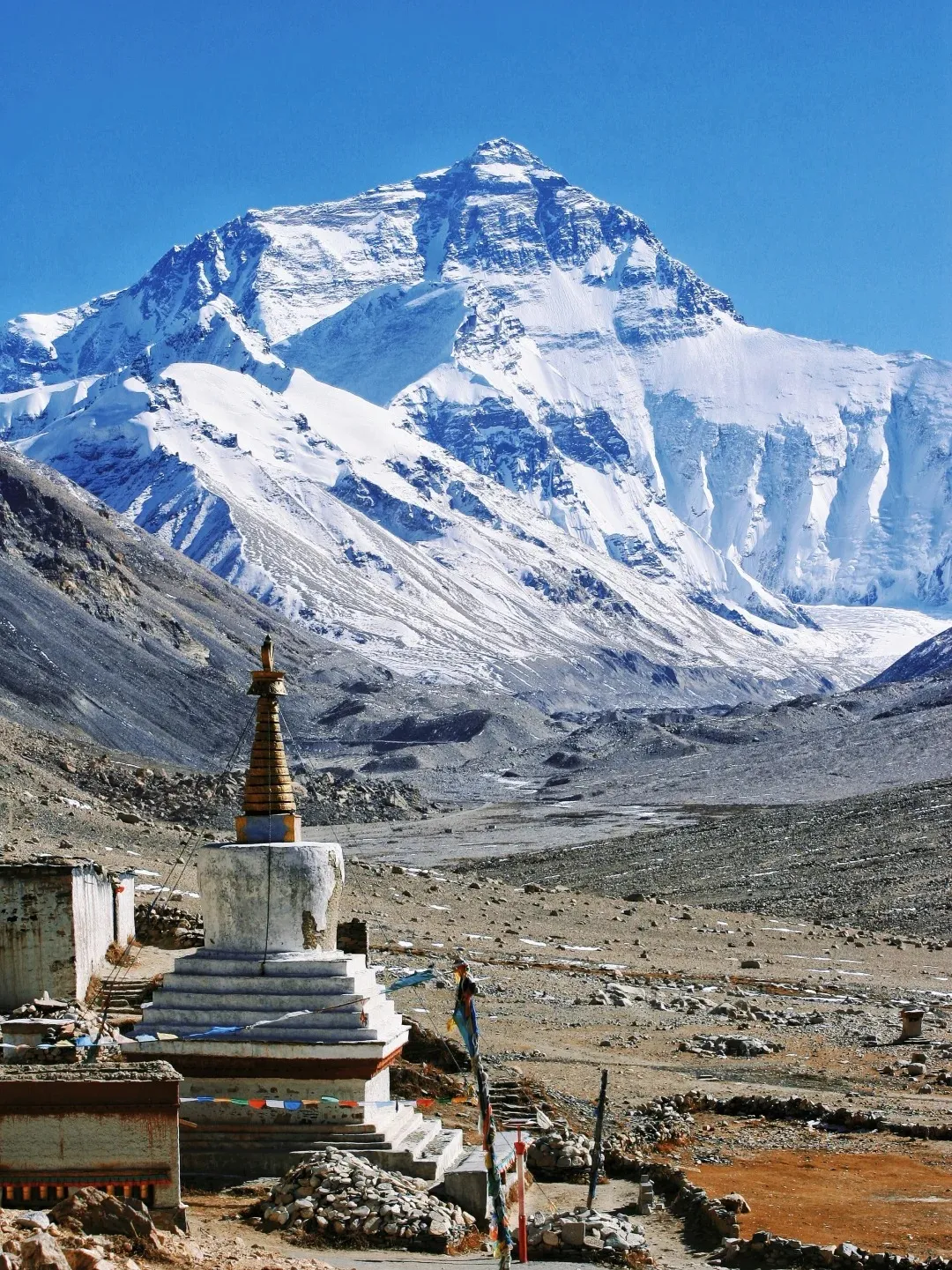
- Required for: “Open” areas outside of Lhasa, including Shigatse and Everest Base Camp (EBC).
- Who applies: Your tour guide applies for this after you arrive in Lhasa.
- Process: Your guide will take your passport to the local Public Security Bureau (PSB). It usually takes 1-2 hours while you wait or tour a monastery.
3. Military Permit
- Required for: Sensitive military or border areas, including Mount Kailash, Lake Manasarovar, and the Nyingchi region (eastern Tibet).
- Who applies: Your agency must apply for this roughly 20-30 days in advance.
- Note: This is much harder to obtain and scrutiny is higher.
How to Obtain Your Permits: The Process
Navigating the system requires patience. Here is the standard workflow for a smooth application:
- Book a Tour: Confirm your itinerary with a licensed agency (like Tibet Wind Horse or a major operator). You cannot change your itinerary once the permit is issued.
- Send Documents: Email clear color scans of your Passport and Chinese Tourist Visa (L Visa) to your agency.
- Wait for Processing: This takes 8-15 business days.
- Delivery: If flying, the agency will express mail the permit to your hotel in your gateway city (Chengdu, Xi’an, etc.). If taking the train, a digital scan is usually sufficient (though rules fluctuate, so always check).
Contrarian Tip: Don’t Enter from Nepal (Unless Necessary)
Many travelers assume entering Tibet overland from Kathmandu is easiest. This is a major mistake if you already hold a long-term Chinese visa.
If you enter from Nepal, you are required to get a Group Visa at the Chinese Embassy in Kathmandu. This process automatically cancels your existing Chinese visa. If you have a 10-year multi-entry visa, it will be voided and replaced with a short-term group visa valid for roughly 30 days. Always enter via mainland China (Chengdu or Beijing) to protect your existing visa status.
Mistakes to Avoid & Insider Tips
The “Sticker” Anxiety
According to experts at WildChina, the TTB permit often comes with a small, holographic anti-counterfeit sticker. Do not peel this off. If the sticker is damaged or missing, the permit is invalid. Treat this piece of paper like gold; without it, you will be detained or sent back.
The “Visa-Free” Confusion
If you are from a country with 15-day visa-free access to China (like France, Germany, or Malaysia as of late 2024/2025), you still need a Tibet Permit. You simply submit your passport scan to the agency without the visa scan. However, ensure your itinerary fits strictly within the visa-free timeframe, as overstaying in Tibet is taken very seriously.
Journalists and Diplomats
If you hold a Journalist (J) or Diplomatic visa, standard travel agencies cannot help you. You must apply directly through the Tibet Foreign Affairs Office. Attempting to book a standard tourist tour with these credentials will result in an immediate rejection.
The majestic Potala Palace in Lhasa, Tibet, a historic red and white fortress, bathed in golden sunlight under a partly cloudy blue sky with two birds flying above. Snow-capped mountains are visible in the background, and lush green trees frame the foreground.
Logistics: The Sensory Reality
When you arrive at the airport in Chengdu or Xi’an for your flight to Lhasa, the anxiety is palpable. You must present your original permit document to the check-in staff. They will scrutinize the names and dates. Do not be alarmed if they take it to a back room for verification—this is standard procedure.
Once you land in Lhasa, your guide will collect the permit from you. It is required to check into hotels and pass through the frequent police checkpoints on the Friendship Highway. You rarely keep the permit yourself during the trip; your guide manages it to ensure it doesn’t get lost.