


Essential Logistics for 2026
What is the 144-Hour Visa-Free Transit?
The 144-hour visa-free transit policy allows travelers from 54 countries (including the US, UK, Canada, and Australia) to enter Xi’an for up to six days without a visa, provided they hold a valid connecting ticket to a third country or region. You cannot book a round trip (e.g., NYC -> Xi’an -> NYC); you must fly A -> B -> C.
Staying Connected and Paying
The “Great Firewall” blocks Google Maps, WhatsApp, and Instagram. To navigate and translate menus effectively, you need reliable data that bypasses these restrictions. While local SIM cards are available, they often require lengthy registration processes at the airport.
Editor’s Recommendation: For seamless connectivity immediately upon landing, we recommend using a travel eSIM.
💡 Editor’s Pick: We recommend Nomad eSIM for China because it reliably bypasses the Great Firewall with stable speeds. Use code JORICAQLKF at checkout to get $5 USD off your first data plan.
Payment: In 2026, China is a cashless society. Before you leave home, download Alipay or WeChat and link your foreign credit card. This works for everything from buying a bottle of water to paying for your Metro ride.
Day 1: Arrival & The Ancient City Wall
Ease into the city’s history. Xi’an is one of the few cities in China where the ancient layout is still visible.
Afternoon: Cycling the City Wall
Drop your bags at your hotel (staying inside the City Wall near the Bell Tower is best for transport links) and head to the South Gate (Yongning Gate). This is the grandest entry point to the Xi’an City Wall, the largest and best-preserved ancient city wall in China.
Insider Tip: Do not attempt to walk the full 13.7km (8.5 miles) loop unless you have 4 hours to kill. Instead, rent a bicycle on top of the wall. Be warned: the path is paved with stone bricks. It is a bumpy ride that will vibrate through your handlebars, so if you have back issues, opt for the electric eco-cart.
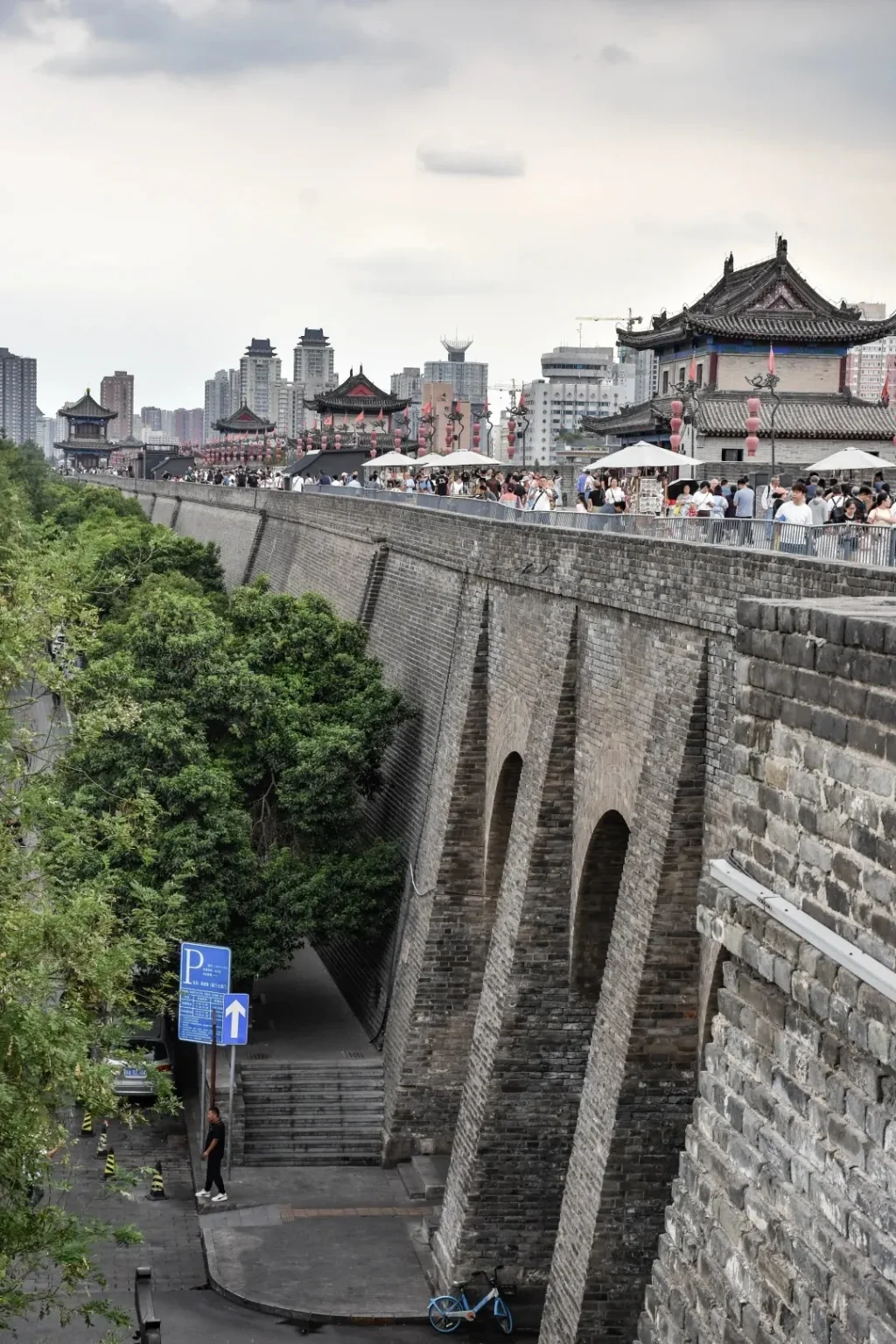
Beyond the Terracotta Warriors, Xi’an’s ancient city wall provides a unique perspective on its rich history and bustling present, perfect for exploration on your 3-day adventure.
Evening: The Bell and Drum Towers
As dusk falls, walk toward the city center. The Bell Tower and Drum Tower are illuminated spectacularly at night. Is it worth entering? Honestly, no. The view of them from the outside is superior to the view from them. Save the ticket money and spend it on dinner.
Day 2: The Terracotta Army & Muslim Quarter
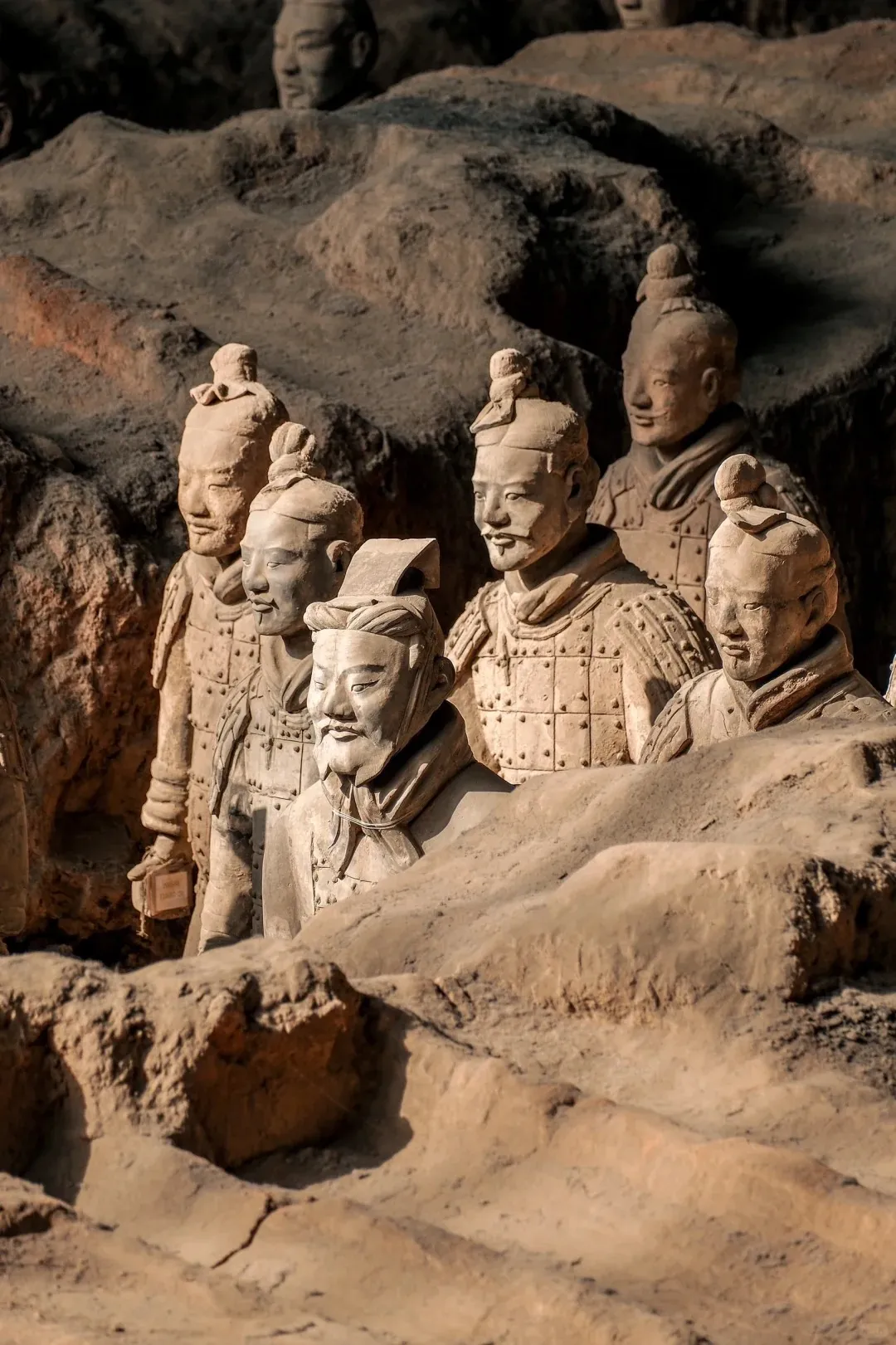
This is the heavy-hitter day. The Terracotta Warriors are located about 40km (25 miles) east of the city center.
Morning: The Terracotta Warriors
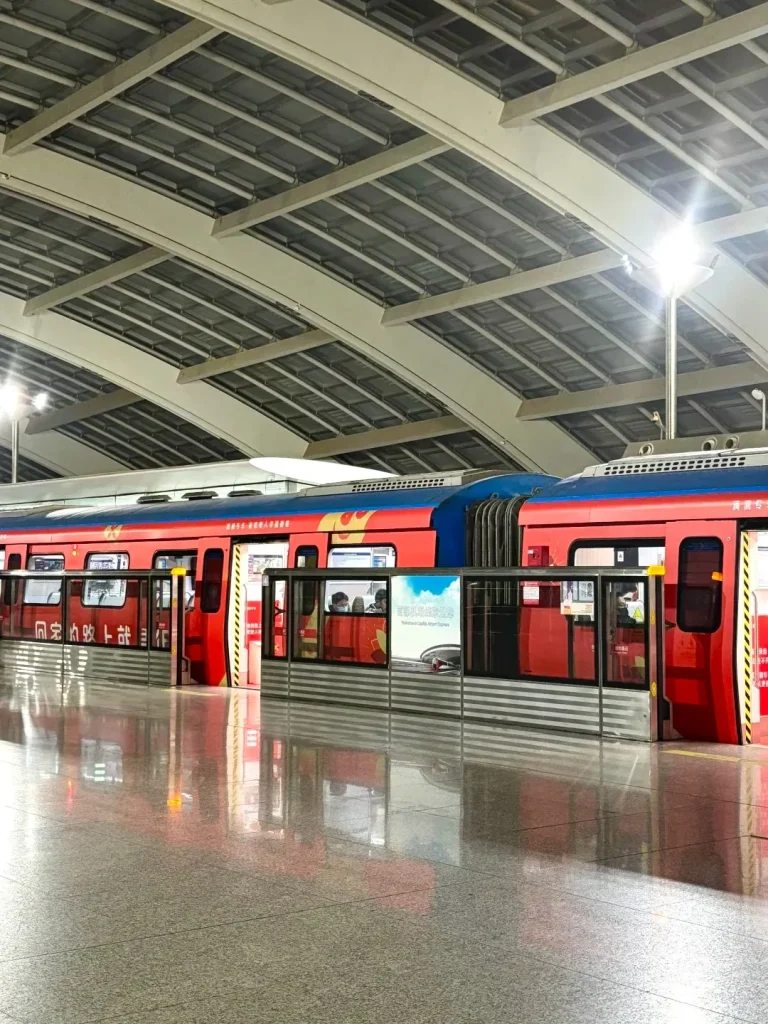
How to get there: As of 2026, the most efficient budget method is taking Metro Line 9 to Huaqing Chi Station, then transferring to the dedicated tourist shuttle bus. However, if you are a group of 3-4, a DiDi (Chinese rideshare) will cost roughly 120-150 RMB ($17-$21 USD) and save you significant hassle.
Strategy for the Pits:
- Arrive early: Be at the gate by 8:30 AM. The tour bus crowds arrive by 9:30 AM.
- Pit 1: This is the massive hangar you see in photos. It is always crowded. Walk to the very back of the hangar; the crowds usually bunch up at the front entrance.
- Pit 2 & 3: These are smaller but offer closer views of the officers and horses.
- The Museum: Don’t skip the Bronze Chariots exhibition hall; the intricacy of the metalwork is arguably more impressive than the clay soldiers.
Lunch: Avoid the Tourist Canteens
The restaurants immediately surrounding the museum exit are notorious for overpriced, mediocre food. Bring snacks, or walk 15 minutes away from the main parking lot to find local noodle shops where prices drop by 50%.
Evening: The Muslim Quarter
Head back to Xi’an and dive into the Muslim Quarter. This area has been home to the Hui Muslim community for centuries.
The “Beiyuanmen” Trap: The main street (Beiyuanmen) is loud, commercialized, and extremely crowded. For a more authentic experience and better food, duck into the side streets like Dapi Yuan or Xiyang Shi. The food here is made for locals, not just for Instagram.
What to Eat:
- Roujiamo: Often called a “Chinese Hamburger,” this is minced meat stewed in spices and stuffed into crispy bread.
- Yangrou Paomo: A mutton soup where you break unleavened bread into tiny pieces before the chef adds the broth.
- Biang Biang Noodles: Thick, hand-pulled noodles topped with chili oil and garlic.
Day 3: Deep Culture & Departure
Morning: Shaanxi History Museum
This is one of China’s premier museums. Critical Warning: Tickets are free but must be reserved on their official WeChat mini-program 3-5 days in advance. They vanish in seconds. If you cannot get a ticket, the Xi’an Museum (located at the Small Wild Goose Pagoda) is a fantastic, less crowded alternative.
Afternoon: Big Wild Goose Pagoda
Located in the Da Ci’en Temple complex, this pagoda dates back to the Tang Dynasty (652 AD). It was built to hold sutras brought back from India by the monk Xuanzang. The surrounding North Plaza features the largest musical fountain in Asia. If you are visiting in summer, the fountain show is a refreshing break from the heat.
Late Afternoon: Departure
Allow plenty of time to get to the airport or the Xi’an North Railway Station. Traffic in Xi’an during rush hour (5:00 PM – 7:00 PM) can be gridlocked. The high-speed train to Beijing takes about 4 hours, while Shanghai is about 6 hours away.