


Phase 1: Urumqi (Days 1–2)
Urumqi is the logistical hub. Do not linger here longer than necessary; the real magic lies further west. However, it is the best place to stock up on supplies and adapt to the time difference.
What to See (and What to Skip)
The Insider Choice: Go to the Xinjiang Regional Museum. It is free (bring your passport) and houses the “Loulan Beauty,” a 3,800-year-old mummy that is shockingly well-preserved. It provides essential context for the Silk Road history you are about to traverse.
The Tourist Trap: The International Grand Bazaar. While photogenic, it is highly commercialized. Go for a quick photo of the minaret, but eat your meals in the side streets where the prices drop by 50% and the naan is fresh out of the tandoor.
Tip: Skip Heavenly Lake
Unless you have a full 10 days, skip Heavenly Lake (Tianchi). It is beautiful, but it requires a full day, is often overrun with domestic tour groups, and involves expensive shuttle buses. Save your mountain cravings for the Pamirs outside Kashgar later in the trip.
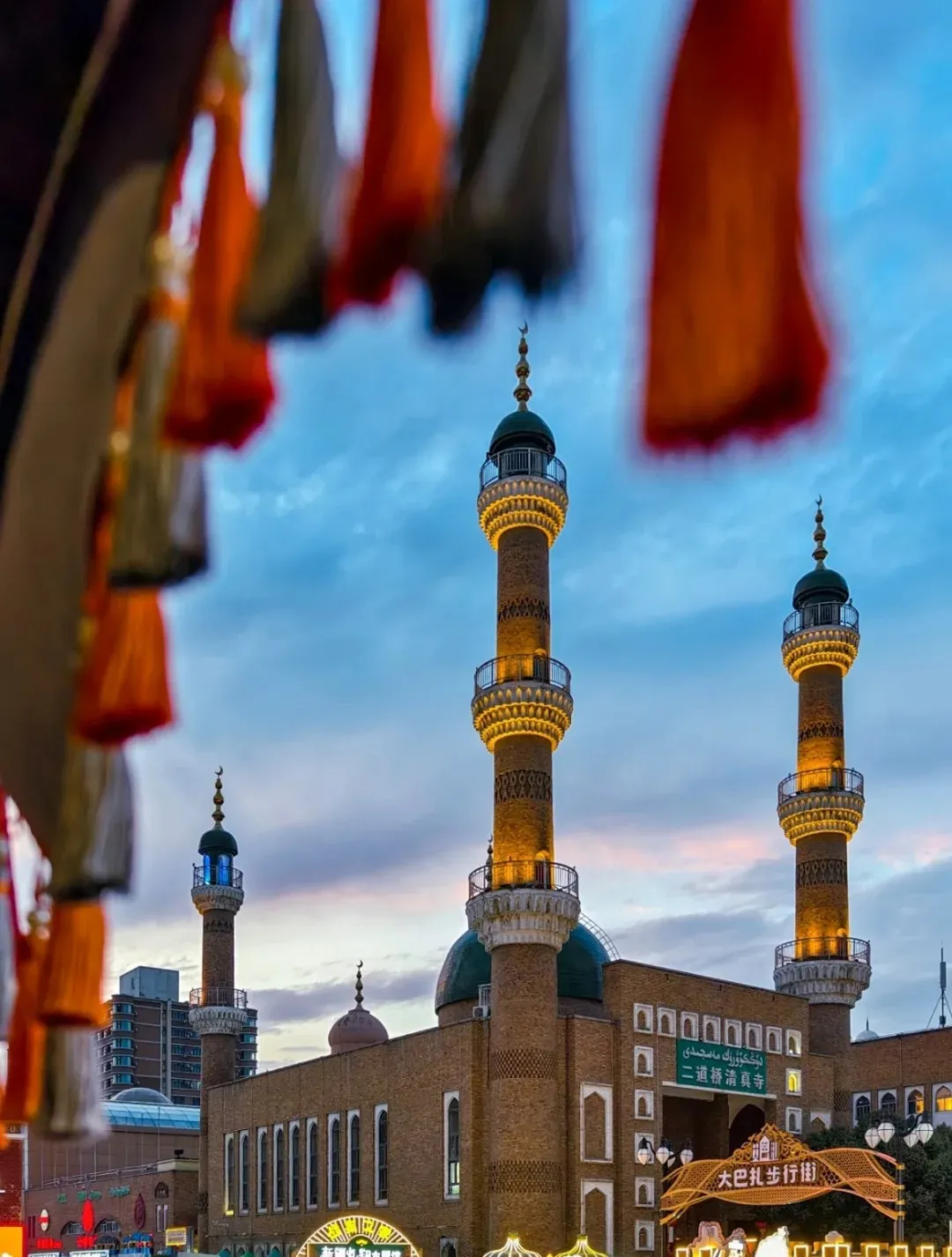
The grand Erdaoqiao Mosque at Urumqi Grand Bazaar in Xinjiang, illuminated brightly at twilight with its distinctive minarets and green domes, seen from below decorative red and white tassels hanging in the foreground, capturing the vibrant evening atmosphere.
Phase 2: Turpan (Days 3–4)
Transport: Take the high-speed train from Urumqi Station to Turpan North (Tulufanbei). It takes only 1 hour. Note that Turpan North is about 15km from the city center; you will need a taxi (approx. 30–40 RMB).
Surviving the Heat
Turpan is the second lowest point on Earth and famously hot. In summer, temperatures regularly hit 45°C (113°F). Plan your sightseeing for early morning (before 11:00 AM Beijing Time) and late evening (after 7:00 PM Beijing Time).
Must-Visit Sites
- Jiaohe Ruins: An ancient city carved out of a plateau between two rivers. Unlike other ruins, you can walk amidst the earthen structures. It feels prehistoric and desolate in the best way.
- Emin Minaret: The tallest minaret in China, built in 1777. The geometric brick patterns are mesmerizing.
- Karez Well System: Essential to understand how civilization survives here. It’s a subterranean irrigation system.
Phase 3: Kuqa (Day 5–6)
Most standard itineraries skip Kuqa (Kuche), but for independent travelers, it breaks up the long journey to Kashgar and offers spectacular geology.
Transport: Take an overnight train from Turpan North to Kuqa. Look for trains like the K9718.
SGE Definition: What is a Hard Sleeper? In Chinese trains, a “Hard Sleeper” is an open-plan carriage with bays of six bunks (three tiers). It comes with a mattress, pillow, and duvet. It is comfortable, social, and the best budget option for long distances.
The Mystic Grand Canyon
The Tianshan Mystic Grand Canyon is the highlight here. The red sandstone walls tower hundreds of meters high.
Logistics: There is no reliable public bus to the canyon. You must hire a taxi driver for a half-day trip (approx. 200–300 RMB round trip). Negotiate the price before getting in. The driver will wait for you while you hike.
Phase 4: Kashgar (Days 7–10)
Transport: Take the train from Kuqa to Kashgar (approx. 8–10 hours). Arriving in Kashgar feels like arriving in a different country.
Kashgar Old City
While parts of the Old City have been renovated for tourism, the soul remains. Get lost in the alleys away from the main commercial drag.
Sensory Detail: Listen for the sound of copper craftsmen hammering pots and smell the cumin roasting on lamb skewers. A pot of tea at the Century Old Tea House costs roughly 30 RMB and buys you hours of people-watching on the balcony.
Day Trip: Karakul Lake & The Pamir Highway
This is the most difficult part to do without a tour, but it is possible.
The Public Transport Method: Go to the Kashgar International Bus Station. Look for shared taxis or small buses heading to Tashkurgan. You can buy a ticket to drop you off at Karakul Lake.
The Risk: Getting back is harder. You have to flag down a bus or shared taxi returning from Tashkurgan to Kashgar, and they may be full.
The Better Alternative: Find 2-3 other travelers at your hostel and charter a private taxi for the day (approx. 800–1000 RMB total). This allows you to stop at the White Sand Lake en route, which public buses will breeze past.
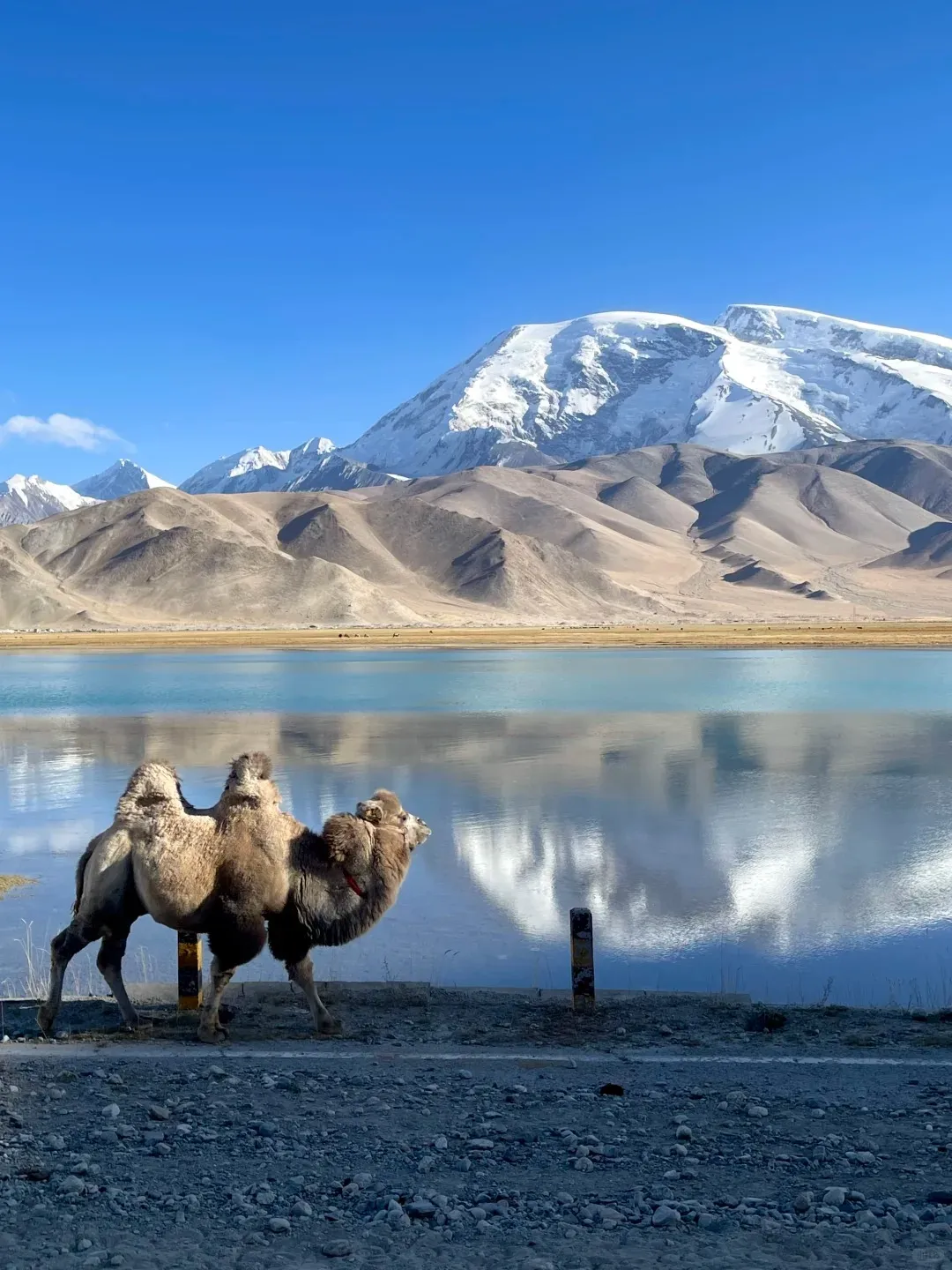
A two-humped Bactrian camel with a red collar walks along a gravel road beside the turquoise Karakul Lake in Xinjiang. The tranquil lake surface beautifully reflects the majestic, snow-capped Muztagh Ata mountain and the clear blue sky, with a range of barren, undulating hills nestled between the lake and the towering peak.
Critical Mistakes to Avoid
1. Photographing Checkpoints
Never take photos of police stations, checkpoints, or military personnel. This is the fastest way to have your phone confiscated and photos deleted. If you see a flashing red and blue light, put the camera away.
2. Underestimating Security Queues
Train stations in Xinjiang require multiple security checks before you even enter the building.
Rule of Thumb: Arrive at the train station 90 minutes before departure. If you arrive 30 minutes prior, you will likely miss your train.
3. Relying on Credit Cards
Outside of 5-star hotels, Visa and Mastercard are useless. You must set up Alipay or WeChat Pay and link your international card before you arrive. Carry 500 RMB in cash as an emergency backup for remote areas.