


What is the Ancient Tea Horse Road?
The Ancient Tea Horse Road (Chamagudao) was a trade network lasting over 1,300 years, linking the tea-growing regions of Sichuan and Yunnan with the horse-breeding plateaus of Tibet. At its peak, caravans of mules and human porters navigated 10,000 kilometers of deadly mountain passes to trade Chinese tea—essential for Tibetan digestion—for Tibetan horses, vital for Chinese military defense.
Choosing Your Route: Yunnan vs. Sichuan
Most travelers underestimate the sheer scale of this region. You cannot “do” the whole road in a week. You must choose a corridor.
The Yunnan Corridor (Recommended for First-Timers)
This route follows the flow of tourism development from south to north: Pu’er → Dali → Shaxi → Lijiang → Shangri-La. It offers the best blend of comfort and history. You can sleep in boutique hotels in restored courtyards and take the high-speed train between major hubs.
The Sichuan Corridor (For Hardcore Adventurers)
Starting in Ya’an and moving west through Kangding into the Tibetan Kham region, this route is steeper and less forgiving. It requires hiring a private driver with a Land Cruiser. The culture here is raw and undeniably Tibetan, but the infrastructure is basic, and altitude sickness is a genuine risk as you quickly ascend over 4,000 meters.
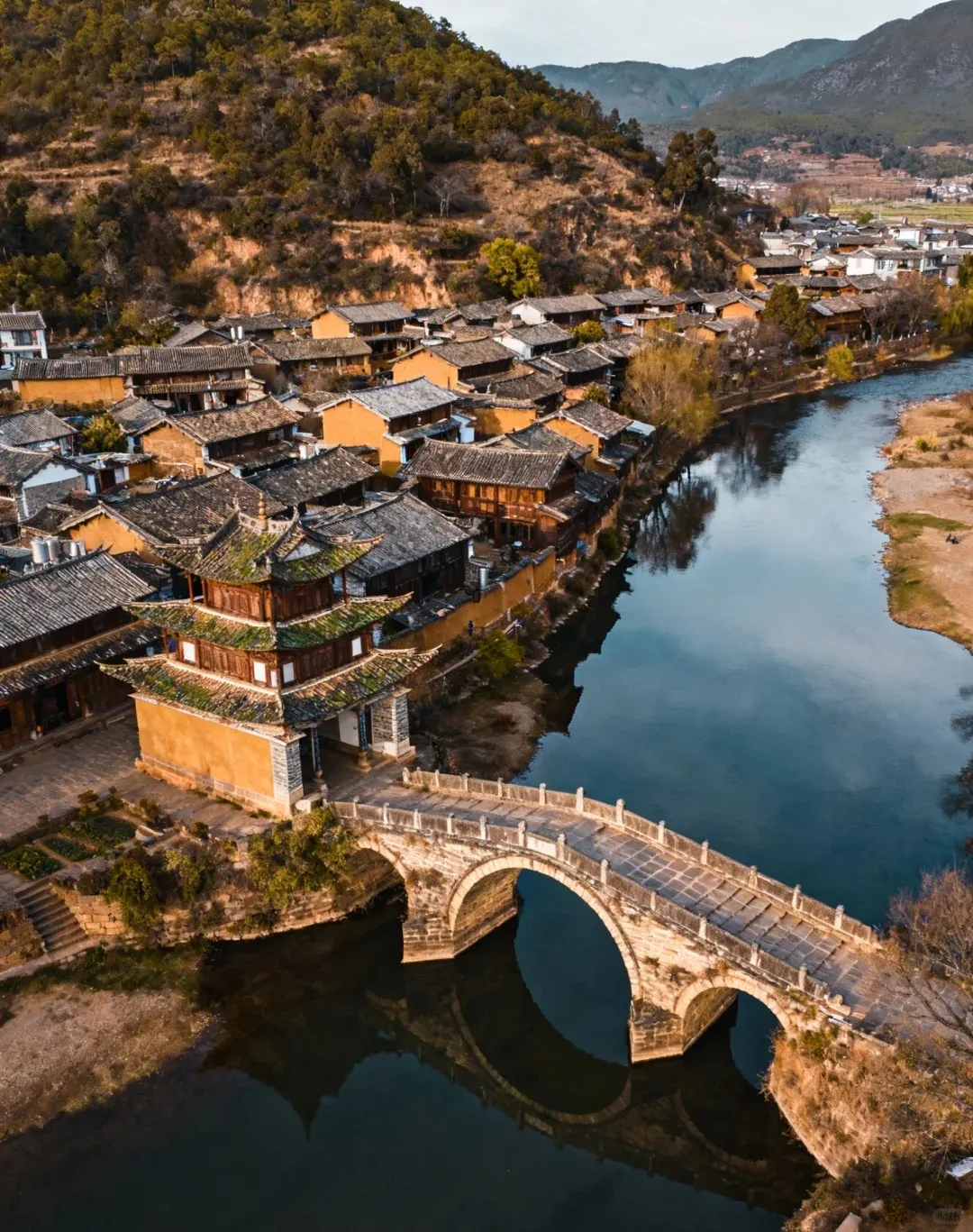
Wander through Shaxi Ancient Town, a beautifully preserved trading post along the historic Ancient Tea Horse Road. The town’s iconic Yujin Bridge and traditional Bai houses stand as enduring testaments to its rich past, once bustling with caravans transporting tea and horses.
The Must-Visit Stops (and What to Skip)
Having traveled this route extensively, I have found that some “famous” spots are tourist traps, while nearby villages offer the silence and atmosphere you are looking for.
1. Shaxi Ancient Town: The Last True Trading Post
If you only visit one stop, make it Shaxi. Located halfway between Dali and Lijiang, it was a crucial market square. Unlike Lijiang, it hasn’t been entirely commercialized by karaoke bars.
- Insider Tip: Most tourists visit as a day trip. Mistake to Avoid: Don’t leave at 5 PM. Stay overnight. The town empties out after sunset, and walking the silent Sideng Market Square under the stars is the closest you will get to feeling the spirit of the ancient caravans.
- Must Do: Visit the Friday Market. It is still a functioning market for local Bai and Yi minorities, not just a souvenir show for tourists.
2. Lijiang: Navigate with Caution
Lijiang’s Old Town is UNESCO-listed but suffers from severe overtourism. The streets are packed shoulder-to-shoulder, and the noise is constant.
- Contrarian Tip: Skip staying in Lijiang Old Town (Dayan). Instead, book accommodation in Shuhe or Baisha villages just north of the city. They are part of the same heritage zone but are significantly quieter and retain more Naxi culture.
3. Shangri-La (Zhongdian)
This is where the tea road transitions into the Tibetan world. The altitude hits 3,160 meters. The Songzanlin Monastery is the main draw, often called the “Little Potala Palace.”
- Sensory Detail: Be prepared for the smell of yak butter. It pervades the temples and tea houses. When you try Yak Butter Tea, expect a flavor closer to salty, oily soup than the sweet tea you might be used to. It is an acquired taste, but essential for hydration at this altitude.
Logistics: How to Travel the Route in 2025
Transportation: The Rail Revolution
As of late 2023, the high-speed rail line is fully operational up to Shangri-La. You can now book tickets via the official Trip.com app or the 12306 railway app.
- Kunming to Dali: 2 hours
- Dali to Lijiang: 1.5 hours
- Lijiang to Shangri-La: 1 hour
Warning: Tickets for these routes sell out instantly during Chinese National Holidays (first week of May and October). Book exactly 14 days in advance when reservations open.
Money and Apps
Do not rely on Visa or Mastercard. Outside of 5-star hotels in Kunming, they are useless. You must download Alipay or WeChat and link your foreign credit card to their “TourCard” or international wallet features before you arrive. Even the elderly woman selling walnuts on the side of the Tea Horse Road uses a QR code for payment.
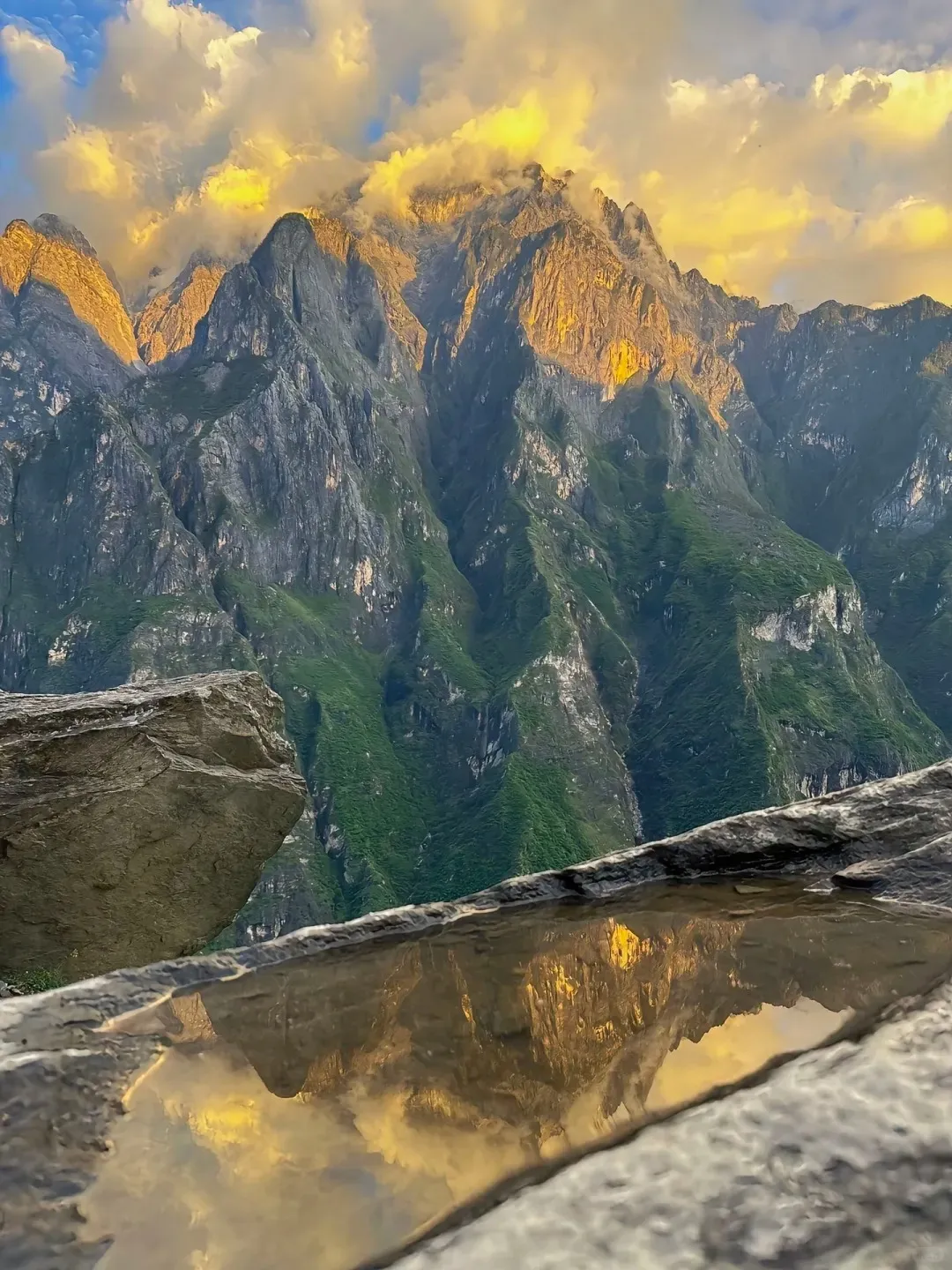
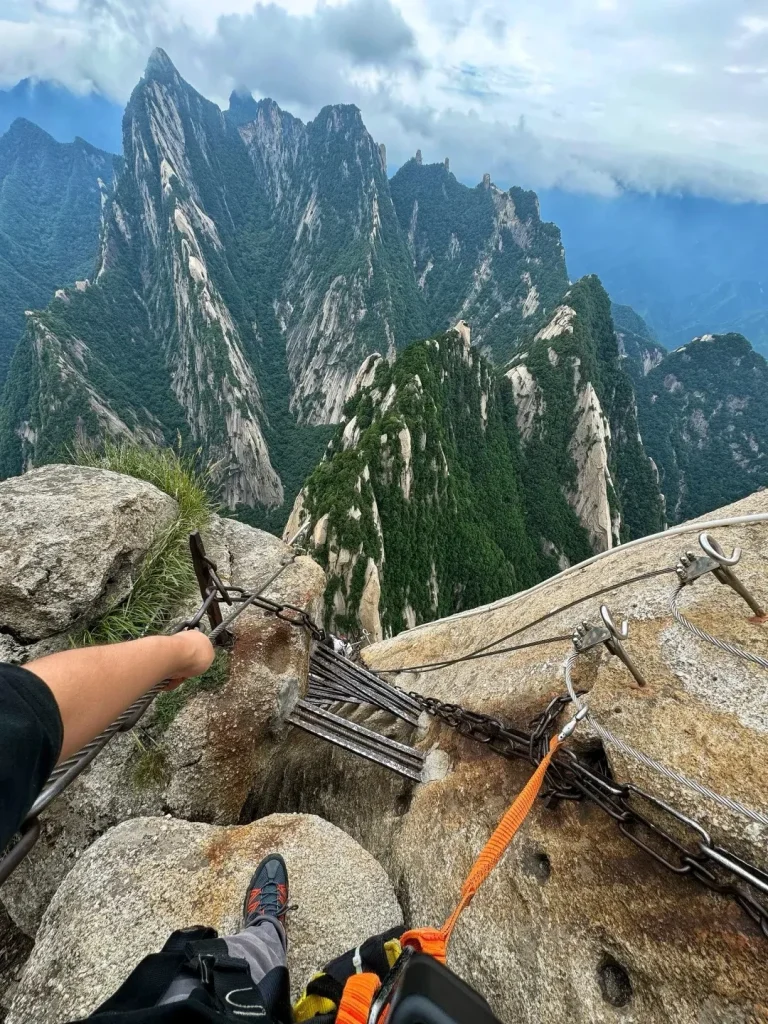
The dramatic peaks of Tiger Leaping Gorge, a formidable stretch of the Ancient Tea Horse Road, offer breathtaking moments of reflection, both literal and metaphorical, for travelers pausing along the historic route.
Hiking the Route: Tiger Leaping Gorge
To physically walk the Tea Horse Road, the Tiger Leaping Gorge hike is the premier experience. It sits between Lijiang and Shangri-La.
The Mistake to Avoid: Do not take the tour buses that go to the “Upper Gorge” viewing platform at the bottom of the river. You will be jostling with thousands of tourists for a photo of a rock.
The Real Experience: You must hike the “High Trail.” This is a 2-day trek that follows the actual muleteer path high up the Haba Snow Mountain range. The guesthouses along this route (like the Tea Horse Guesthouse) offer simple beds and stunning views of the Jade Dragon Snow Mountain across the gorge. The path is well-marked but steep—the “28 Bends” section is a grueling ascent that tests even fit hikers.