


The “Spring City” Myth: Understanding Yunnan’s Seasons
Yunnan’s weather is dictated by altitude and the sun. The ultraviolet rays here are intense regardless of the temperature. You can get a sunburn in Lijiang when it is 5°C outside. Here is the realistic breakdown of when to go.
Spring (March to May): The Photographer’s Choice
This is widely considered the best time to visit Yunnan. The cherry blossoms in Dali and the jacarandas in Kunming are in full bloom. The winds in Dali can be strong in March, but the visibility is excellent.
Summer (June to September): The Green Monsoon
Insider Tip: Don’t let the term “monsoon” scare you off entirely. In Yunnan, rain usually falls in the late afternoon or overnight. However, if your main goal is hiking Tiger Leaping Gorge, summer carries a higher risk of landslides and trail closures. The upside? The rice terraces are lush green, and the crowds are slightly thinner than during the October holidays.
Autumn (October to November): The Hiker’s Dream
Post-monsoon skies are incredibly blue. This is the safest bet for seeing the peak of Jade Dragon Snow Mountain, which is often shrouded in clouds during summer. November is particularly dry, meaning you won’t need heavy rain gear, just warm layers.
Winter (December to February): The Value Season
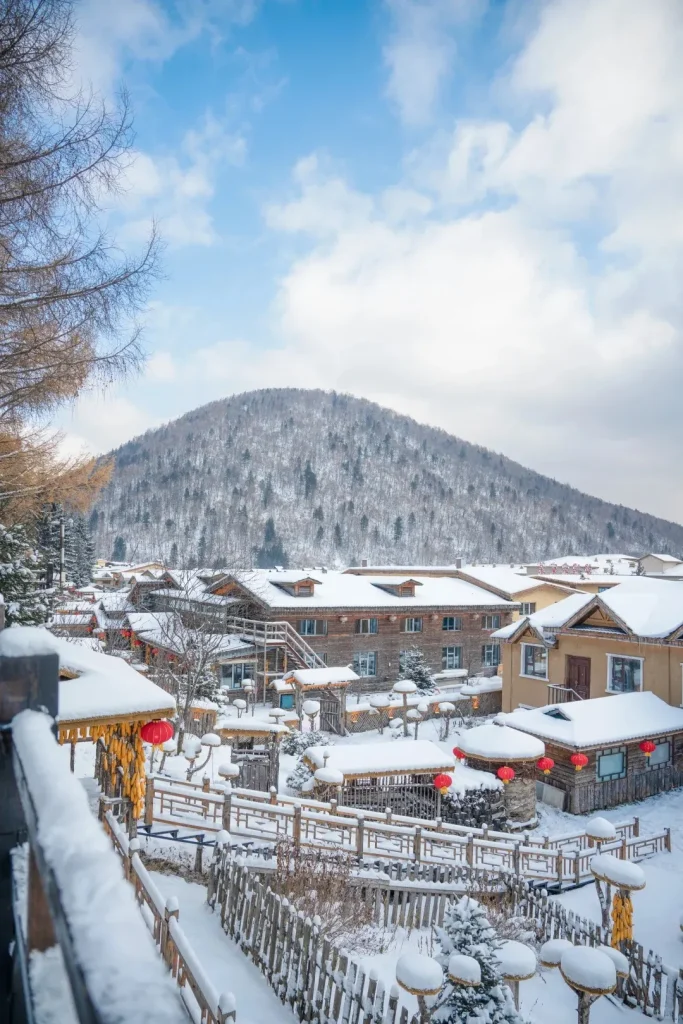
Tourists vanish, and hotel prices in Lijiang and Dali drop by 30-50%. It rarely snows in the cities, but nights are near freezing. If you can handle cold mornings without central heating (most hotels use electric blankets and space heaters), you get the ancient towns to yourself.

Experience the tranquil beauty of Dali by exploring the Erhai Lake ecological corridor. Whether cycling or strolling, this scenic path provides breathtaking views of the lake and Cangshan mountains, making it an essential part of your Yunnan itinerary, especially during the mild spring and autumn seasons.
7-Day Itinerary: Kunming, Dali & Lijiang
This route utilizes the high-speed railway (CRH), which has revolutionized travel in this region. Do not drive unless you have a specific desire to road trip; highway traffic between Dali and Lijiang can be gridlocked during peak season.
Days 1-2: Kunming (The Gateway)
Most travelers treat Kunming as a layover, which is a mistake. However, you don’t need more than 36 hours here.
- Must Do: Visit the Stone Forest (Shilin) early in the morning (08:00) to beat the tour buses. It’s a 270-million-year-old limestone formation that feels otherworldly.
- Insider Tip: Skip the touristy “Old Street” and head to the Dounan Flower Market after 8:00 PM. It is the largest flower market in Asia. The chaos of thousands of roses being auctioned for pennies is a sensory overload you won’t forget.
- Logistics: Kunming Changshui Airport is connected to the city by Metro Line 6.
Days 3-4: Dali (The Chill Capital)
Take the high-speed train from Kunming to Dali (approx. 2 hours). Dali is split into the “New City” (Xiaguan) and the “Old Town.” Stay in the Old Town or near Erhai Lake.
- The Vibe: Dali is where stressed-out city dwellers from Shanghai go to “lie flat” (relax). Rent an e-bike (approx. 40-60 RMB/day) and ride the Erhai Lake Ecological Corridor. It is vehicle-free and flat.
- Overrated Attraction: The Three Pagodas are impressive from the outside, but the ticket price to enter the park is steep (approx. 75 RMB) for what is essentially a photo op. You can get great photos from the road nearby.
- Food Scene: Try the “Rushaan” (grilled milk fan), a cheese-like snack on a stick. It’s an acquired taste—sour and chewy—but essential to the Dali experience.
Days 5-7: Lijiang & Tiger Leaping Gorge
Take the train from Dali to Lijiang (1.5 hours). As you ascend, the air gets thinner and drier.
- Lijiang Old Town: It is beautiful but commercialized. For a more authentic experience, take a taxi 20 minutes north to Baisha Village. It’s quieter, the Naxi culture is more visible, and the view of the Snow Mountain is superior.
- Tiger Leaping Gorge: You can do this as a day trip from Lijiang, but hiking the “Upper Trail” requires 2 days. If you only have one day, hire a driver to take you to the “Tina’s Guesthouse” area to hike down to the middle rapids.
- Authentication Check: To enter Lijiang Old Town, you used to pay a “maintenance fee.” As of 2026, enforcement is sporadic, but keep your passport handy just in case official checkpoints are active.
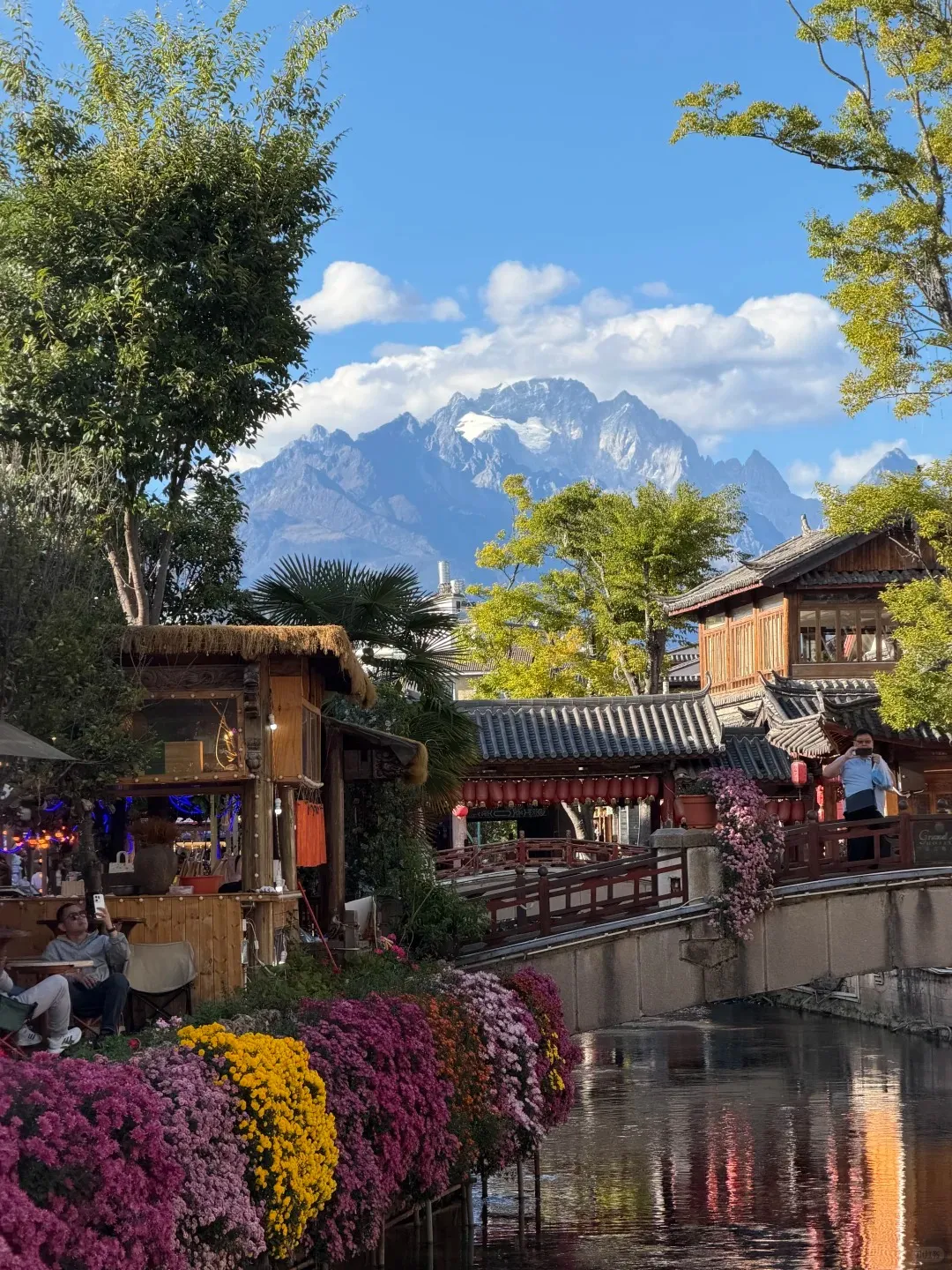
One of Yunnan’s most captivating destinations, Lijiang Old Town beautifully combines ancient Naxi architecture, lively canals, and the majestic presence of Jade Dragon Snow Mountain. Experience its unique charm as part of your ideal seasonal itinerary through the province.
Logistics & Connectivity in 2026
China’s digital ecosystem is distinct. Google Maps, Instagram, and WhatsApp do not work without a workaround, and cash is rarely accepted.
Staying Connected (Crucial)
Do not rely on hotel Wi-Fi to access your western apps. The “Great Firewall” blocks them. The most reliable method for travelers in 2026 is using an eSIM that routes your data through a server outside of China, bypassing the blocks automatically.
💡 Editor’s Pick: We recommend Nomad eSIM for China because it reliably bypasses the Great Firewall with stable speeds. Use code JORICAQLKF at checkout to get $5 USD off your first data plan.
Booking Trains
Tickets for the Kunming-Dali-Lijiang route release 15 days in advance. During Chinese New Year or National Day (Oct 1-7), they sell out in seconds.
- Official App: Railway 12306 (available in English). This has no booking fees.
- Easier Alternative: Trip.com charges a small fee but offers a “ticket snatching” service that is invaluable during peak season.
Payments
You cannot survive on cash alone. Vendors, from ticket offices to grandmas selling water on the hiking trail, use QR codes.
- Download Alipay.
- Link your Visa or Mastercard.
- Verify your identity with your passport.
Note: Carry small cash (10 and 20 RMB notes) as a backup for very remote areas in Tiger Leaping Gorge, but 99% of the time, Alipay will work.
What to Pack for the Altitude
Yunnan’s weather swings wildly. In a single day in Lijiang, you might experience three seasons.
- Sun Protection: A hat and high-SPF sunscreen are non-negotiable. The high-altitude sun burns quickly.
- Hydration: The air is extremely dry. Bring heavy moisturizer, lip balm, and nasal spray.
- Layers: A fleece jacket and a windbreaker are better than one heavy coat. You will be peeling layers off by noon and putting them back on by 6:00 PM.