


Navigating Logistics: Visas and Transport
Before booking your flight, you must understand the entry requirements, which have become significantly more traveler-friendly in recent years.
What is the 144-Hour Visa-Free Transit?
The 144-hour visa-free transit is a policy allowing travelers from 54 countries to enter specific regions of China (like Shanghai, Beijing, or Guangdong) for up to six days without a visa. To qualify, you must hold a passport from an eligible country and a confirmed connecting ticket to a third country or region (e.g., USA -> Shanghai -> Hong Kong).
Booking Trains and Flights
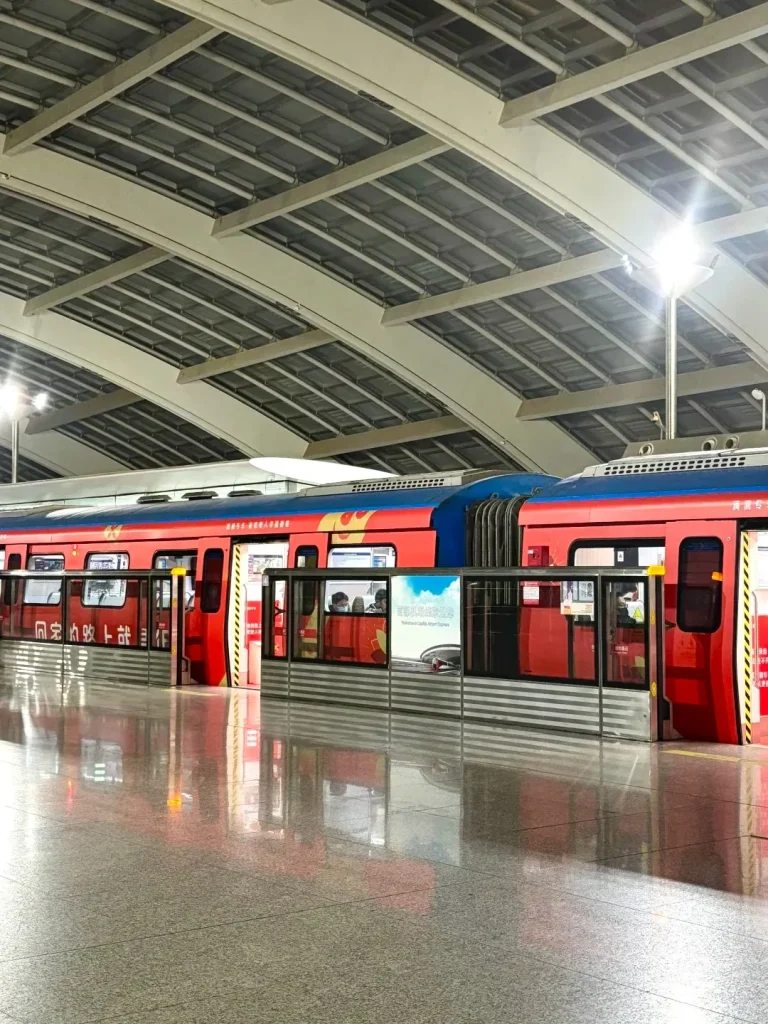
For winter travel, booking in advance is crucial. According to the official 12306 China Railway policy, tickets generally go on sale 15 days in advance. However, during the winter holidays, these sell out in seconds.
Insider Tip: While the official 12306 app is authoritative, the English version can be glitchy with foreign credit cards. I recommend using Trip.com for a small fee; their “ticket snatching” feature is invaluable during the winter peak season.
The Frozen North: Ice, Snow, and History
If you are chasing a true winter wonderland, Northern China is the destination. Be warned: the cold here is dry and penetrating.
Harbin: The Ice City
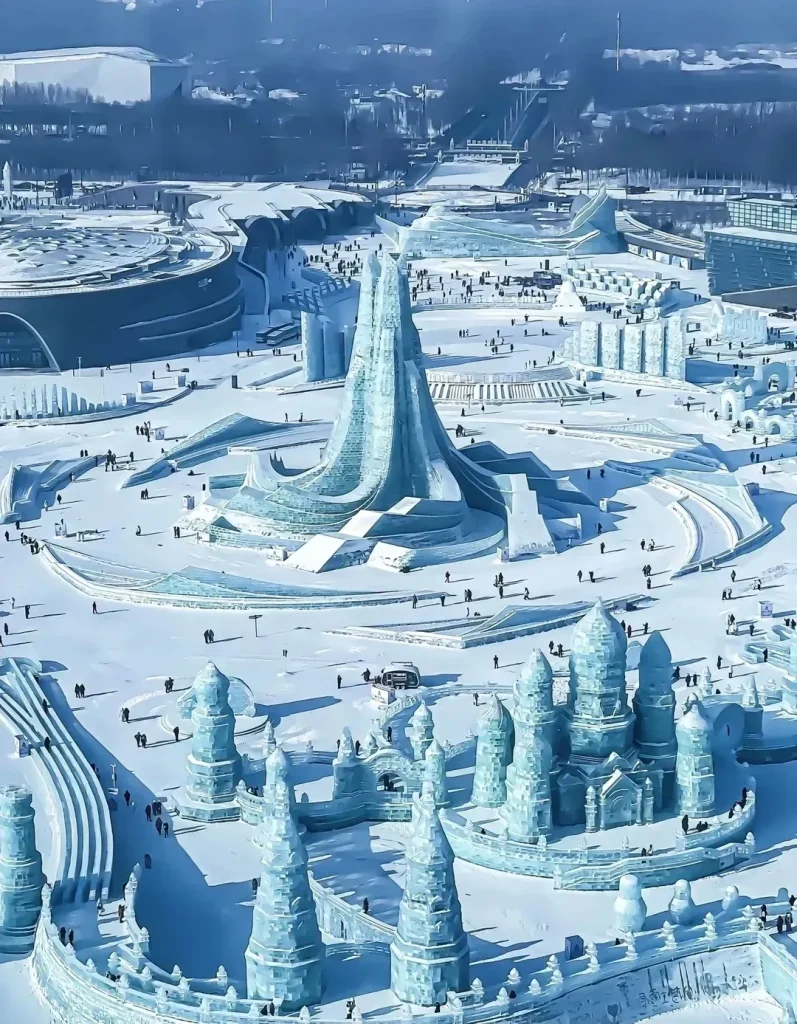
Harbin is the crown jewel of China winter travel. The Harbin International Ice and Snow Sculpture Festival is the world’s largest, featuring full-sized illuminated ice buildings.
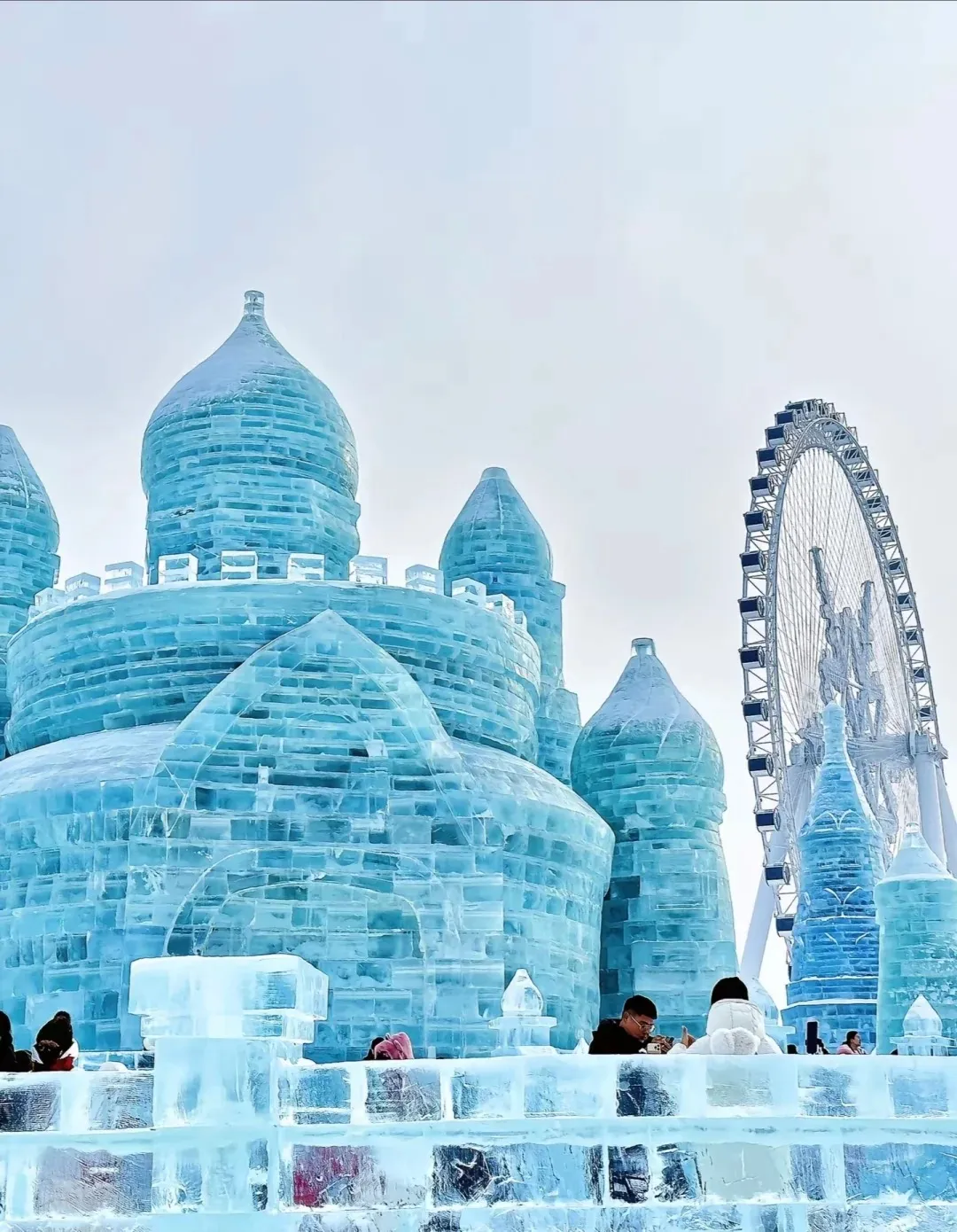
Marvel at the spectacular artistry of the Harbin International Ice and Snow Sculpture Festival, a cornerstone of China’s winter festivals and one of the world’s largest. It’s an unforgettable destination for those seeking unique snow experiences in China.
- Must-Do: Visit “Ice and Snow World” at night for the lights, but go to “Sun Island” during the day for the snow sculptures.
- Mistake to Avoid: Do not rely on your phone battery. In -30°C weather, iPhones will die in minutes. Buy adhesive heating pads (Kai Bao) at any convenience store and stick one to the back of your phone.
- Sensory Detail: The air in Harbin smells of burning coal and roasted sweet potatoes. It is so cold that the moisture in your nose will freeze instantly when you step outside.
Beijing: The Imperial Winter
Beijing in winter is crisp, dry, and often sunny. While heavy snowfall is actually rare due to the dry climate, when it does snow, the contrast of white powder against the red walls of the Forbidden City is breathtaking.
contrarian Tip: Skip the crowded Badaling section of the Great Wall. In winter, head to the Mutianyu or Jinshanling sections. You will likely have the watchtowers entirely to yourself, offering a hauntingly beautiful silence you can’t find in summer.
Local Experience: Go to the Summer Palace. In January, the massive Kunming Lake freezes over, and you can rent iconic “ice chairs” or ice bicycles to skate across the lake, just like local Beijing families.
The Sunny South: Tropical Escapes and Mild Mountains
If you prefer to escape the freeze, Southern China offers warmth and diverse minority cultures.
Yunnan Province: Eternal Spring
Yunnan is arguably the most diverse destination for a winter trip. The province is geographically varied, so weather changes with altitude.
- Xishuangbanna: Located near the border of Laos, this region is tropical. Expect 25°C (77°F) days, rainforests, and Dai minority culture.
- Dali & Lijiang: These ancient towns offer blue skies and crisp, cool air (5°C–15°C). It is perfect hiking weather.
- Insider Insight: In late winter (February), the Nujiang Valley is spectacular as the cherry blossoms begin to bloom while the nearby mountains are still snow-capped.
Sanya: The Hawaii of China
Located on Hainan Island, Sanya is the only true tropical beach destination in China. It is perfect for families wanting resort amenities.
Mistake to Avoid: Do not visit Sanya during Chinese New Year unless you have an unlimited budget. Hotel prices can quadruple, and the beaches become standing-room only. Visit in early January or late February for a relaxed experience.
Understanding the Spring Festival (Chinese New Year)
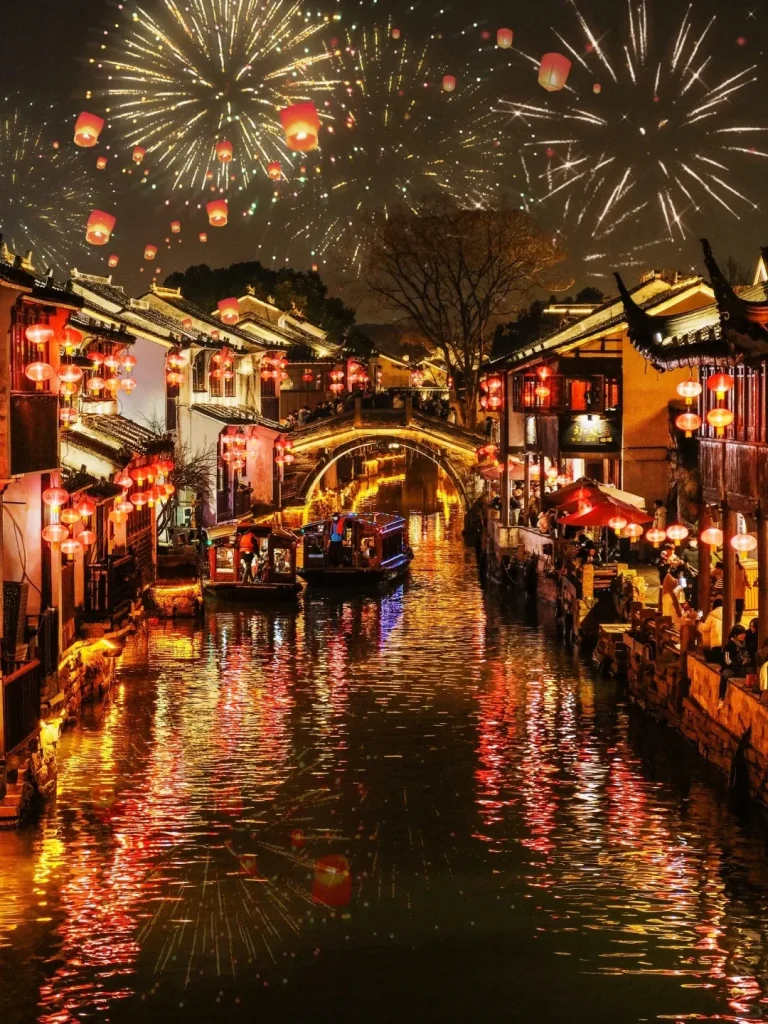
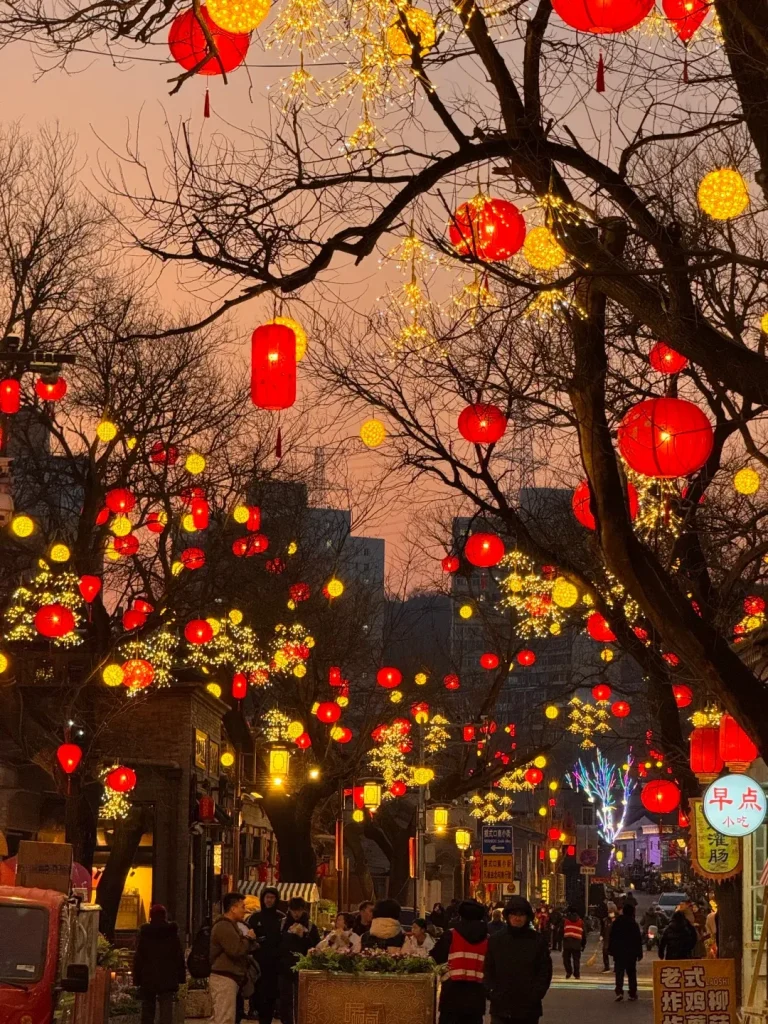
The Spring Festival usually falls between late January and mid-February. It is the most significant cultural event in the Chinese calendar.
Should You Travel During CNY?
The Honest Answer: For most first-time visitors, no. The “Chunyun” travel rush sees billions of trips made. Trains are sold out, highways are gridlocked, and many restaurants close for family time.
However, if you are already in a major city like Beijing or Shanghai, the streets actually become empty as migrant workers return home. This can be a fascinating, quiet time to explore the metropolises, provided you have booked your accommodation months in advance.
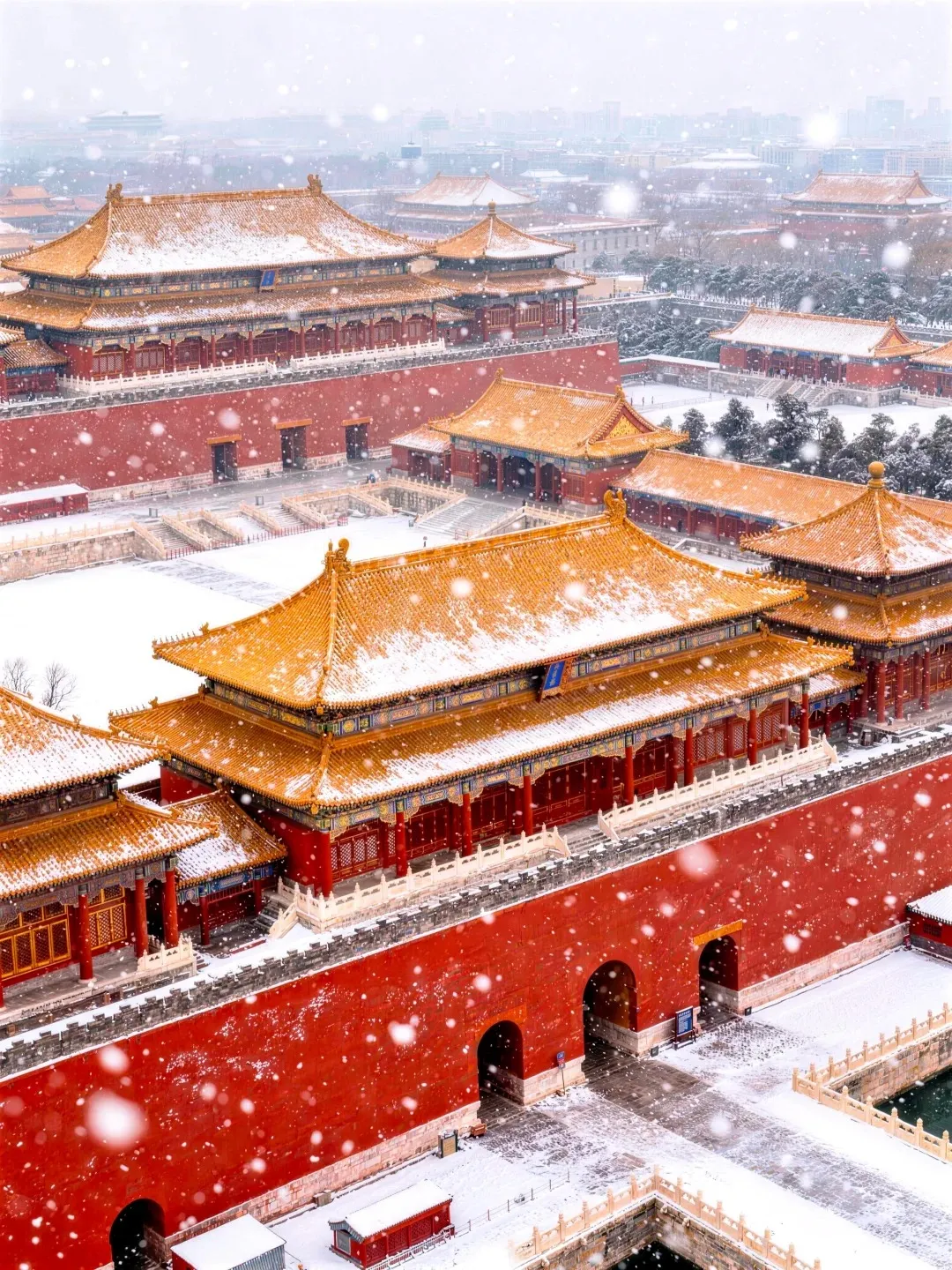
Beijing’s Forbidden City, a UNESCO World Heritage site, becomes a truly magical spectacle under a blanket of snow, making it one of China’s most breathtaking winter destinations to explore.
Practical Tips for 2025 Winter Travel
- Digital Payment: Cash is rarely used. Before you arrive, link your foreign credit card to Alipay or WeChat Pay. You will need this for everything from buying a roasted yam on the street to booking a taxi.
- Clothing: In the south, there is no central heating. 5°C in Shanghai feels colder than -5°C in Beijing because the damp cold seeps into your bones. Pack wool layers for indoor wear if you are traveling south of the Yangtze River.
- Health: Northern China is incredibly dry. Many travelers suffer from nosebleeds. Bring a high-quality moisturizer and wear a mask, which helps humidify the air you breathe.