


The 2026 Lunar Timeline: What Happens When?
Unlike the Gregorian calendar, the Lunar New Year shifts annually. In 2026, we welcome the Year of the Horse. Understanding the rhythm of the 15-day festival is crucial for planning your itinerary.
What is the Spring Festival timeline?
The festival officially runs from the New Year’s Eve reunion dinner to the Lantern Festival 15 days later. However, the travel rush begins roughly 15 days before the holiday and lingers for 25 days after.
- Little Year (Feb 10/11): The prelude. Locals clean their homes to “sweep away bad luck.” You will see streets filling with red decorations.
- New Year’s Eve (Feb 16): The most important night. Families gather for the reunion dinner. Streets become eerily quiet as everyone is indoors, followed by an explosion of fireworks at midnight.
- New Year’s Day (Feb 17): A day for visiting elders and exchanging red envelopes. Temple fairs in cities like Beijing open to the public.
- The Lantern Festival (Mar 3): The grand finale. Parks, especially in Shanghai and Nanjing, light up with massive, intricate lantern displays.
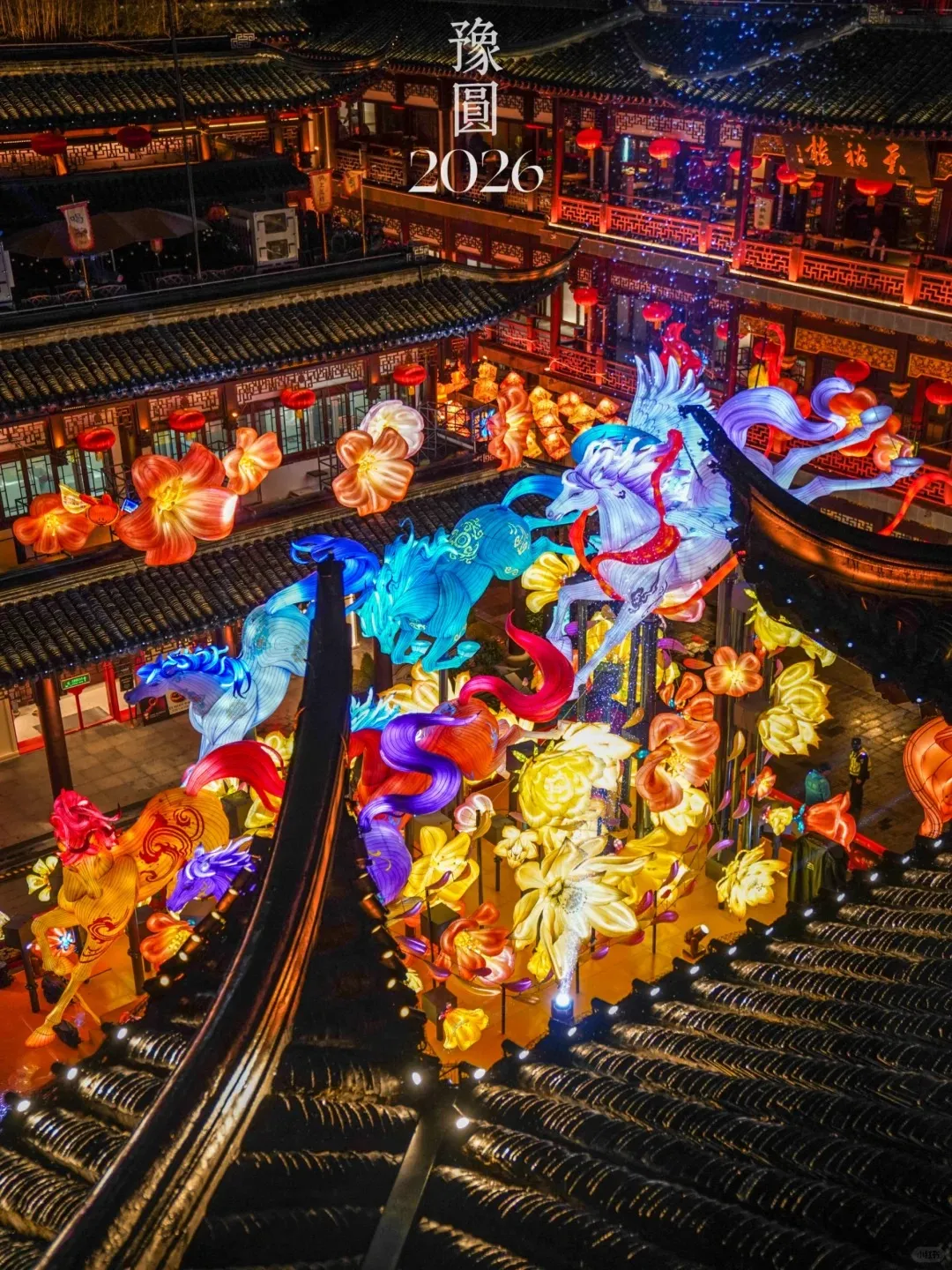
The annual Yuyuan Garden Lantern Festival in Shanghai transforms this historic district into a breathtaking spectacle of light and color, perfectly embodying the festive spirit of Chinese New Year. A must-see for any traveler exploring China’s vibrant traditions, these intricate lantern displays often depict zodiac animals and auspicious symbols, bringing good fortune and joy to visitors.
Navigating “Chunyun”: The Transport Survival Guide
Chunyun is the period when hundreds of millions of workers leave megacities to return to their rural hometowns. If you are traveling between cities, you are swimming upstream.
Insider Tip: Skip the Train, Take the Plane
While China’s high-speed rail network is world-class, during CNY, securing a ticket is a gladiatorial sport. Tickets sell out seconds after release on the official 12306 platform. For a stress-free trip in 2026, book domestic flights. While expensive, they are less likely to be completely sold out than rail tickets. If you must take the train, opt for Business Class or First Class seats, which sell out slower than Second Class.
Regional Celebrations: Where Should You Go?
China is vast, and the flavor of the New Year changes drastically from North to South. Your experience will depend entirely on where you plant your flag.
Beijing and the North: Temple Fairs and Dumplings
In the freezing north, the celebration is boisterous and outdoor-focused. Beijing’s Temple Fairs (Miaohui) at Ditan Park or Dongyue Temple are legendary. Expect dragon dances, stilt walkers, and stalls selling skewers of candied hawthorn (tanghulu).
The Vibe: Traditional, loud, and imperial.
The Food: Dumplings (Jiaozi). Shaped like ancient silver ingots, eating them is believed to bring wealth. A common northern tradition is hiding a clean coin inside one dumpling; the person who finds it is destined for a lucky year.
Guangzhou and the South: Flower Markets and Kumquats
In the warmer south, the atmosphere is floral and superstitious. Guangzhou is known as the “Flower City” during this time. Locals flock to pop-up flower markets to buy kumquat trees (symbolizing gold/wealth) and peach blossoms (for romance).
The Vibe: Colorful, fragrant, and family-oriented.
The Food: Tangyuan (glutinous rice balls) and Nian Gao (sticky rice cake). In the south, the pronunciation of “Nian Gao” sounds like “Year High,” symbolizing progress and promotion.
The Feast: Eating for Luck
You aren’t just eating for flavor; you are eating for your future. Every dish on the New Year table is a homophone for a blessing.
- Fish (Yú): The word for fish sounds exactly like the word for “surplus.” A whole fish is always served at the end of the meal, but—and this is critical—it is never fully eaten. Leaving leftovers symbolizes that you will have surplus wealth in the coming year.
- Noodles: Served uncut and extra long to symbolize longevity. Slurp them; do not bite through the strands.
- Spring Rolls: Resembling gold bars, these are eaten to attract financial prosperity.
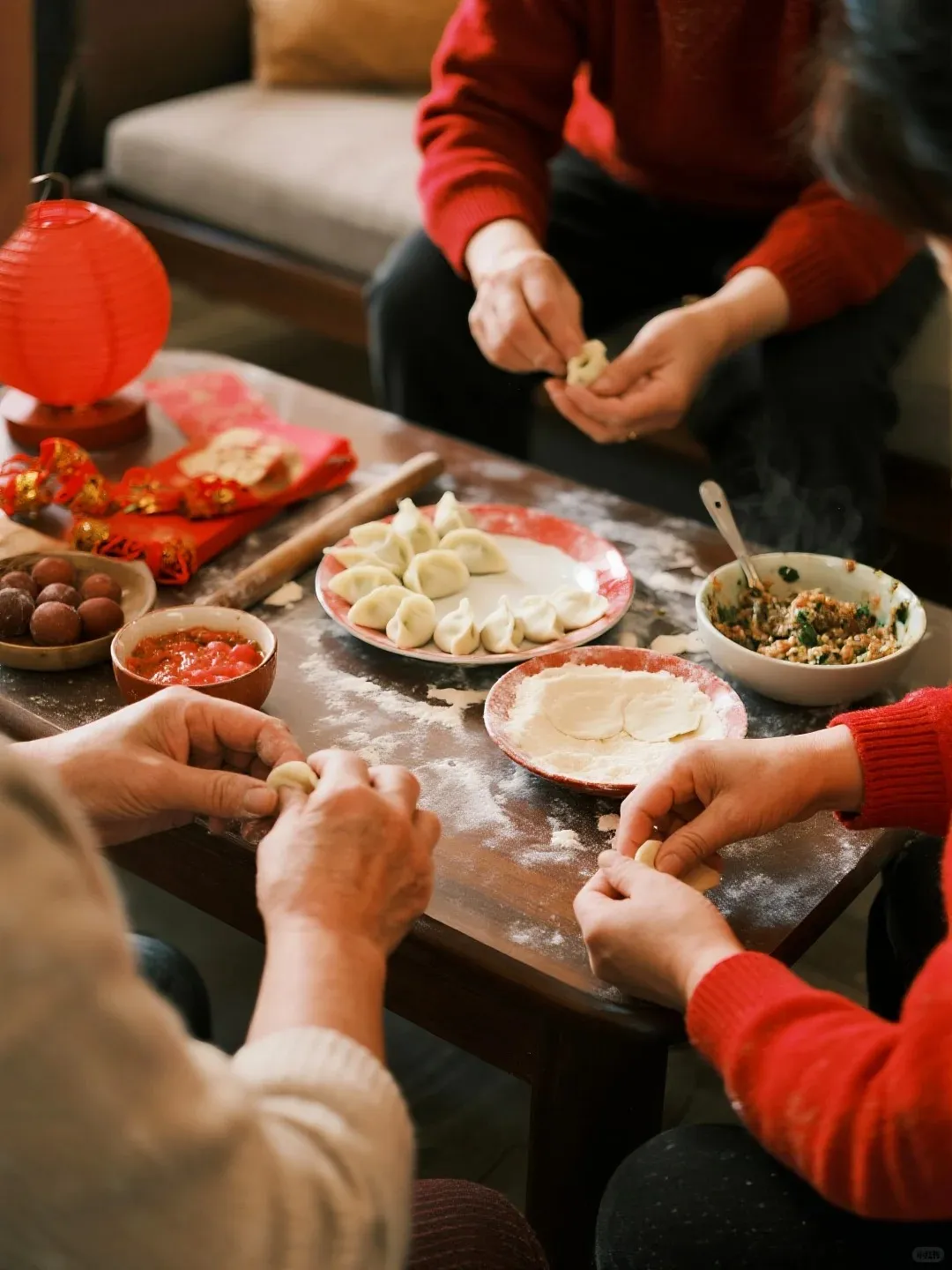
Participating in the traditional art of dumpling making is a quintessential Chinese New Year experience, bringing families together to fold symbols of wealth and good fortune. This cherished custom offers a taste of authentic festivities for any traveler seeking to immerse themselves in the heart of Chinese culture.
Logistics: Staying Connected and Solvent
Traveling in China during the holiday requires specific digital preparation. The “Great Firewall” blocks Google, WhatsApp, Instagram, and most Western maps. Furthermore, cash is becoming obsolete; vendors at temple fairs may not even have change for a 100 RMB note.
The Connectivity Solution
Do not rely on hotel Wi-Fi to access your blocked apps. You need a reliable eSIM that routes your traffic through servers outside of China, allowing you to access the open internet automatically.
💡 Editor’s Pick: We recommend Nomad eSIM for China because it reliably bypasses the Great Firewall with stable speeds. Use code JORICAQLKF at checkout to get $5 USD off your first data plan.
Payment Apps are Mandatory
Before you board your flight, download Alipay or WeChat. Both apps now allow international credit cards (Visa/Mastercard) to be linked directly. You will need these for everything from buying a subway ticket to gifting a digital “Red Envelope” (Hongbao) to a friend.
Etiquette and Taboos: Avoid These Mistakes
Chinese culture is deeply rooted in symbolism, and the New Year is a minefield of superstitions. To show respect (and avoid horrified looks from locals), keep these rules in mind:
- Don’t Sweep: Sweeping the floor on New Year’s Day is strictly forbidden. It is believed you are sweeping away the new luck that just arrived.
- No Haircuts: Get your hair trimmed before the holiday. Cutting hair during the first lunar month is traditionally believed to bring bad luck to your maternal uncles.
- Breakage: If you accidentally break a plate or glass, immediately say “Suì suì píng ān” (岁岁平安). It’s a pun: “Suì” (broken) sounds like “Suì” (year), changing the meaning to “Peace all year round.”
- Red Envelopes: If you are given a red envelope, receive it with both hands as a sign of respect. Do not open it in front of the giver.