
Xi'an After Dark: A Local's Guide to Night Markets Beyond the Muslim Quarter

If you follow the flag-waving tour guides in Xi’an, they will inevitably herd you onto Beiyuanmen Street (the main “Muslim Quarter” drag). In 2026, this street has become a sensory overload of noise, aggressive touts, and overpriced squid skewers that aren’t even local to Shaanxi. To experience the culinary soul of this ancient capital, you need to walk about 500 meters away from the neon lights and find where the locals actually eat.

This Xian night market guide is designed for the independent traveler who wants to trade the tourist traps for authentic Hui (Muslim Chinese) cuisine and regional Shaanxi classics. Here is how to navigate the city’s food scene like a veteran expat.

Quick Summary: Key Takeaways for Your Trip

  • Top Authentic Pick: Dapi Yuan (大皮院) offers the best Halal food without the crushing tourist crowds of Beiyuanmen.
  • Best for Variety: Yongxing Fang (永兴坊) is a “food museum” style complex perfect for sampling regional Shaanxi dishes beyond just BBQ.
  • Payment Rule: Cash is rarely accepted at street stalls in 2026. You must have Alipay or WeChat Pay set up on your phone before you land.
  • Peak Hours: Arrive between 7:00 PM and 9:00 PM for the freshest food; stalls start running out of popular items like Roujiamo by 10:00 PM.
  • Navigation: Google Maps is unreliable. Download Gaode Maps (Amap) or use the ride-hailing app Didi to get to these specific gates.

Summarize with :

The “Tourist Trap” Reality Check: Skipping Beiyuanmen

Beiyuanmen is the street directly behind the Drum Tower. While photogenic, it suffers from what locals call “commercial fatigue.” The prices are roughly 30% higher than neighboring streets, and the quality is inconsistent. The most obvious sign you are in the wrong place is the sound of wooden mallets pounding peanut candy—a performance put on strictly for tourists. For the best street food in Xi’an, you need to go deeper into the alleyways.

Option 1: Dapi Yuan (大皮院) – The Authentic Hui Experience

Located just a 10-minute walk north of the chaotic main strip, Dapi Yuan is where Xi’an’s Hui community actually dines. The vibe here is less “theme park” and more “neighborhood hangout.” The street is narrower, the smoke from the charcoal grills is thicker, and the flavors are unapologetically bold.
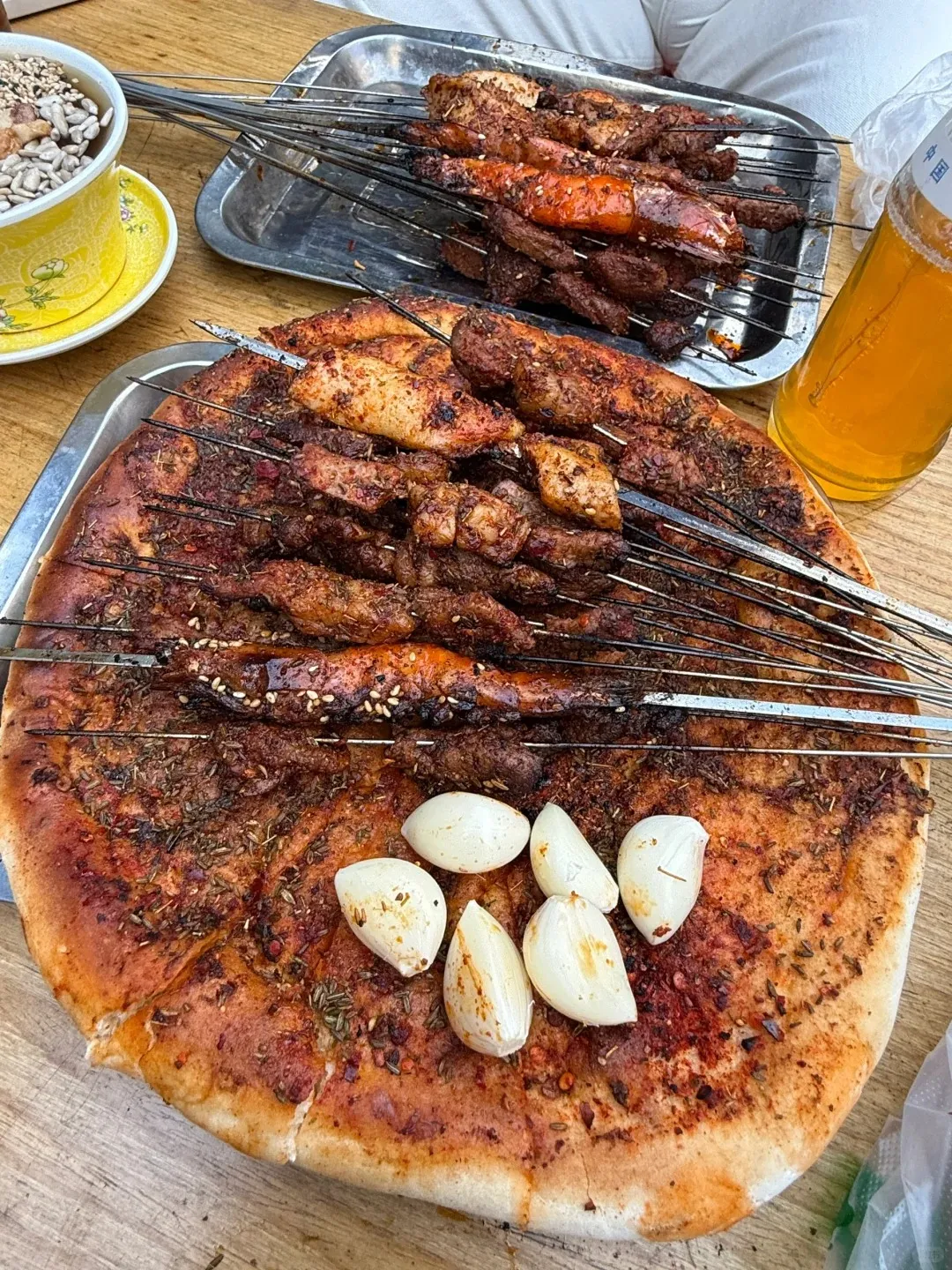
A large, round flatbread seasoned with red spices and green herbs is covered with many metal skewers of grilled meat and some seafood. Six peeled garlic cloves sit on the bread. In the upper background, another tray of grilled skewers, a bottle of beer, and a yellow bowl of seeds are visible on a wooden table.

Beyond the bustling Muslim Quarter, Xi’an’s Dapi Yuan night market comes alive after dark with authentic local flavors. This impressive platter of Xinjiang-style grilled skewers—piled high with spiced meats, seafood, and fresh garlic atop a savory flatbread—is a testament to Xi’an’s vibrant street food scene.

What to Eat at Dapi Yuan

Unlike the generic fry-everything stalls on the main drag, vendors here specialize. Look for these specific dishes:

  • Yangrou Paomo (Lamb Stew with Bread): This is the signature dish of Xi’an. You break unleavened bread into tiny pieces into a bowl, which is then filled with rich lamb broth and vermicelli. Insider Tip: If a shop asks you to break the bread yourself, do it. The smaller the pieces, the better the flavor absorption.
  • Cured Beef Roujiamo: Often called a “Chinese Burger,” the Halal version uses cured, cold beef slices in a hot, crispy bun rather than the stewed pork found elsewhere. Look for the longest line; turnover is crucial for fresh buns.
  • Biang Biang Noodles: Named after the sound the dough makes when slapped against the counter. These wide, hand-pulled noodles are coated in chili oil and vinegar.

Option 2: Yongxing Fang (永兴坊) – The “Food Museum”

If Dapi Yuan is gritty and traditional, Yongxing Fang is curated and orderly. Located near the Zhongshan Gate of the City Wall, this area was built to showcase intangible cultural heritage foods from across Shaanxi province, not just Xi’an city. It operates on a prepaid card or QR code system and is exceptionally clean, making it a great entry point for travelers with sensitive stomachs.

The “Smashing Bowl” Ritual

You will likely see a crowd gathering around a stack of ceramic bowls. This is the Shuai Wan Jiu (Smashing Bowl Wine) experience. Travelers drink a small bowl of rice wine and then smash the bowl into a heap of shards for good luck. While gimmicky, it is a massive viral trend in China and a fun photo opportunity.
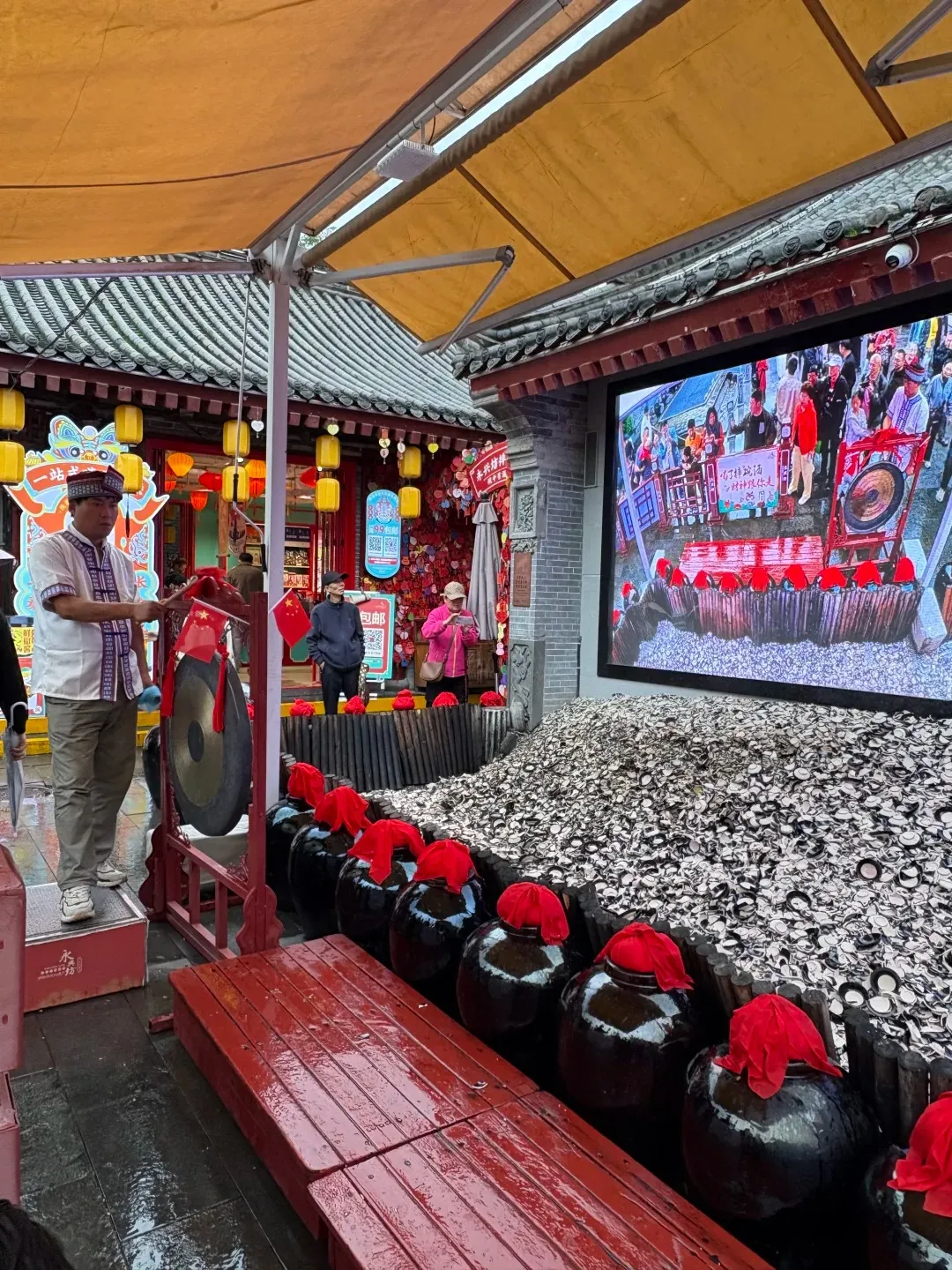
A man in a white tunic and patterned hat stands next to a large black gong on a red wooden frame. In the foreground, several large black ceramic jars with red cloths on top line a red wooden platform. Behind them, a large mound of shattered white and black ceramic bowls is piled up. A large outdoor digital screen in the background displays a similar festive scene with people.

Dive into the lively atmosphere of Yongxing Fang, where the tradition of smashing ceramic bowls after a shot of local rice wine offers a unique and exhilarating experience, perfectly capturing Xi’an’s vibrant night market scene beyond the well-trodden paths.

Logistics: Connectivity and Payments

Navigating these markets in 2026 requires digital preparation. You cannot hail taxis easily on the street anymore; you must use apps like Didi or navigate the Metro. Furthermore, accessing menus (which are often QR-code only) requires a stable internet connection that bypasses the Great Firewall.

Digital Survival Essentials

Do not rely on hotel Wi-Fi or standard roaming. To access Google Translate, Maps, and your social media while standing in line for dumplings, you need a high-speed eSIM that routes traffic through servers outside of China.

💡 Editor’s Pick: We recommend Nomad eSIM for China because it reliably bypasses the Great Firewall with stable speeds. Use code JORICAQLKF at checkout to get $5 USD off your first data plan.

Ordering in Mandarin: A Cheat Sheet

English is rarely spoken at these local stalls. Save these phrases to your phone:

  • “Zhe ge” (Jay-guh) – “This one” (Point at what you want).
  • “Bu yao la” (Boo yow lah) – “No spice/Not spicy.” (Critical if you have a low tolerance, as Shaanxi food loves chili oil).
  • “Duo shao qian?” (Dwuh shau chee-en) – “How much money?”
  • “Yi ping shui” (Ee ping shway) – “One bottle of water.”

Common Questions About Xi'an Street Food

What is the best night market in Xi'an for tourists?

While the Muslim Quarter (Beiyuanmen) is famous, the best authentic experience is at Dapi Yuan. It offers better quality Halal food and lower prices without the aggressive crowds found at the main tourist spots.

In 2026, cash is rarely accepted at street stalls. You must have Alipay or WeChat Pay set up on your smartphone before arriving, as vendors rely almost exclusively on QR code mobile payments.

Generally, yes, especially at busy stalls with high turnover like those in Dapi Yuan. If you have a sensitive stomach, consider visiting Yongxing Fang, a ‘food museum’ complex known for higher hygiene standards and regulated vendors.

The essential dishes to try are Roujiamo (cured beef burger), Yangrou Paomo (lamb stew with bread), and Biang Biang noodles. Look for stalls specializing in just one or two items for the best quality.

Conclusion

Xi’an’s nightlife is defined by its food. While the Bell Tower and Drum Tower are stunning when lit up at night, the real memory of the city will be the scent of cumin and charcoal at Dapi Yuan. By stepping just a few blocks away from the tour groups, you gain access to better flavors, fairer prices, and a genuine interaction with the city’s history. Don’t just look at the food—grab a stool, sit shoulder-to-shoulder with the locals, and dig in.

Similar posts to this one

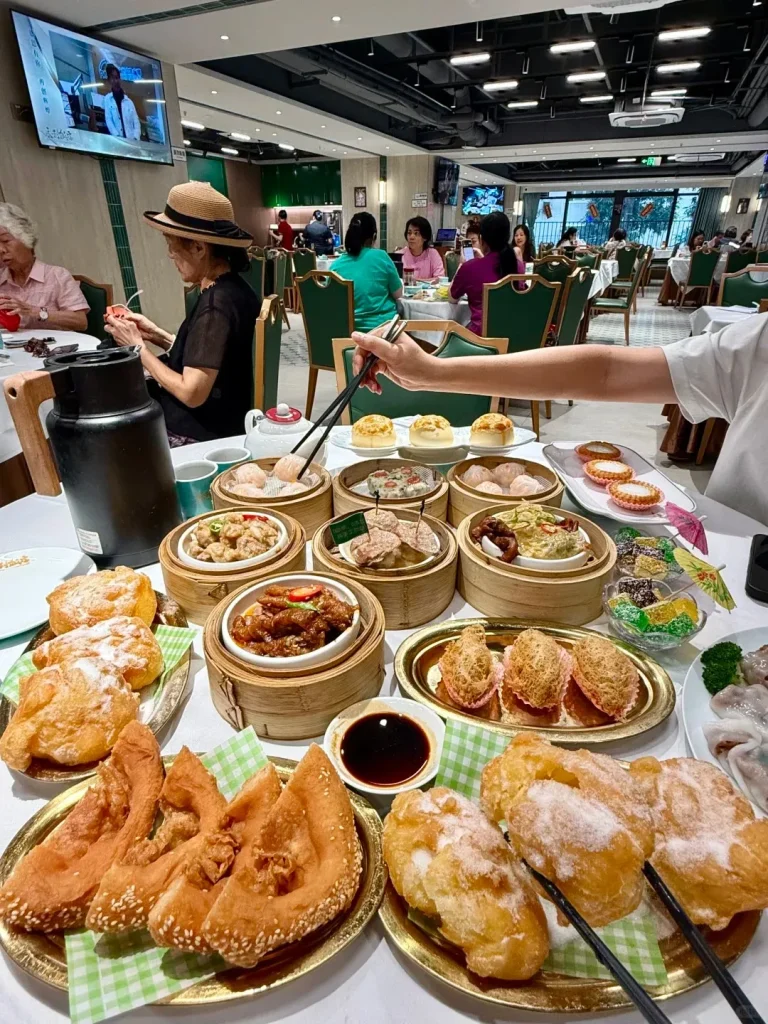
A large white dining table at a bustling Chinese dim sum restaurant is covered with a wide variety of dishes. Bamboo steamers hold different types of steamed dumplings, while plates display golden-brown fried sesame-coated pastries, sugar-dusted fried dough, taro puffs, and small bowls contain chicken feet and colorful jelly. A black tea thermos, a small white teapot, and a bowl of soy sauce are also on the table. In the foreground, a person's hand uses chopsticks to pick a dumpling from a steamer basket. Other diners are seated at tables in the background with a television screen mounted on the wall.

Guangzhou Dim Sum Guide: Etiquette, Ordering & Top Teahouses

The clatter of porcelain, the thick steam rolling off bamboo baskets, and the rapid-fire Cantonese echoing across a crowded banquet [...]

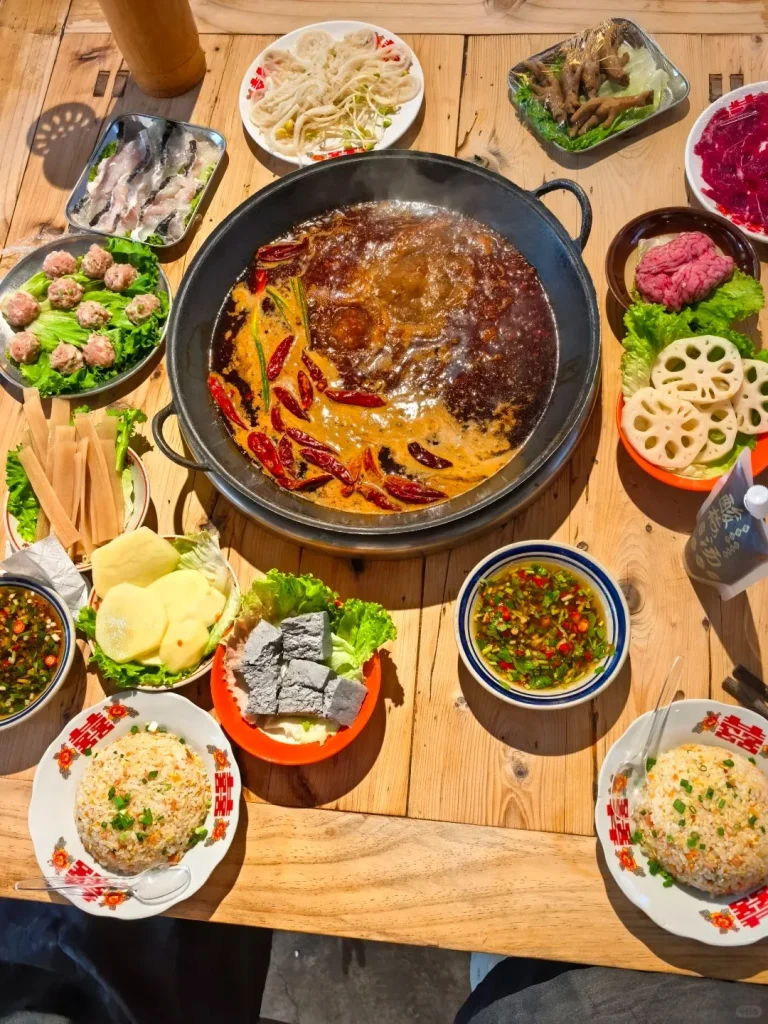
A vibrant overhead shot of a large, black Yin-Yang hot pot with bubbling red chili oil and clear broths, surrounded by numerous plates of raw ingredients on a wooden table. These include thinly sliced beef, fish fillets, tripe, meatballs, lotus root, potatoes, dark tofu or blood curd, seasoned chicken feet, two bowls of dipping sauce, and two plates of fried rice.

A Guide to the Best Hot Pot Restaurants in Chengdu for First-Time Visitors

Arriving in Sichuan's capital without eating hot pot is like visiting Paris and skipping the Eiffel Tower. The moment you [...]

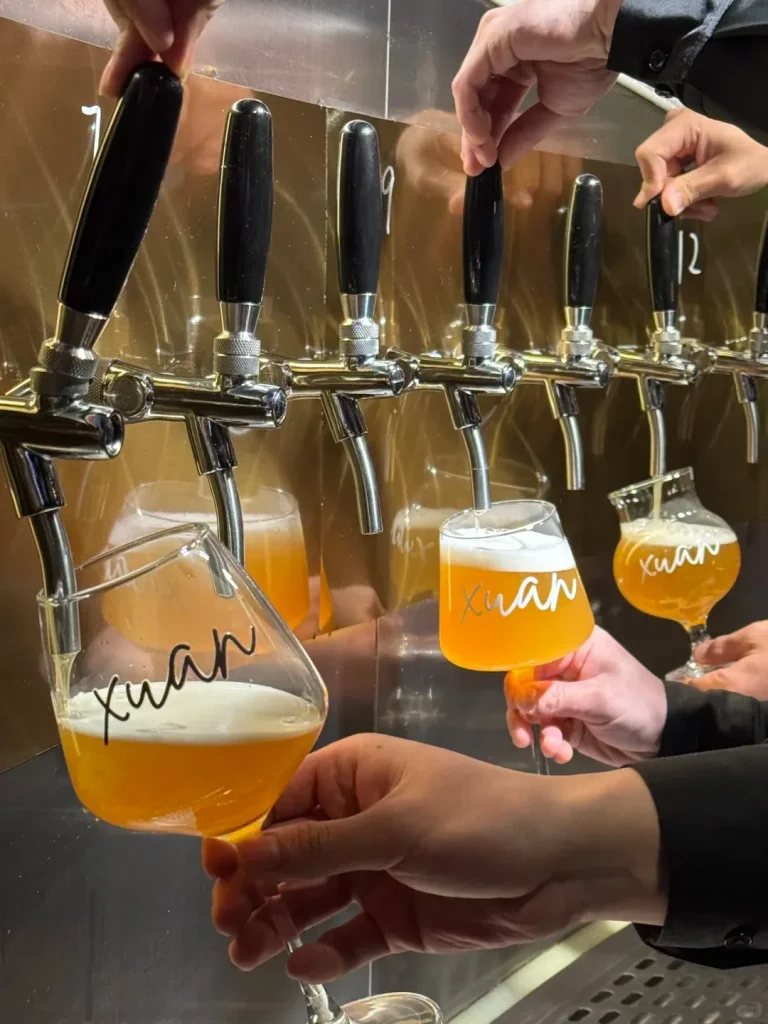
Multiple hands operating chrome beer taps against a gold-colored wall, pouring amber craft beer into various stemmed glasses. The glasses are branded with the black script 'xuan' and show a foamy head on the beer.

Beijing Craft Beer Guide: Best Breweries in the Hutongs

If you think Beijing’s drinking culture is strictly limited to baijiu toasts and light lagers, you are in for a [...]

Get the China Arrival Survival Kit

Planning a trip here has a steep learning curve. Join our newsletter and receive our free “Day One Checklist” covering everything from setting up Alipay and WeChat to bypassing the internet firewall.