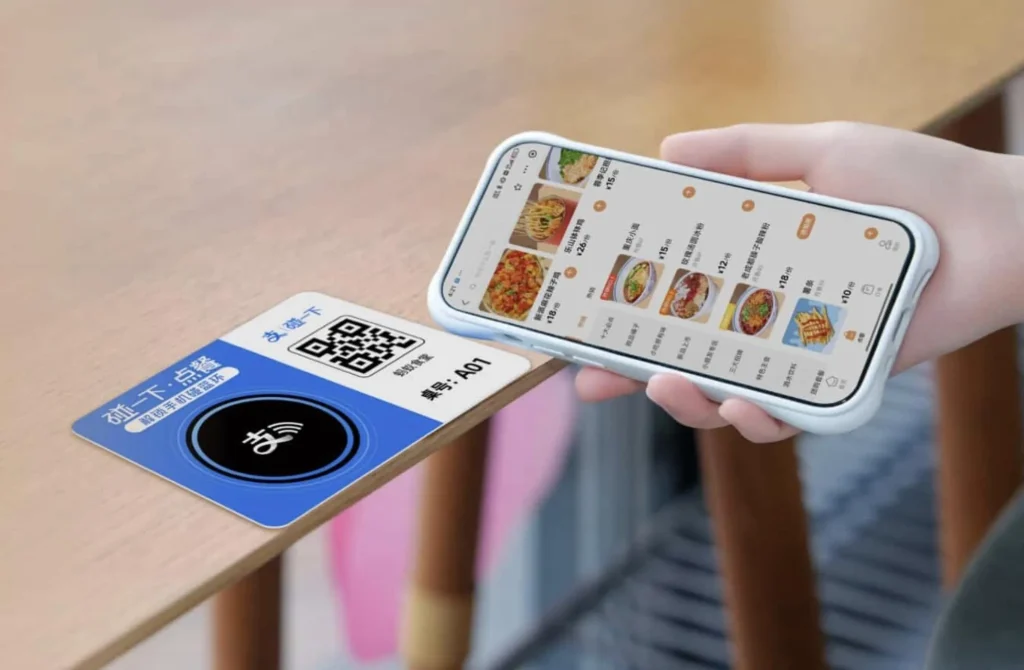



The “Super Apps”: Alipay and WeChat
In China, these aren’t just apps; they are operating systems for daily life. You will likely open one of these two apps 50 times a day.
Alipay (Zhifubao)
For most travelers in 2026, Alipay is slightly more user-friendly than WeChat regarding international credit cards. You no longer need the old “Tour Pass.” You can simply add your foreign Visa or Mastercard directly to the wallet.
Insider Tip: When verifying your identity in Alipay, ensure your name matches your passport exactly (including middle names). A mismatch here is the #1 reason verification fails. Also, note that transactions under 200 RMB usually waive the 3% international transaction fee, so split your payments if buying expensive souvenirs.
WeChat (Weixin)
While Alipay is great for commerce, WeChat is essential for communication. Most tour guides, hotel concierges, and new friends will ask to scan your WeChat QR code rather than exchanging phone numbers.
What are Mini-Programs?
Mini-programs are “apps within an app.” Instead of downloading separate apps for ride-hailing, food delivery, or bike-sharing, you access them through WeChat or Alipay. This saves storage space and usually provides an English interface that the standalone Chinese apps lack.

From modern cities to traditional street markets, mobile payments like WeChat Pay are an essential travel app in China. This vendor uses a QR code for convenient digital transactions, showcasing the seamless integration of technology into everyday commerce.
Navigation: Why Google Maps Will Get You Lost
Do not rely on Google Maps in China. Due to the “GCJ-02” encryption (often called the “Mars Coordinates” system), the GPS data on Google Maps is often shifted by 50 to 500 meters. You will see yourself standing in the middle of a river when you are actually on a bridge.
The iPhone Hack: Apple Maps
If you use an iPhone, you are in luck. Apple Maps licenses data from Amap (AutoNavi), one of China’s top providers. When you are inside China, Apple Maps automatically switches to this detailed local data while keeping the interface in English. It includes subway exits, bus lines, and even indoor maps of malls.
For Android: Amap (Gaode) vs. Baidu Maps
If you are on Android, your best bet is Amap (Gaode Ditu). While the interface is primarily in Chinese, it is incredibly visual. It offers the most accurate traffic data and pedestrian directions. Baidu Maps is the alternative, offering a “Tourist Mode” with limited English, but many seasoned expats prefer Amap for its precision.
Getting Around: Didi and Trains
Ride-Hailing with Didi Chuxing
Hailing a taxi by waving your hand is virtually impossible in Tier 1 cities like Beijing or Shenzhen. You need Didi. However, do not download the Didi app from the App Store.
Instead, open Alipay, search for “Didi,” and use the mini-program. This version automatically translates your destination address from English to Chinese for the driver and charges your linked credit card. It also includes a “text-to-speech” translation feature so you can message the driver “I am at the hotel lobby,” and they will hear it in Mandarin.
High-Speed Trains: 12306 vs. Trip.com
What is 12306?
12306 is the official government railway app. While it theoretically accepts foreign passports, the verification process is notoriously glitchy and often requires a Chinese phone number.
Is it Worth It?
Honestly, no. Save yourself the headache and use Trip.com. While they charge a small service fee (usually around $3–$5 USD), they offer excellent English support and, crucially, will automatically reissue tickets if the train schedule changes—a common occurrence. The peace of mind is worth the few dollars.
Connectivity: Crossing the Great Firewall
To access Instagram, Gmail, WhatsApp, and even your western banking apps, you need to bypass China’s internet censorship. In the past, travelers relied on VPN apps, which are often throttled or blocked entirely during sensitive political events.
In 2026, the superior solution is using an international eSIM. Because the data is routed through a foreign carrier (like a provider in Hong Kong or Singapore), you are technically “roaming,” which allows you to bypass the firewall automatically without draining your battery running a VPN app.
💡 Editor’s Pick: We recommend Nomad eSIM for China because it reliably bypasses the Great Firewall with stable speeds. Use code JORICAQLKF at checkout to get $5 USD off your first data plan.
Insider Tip: If you plan to use hotel Wi-Fi, you will still need a VPN installed as a backup, because Wi-Fi connects you to the local censored internet. However, for daily navigation and payments, 5G data via eSIM is faster and more reliable.
Translation: Beyond Google Translate
While Google Translate allows you to download offline language packs (essential!), it often struggles with the context of Chinese menus. A “Spicy Chicken” might translate literally to something terrifying like “Exploding Hen.”
- DeepL: Offers significantly more natural translations for text conversations.
- WeChat Scan: Use the “Scan” function in WeChat and switch to “Translate.” It is surprisingly good at reading stylized fonts on restaurant menus that Google Lens often misses.
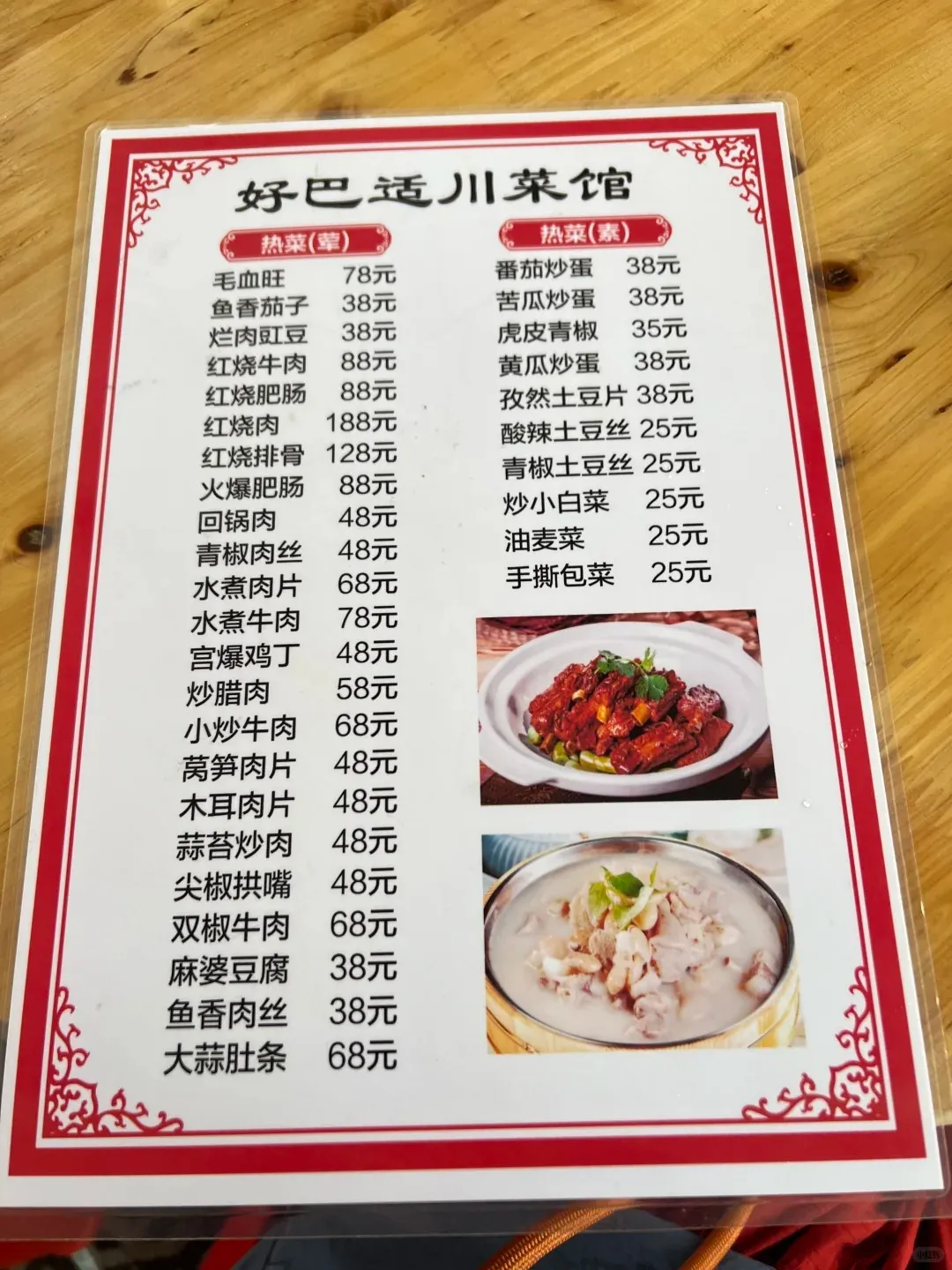
A typical menu from a Sichuan restaurant in China. While deciphering dishes like Mapo Tofu or Kung Pao Chicken might seem challenging, essential travel apps can provide instant translations, helping you order local favorites with ease.