


The Big Players: Luckin, Manner, and Starbucks
To survive as a coffee lover in China, you need to understand the hierarchy of the streets. While Starbucks is ubiquitous, it is often considered the “expensive” option (approx. 30-35 RMB per cup) and is mostly populated by people working on laptops.
Luckin Coffee (The Tech Giant)
Luckin is the king of volume. You will see their blue deer logo everywhere. Insider Tip: Do not walk up to the counter and try to speak to the barista to order. They likely won’t have a register. You must scan the QR code on the counter, which opens a mini-program on your phone. If you don’t have Alipay or WeChat Pay set up, you physically cannot buy coffee here.
Manner Coffee (The Quality Choice)
Manner is the darling of the Shanghai coffee scene. They operate out of tiny, hole-in-the-wall spaces but use expensive espresso machines and high-grade beans. Prices are reasonable (15-20 RMB), but the lines during the morning rush hour (8:30 AM – 9:30 AM) can be intense.
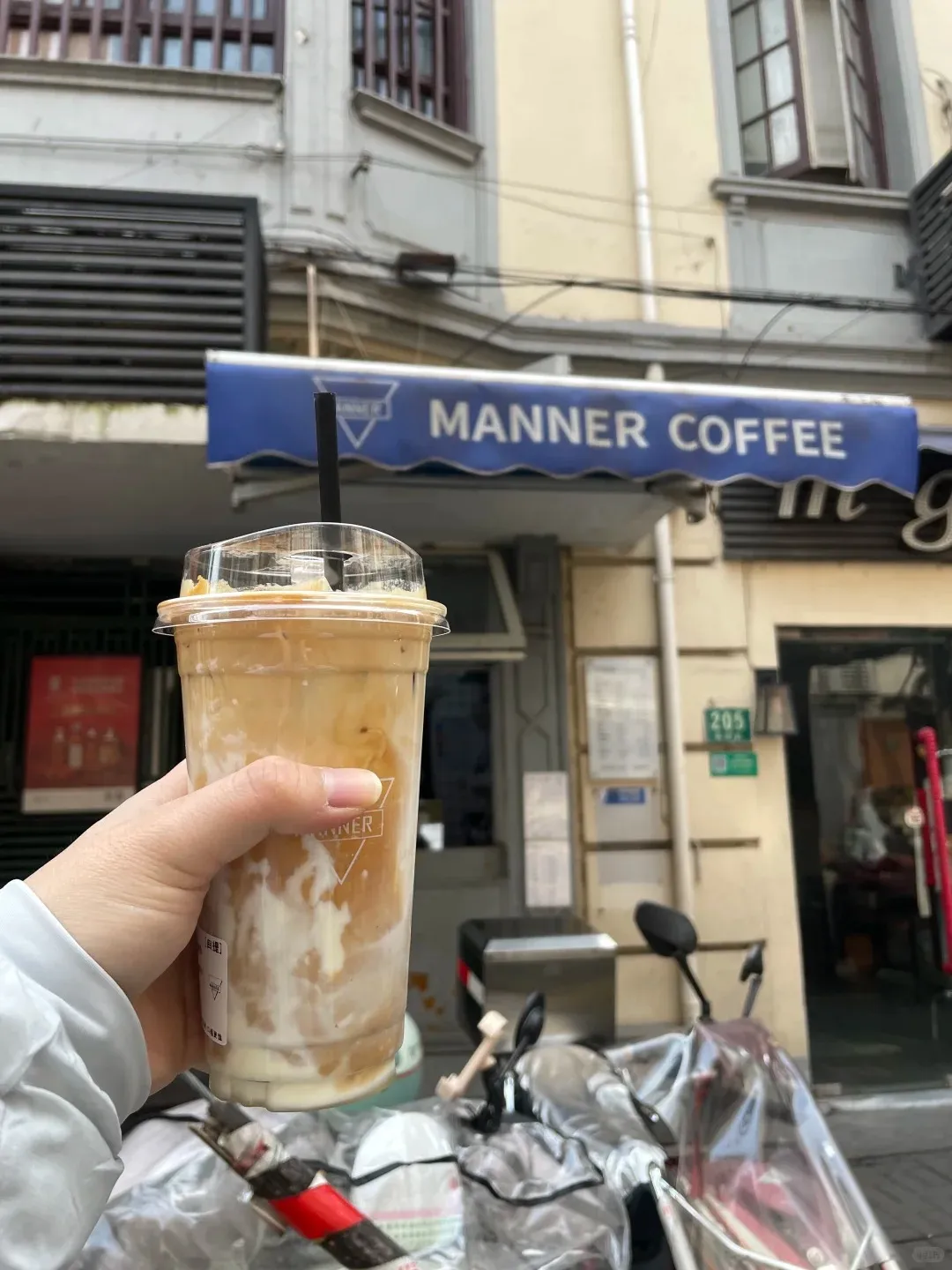
A refreshing iced latte from Manner Coffee is a staple for many exploring China’s vibrant coffee culture. Learn how to navigate menus and local specialties to order your perfect cup!
Digital Logistics: How to Actually Place an Order
In 2026, the barrier to entry isn’t language; it’s connectivity. Because menus are digital, you need a stable internet connection the moment you step inside. Public Wi-Fi in China often requires a Chinese phone number to authenticate, which leaves many travelers stranded.
To ensure you can load the menu and complete your payment via Alipay, you need reliable mobile data that bypasses the Great Firewall.
💡 Editor’s Pick: We recommend Nomad eSIM for China because it reliably bypasses the Great Firewall with stable speeds. Use code JORICAQLKF at checkout to get $5 USD off your first data plan.
Step-by-Step Ordering Process
- Scan the QR Code: Found on the table or the counter.
- Select Your Drink: The interface is visual. Look for the pictures. Translation apps like Baidu Translate or Google Lens work well here if the app doesn’t have an English toggle.
- Customize: You will be prompted to choose temperature (Hot/Ice) and Sugar (Standard, Less, Half, Zero).
- Pay: The app automatically pulls funds from your linked Alipay/WeChat wallet.
- Wait for your Number: The barista will call out a number, or the app will buzz.
Decoding the Menu: Essential Mandarin for Coffee
Even if you are ordering digitally, knowing the characters helps you spot the right category instantly. If you find yourself in a smaller, analog cafe (which still exist in rural areas or hipster enclaves), you will need to speak these.
The Basics
- Coffee: 咖啡 (Kāfēi)
- Americano: 美式 (Měishì) – The cheapest and most common option.
- Latte: 拿铁 (Nátiě)
- Cappuccino: 卡布奇诺 (Kǎbùqínuò)
- Flat White: 澳白 (Àobái)
- Espresso: 浓缩 (Nóngsuō)
Customization (The Important Part)
Chinese coffee drinkers are very particular about temperature and sweetness. Getting this wrong can ruin your drink.
- Iced: 冰 (Bīng)
- Hot: 热 (Rè)
- Oat Milk: 燕麦奶 (Yànmài nǎi) – Extremely popular in 2026.
- Skim Milk: 脱脂奶 (Tuōzhī nǎi)
- No Sugar: 无糖 (Wú táng) – Highly recommended, as “standard” sugar is often very sweet.
Insider Tip: The “Dirty” Coffee Phenomenon
If you see a drink on the menu simply labeled “Dirty” (often written in English), order it. This is a staple of the modern coffee shop chinese experience. A “Dirty” is made by pouring hot, concentrated espresso directly over cold, specially chilled milk (often mixed with heavy cream) without ice.
How to drink it: Do not stir it! You are supposed to take large gulps so you get the hot, bitter coffee and the cold, sweet milk simultaneously. It creates a temperature and flavor contrast that is unique to the East Asian coffee scene.
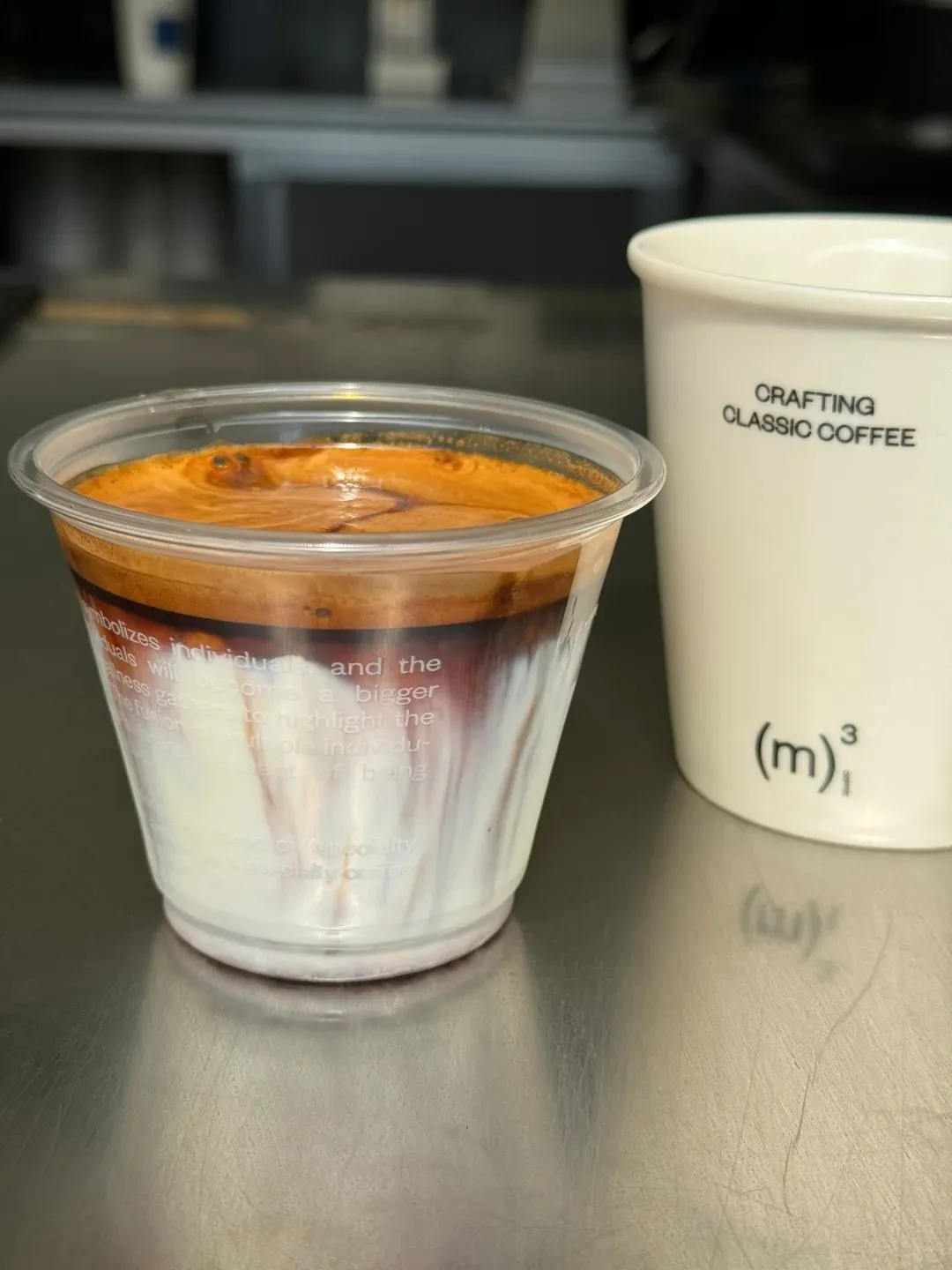
When navigating the vibrant coffee scene in China, don’t miss out on unique local favorites like ‘dirty coffee’—a stunning layered concoction of rich espresso and cold milk that offers a delightful texture and flavor contrast.
What to Know Before You Go
The “Room Temperature” Confusion
In Traditional Chinese Medicine, cold drinks are often avoided. Consequently, if you order a drink “warm” or “room temperature” (Changwen), it might come out lukewarm, which can be unappealing for milk-based coffees. Stick to “Re” (Hot) or “Bing” (Iced) to ensure food safety and taste.
Opening Hours Reality Check
One common mistake travelers make is expecting to find a cute, independent roastery open at 7:00 AM. In cities like Chengdu, Hangzhou, or even parts of Beijing, independent cafes often don’t open their doors until 10:00 AM or later. If you are an early riser, your best bet is a hotel breakfast buffet, a convenience store (Lawson and FamilyMart serve decent machine coffee), or a global chain like Starbucks or Tim Hortons.