


1. The “Invisible” Packing List: Digital Essentials
Before you even open your suitcase, you must prepare your phone. In 2025, a smartphone is not a luxury in China; it is your wallet, your translator, and your map. Without it, you are effectively stranded.
VPNs and Connectivity
What is the Great Firewall?
The Great Firewall is China’s legislative and technological system that regulates the domestic internet. It blocks foreign platforms like Google, Meta (Facebook/Instagram/WhatsApp), YouTube, and many Western news sites. To access these, you need a workaround.
Do not wait until you arrive to download a VPN. Most VPN websites are blocked within China. Install a reliable paid service (like Astrill or LetsVPN) on all your devices before departure. Alternatively, purchase an eSIM (like Airalo or Holafly) which often bypasses the firewall by routing data through a third country.
Payment Apps
China is a nearly cashless society. Even street food vendors selling roasted sweet potatoes expect mobile payment.
- Alipay: The most foreigner-friendly option. You can link your international Visa or Mastercard directly to the app.
- WeChat Pay: Essential for communication and payments, though verification can sometimes be trickier for foreigners.
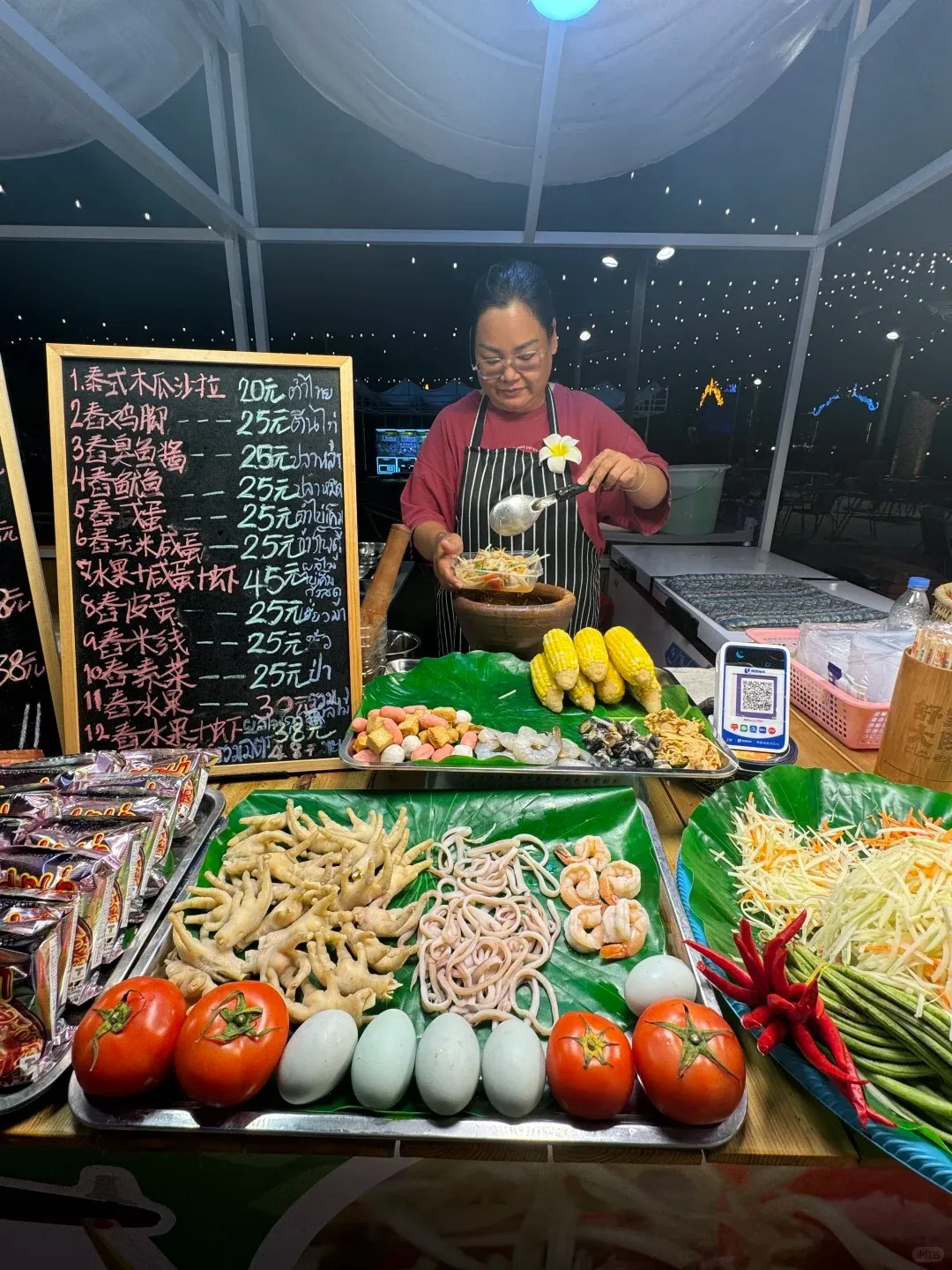
Beyond packing essentials, preparing for a trip to China means getting ready to immerse yourself in vibrant local culture. Be sure your packing list includes space for delicious street food experiences like these, often paid for effortlessly with popular mobile apps like Alipay or WeChat Pay.
2. China Packing Guide by Season
China is roughly the size of the United States, so “weather in China” is a vague concept. Here is how to pack based on when you are visiting.
Spring (April – May)
Spring is pleasant but unpredictable. In the North (Beijing, Xi’an), it is dry and dusty—sandstorms from the Gobi Desert are possible in April. In the South (Guilin, Shanghai), it is the start of the rainy season.
- Pack: Layers are key. A light trench coat, breathable cotton shirts, and a KN95 mask (for dust in the north).
- Insider Tip: If visiting Hangzhou or Suzhou, waterproof shoes are mandatory. The “plum rains” are relentless.
Summer (June – August)
Summer is universally hot, but the type of heat varies. It is grueling. Beijing is a dry oven; Shanghai and Hong Kong are steam rooms.
- Pack: Quick-dry fabrics (avoid heavy cotton that won’t dry in humidity), portable handheld fan, and high-SPF sunscreen.
- Mistake to Avoid: Don’t pack short-shorts for temple visits. While cities are modern, religious sites still require modest dress covering knees and shoulders.
Autumn (September – October)
Widely considered the best time to visit. The humidity breaks, and the foliage is stunning, especially at the Great Wall.
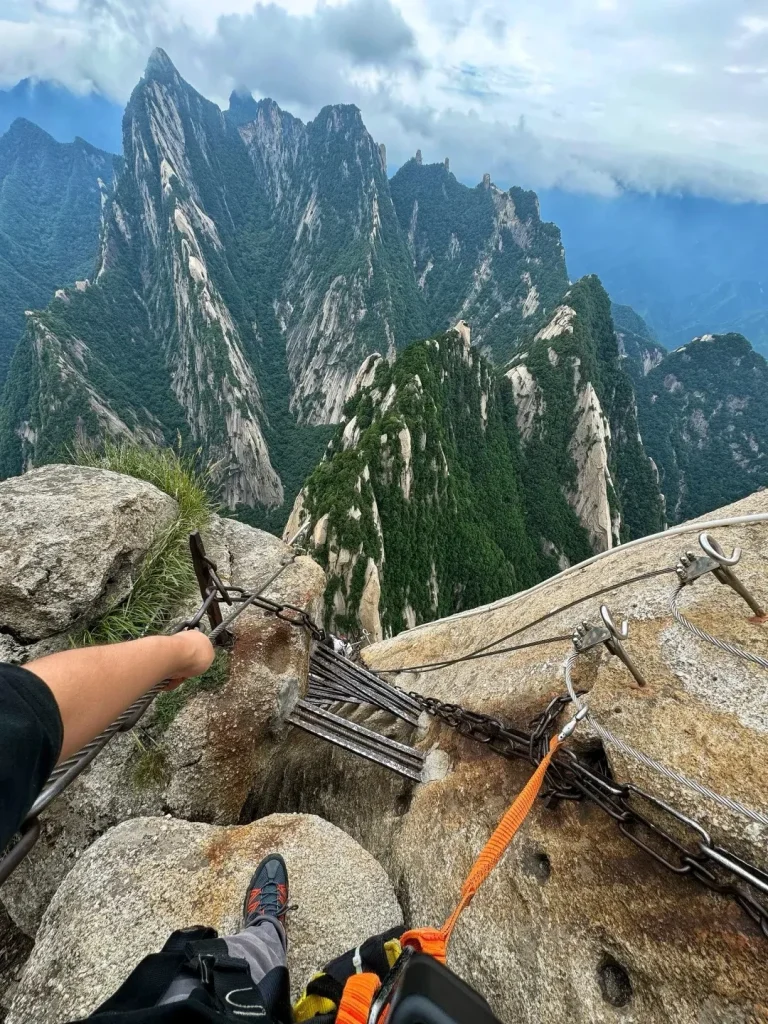
- Pack: A light fleece or denim jacket for evenings. Good hiking boots if you plan to visit the Yellow Mountains (Huangshan) or Avatar Mountains (Zhangjiajie).
- Warning: Avoid the first week of October (Golden Week). Domestic crowds are overwhelming, and ticket prices triple.
Winter (November – March)
This season requires specific attention to the “Qinling-Huaihe Line,” which divides North and South China.
- North (Beijing, Harbin): There is central heating indoors (often too hot), but outside is freezing. Pack thermal base layers, a heavy down jacket, and lip balm (the air is incredibly dry).
- South (Shanghai, Chengdu): There is no central heating. While it rarely freezes, the damp cold sinks into your bones. Indoors can feel colder than outdoors. Pack wool socks and warm pajamas.
3. Regional Specifics: Where Are You Going?
The Megacities (Shanghai, Beijing, Shenzhen)
These cities are fashion-forward. You will walk 20,000 steps a day, often on concrete or marble subway floors.
- Footwear: Leave the hiking boots at home unless you are actually hiking. Stylish, cushioned sneakers are the norm.
- Style: Smart casual. You will feel underdressed in sweatpants at a Shanghai cocktail bar.
The Silk Road & The West (Gansu, Xinjiang, Tibet)
High altitude and intense UV rays define this region.
- Essentials: Polarized sunglasses, wide-brimmed hat, and heavy moisturizer. The air is so dry your skin will crack without it.
- Oxygen: If heading to Lhasa, portable oxygen canisters can be bought locally, but bring Acetazolamide (Diamox) if your doctor prescribes it for altitude sickness.

Planning a trip to see China’s incredible geological wonders, like the famous Danxia landforms in Zhangye, Gansu? Remember that clothing and gear needs vary significantly across the country’s diverse regions – from these colorful desert mountains to lush coastal areas. Our comprehensive packing list helps you prepare for any Chinese adventure!
4. Health, Hygiene & “contrarian” Tips
This section addresses the reality of travel in China that glossy brochures often miss.
The Toilet Situation
Western “sit-down” toilets are becoming common in malls and hotels, but squat toilets remain the standard in parks, train stations, and older restaurants.
- The Golden Rule: Always carry a packet of tissues. Toilet paper is almost never provided in public stalls.
- Hand Sanitizer: Soap is also a rarity in public restrooms. Bring a small bottle of sanitizer.
Medication & Personal Care
Foreign medicine can be difficult to identify or purchase without a Chinese ID card.
- Stomach Issues: Travelers’ diarrhea is common due to different cooking oils. Pack Imodium or Pepto-Bismol.
- Deodorant: It is not a daily essential for many locals, so finding Western-style stick deodorant is difficult outside of import supermarkets. Bring your own.
- Feminine Hygiene: Tampons are scarce in convenience stores; pads are the norm. Bring your preferred supply.
What NOT to Pack
- Too much Cash: You only need a small amount of RMB for emergencies. Most places cannot even make change for a 100 RMB note.
- Expensive Jewelry: While China is very safe regarding violent crime, flashing wealth makes you a target for “tea house scams” or overcharging.
- Google-dependent Tech: A Chromecast or Google Home device will be a paperweight in your hotel room.
5. Important Documentation
What is the 144-Hour Visa-Free Transit?
This policy allows travelers from 54 countries to enter specific regions in China (like Shanghai-Jiangsu-Zhejiang or Beijing-Tianjin-Hebei) for up to 6 days without a visa, provided they hold a confirmed ticket to a third country/region. You cannot just book a round trip (e.g., NY -> Shanghai -> NY).
Regardless of your visa type, ensure you have:
- Passport Copies: Paper and digital. Hotels must scan your passport upon check-in.
- Police Registration: If you are staying with friends (not a hotel), you must register at the local police station within 24 hours. If staying in a hotel, they do this for you.
- Phrases Card: A printed card with your hotel address in Chinese characters (Hanzi). Taxi drivers generally do not read English or Pinyin.