
Seasonal Guide to China’s Festivals: What Travelers Can Actually Do

Most travel guides paint a romantic picture of Chinese festivals: lanterns floating gently down rivers and dragons dancing in empty streets. The reality? It is often a test of endurance involving “people mountains, people seas” (ren shan ren hai). However, if you time it right and know where to look, experiencing a traditional festival in China is the most electrifying travel experience you can have.

Whether you are braving the sub-zero festivities in Harbin or navigating the flower markets of Guangzhou, this guide cuts through the fluff to tell you how to survive—and enjoy—China’s chaotic holiday calendar.

Quick Summary: Key Takeaways for Travelers

  • The “Big Two” Closures: Only Chinese New Year (Jan/Feb) and National Day Golden Week (Oct 1-7) significantly impact business hours and transport availability. Plan 6 months ahead.
  • Best Cultural Balance: The Mid-Autumn Festival (Sept/Oct) offers iconic imagery (lanterns, mooncakes) with manageable crowds compared to CNY.
  • Transport Reality: Train tickets release 15 days in advance on the official 12306 platform and sell out in seconds. Use “pre-booking” features on Trip.com if you don’t read Chinese.
  • Payment Prep: 90% of festival stalls do not accept cash. Link your foreign credit card to Alipay or WeChat Pay before you board your flight.

Summarize with :

Chinese New Year (Spring Festival): The Ultimate Survival Guide

Occurring in late January or early February, this is the world’s largest human migration. The mistake most travelers make is assuming the cities will be vibrant street parties 24/7. In reality, Day 1 and Day 2 of the New Year are often quiet family times, and major cities like Beijing and Shanghai can feel like ghost towns as migrant workers return to their home villages.

Where to Go for the Real Experience

To see the festivities, you must go where the locals congregate publicly. Here are the three best options according to current travel trends:

  • Beijing (Temple Fairs): Skip the Forbidden City on Day 1. Head to the Ditan Park Temple Fair. Expect deafening noise, the smell of cumin lamb skewers, and crowds that move as a single unit. It is intense, but it is the authentic “Beijing flavor.”
  • Guangzhou (Flower Markets): For a warmer experience, visit the flower fairs in the Yuexiu or Liwan districts. Locals buy kumquat trees and peach blossoms for luck. The sensory experience here is fragrant and humid, a stark contrast to the north.
  • Harbin (Ice & Snow Festival): If you can handle -30°C (-22°F), Harbin is the peak winter destination. The ice sculptures are lit with neon lights, but be warned: your phone battery will die in 5 minutes without a heating pad, and your eyelashes may freeze.
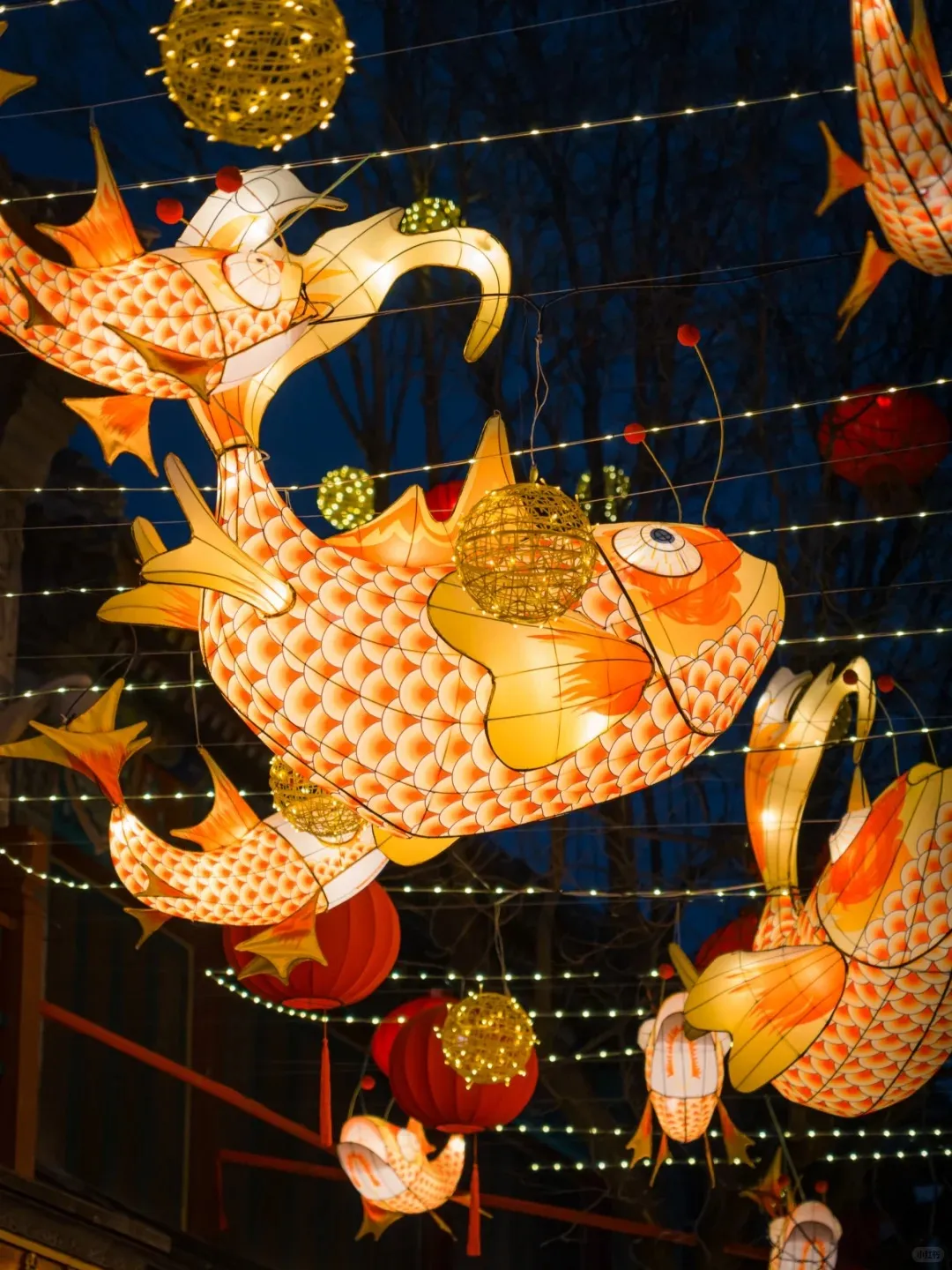
Large, ornate orange and yellow fish lanterns with scale patterns are suspended at night, accompanied by smaller red round lanterns, spherical golden lights, and numerous small white string lights against a dark, silhouetted tree background.

Beyond the bustling markets, China’s festivals captivate visitors with breathtaking illuminated displays. These vibrant fish lanterns, symbolizing prosperity and good fortune, create a magical atmosphere for travelers exploring seasonal celebrations.

⚠️ Mistakes to Avoid During CNY

Do not travel on the trains two days before or after the holiday. You will be standing in a carriage packed so tight you cannot lift your arms. Contrarian Tip: If you are in a big city like Shanghai, stay there. The business districts (like Lujiazui) are surprisingly empty and peaceful because everyone has left, while the tourist spots (The Bund) remain packed.

Mid-Autumn Festival & Dragon Boat Festival: The Sweet Spots

If you want culture without the logistical nightmare of the Spring Festival, aim for these shorter holidays.

Mid-Autumn Festival (September/October)

This festival aligns with the harvest moon. The weather is usually crisp and cool—arguably the best time to visit China weather-wise.

  • The Experience: Eating mooncakes (dense pastries filled with lotus paste or red bean).
  • Where to Go: Hangzhou is the traditional favorite to view the moon over West Lake. However, the smell of sweet osmanthus flowers in the air is the real highlight here.
  • Logistics: This is often a 3-day weekend. High-speed trains to nearby cities (e.g., Shanghai to Hangzhou) will sell out, but flights generally remain available.

Dragon Boat Festival (June)

Taking place in early summer, this festival involves racing dragon-shaped boats and eating zongzi (sticky rice dumplings wrapped in bamboo leaves).

  • The Experience: It is hot and humid. The races are energetic and loud.
  • Insider Tip: Visit Fenghuang Ancient Town or the rivers around Guilin for a scenic backdrop to the races, rather than watching them in a concrete canal in a major city.

Golden Week (October 1-7): The “Hard Mode” of Travel

National Day (Golden Week) celebrates the founding of the PRC. Domestic tourism hits its peak. Official statistics often show over 700 million trips taken during this week.

The Honest Verdict: Unless you have no other choice, avoid iconic scenic spots during this week. The Great Wall becomes a wall of people; you will see more of the back of someone’s head than the masonry. Hotels in prime locations often triple their rates.

If You Must Travel: Go West. Places like Gansu or parts of Western Sichuan are crowded but physically larger, allowing the crowds to disperse more than in the tight alleyways of Suzhou or the palaces of Beijing.
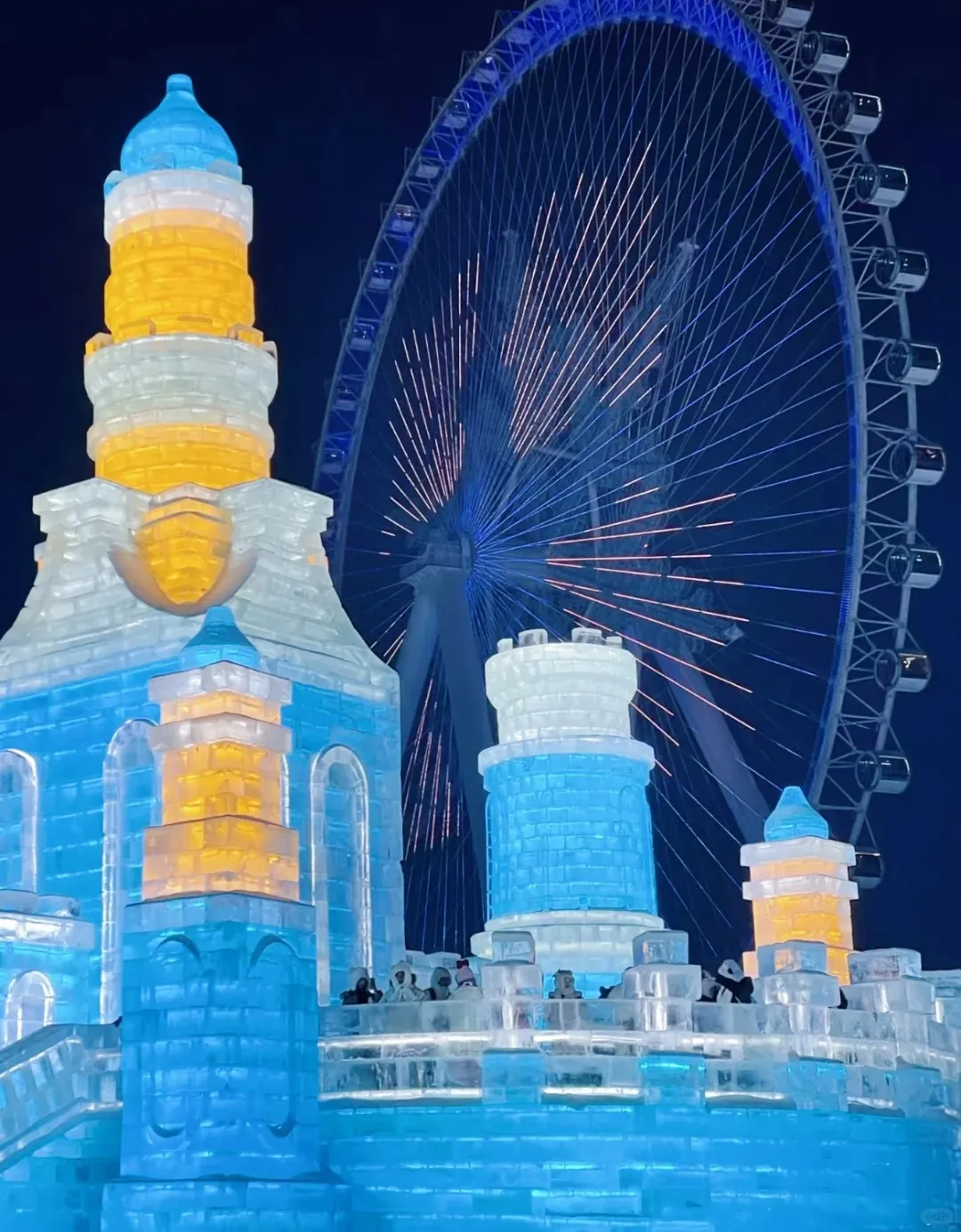
Nighttime image of the Harbin Ice and Snow Festival showing a large, illuminated ice castle with blue, white, and yellow sections. Several people are visible on the castle's lower platforms. In the background, a huge Ferris wheel glows with blue and pink lights against the dark sky.

For an unforgettable winter adventure in China, travelers can immerse themselves in the dazzling spectacles of the Harbin International Ice and Snow Sculpture Festival, renowned for its colossal illuminated ice castles and captivating installations.

Logistics: How to Navigate the Chaos

Buying Train Tickets

The official rail app is Railway 12306. It has an English version, but it can be glitchy with foreign credit cards. Tickets for festivals are released exactly 15 days in advance and can sell out in seconds.

Recommendation: Use Trip.com to set up a “reservation” before tickets are released. They will automatically attempt to snatch the ticket for you the second they go online. It is worth the small service fee.

Payment Apps are Mandatory

You cannot survive a Chinese festival with cash alone. Street food vendors at temple fairs and ticket booths often only accept mobile payments.

  • Alipay: Now supports linking international Visa/Mastercards directly.
  • WeChat Pay: Also supports foreign cards, but verification can take longer.

❓ What is the 144-Hour Visa-Free Transit?

This policy allows travelers from 54 countries (including the US, UK, and EU) to enter designated ports (like Shanghai, Beijing, or Guangzhou) for up to 6 days without a visa, provided they have a confirmed connecting ticket to a third country. It is perfect for a short festival stopover.
Common Questions About Traveling China During Festivals

What are the worst times to travel to China to avoid crowds?

The two most crowded periods are Chinese New Year (late Jan or early Feb) and National Day Golden Week (Oct 1-7). During these times, domestic tourism peaks, causing massive crowds at scenic spots and sold-out transport.

It is very difficult to rely on cash, as 90% of festival stalls only accept mobile payments. You should link your foreign credit card to Alipay or WeChat Pay before arriving to ensure you can pay vendors easily.

Official train tickets are released 15 days in advance and sell out in seconds during holidays. It is highly recommended to use the ‘pre-booking’ feature on Trip.com to secure your reservation before tickets officially drop.

This policy allows travelers from 54 countries to enter designated Chinese ports (like Shanghai or Beijing) for up to 6 days without a visa. You must have a confirmed connecting ticket to a third country to qualify.

Conclusion

Visiting China during a major festival is intense, loud, and occasionally overwhelming, but it is also when the country is most alive. To enjoy it, you must abandon the idea of a “relaxing” vacation and embrace the energy. Book your high-speed rail tickets the minute they open, download Alipay before you leave home, and if you are heading to Harbin in January, pack more thermal layers than you think you need.

Ready to plan your festival trip? Check out our Complete Packing List for China to ensure you are prepared for the season.

Similar posts to this one

Multiple Fuxinghao high-speed bullet trains, silver with red and orange stripes, are parked at platforms inside Shenzhen North Railway Station at night. Station signs show '深圳北站' and 'Shenzhen North Railway Station'. Overhead metal structures and lighting are visible.

Beijing to Shanghai High-Speed Rail: The Complete Station & Seat Guide

For travelers in 2026, the debate between flying or taking the train from Beijing to Shanghai is effectively over. The [...]

A vibrant sunrise or sunset over the modern Beijing cityscape, featuring prominent skyscrapers like the tall, slender CITIC Tower (China Zun) reflecting golden light, the distinctive CCTV Headquarters building, and the spiraling dome of the Phoenix International Media Center. A dense canopy of green and golden trees forms the foreground under a sky with dramatic, colorful clouds.

Emergency Travel in China: Vital Phrases, Apps, and Safety Protocols

Traveling to China is an exhilarating experience, but the unique digital ecosystem and language barrier can make even seasoned globetrotters [...]

Two modern Chinese high-speed trains, including a silver Fuxing bullet train with red, orange, and gold stripes, parked side-by-side at a bright station platform. A white high-speed train with blue stripes is to the left. A yellow tactile paving strip is visible on the platform.

China High-Speed Rail for Tourists: Booking, Classes & Onboard Experience

For many travelers, the first time stepping into a Chinese railway station is more overwhelming than the flight that brought [...]

Get the China Arrival Survival Kit

Planning a trip here has a steep learning curve. Join our newsletter and receive our free “Day One Checklist” covering everything from setting up Alipay and WeChat to bypassing the internet firewall.