


Daily Travel Budgets by Style (2025 Estimates)
Your travel style dictates your bottom line more in China than almost anywhere else. Here is what you can expect to spend per person, per day, excluding international airfare.
The Backpacker Budget ($50 – $75 USD/day)
You stay in youth hostels or budget guesthouses (approx. $15–25/night). You eat at local “fly restaurants” (small hole-in-the-wall eateries) and use the metro or public buses exclusively. You take overnight sleeper trains to save on accommodation.
The Mid-Range Traveler ($90 – $165 USD/day)
This is the “smart travel” sweet spot. You stay in 3-4 star hotels or boutique inns ($50–90/night). You mix sit-down dinners with street food. You utilize the High-Speed Rail (HSR) 2nd Class seats and take Didi (China’s Uber) for short distances.
The Luxury Traveler ($300+ USD/day)
You stay in international 5-star brands (Ritz-Carlton, Peninsula) which run $200+ per night in major cities. You hire private drivers and English-speaking guides. You dine at Black Pearl-rated restaurants (China’s Michelin equivalent).
Pre-Trip Expenses: Visas and Airfare
Before you land, you will incur significant costs. Do not leave these until the last minute.
How much does a Chinese Visa cost?
For US citizens, a standard tourist (L) visa costs approximately $140 USD. For citizens of other countries, fees typically range from $40 to $90 USD. If you use a visa service agency to handle the paperwork (recommended if you don’t live near a consulate), add a service fee of $50–$100.
What is the 144-Hour Visa-Free Transit?
This policy allows travelers from 54 eligible countries to enter specific regions of China (like Shanghai, Beijing, or Guangdong) for up to six days without a visa, provided they hold a confirmed connecting ticket to a third country/region. It is free of charge and processed upon arrival at the airport.
Flight Hacking Tips
According to recent flight data, round-trip flights from the US/Europe to hubs like Beijing (PEK) or Shanghai (PVG) range from $800 to $1,300 USD in economy. Summer (June–August) is the most expensive season. Traveling in winter (November–March) can slash ticket prices by 40%.
Accommodation: Tier 1 vs. Tier 2 Pricing
Accommodation will likely be your largest on-ground expense. However, prices drop precipitously once you leave the “Tier 1” mega-cities (Beijing, Shanghai, Shenzhen, Guangzhou).
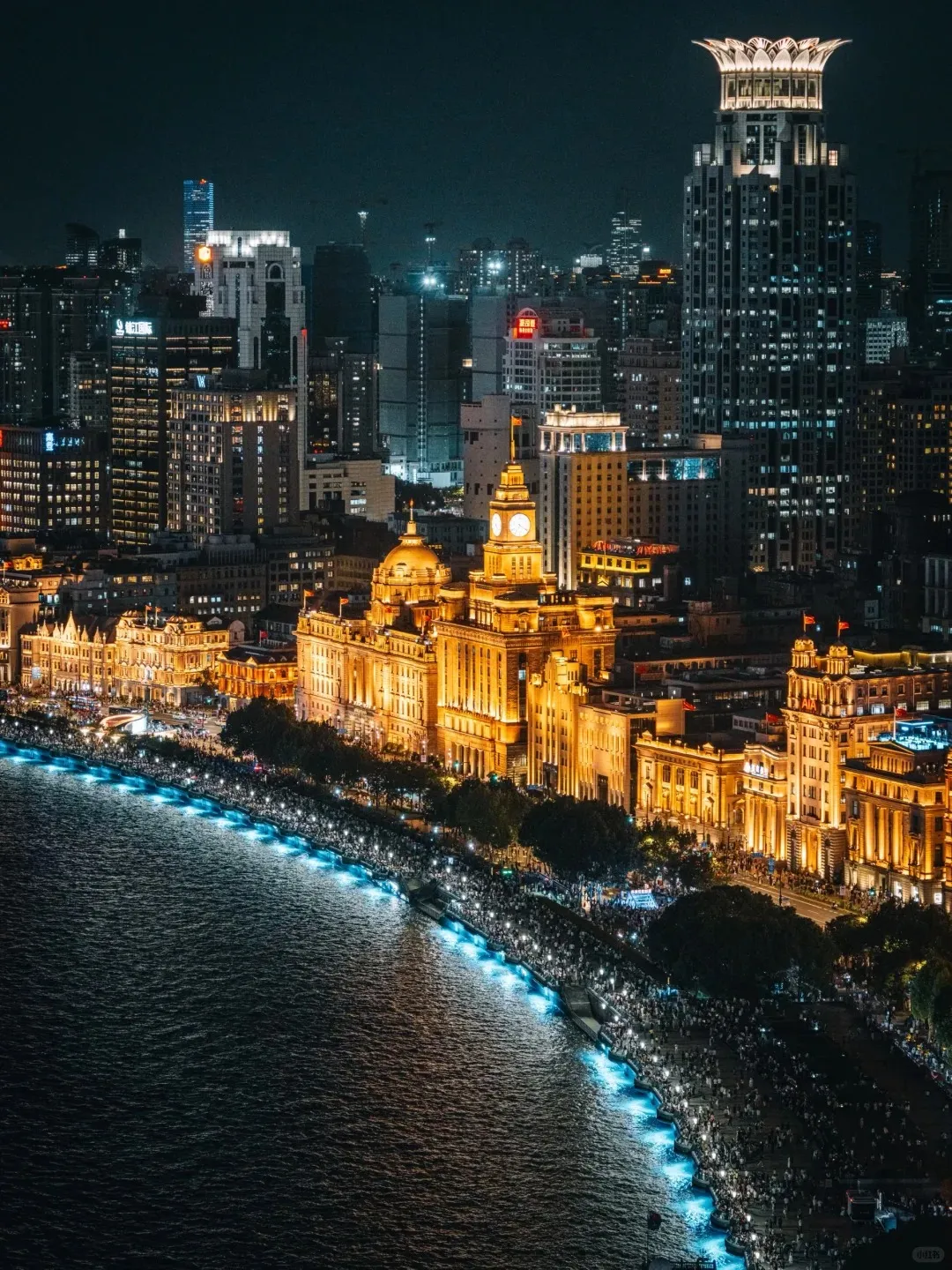
The historic buildings of Shanghai’s Bund, many of which now house luxury hotels and restaurants, offer a grand experience that visitors often include in their China trip itineraries. Factor in iconic activities like a Bund stroll when budgeting your adventure!
Beijing & Shanghai (Tier 1)
- Budget Hostel: $25–$40 USD
- Mid-Range Hotel: $80–$120 USD (Look for Atour or Ji Hotel chains for value)
- Luxury Hotel: $200–$400+ USD
Xi’an, Chengdu & Guilin (Tier 2/3)
- Budget Hostel: $10–$20 USD
- Mid-Range Hotel: $40–$70 USD
- Luxury Hotel: $100–$180 USD
Mistake to Avoid: Do not just book the cheapest hotel you find on Agoda. In China, hotels must have a specific license to host foreigners. Always check the “Guest Policy” to ensure they accept non-Mainland ID cardholders, or you may be turned away at the front desk at midnight.
Transportation: High-Speed Rail vs. Flying
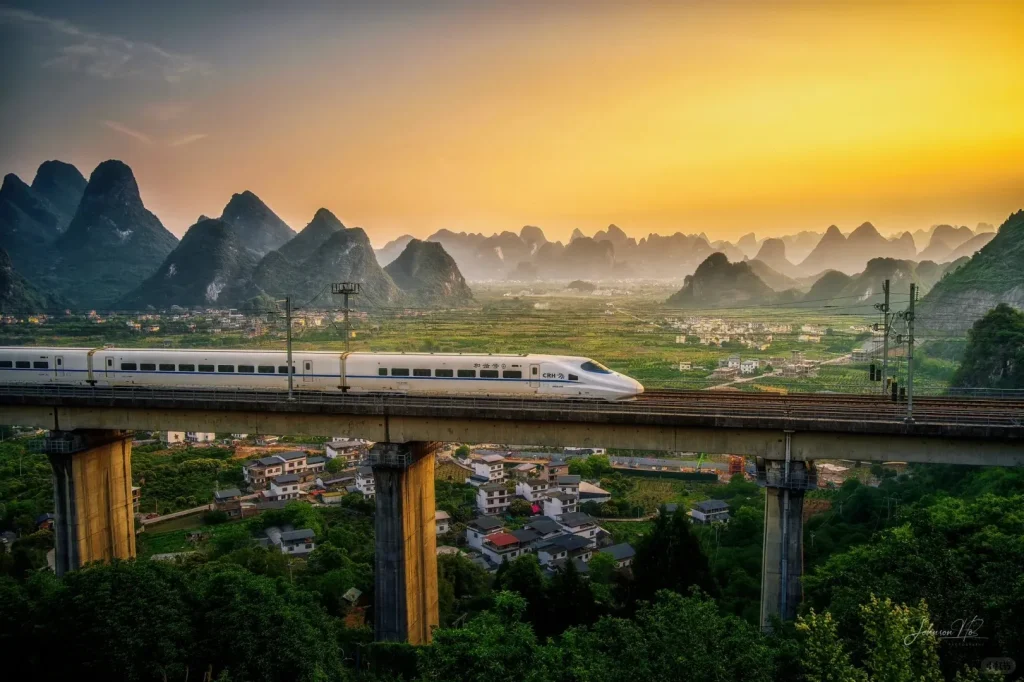
China’s infrastructure is world-class. The High-Speed Rail (HSR) is often more punctual and convenient than flying for distances under 1,000km.
Train Costs
Tickets on the official 12306 platform (or via Trip.com for a small fee) are very reasonable.
Beijing to Shanghai (4.5 hours): ~$80 USD (2nd Class) / ~$130 USD (1st Class)
Chengdu to Xi’an (3.5 hours): ~$30 USD (2nd Class)
Local Transport
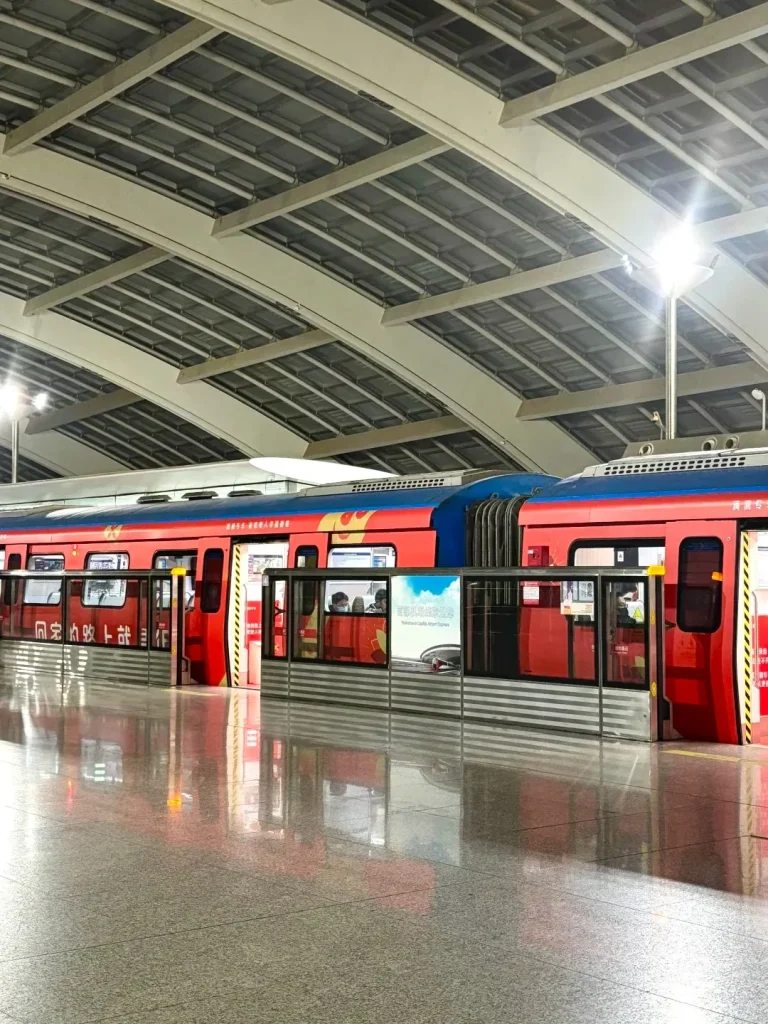
The Metro: Incredibly cheap. A ride across town in Beijing costs roughly 3–8 RMB ($0.40–$1.10 USD).
Taxis/Didi: Taxis in Beijing start at 13 RMB ($1.80 USD) for the first 3km. A 20-minute ride usually costs less than $5 USD. No tipping is required or expected.
Food Costs: Eating Like a Local
You can eat exceptionally well in China on a shoestring budget if you are willing to leave the hotel restaurant.
Street Food & “Fly Restaurants”:
Local neighborhood joints (often called “fly restaurants” because they are small and buzzing) serve the most authentic food. A bowl of Biangbiang noodles in Xi’an or soup dumplings in Shanghai costs 15–30 RMB ($2–$4 USD). The sensory experience—steam rising, loud chatter, the smell of chili oil—is unbeatable.
Western & Fine Dining:
Foreign food is taxed as a luxury. A burger and fries at a Western-style bistro will cost 80–120 RMB ($11–$17 USD)—often more than a feast of local dishes.
Attractions: Ticket Prices & Scams
Most parks and museums are affordable, but “scenic areas” (like national parks) can be pricey.
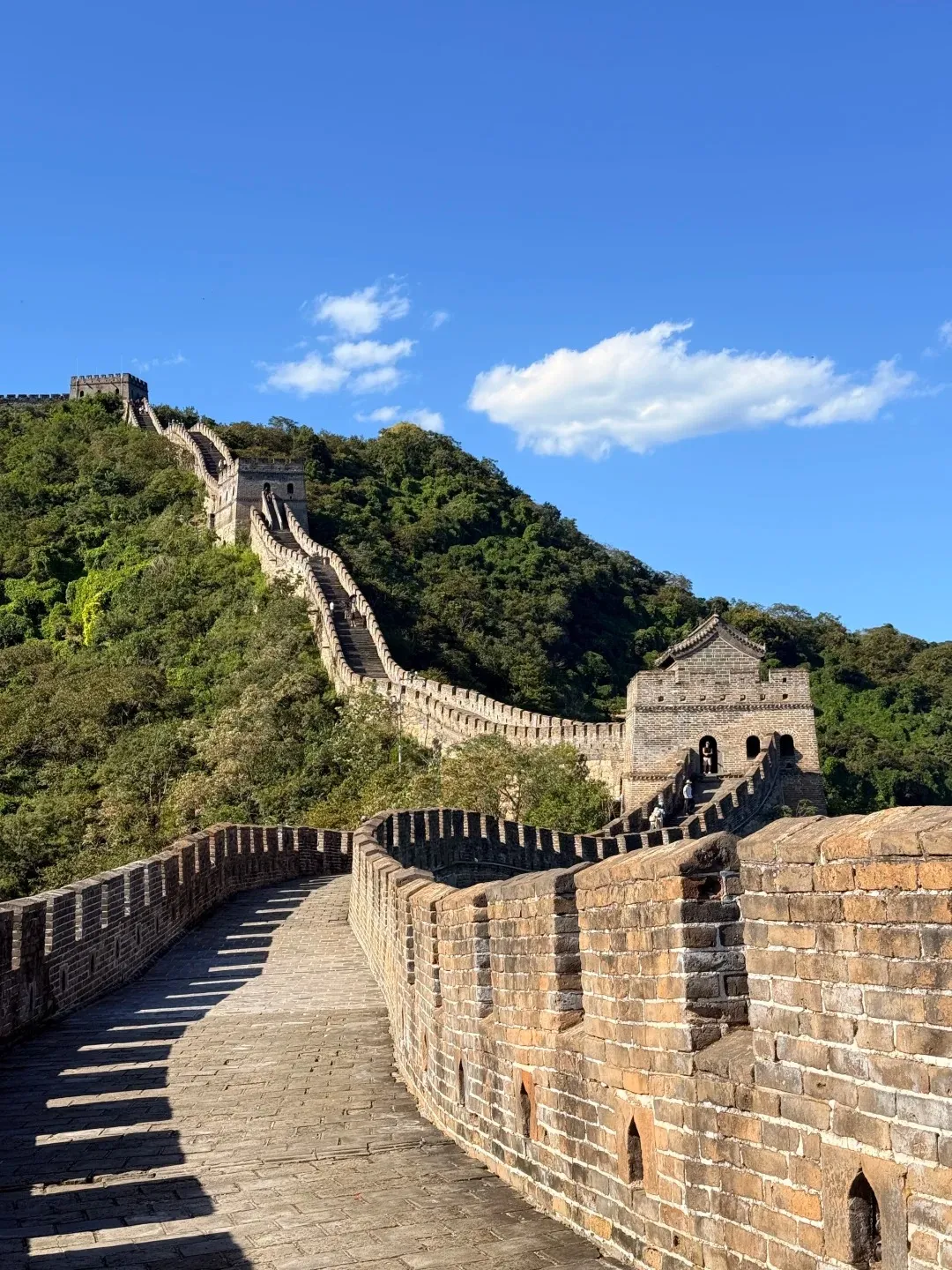
Hiking the stunning Mutianyu section of the Great Wall of China is often a highlight for visitors. Remember to factor in entrance fees and transportation for incredible activities like this when budgeting your overall China trip cost.
- Forbidden City (Beijing): 60 RMB ($8.50 USD) – Must book 7 days in advance via WeChat.
- Terracotta Warriors (Xi’an): 120 RMB ($17 USD).
- Shanghai Disney: 475–799 RMB ($65–$110 USD) depending on the day.
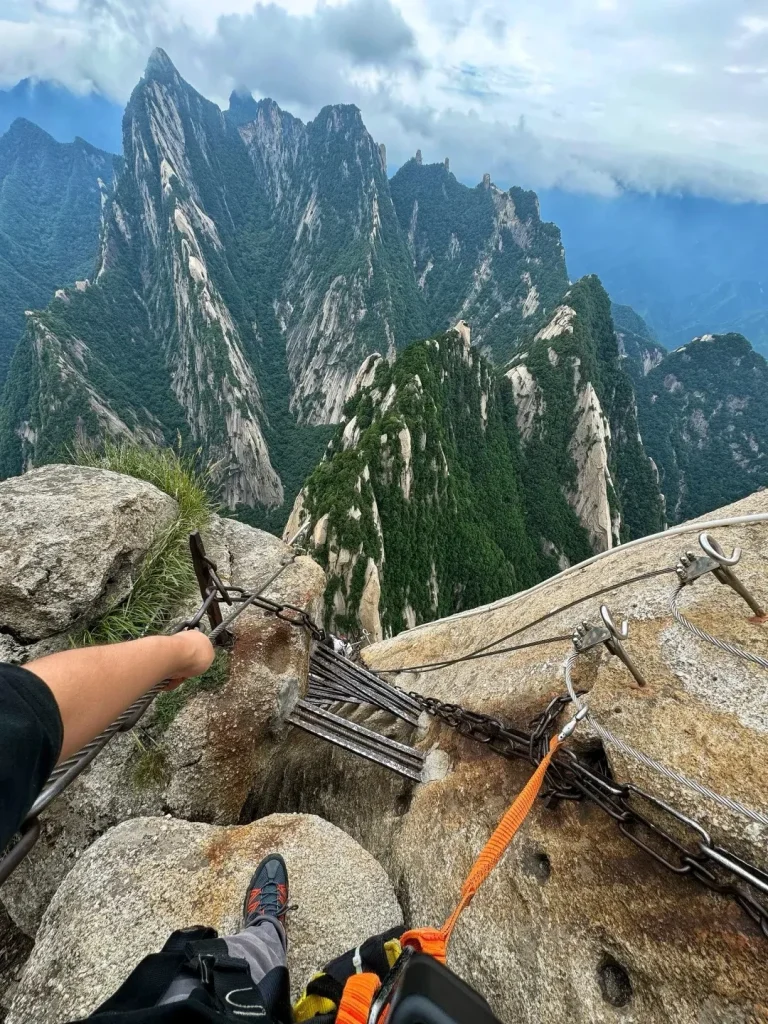
- Zhangjiajie National Park (Avatar Mountains): 225 RMB ($31 USD) for a 4-day pass.
contrarian Tip: Skip the expensive “observatory decks” in Shanghai Tower or Canton Tower ($30 USD+). Instead, go to a rooftop bar in a nearby hotel. You get the same view for the price of a cocktail, without waiting in a 45-minute elevator line.