



Is China Safe for Solo Female Travelers?
Let’s address the elephant in the room immediately: Yes, China is incredibly safe.
Walking alone at 2:00 AM in Beijing or Chengdu often feels safer than walking at 2:00 PM in parts of London or New York. The streets are well-lit, surveillance is ubiquitous, and the culture is generally non-confrontational. Catcalling is extremely rare. As a woman, you are more likely to experience aggressive curiosity than harassment.
The “Stare” Factor
If you look foreign, you will be stared at. In tier-1 cities like Shanghai, locals are used to expats. However, in smaller towns or on public transport, people may stare openly or take photos of you without asking. This can feel invasive, but it is rarely malicious. It stems from curiosity. A polite refusal or simply turning away is usually enough to stop unwanted photography.
Insider Tip: The “Tea House” Scam
While physical safety is high, financial scams exist. The most common trap for solo travelers in Beijing (especially near Tiananmen Square) and Shanghai (near the Bund) is the “Tea House Scam.”
How it works: An overly friendly “student” approaches you, speaking excellent English. They ask to practice their language skills and invite you to a traditional tea ceremony. You enjoy the tea, but the bill arrives for 2,000 RMB ($280 USD).
The Fix: Never follow strangers to a second location. If you want to chat, suggest a coffee shop of your choosing.
Connectivity: Crossing the Great Firewall
You cannot rely on hotel Wi-Fi to stay connected to your life back home. The “Great Firewall” blocks Google (Maps, Gmail, Translate), Meta (Instagram, Facebook, WhatsApp), and many news sites.
What is the Great Firewall?
The Great Firewall is China’s legislative and technological system that regulates the internet domestically, blocking access to selected foreign websites and slowing down cross-border internet traffic.
To access these apps, you need a VPN or, more conveniently, a roaming eSIM that routes your data through a server outside of China. This is safer and more reliable than trying to install VPN software that might get blocked once you land.
💡 Editor’s Pick: We recommend Nomad eSIM for China because it reliably bypasses the Great Firewall with stable speeds. Use code JORICAQLKF at checkout to get $5 USD off your first data plan.
Having consistent data is a safety feature. It ensures you can always access translation apps and maps if you get lost.
Essential Logistics: Visas and Payments
Understanding the 144-Hour Visa-Free Transit
For many travelers, a full tourist visa isn’t necessary if you are planning a short, multi-stop trip.
The 144-Hour Transit Policy allows citizens from 54 countries (including the US, UK, Canada, and EU) to enter specific regions in China for up to six days without a visa, provided they hold a confirmed ticket to a third country or region (e.g., USA -> Shanghai -> Hong Kong).
The Cashless Revolution: Alipay and WeChat
In 2026, cash is almost obsolete. Street vendors selling roasted sweet potatoes and high-end boutiques alike use QR codes. You will struggle significantly if you try to use paper money, as vendors often do not have change.
- Alipay: Generally the most foreigner-friendly. Download the app, go to “Account,” and add your Visa or Mastercard. It now works seamlessly for transactions under 200 RMB with low to no fees.
- WeChat Pay: Essential if you make local friends, as this is how people split bills. It also supports foreign card linking.
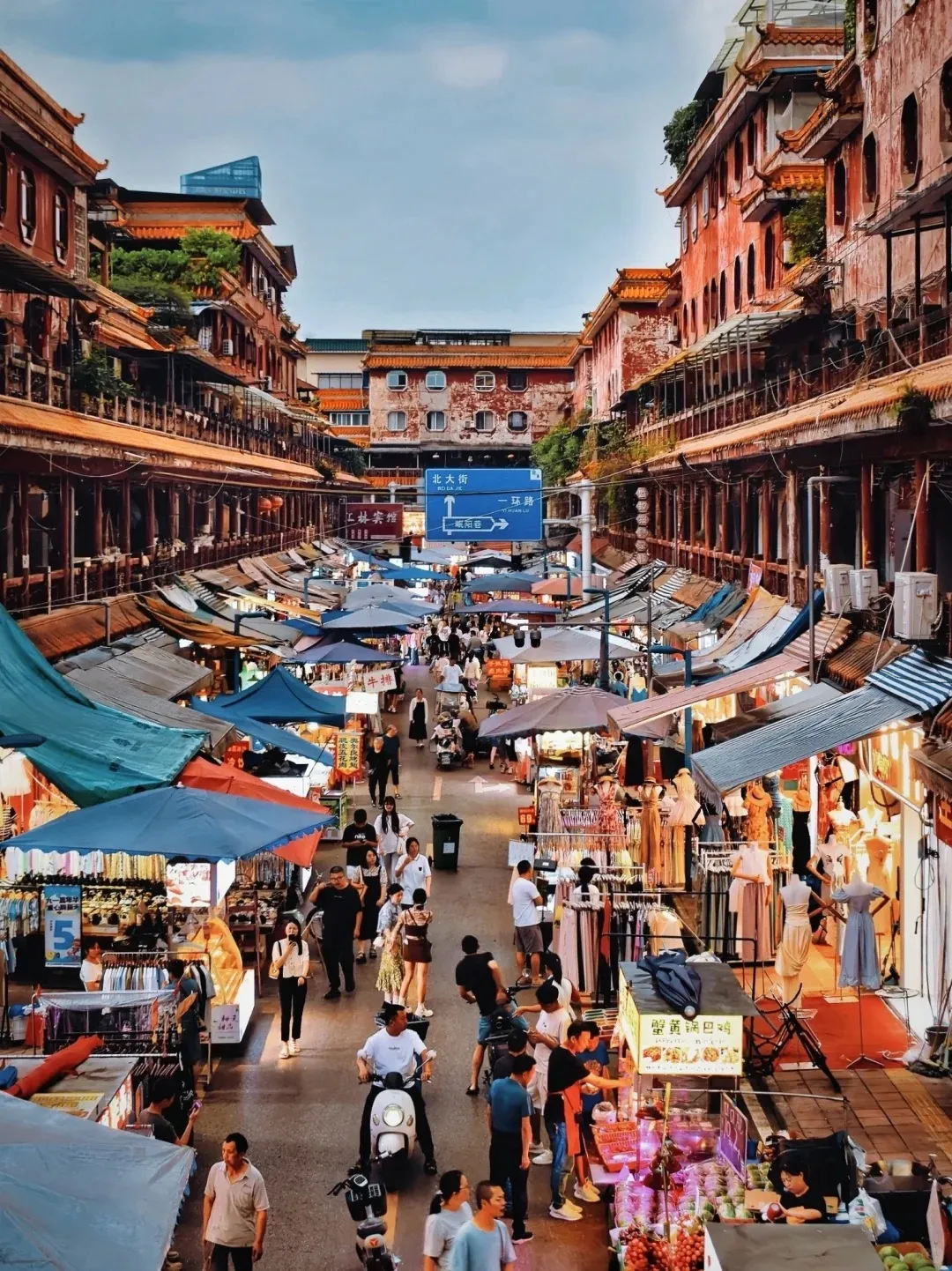
Wandering through vibrant market streets like this is an incredible way to immerse yourself in local Chinese culture, discover unique souvenirs, and sample delicious street food – a memorable experience for any solo traveler.
Navigating the Trains
China’s High-Speed Rail (HSR) network is a marvel. It is faster, more punctual, and often more comfortable than flying. However, the stations are massive—think airport terminal size.
Insider Tip: Do not throw away your paper ticket (if you printed one), though most routes are now e-ticket only. You need your passport to enter the station and to exit the destination station. Always keep your passport accessible; do not bury it in the bottom of your rucksack.
For booking, the official app is Railway 12306. It has an English version, but the interface can be clunky. Many solo travelers prefer Trip.com for a small service fee because the customer support is excellent and in English—vital if you need to change a ticket last minute.
Top Destinations for Solo Female Travelers
1. Shanghai: The Soft Landing
Shanghai is the best entry point. It is cosmopolitan, safe, and historically layered. The French Concession is incredibly walkable, filled with cafes and boutiques where English is widely spoken. It feels less overwhelming than Beijing.
2. Chengdu: Pandas and Chill Vibes
Chengdu is famous for its “laid-back” culture. It is the home of the Giant Panda Breeding Research Base. The city is known for hot pot and tea houses (the legitimate kind!). The locals are known for being particularly friendly and relaxed compared to the fast-paced east coast.
3. Dali & Lijiang (Yunnan Province): The Backpacker Haven
If you want nature and a slower pace, head to Yunnan. This area is a hub for digital nomads and solo travelers.
- Why it works: There is a well-established hostel culture here, making it easy to meet other solo travelers.
- The Vibe: Cobblestone streets, mountains, and diverse minority cultures. It is very safe to hike alone on marked trails, though hiring a local guide is recommended for deeper treks.

Lijiang Old Town, a UNESCO World Heritage site, offers breathtaking views of ancient architecture set against the majestic Jade Dragon Snow Mountain. It’s an unforgettable destination, ideal for solo female travelers exploring China’s rich culture and natural beauty.
Health and Hygiene: What to Pack
There are two specific “sensory” realities you must prepare for regarding hygiene in China.
The Squat Toilet
Outside of 5-star hotels and high-end malls, squat toilets are the standard. They are generally cleaner than you expect, but they require balance.
Crucial Advice: Always carry a packet of tissues and hand sanitizer. Public restrooms almost never provide toilet paper or soap.
Feminine Products
Sanitary pads are available in every convenience store (FamilyMart, 7-Eleven, Lawson). However, tampons are culturally less common. You might find them in high-end supermarkets in Shanghai or Beijing, but do not count on finding them in smaller cities. Pack your entire trip’s supply to be safe.