


The High-Speed Train: The “Jinghu” Line Experience
The Beijing-Shanghai high-speed railway is the busiest line in the world for a reason. It is a marvel of modern engineering, and for most travelers, it is the superior choice.
You will likely be booking a ticket on a G-Class train (the fastest category). Specifically, look for the “Fuxinghao” (Rejuvenation) models, which run at a steady 350 km/h (217 mph).
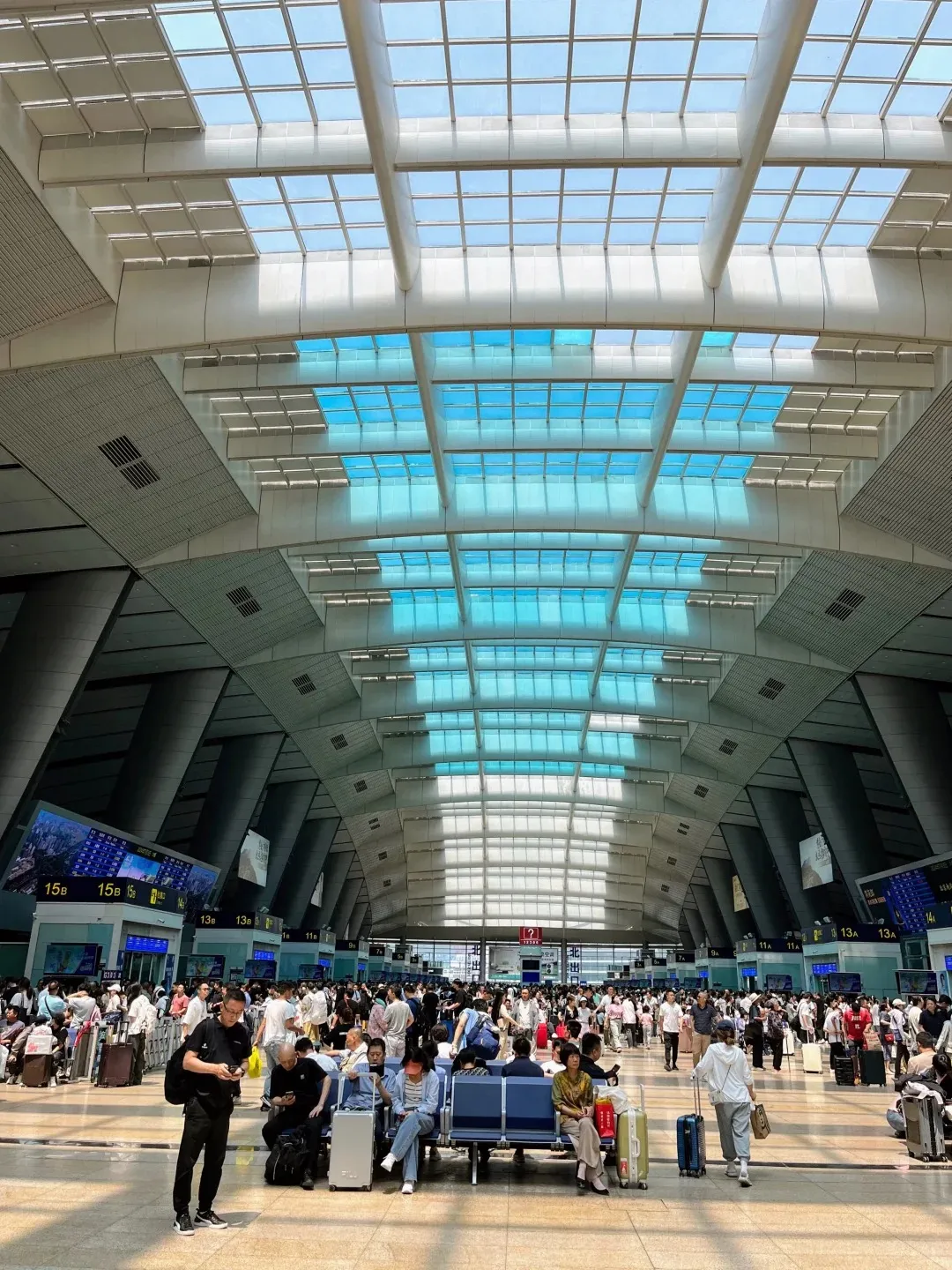
The vast, naturally lit waiting hall of Beijing South Railway Station, a central hub for China’s high-speed rail network. Such stations underscore why high-speed trains often rival flights for popular routes like Beijing to Shanghai.
Travel Time and Punctuality
The fastest G-trains (like the G21) complete the journey in just 4 hours and 18 minutes. Unlike flights, these trains are unaffected by rain or minor storms. If your ticket says you depart at 09:00, the doors close at 08:59. Punctuality is taken seriously here.
Comfort and Amenities
Even in Second Class (the standard economy option), you get more legroom than on a domestic US flight. The configuration is 3-2. If you want more space, First Class (2-2 configuration) offers wider seats and a footrest.
Insider Tip: Avoid the seats right next to the carriage connectors. These are high-traffic areas where passengers stand to smoke (if the train is older) or boil water for instant noodles. The smell of spicy beef noodles is the unofficial scent of Chinese train travel.
Station Convenience
Beijing South (Beijing Nan): Located within the 2nd Ring Road, it connects directly to Subway Line 4 and 14. It is much closer to tourist sites like the Forbidden City than the airports are.
Shanghai Hongqiao: This station is a massive hub. While far from the Bund (about 45 minutes by Metro Line 2 or 10), it is seamlessly integrated with the Hongqiao Airport and subway system.
Flying: Taking to the Skies
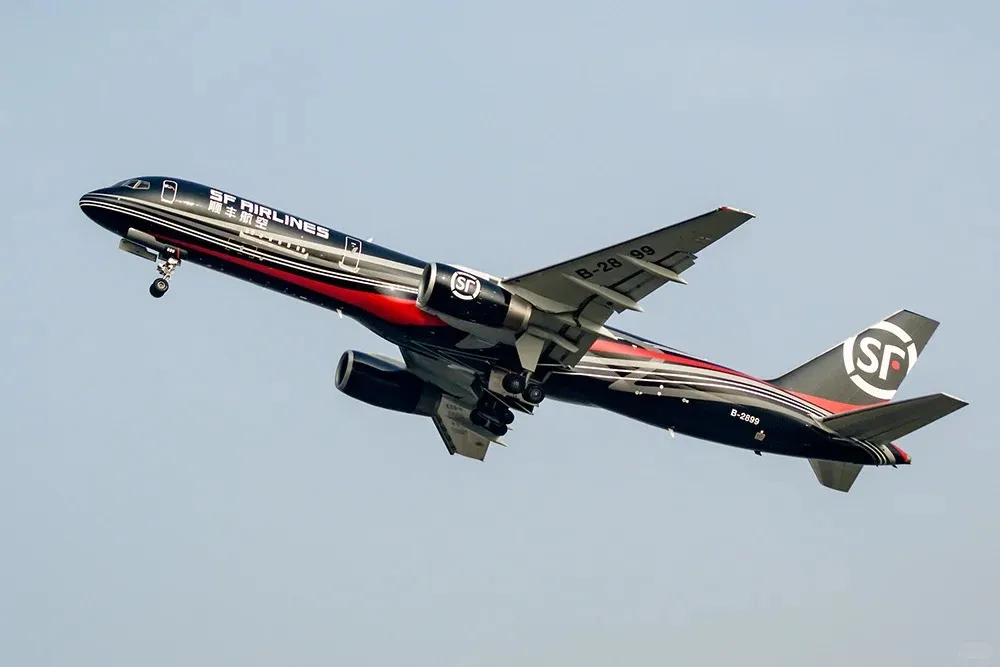
Flying is still a viable option, particularly if you are connecting from an international flight or have loyalty status with Air China or China Eastern.
The “Air Traffic Control” Factor
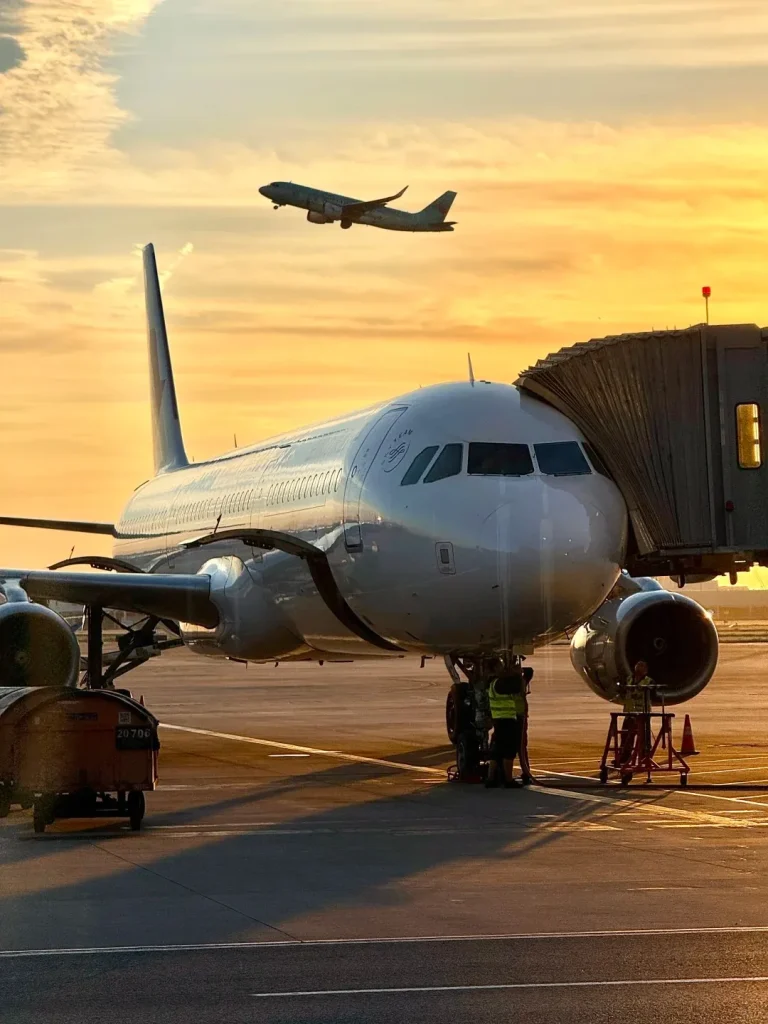
This is the biggest variable. In China, the military controls a vast majority of the airspace. This means civilian flights are frequently delayed for “traffic control,” sometimes sitting on the tarmac for hours. While the flight time is only 2 hours and 15 minutes, a 2-hour delay can easily double your travel day.
Airports and Logistics
Beijing: You will likely fly out of Beijing Capital (PEK) or the newer Beijing Daxing (PKX). Daxing is architecturally stunning but located far south of the city center.
Shanghai: You want to land at Hongqiao (SHA) if possible, as it is closer to the city. Pudong (PVG) is the main international hub but is located on the coast, a solid 60-90 minutes from downtown Shanghai by taxi.
Cost Comparison (2026 Estimates)
Prices fluctuate based on the season, but here is what you can expect to pay for a one-way trip.
- High-Speed Train (Second Class): Fixed price around 626 CNY (~$87 USD).
- High-Speed Train (First Class): Fixed price around 1,035 CNY (~$144 USD).
- High-Speed Train (Business Class): Lie-flat seats, approx. 2,318 CNY (~$322 USD).
- Flight (Economy): Highly variable. Can range from $70 USD (deep discount) to $250+ USD.
Is Business Class on the train worth it? Unless you have money to burn, no. First Class is plenty luxurious. Business Class offers a lie-flat “pod,” but for a 4-hour day trip, it is generally overkill.
Digital Logistics: Staying Connected
Whether you choose the train or the plane, you cannot navigate China without a smartphone. You will need apps like Alipay (for subway and taxi payment) and Trip.com (for managing tickets).
However, the “Great Firewall” blocks Google, WhatsApp, Instagram, and standard maps. You absolutely need a reliable internet solution to access your tickets and maps.
💡 Editor’s Pick: We recommend Nomad eSIM for China because it reliably bypasses the Great Firewall with stable speeds. Use code JORICAQLKF at checkout to get $5 USD off your first data plan.
Once you are connected, download the 12306 app (the official rail app) or use Trip.com. While 12306 has an English version, it can be glitchy with foreign credit cards. Trip.com charges a small service fee but offers far superior customer support if you need to change a ticket.
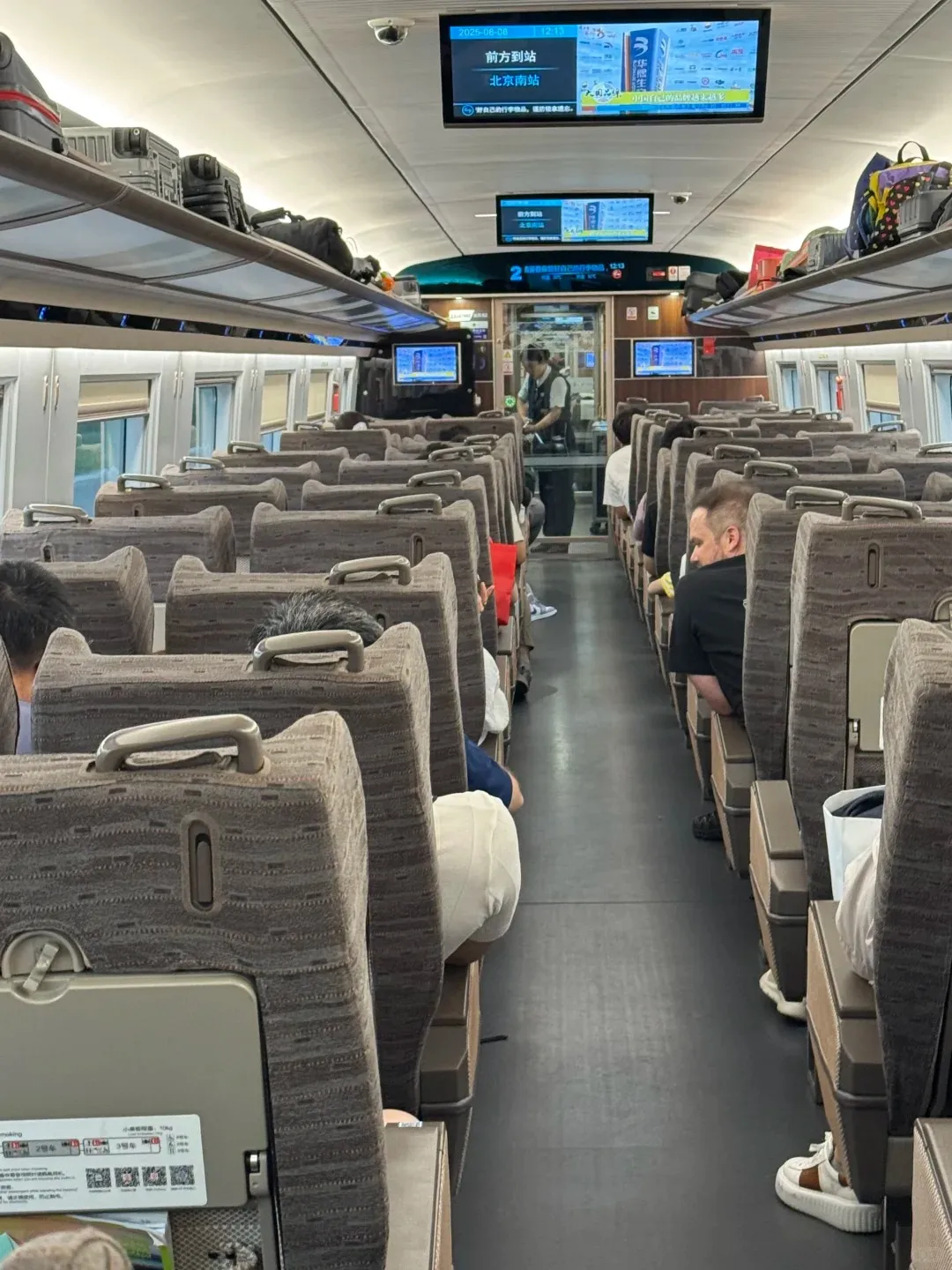
Onboard comfort and efficiency are hallmarks of the high-speed train experience in China. While flights promise speed, the spacious carriages and seamless city-center to city-center travel often make the rail journey between Beijing and Shanghai a top choice for many travelers.
What is the 144-Hour Visa-Free Transit?
This policy allows travelers from 54 eligible countries to enter China for up to 6 days without a pre-arranged visa, provided they have a confirmed ticket to a third country. Important for this route: You generally cannot move between Beijing and Shanghai on this specific permit; you must usually stay within the administrative region where you landed. Always check the latest entry rules before booking a cross-country train.
Insider Verdict: Which Should You Choose?
After years of navigating this corridor, here is my honest assessment.
Choose the High-Speed Train if:
- You want a stress-free, punctual journey.
- You are staying in central Beijing and want to avoid the long trek to Daxing or Capital Airport.
- You want to see the countryside (though much of it is urban sprawl or tunnels).
- You have large luggage (trains have no weight limits, though storage space is first-come, first-served).
Choose the Flight if:
- You are already at the airport for an international connection.
- You live or are staying near Beijing Capital Airport (Shunyi area).
- You are traveling on points or found a deep-discount fare under $80.