


What is the 144-Hour Visa-Free Transit Policy?
The 144-hour visa-free transit policy allows eligible international travelers to enter China through designated ports (airports, seaports, and land ports) and stay within a specific administrative region for up to six days without applying for a visa in advance. It is designed strictly for travelers in transit to a third destination.
Eligibility Checklist: Can You Fly Visa-Free?
Before booking your flight, you must satisfy three strict criteria. Airlines are heavily fined if they board ineligible passengers, so they will check your documents thoroughly at your origin airport.
1. Citizenship Requirements
As of 2026, passport holders from 54 countries are eligible. This covers most of the Western world and developed Asian economies, including:
- Americas: United States, Canada, Brazil, Mexico, Argentina, Chile.
- Europe: United Kingdom, Schengen Area countries (France, Germany, etc.), Russia, Ukraine.
- Oceania: Australia, New Zealand.
- Asia: Japan, South Korea, Singapore, UAE, Qatar.
2. The “A → B → C” Route Rule
This is where most travelers make mistakes. To qualify, your itinerary must demonstrate that you are “transiting” through China.
- Country A: The country you fly from.
- Country B: China (The 144-hour stopover).
- Country C: A different country or region than Country A.
Insider Tip: Hong Kong, Macau, and Taiwan count as “third regions” (Country C). Therefore, a route like USA → Shanghai → Hong Kong is perfectly valid.
Common Invalid Routes (Do NOT do this):
- London → Beijing → London (This is a round trip, not transit).
- New York → Shanghai → Chicago (This is a return to the same country).
- Paris → Beijing → Shanghai → Tokyo (Domestic domestic transfers are restricted; usually, you must stay within the same permitted region).
Permitted Regions and the “240-Hour” Upgrade
While commonly called the 144-hour visa, several regions have optimized this policy in 2025/2026 to allow for stays up to 240 hours (10 days). However, you are geographically restricted based on your entry point.
The Yangtze River Delta (Shanghai, Hangzhou, Nanjing)
If you enter via Shanghai (Pudong or Hongqiao), Hangzhou, or Nanjing, you can travel freely between Shanghai, Jiangsu Province, and Zhejiang Province. This is the most flexible region, allowing you to see the futuristic Bund and the ancient water towns in one trip.
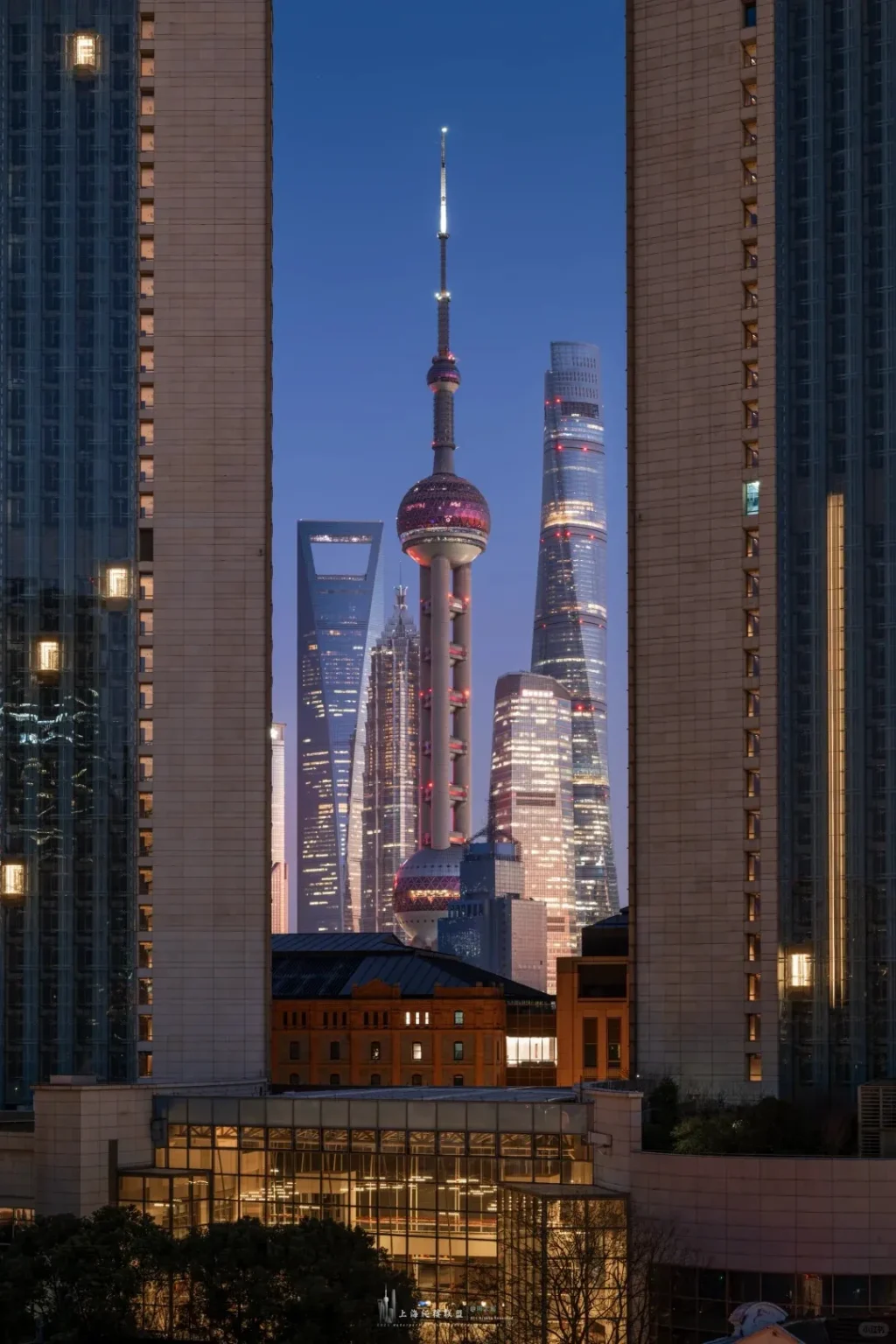
Make the most of your 144-hour visa-free transit by immersing yourself in Shanghai’s breathtaking nighttime panorama. The iconic Pudong skyline, illuminated here with the Oriental Pearl Tower at its heart, offers an unforgettable welcome to this vibrant metropolis.
Beijing-Tianjin-Hebei
Entering via Beijing Capital or Daxing Airport allows you to travel across the entire Beijing municipality, Tianjin, and Hebei province. This gives you ample time to see the Forbidden City and take a day trip to the Great Wall.
Guangdong Province (Guangzhou, Shenzhen)
Travelers entering via Guangzhou, Shenzhen, or Jieyang can travel throughout the entire Guangdong province. This is excellent for business travelers attending trade fairs.
Step-by-Step: The Arrival Process
Navigating Chinese immigration can be intimidating, but the process is streamlined if you know where to look.
- At Check-In (Origin): Tell the airline staff you are using “Visa-Free Transit.” Show them your confirmed ticket to Country C.
- On the Plane: Do not fill out the yellow arrival card given to other passengers. You need the blue/white “Temporary Entry Card.”
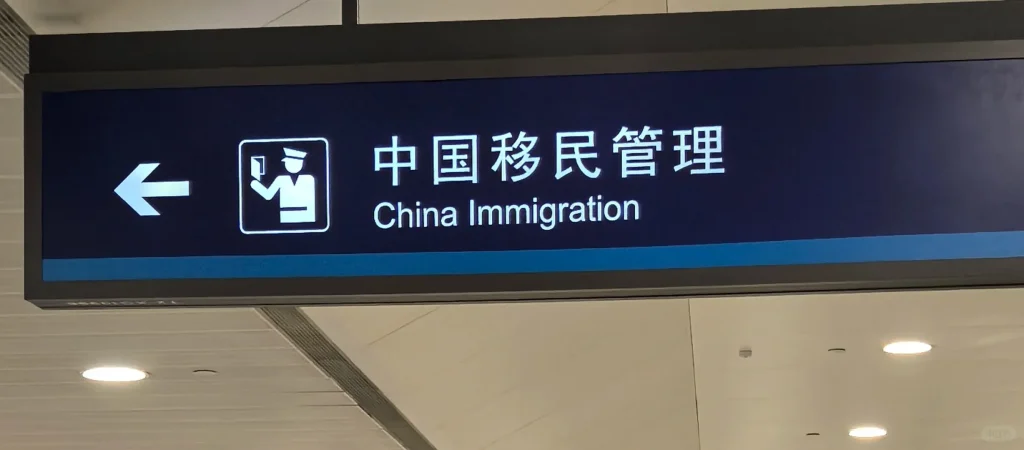
- Upon Arrival: Do not go to the main immigration queue. Look for signage that says “24/144-hour Visa-Free Transit Area.”
- The Kiosk: Fill out the digital arrival form at the self-service kiosks (if available) or complete the blue paper form manually.
- The Interview: The officer will check your onward ticket and hotel booking. Once stamped, you are free to enter.
Logistics: Surviving the Great Firewall and Payments
China’s digital ecosystem is distinct. Western apps often fail, and credit cards are rarely accepted at street stalls.
Staying Connected (The Great Firewall)
Your standard roaming data may work, but it is often throttled. Furthermore, accessing Gmail, Google Maps, Instagram, and WhatsApp requires a way to bypass the Great Firewall. While VPN apps are popular, they are often blocked during sensitive political times.
Insider Recommendation: The most reliable method in 2026 is using a dedicated travel eSIM that routes traffic through a server outside of China (usually Hong Kong or Singapore), automatically bypassing censorship without draining your battery like a VPN app.
💡 Editor’s Pick: We recommend Nomad eSIM for China because it reliably bypasses the Great Firewall with stable speeds. Use code JORICAQLKF at checkout to get $5 USD off your first data plan.
Paying for Things: Alipay and WeChat
Do not rely on cash. Even beggars in Shanghai use QR codes. Before you leave home, download Alipay.
- Link your foreign Visa or Mastercard to the app.
- Verify your identity with your passport photo.
- When paying, you will either scan the merchant’s QR code or show them your “Pay” code.
Navigation Apps
Google Maps is notoriously inaccurate in China regarding public transit and business locations.
- Apple Maps: Surprisingly good in China. It uses AutoNavi data and works well for public transport.
- Trip.com App: Essential for booking high-speed train tickets. Do not try to buy tickets at the station counter; the queues are long and English is limited.
- DiDi: This is China’s Uber. It is built into the Alipay app as a mini-program and has an English interface.
Insider Tip: The “Midnight Rule” Loophole
Here is a detail many guides miss: The 144-hour clock does not start when your plane lands. It starts at 00:00 (midnight) the day after you arrive.
Example: If you land in Beijing at 6:00 AM on June 1st, your 144 hours technically begin at 00:00 on June 2nd. This effectively gives you nearly 7 days on the ground. Use this buffer to maximize your itinerary without risking an overstay fine.
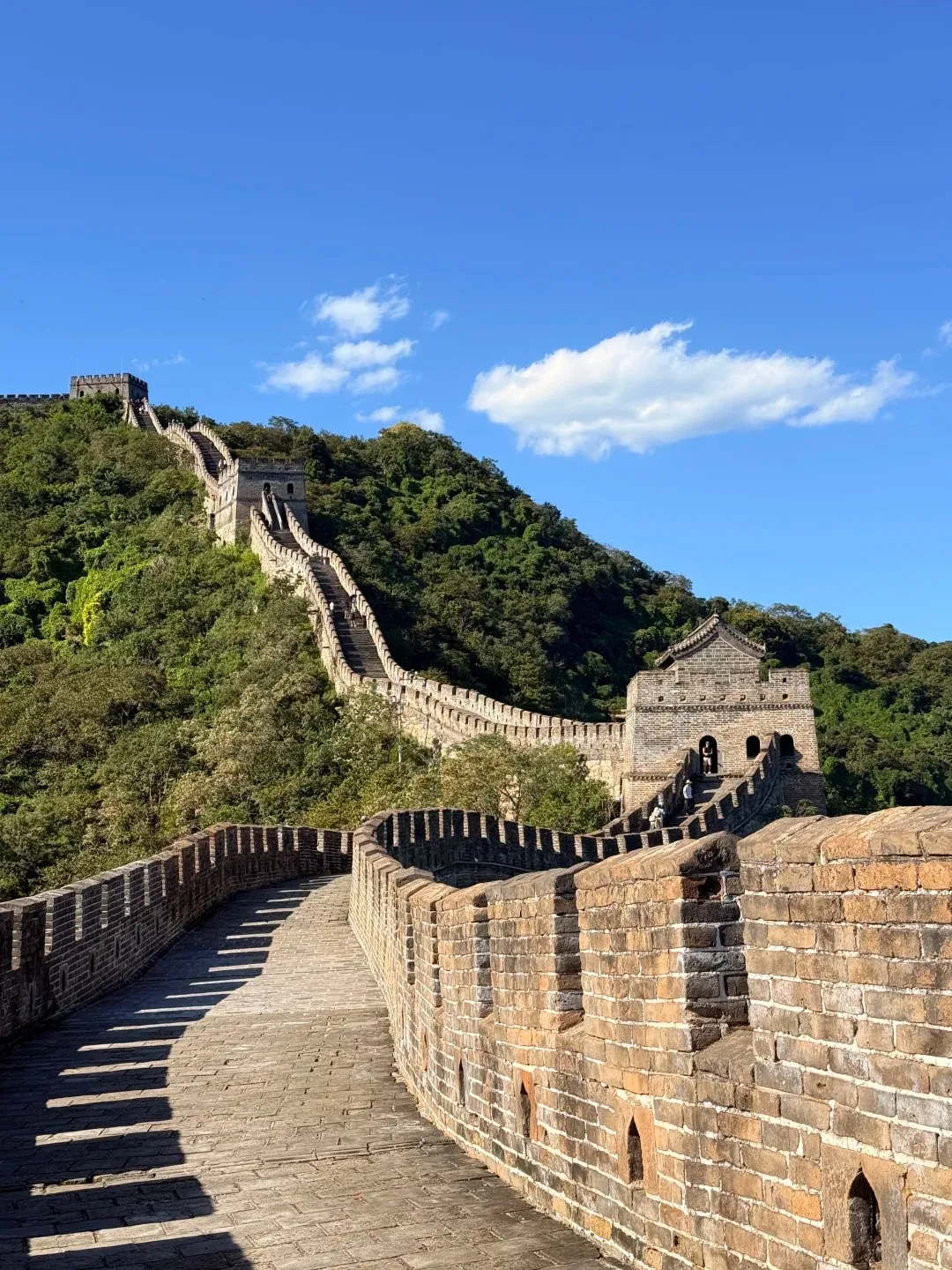
Dreaming of visiting the Great Wall during your 144-hour visa-free transit? The Mutianyu section, known for its breathtaking scenery and well-preserved towers, is a fantastic option for a memorable day trip from Beijing.