



Do You Actually Need a Visa? (The Visa-Free Revolution)
Before you dive into paperwork, stop. The most common mistake travelers make in 2025 is applying for a visa they don’t actually need. China has aggressively expanded its unilateral visa-free entry program to boost tourism.
What is the 15/30-Day Visa-Free Policy?
Definition: This policy allows ordinary passport holders from specific countries to enter China for business, tourism, family visits, or transit without applying for a visa beforehand. You simply arrive at immigration, show your passport, and get stamped in.
Currently, this list includes citizens from France, Germany, Italy, the Netherlands, Spain, Malaysia, Switzerland, Ireland, Hungary, Austria, Belgium, and Luxembourg (among others). If you hold one of these passports, you can skip the embassy entirely for short trips. However, ensure your passport has at least six months of validity remaining.
The 144-Hour Transit Without Visa (TWOV)
If you don’t qualify for visa-free entry, your next best option is the Transit Without Visa (TWOV) scheme. This is ideal for travelers doing a “stopover” tour.
What is the 144-Hour Transit Visa?
Definition: The 144-hour TWOV allows eligible travelers from 54 countries to stay within a specific region (like the Shanghai-Jiangsu-Zhejiang triangle or the Beijing-Tianjin-Hebei area) for up to six days, provided they hold a confirmed ticket to a third country.
Mistake to Avoid: The “A → China → A” Route
This is the number one reason travelers are denied boarding. You cannot fly New York → Shanghai → New York. This is considered a round trip, not a transit. To qualify, your route must be New York (Country A) → Shanghai (China) → Tokyo (Country B). The destination on your ticket leaving China must be different from the country you arrived from.
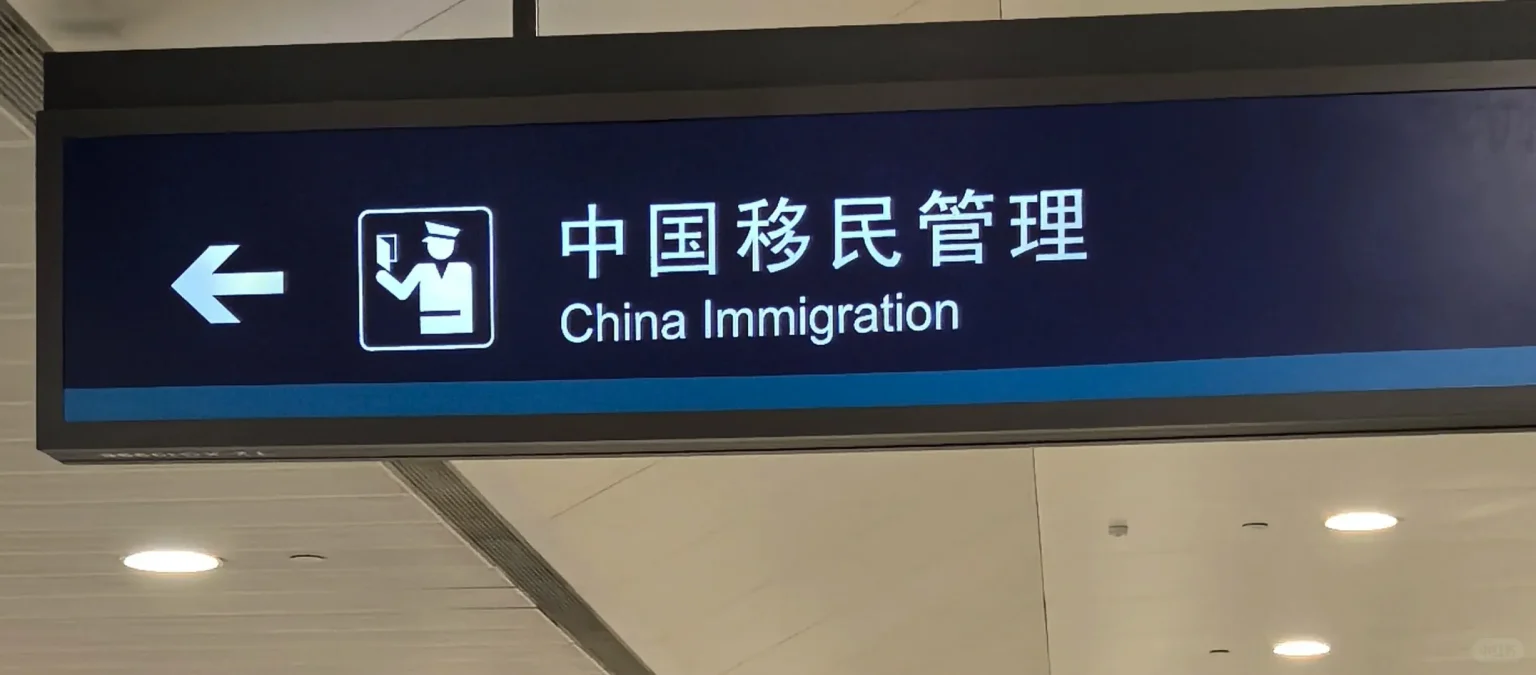
Successfully navigate the visa application process so you can confidently follow this ‘China Immigration’ sign upon arrival. Preparation ensures a smooth entry into China.
The Standard China Visa Application Process (L-Visa)
If you plan to stay longer than 15/30 days or don’t qualify for exemptions, you must apply for a standard Tourist (L) Visa. While the requirements have loosened slightly for US citizens (less proof of booking required), the process is still rigorous.
Step 1: The COVA Form
All applicants must complete the China Online Visa Application (COVA). This is not a quick 10-minute form. It asks for your employment history, family details, and travel itinerary.
Insider Tip: Be honest but concise. When asked for your “Itinerary,” list your major hotels. Do not list “visiting sensitive region X” or “meeting with political group Y” unless you want your application flagged for a long administrative review. Stick to standard tourism activities.
Step 2: The Photo Requirements
Do not use a standard US or EU passport photo size. China requires a specific 33mm x 48mm format with a pure white background. If you wear glasses, take them off. If you have bangs, pin them back. The online system is notoriously picky and will reject uploads for “poor lighting” or “head tilted.” It is worth paying a professional to take this digital photo for you.
Step 3: The CVASC Appointment
Once your form is submitted, you must book an appointment at a Chinese Visa Application Service Center (CVASC). In 2025, walk-ins are generally not accepted.
Sensory Detail: Expect the visa center to feel more like a bank than an embassy. You will take a ticket number, wait in a plastic chair, and watch a screen. When your number is called, you hand over your passport and application. If approved, you will be given a pick-up slip. You typically pay the fee when you collect the visa, not when you submit.
Port Visas: The “Emergency” Option
What is a Port Visa (VOA)?
Definition: A Port Visa, often called Visa on Arrival, is a short-term entry permit granted at specific Chinese entry ports (airports or land borders) for urgent humanitarian or business needs, or for tour groups organized by approved agencies.
contrarian Tip: Many travel blogs suggest you can just “get a visa at the airport.” Do not rely on this. Unless you are entering Shenzhen from Hong Kong on a specific 5-day Special Economic Zone visa, or you have an urgent invitation letter vetted by the Port Visa Administration, you will likely be denied entry. This is high-risk for solo tourists. Stick to the embassy visa or the 144-hour transit unless you are working with a specialized agency like China Highlights that can pre-arrange this.
Crucial Logistics: Registration and Payments
Getting the visa is only step one. Staying compliant inside China is step two.
The Police Registration Rule
According to Chinese law, all foreigners must register their temporary residence within 24 hours of arrival.
- Hotels: If you stay at a hotel, they scan your passport and handle this for you.
- Apartments/Friends: If you stay in an Airbnb or with family, you must physically go to the local police station (PSB) with your host and your passport to register.
Insider Warning: Failure to register can result in a fine of up to 2,000 RMB and complications when you try to leave the country or apply for future visas. It is a hassle—often involving tea, paperwork, and confused officers—but it is mandatory.
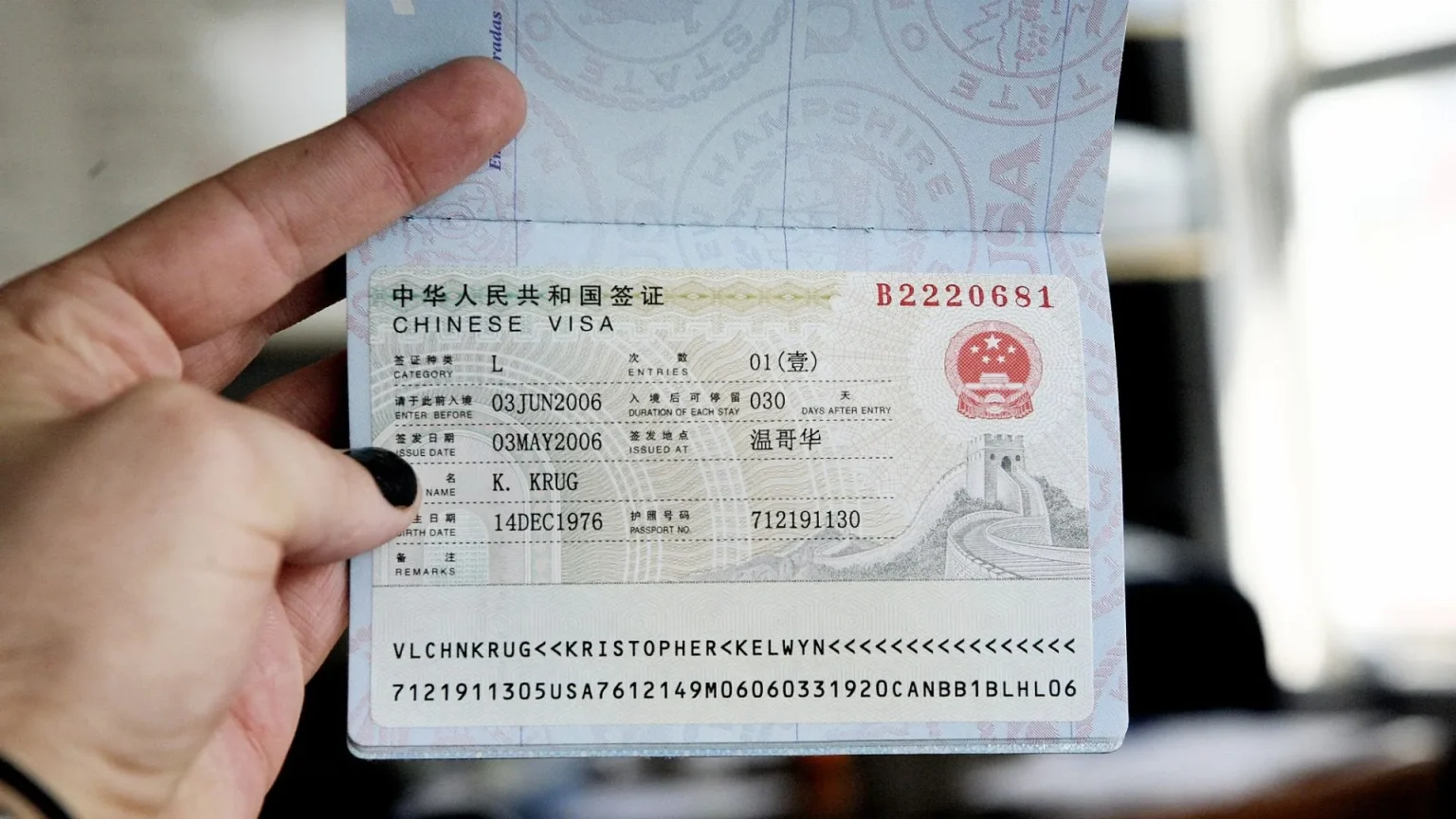
This Chinese tourist (L-category) visa from 2006 showcases the essential details to review. As you prepare your China visa application, ensure all dates, entry types, and personal information are accurate to facilitate a smooth journey.
Digital Survival: Alipay and WeChat
Your Visa/Mastercard will work at high-end hotels, but for everything else, China is cashless. Before you fly, download Alipay or WeChat. Both apps now allow you to link international credit cards. This is essential for paying for the metro, buying water at a convenience store, or booking entry tickets to museums.