
Beijing Craft Beer Guide: Best Breweries in the Hutongs

If you think Beijing’s drinking culture is strictly limited to baijiu toasts and light lagers, you are in for a pleasant, hop-heavy surprise. By 2026, the capital has cemented itself as the undisputed heavyweight champion of China’s craft beer scene. But unlike the polished taprooms of Shanghai or the expat bars of Shenzhen, the real magic of a Beijing craft beer guide lies in the location: the hutongs.

Sipping a Sichuan peppercorn-infused ale inside a renovated 600-year-old courtyard home (siheyuan) while the winter wind howls outside is a quintessential Beijing experience. However, finding these spots in the labyrinthine alleyways can be frustrating for the uninitiated. This guide cuts through the noise to bring you the best pints in the city’s historic heart.

Quick Summary: Key Takeaways for Your Trip

  • Must-Visit Spot: Great Leap Brewing #6 is the atmospheric grandfather of the scene, located in a beautifully preserved courtyard.
  • Flavor Profile: Look for local ingredients like Sichuan peppercorns, Osmanthus flowers, and teas infused into IPAs and Sours.
  • Navigation: Google Maps often fails in the hutongs. You must use Amap (Gaode Maps) or ride-hailing apps like DiDi to find these hidden doors.
  • Pricing: Expect Western prices. A pint typically runs between ¥45 and ¥65 ($6–$9 USD).
  • Payment: Cash is rarely accepted. Ensure your Alipay or WeChat Pay is linked to your international credit card before arrival.

Summarize with :

The “Big Three” Hutong Breweries

While new taprooms pop up constantly, three specific locations offer the perfect blend of history, atmosphere, and brewing excellence. These are the anchors of any beer tour in the Dongcheng or Xicheng districts.

1. Great Leap Brewing #6 (The Original)

Located deep within Doujiao Hutong, this is where it all started. Great Leap Brewing (GLB) #6 isn’t just a bar; it is a pilgrimage site. The venue is a converted residential courtyard without a roof over the main seating area. In the summer, it is vibrant and loud; in the winter, it is quiet and contemplative.

What to Drink: Order the Honey Ma Gold. It is an ale brewed with Sichuan peppercorns and local honey. It sounds intense, but the peppercorns provide a numbing, floral citrus note rather than heat, perfectly balanced by the sweetness.

Insider Tip: The acoustics in the courtyard are tricky. If you want a private conversation, sit near the bar inside the small side room. Also, be aware that there is no kitchen here—only a few snacks—but they allow you to order delivery or bring your own food (dumplings from a nearby shop are the pro move).
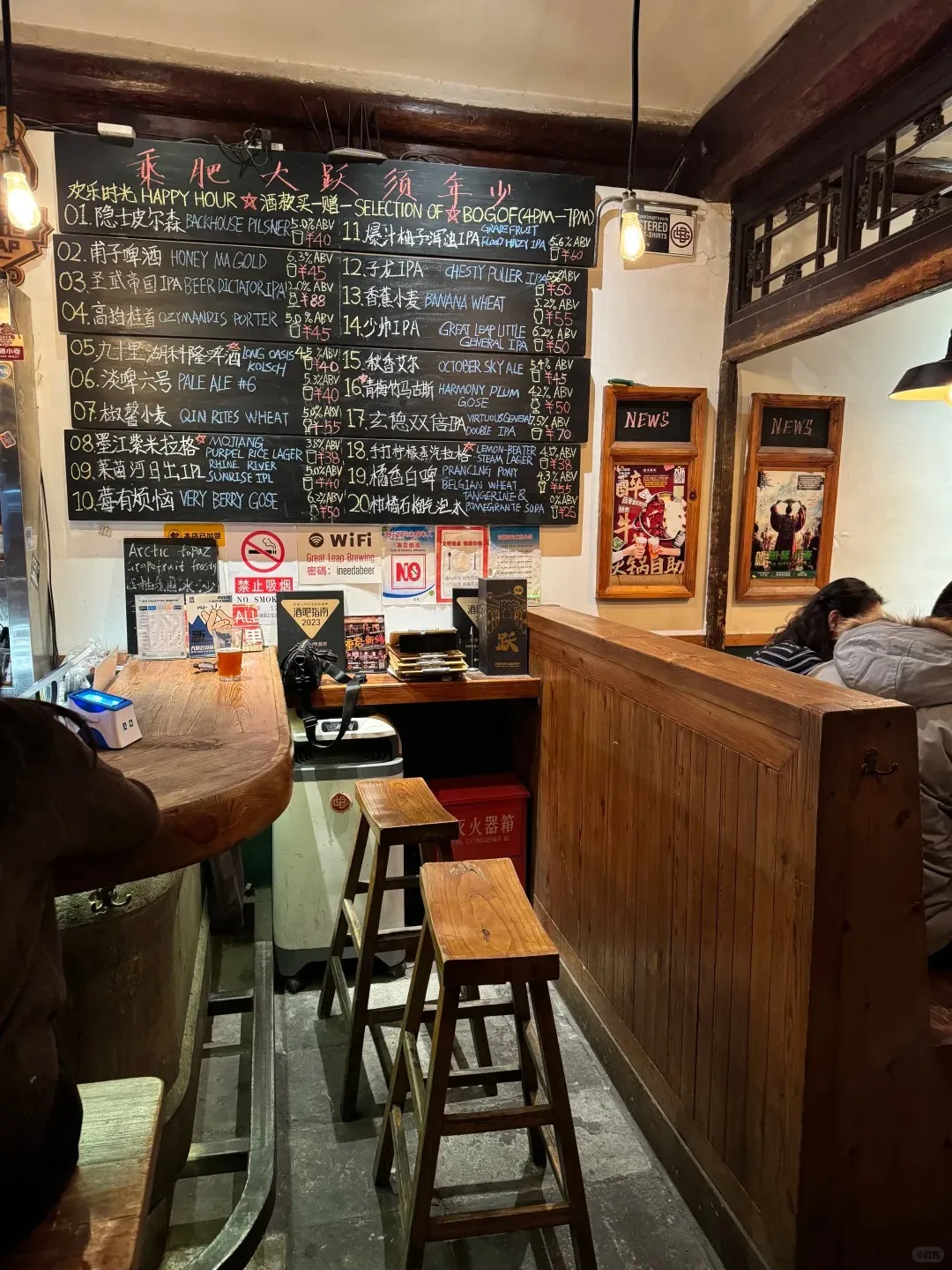
Interior view of a rustic craft beer bar featuring a large blackboard menu with beer selections and prices written in Chinese. A curved wooden bar counter is visible with two empty wooden high stools in the foreground and a person seated at the far end. The walls are made of traditional wooden paneling, and two framed 'NEWS' signs hang on the right wall. Warm pendant lights illuminate the space.

Step up to the bar at Great Leap Brewing, a celebrated pioneer in Beijing’s craft beer scene. Nestled in the historic hutongs, this cozy spot offers an extensive menu of innovative brews, perfect for exploring Beijing’s unique beer culture.

2. Jing-A Taproom (Longfusi)

If GLB is the traditionalist, Jing-A is the cool, modern cousin. Their Longfusi location is part of a gentrified cultural hub that blends stark concrete architecture with traditional alleyways. This is arguably the best place in Beijing to pair food with beer.

The Vibe: Industrial-chic meets Beijing nostalgia. It is generally packed with a mix of local creatives and expats.

What to Drink: Their Worker’s Pale Ale is a staple, but check the chalkboard for the Koji Red Ale, which uses red fermented rice (often used in Peking Duck preparation) to create a unique, earthy flavor profile.

3. NBeer Pub (Huguosi)

Located in the Xicheng district, NBeer is unapologetically Chinese in its branding and flavor experiments. While other breweries might lean toward American West Coast styles, NBeer pushes the envelope with sours and high-gravity beers.

Is it Worth It? Yes, if you are a beer nerd. If you just want a simple lager, this might be overwhelming. Their Beijing Gose Modern—a salty, sour wheat beer brewed with coriander and star anise—has won international awards and tastes exactly like liquid Beijing cuisine.

Logistics: Navigating the Alleys

Finding a brewery in a hutong is not as simple as typing an address into a browser. The “streets” are often too narrow for cars, meaning your taxi will drop you off at the main road, leaving you to walk the final 300 meters.

Connectivity and Maps

To navigate these winding alleys without getting lost, you need reliable mobile data that bypasses the Great Firewall. Without it, you cannot access Western maps or translation tools, and local public Wi-Fi is often gated behind a Chinese phone number login.

💡 Editor’s Pick: We recommend Nomad eSIM for China because it reliably bypasses the Great Firewall with stable speeds. Use code JORICAQLKF at checkout to get $5 USD off your first data plan.

Once you are connected, download Amap (Gaode Ditu). Even if you don’t read Chinese, the interface is intuitive enough to follow the blue dot. Google Maps is frequently outdated regarding hutong renovations and closures.

What to Know Before You Go

The “Public Toilet” Reality

This is the most critical advice for drinking in the hutongs: Know your bathroom situation.

Historic courtyard renovations are strictly regulated, and plumbing is difficult to install. While the breweries listed above (Great Leap, Jing-A, NBeer) all have modern, western-style toilets inside, many smaller “pop-up” bars in the area do not. If you venture to a smaller venue, you may be directed to a public hutong toilet down the street. In 2026, these are cleaner than they used to be, but they are often squat toilets and rarely provide paper.

Pricing and Payment

Do not expect “street food prices” for craft beer. Brewing ingredients are often imported, and rent in historic zones is high.

  • Average Pint: ¥50 ($7 USD)
  • Tasting Flight: ¥70–¥90 ($10–$12 USD)

Payment Warning: Visa and Mastercard acceptance is improving at major hotels, but in a hutong bar, you are expected to pay via mobile. Ensure your Alipay is set up with your foreign card verified (TourPass or direct binding) before you order your first round.
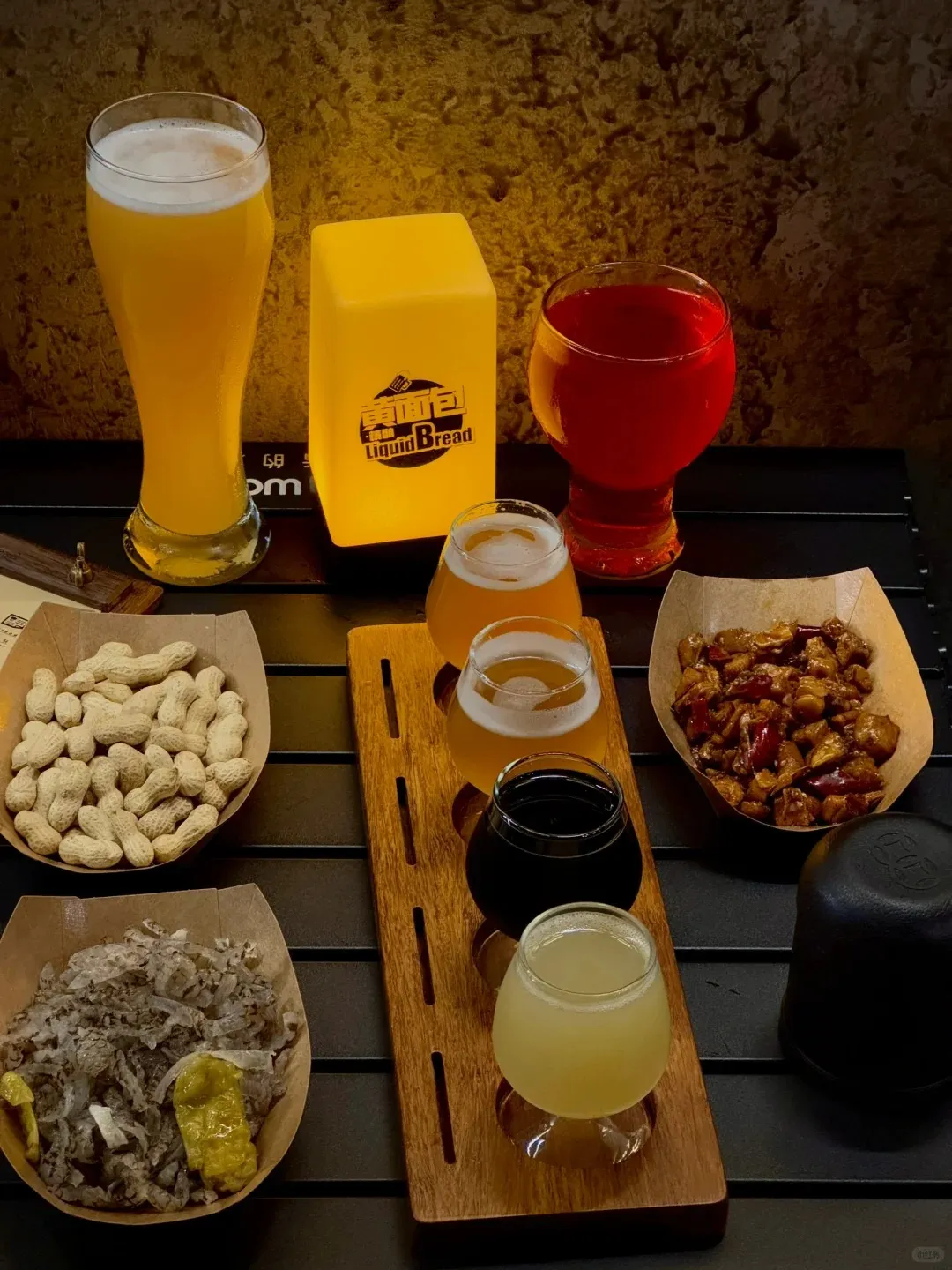
A tabletop view featuring a craft beer tasting flight on a wooden board with three small glasses (a light golden beer, a dark brown beer, and a hazy pale yellow beer), alongside a tall pilsner glass of golden beer and a red beverage. Three paper bowls contain different snacks: shelled peanuts, a shredded meat dish with white onions and yellow peppers, and a spicy dish with dark chunks and red chilies. A glowing yellow rectangular lamp displaying the 'Liquid Bread' logo is visible in the background.

Embark on a taste journey through Beijing’s craft beer scene with a diverse flight and complementary snacks from local favorites like Liquid Bread, often found nestled within the charming Hutongs.

Beijing Craft Beer & Nightlife: Your Questions Answered

What are the best craft beer breweries in Beijing?

The top craft breweries located in Beijing’s historic Hutongs include Great Leap Brewing #6 (famous for courtyard vibes), Jing-A Taproom at Longfusi (industrial-chic), and NBeer Pub (known for experimental sours). These spots offer a mix of traditional architecture and modern brewing.

In 2026, expect to pay Western prices for craft beer in Beijing. A pint typically costs between ¥45 and ¥65 ($6–$9 USD), while a tasting flight usually runs between ¥70 and ¥90. Prices reflect the imported ingredients and prime historic locations.

No, cash is rarely accepted. You must have Alipay or WeChat Pay linked to your international credit card before you arrive. Most Hutong bars and breweries rely exclusively on mobile payments, so ensure your account is verified before ordering.

Major breweries like Great Leap and Jing-A have modern, Western-style toilets. However, smaller pop-up bars in the Hutongs often lack plumbing and may direct you to public street toilets, which are cleaner than in the past but typically squat-style.

Conclusion

Beijing’s craft beer scene offers a unique window into the city’s soul. It is a place where the ancient architecture of the Yuan Dynasty meets the modern creativity of a global city. Whether you are sipping a honey-infused ale under the stars at Great Leap or dodging electric scooters to find NBeer, the effort is always rewarded.

Ready to plan the rest of your itinerary? Check out our guide on navigating China’s high-speed rail system to keep your adventure moving.

Similar posts to this one

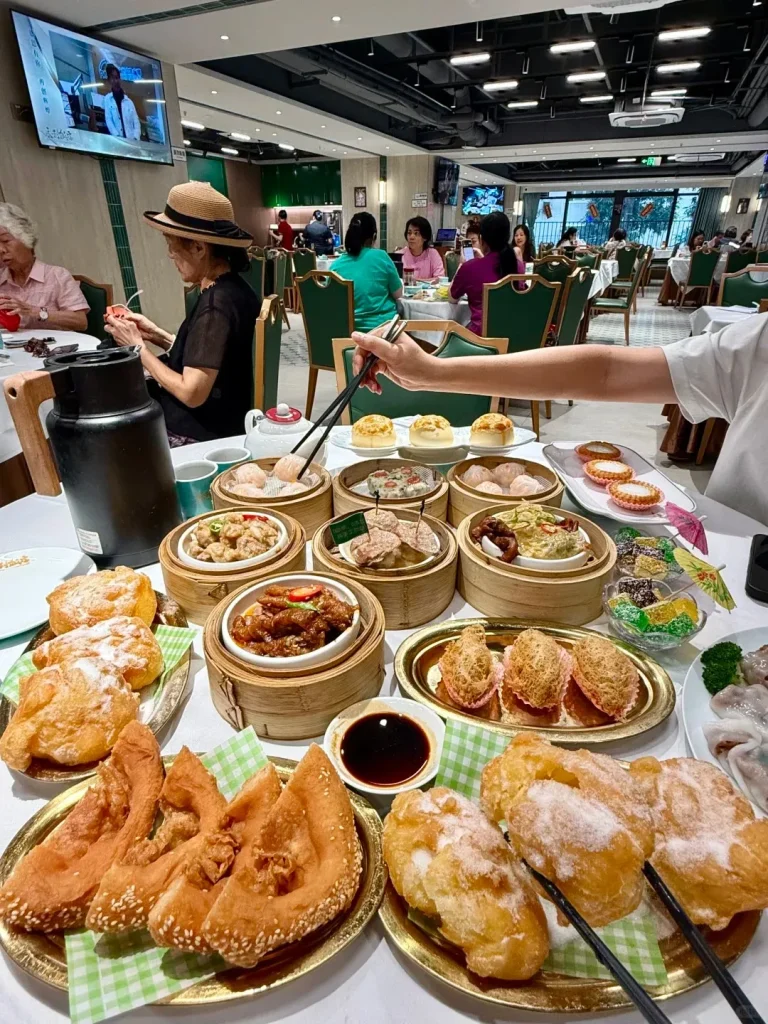
A large white dining table at a bustling Chinese dim sum restaurant is covered with a wide variety of dishes. Bamboo steamers hold different types of steamed dumplings, while plates display golden-brown fried sesame-coated pastries, sugar-dusted fried dough, taro puffs, and small bowls contain chicken feet and colorful jelly. A black tea thermos, a small white teapot, and a bowl of soy sauce are also on the table. In the foreground, a person's hand uses chopsticks to pick a dumpling from a steamer basket. Other diners are seated at tables in the background with a television screen mounted on the wall.

Guangzhou Dim Sum Guide: Etiquette, Ordering & Top Teahouses

The clatter of porcelain, the thick steam rolling off bamboo baskets, and the rapid-fire Cantonese echoing across a crowded banquet [...]

A vibrant overhead shot of a large, black Yin-Yang hot pot with bubbling red chili oil and clear broths, surrounded by numerous plates of raw ingredients on a wooden table. These include thinly sliced beef, fish fillets, tripe, meatballs, lotus root, potatoes, dark tofu or blood curd, seasoned chicken feet, two bowls of dipping sauce, and two plates of fried rice.

A Guide to the Best Hot Pot Restaurants in Chengdu for First-Time Visitors

Arriving in Sichuan's capital without eating hot pot is like visiting Paris and skipping the Eiffel Tower. The moment you [...]

A large table laden with a grand feast, centered around a copper hotpot filled with orange broth. Surrounding the hotpot are numerous plates of Yunnanese dishes, including sliced mango, various salads, fried snacks, a wrapped dish, and a prominent mushroom-themed display with Chinese characters. The setting is a traditional wooden-paneled restaurant with large windows offering a scenic view of a lake, lush green trees, and distant people.

Yunnan's Mushroom Hotpot: A Traveler's Guide to a Fungal Feast

There is a saying in Yunnan: "If you eat wild mushrooms and don't see the little green men, you didn't [...]

Get the China Arrival Survival Kit

Planning a trip here has a steep learning curve. Join our newsletter and receive our free “Day One Checklist” covering everything from setting up Alipay and WeChat to bypassing the internet firewall.