
A Traveler's Guide to Beijing's 72-Hour Visa-Free Transit: Maximizing Your Layover

Finding yourself with a long layover in China’s capital used to mean sitting in an airport lounge for a dozen hours. Today, the Beijing 72-hour visa-free transit policy completely transforms how international travelers experience the city. If you are flying through Beijing in 2026, staying inside the terminal is a massive missed opportunity.

Navigating a massive metropolis with a language barrier, blocked internet, and unique payment systems can feel intimidating. However, with the right preparation, you can comfortably leave the airport, walk the Great Wall, eat authentic Peking duck, and make it back for your connecting flight without breaking a sweat.

Quick Summary: Key Takeaways for Your Trip

  • Strict Routing Rules: You must be flying from Country A to China, and then departing to Country B. Round trips (e.g., USA to Beijing to USA) do not qualify.
  • Digital Payments are Mandatory: Cash is virtually obsolete in 2026. You must download and link your foreign credit card to Alipay or WeChat Pay before you arrive.
  • Internet Restrictions: Western apps and websites are blocked. You will need a specialized eSIM to bypass the Great Firewall.
  • Advance Booking is Crucial: Major historical sites no longer sell walk-up tickets. You must book days in advance using your passport number.

Summarize with :

What is the Beijing 72-hour visa-free transit?

The Beijing 72-hour visa-free transit is an official immigration policy allowing passport holders from 54 eligible countries to exit the airport and explore Beijing for up to three days without a traditional Chinese visa. You must hold a confirmed onward ticket to a third, different country.
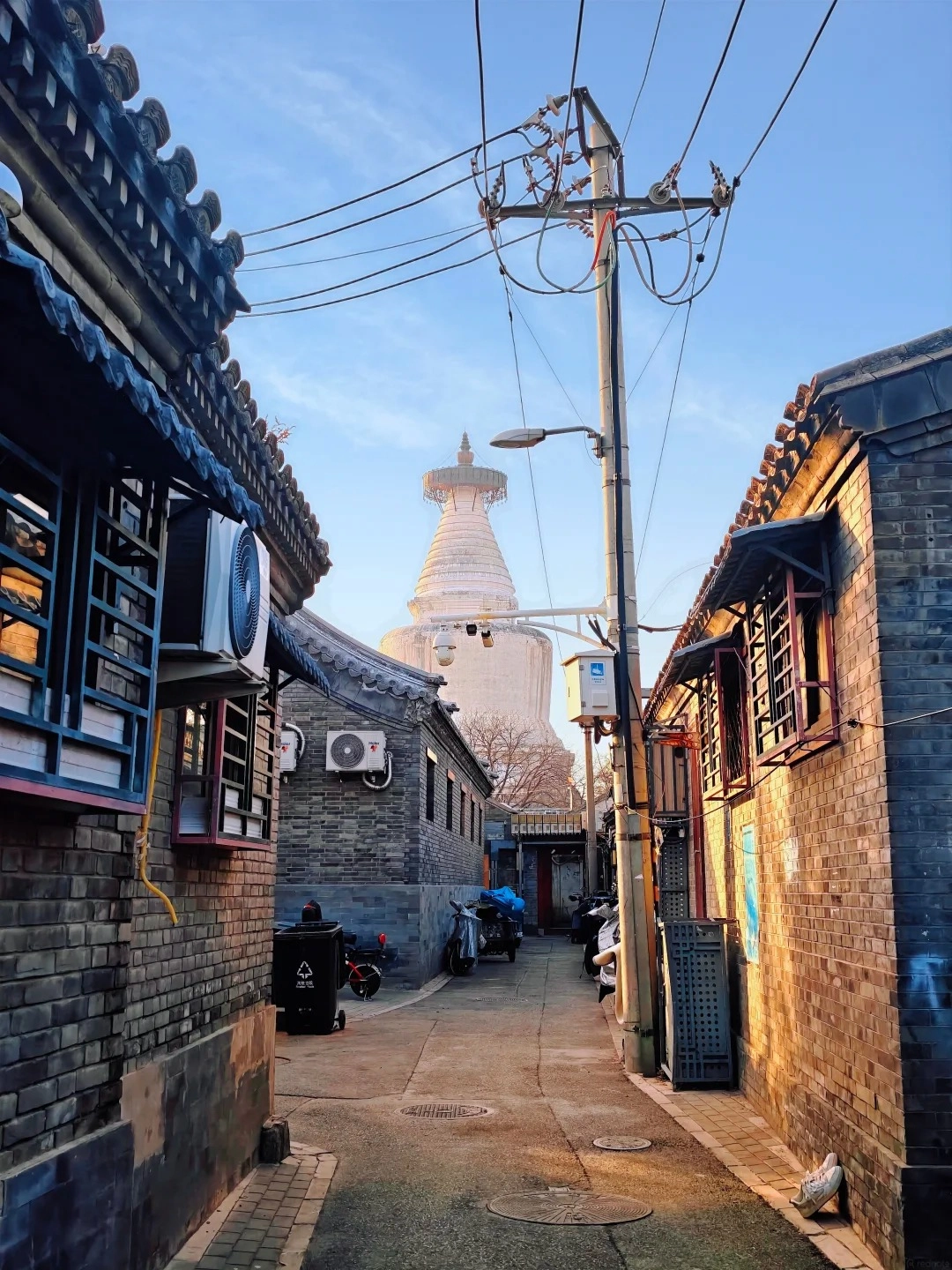
A narrow alleyway between traditional grey brick Beijing hutong buildings, leading towards a large white stupa or pagoda in the background under a clear blue sky. Power lines and a street lamp are visible in the foreground.

Navigate Beijing’s historic hutongs during your 72-hour visa-free transit and discover iconic landmarks like the White Dagoba, a stunning reminder of the city’s rich history.

Step-by-Step: How to Navigate Beijing Airports in 2026

Whether you land at the sprawling, starfish-shaped Daxing International (PKX) or the classic Capital International (PEK), the entry process is identical but requires patience. Do not follow the main herd of passengers to the standard immigration lines.

Instead, look for the specific blue kiosks labeled “Temporary Entry Permit” or “Visa-Free Transit.” You will scan your passport, print your arrival card, and present your onward flight itinerary to the border agent. According to the official China National Immigration Administration guidelines, your official time clock actually begins at 00:00 the day following your arrival.

What to Know Before You Go: The immigration lines for transit visas can be notoriously slow, sometimes taking up to two hours. Factor this into your layover timeline before booking any time-sensitive tours.

Staying Connected: Why You Need an eSIM in China

The moment you step out of the airport, you will realize that navigating Beijing without internet access is impossible. Because of the Great Firewall, apps like Google Maps, WhatsApp, and Gmail are completely blocked on local Wi-Fi networks.

To avoid the severe frustration of physical SIM cards and unreliable VPNs, you need a travel eSIM that automatically routes your data outside the firewall.

💡 Editor’s Pick: We recommend Nomad eSIM for China because it reliably bypasses the Great Firewall with stable speeds.

Insider Tip: Download and activate your eSIM while you are still at your home airport. Once you land in Beijing, your phone will instantly connect to local 5G networks, allowing you to use translation apps immediately.

Essential Apps for Surviving Beijing

China operates on a completely different digital ecosystem. If you try to hail a cab by waving your hand or buy a snack with a physical credit card, you will be met with confused stares.

  • Alipay / WeChat Pay: These are non-negotiable. A standard bottle of Nongfu Spring water costs exactly 2 RMB (about $0.30), but you’ll need to scan a QR code to buy it from a corner store.
  • DiDi: The Chinese equivalent of Uber. It has a built-in English interface and auto-translates messages between you and your driver.
  • Apple Maps or Baidu Maps: Google Maps is highly inaccurate in China due to GPS shift regulations. Apple Maps works perfectly natively, or you can use Baidu Maps if you can navigate the Chinese interface.

72-Hour Beijing Itinerary: What to See and What to Skip

Day 1: The Forbidden City and Hutong Realities

Start your trip at the Forbidden City, but be warned: the central axis is a chaotic crush of mega-tour groups following guides with loud megaphones. To escape the noise, head immediately to the eastern or western side halls, such as the Chonghua Palace area, where the courtyards are eerily quiet and beautifully preserved.

Is it Worth It? Yes, but only if you book ahead. You cannot buy tickets at the gate. You must reserve them up to 7 days in advance through the official Palace Museum ticketing portal using your passport.

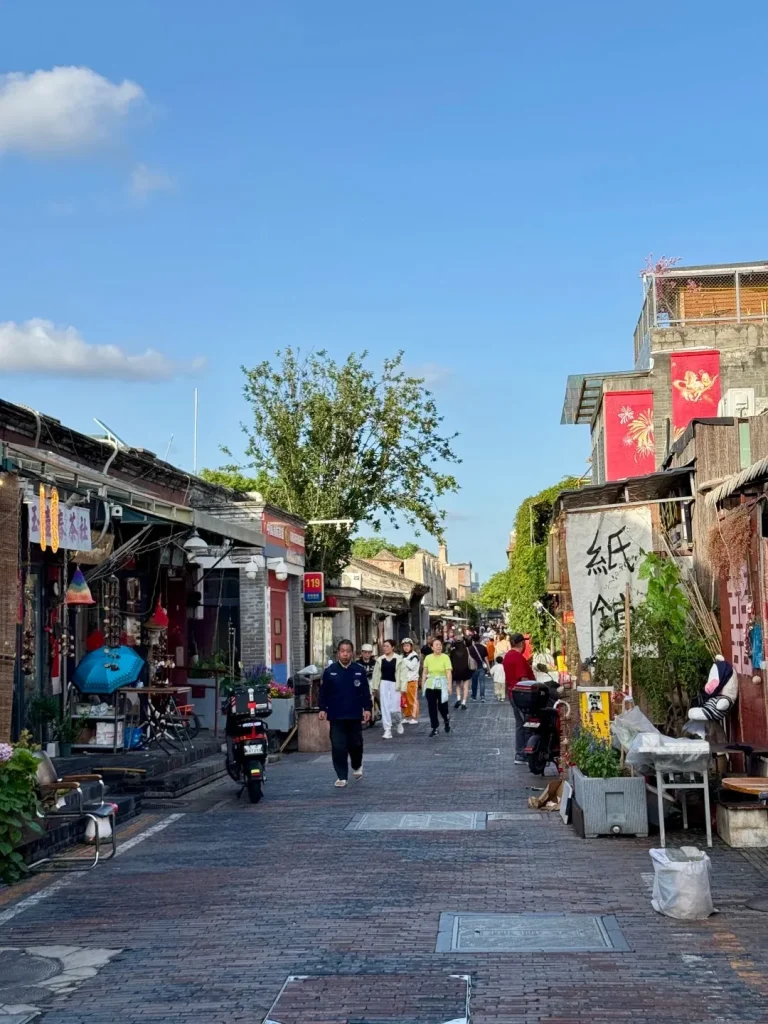
Afterward, walk north to the Hutongs (traditional alleyways). Skip the hyper-commercialized Nanluoguxiang. Instead, wander around the Beiluogu Alley or Wudaoying Hutong, where you can smell roasting lamb skewers and hear the clack of mahjong tiles from local retirees.

View from the Great Wall of China at Mutianyu, looking down a stone staircase lined with brick battlements. People are walking up and down the stairs. The wall continues in a winding path along lush green, tree-covered mountains under a bright blue sky with white and gray clouds.

Imagine experiencing the grandeur of the Great Wall of China during your 72-hour visa-free layover in Beijing! Sections like Mutianyu offer breathtaking views and a less crowded experience, perfect for a quick yet unforgettable adventure.

Day 2: Conquering the Great Wall

If you only have time for one excursion, make it the Great Wall. However, making the wrong choice here will ruin your trip. Skip the Badaling section entirely. It is an overcrowded tourist trap where you will be shoulder-to-shoulder with thousands of people.

Instead, hire a DiDi or book a driver to the Mutianyu section. It takes about 90 minutes from the city center. The mountain air is noticeably crisper here, the restored watchtowers are stunning, and you can take an exhilarating metal toboggan ride down the mountain when you finish your hike.

Day 3: Temple of Heaven and High-Speed Trains

Spend your final morning at the Temple of Heaven. Arrive by 7:00 AM to watch locals practicing Tai Chi and water calligraphy among the ancient cypress trees. It is one of the most authentic cultural experiences left in the city.

If you want to experience China’s famous infrastructure before heading back to the airport, take a short ride on a high-speed train. Based on the official 12306 rail policy, foreign travelers can now verify their passports directly within the official 12306 app, allowing you to use your passport as your physical train ticket at the turnstiles.


Common Questions About Beijing Transit Travel

Do I need a visa for a 72-hour layover in Beijing?

If you are from one of the 54 eligible countries and have a confirmed flight to a third country, you do not need a traditional visa. You can apply for a temporary entry permit at the airport upon arrival.

Physical credit cards and cash are rarely used. You must download Alipay or WeChat Pay and link your foreign credit card before you arrive to pay for everything from transport to street food.

Standard Wi-Fi networks in China block many Western apps. The most reliable way to stay connected and use your favorite apps is to purchase a travel eSIM that automatically routes your data outside the Great Firewall.

No, walk-up tickets are no longer available. You must book your tickets online up to 7 days in advance through the official Palace Museum ticketing portal using your passport information.

Conclusion: Making the Most of Your Transit

A 72-hour layover in Beijing is no longer a logistical nightmare; it is a massive opportunity to sample one of the world’s most dynamic cities. By setting up your digital payments in advance, securing a reliable eSIM to bypass the firewall, and strategically avoiding the worst tourist traps, you can experience the best of China’s capital with minimal stress. Double-check your onward flight eligibility, pack comfortable walking shoes, and get ready to turn your layover into the highlight of your entire trip.

Similar posts to this one

A panoramic view of the Great Wall of China at Jinshanling section, stretching over rolling green mountains under a blue sky with white clouds. Several stone watchtowers are visible along the wall, with dense green trees covering the slopes.

Beyond the Wall: A Day Trip Guide to the Jinshanling Great Wall

If you are traveling to Beijing, seeing the Great Wall is non-negotiable. However, getting crushed in a sea of [...]

A large table laden with dishes for hot pot dining. In the center is a steaming copper pot with a decorative yellow and blue base. Around it are platters of thinly sliced raw meats, including lamb and beef, arranged in circular patterns. Several skewers of small meat pieces and a bowl of dipping sauce are also visible. Various vegetables, including napa cabbage and purple cabbage, are placed in bowls. Bottles of drinks and stacks of tofu are on the table. In the background, traditional Chinese architecture with red lanterns and green vines can be seen, with people dining at tables.

Beijing Copper Pot Hot Pot: A Guide to Authentic Mutton Shabu-Shabu

When the biting winter winds sweep down from Siberia, locals know there is only one true way to thaw out: [...]

An aerial, overhead view of Beijing Daxing International Airport's main terminal building. The sprawling structure is brown and distinctively starfish-shaped with six radial piers emanating from a central hub, featuring several skylight domes. Surrounding the terminal are vast paved areas, active construction zones, railway tracks, and other airport support buildings, all bathed in warm, late afternoon sunlight casting long shadows.

Navigating Beijing Daxing Airport: A Practical Guide for Travelers

Arriving in China can feel overwhelming, but landing at the architectural marvel of PKX doesn't have to be. Whether you [...]

Get the China Arrival Survival Kit

Planning a trip here has a steep learning curve. Join our newsletter and receive our free “Day One Checklist” covering everything from setting up Alipay and WeChat to bypassing the internet firewall.