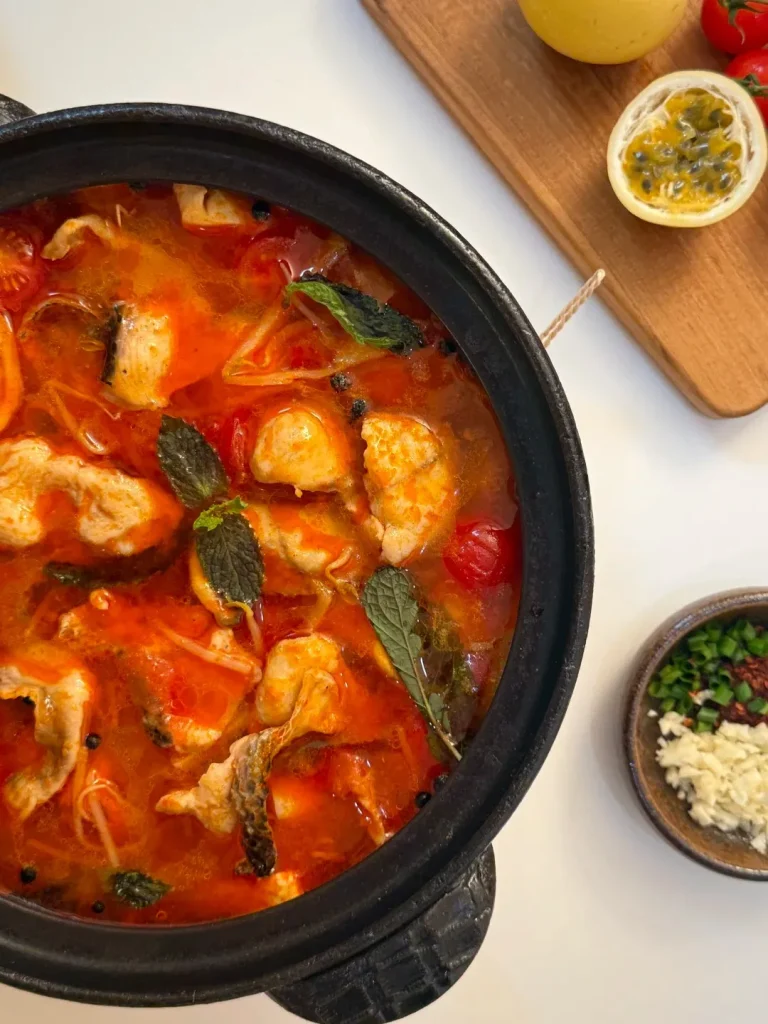



What is Traditional Beijing Hot Pot?
Traditional Beijing hot pot is a classic northern Chinese dish cooked in a charcoal-heated copper pot using a simple clear water or light mushroom broth. Unlike spicy Sichuan varieties, it focuses entirely on the quality of fresh, hand-sliced mutton, which is briefly boiled and dipped in a rich sesame paste sauce.
The chimney in the center of the distinctive purple copper pot isn’t just for aesthetics; it symbolizes warmth and prosperity. The charcoal fire inside ensures a rolling boil that instantly cooks the thinly sliced meat, locking in tenderness and a subtle, milky aroma.
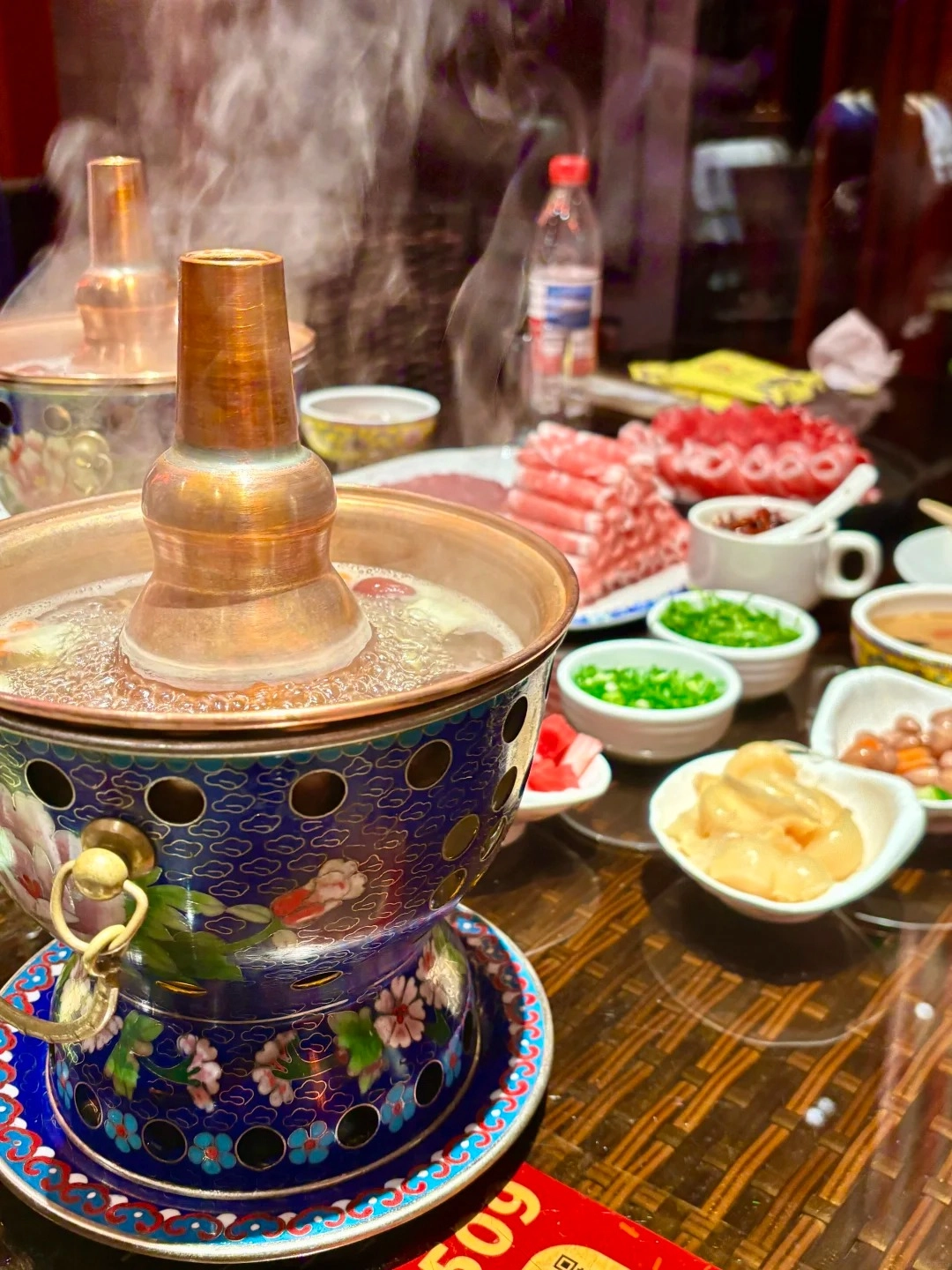
Experience the iconic Beijing copper pot hot pot, a communal dining experience perfect for enjoying authentic mutton shabu-shabu.
How does the 144-Hour Visa-Free Transit work in 2026?
The 144-hour visa-free transit policy allows eligible travelers from 54 countries to explore Beijing for up to six days without a pre-approved visa, provided they hold a valid passport and a confirmed onward ticket to a third country or region within 144 hours.
According to the official China National Immigration Administration, this makes layovers the perfect opportunity for a culinary deep-dive. Just ensure your flight itinerary strictly follows the A-to-B-to-C routing rules before you leave the airport in search of dinner.
What to Know Before You Go: Navigating the Hot Pot Scene
There is a specific rhythm to dining in Beijing’s historic neighborhoods. The first thing you’ll notice upon pulling back the heavy thermal door curtains of a traditional eatery is the overwhelming, comforting smell of burning charcoal and roasted sesame.
Insider Tip: Don’t order the spicy split pot. A common mistake tourists make is requesting a “Yuan Yang” (half-spicy, half-clear) pot. True Beijingers will tell you that heavy spices mask the flavor of inferior meat. If the restaurant is confident in their lamb, they will encourage you to boil it in plain water.
Be prepared for a sensory overload. These restaurants are loud, crowded, and incredibly warm. You’ll likely find yourself wiping sweat from your forehead while drinking a cheap, 3 RMB bottle of Nongfu Spring water to cool down between bites of steaming lamb.
Staying Connected to Translate Menus
Because the best local spots rarely have English menus—and sometimes just use a handwritten whiteboard—you absolutely need a reliable internet connection to run your live camera translation app.
💡 Editor’s Pick: We recommend Nomad eSIM for China because it reliably bypasses the Great Firewall with stable speeds.
Public Wi-Fi requires a Chinese phone number to receive an SMS code, which most travelers don’t have. Having a pre-installed eSIM ensures you can immediately scan QR codes, translate meat cuts, and hail a DiDi (ride-share) back to your hotel.
How to Order: The Best Mutton Cuts for Shabu-Shabu
When you sit down, the sheer variety of lamb on the digital menu can be dizzying. Skip the cheap, perfectly round frozen rolls. You want the freshly butchered cuts that arrive at your table with a faint trace of blood, proving they’ve never seen a freezer.
- Lamb Leg Muscle (羊腿肉): Substantial and thick, this cut retains a wonderfully tender texture even if you accidentally leave it in the boiling water a few seconds too long.
- Hindquarter (后腿肉): Lean but incredibly flavorful, this is the staple cut for traditional halal restaurants.
- Fresh Beef Tripe (毛肚): A textural delight. Use your chopsticks to dip the tripe into the boiling water for exactly eight seconds until it curls.
The Dipping Sauce: The soul of the meal is the sesame paste (麻酱). A proper Beijing dipping sauce combines pure sesame paste, fermented tofu, chive flowers, and a dash of shrimp oil. It perfectly cuts the richness of the meat.
Authentic Hutong Restaurant Recommendations
While massive chains like Haidilao offer incredible service, they don’t serve the charcoal-fired copper pot experience. For that, you need to head to the city’s historic Muslim quarter or the winding hutongs.
Jubaoyuan (聚宝源)
Located in the Niujie district (Beijing’s Muslim quarter), Jubaoyuan is arguably the most famous halal hot pot restaurant in the city. Expect a massive queue of eager locals wrapping around the building by 5:00 PM.
They source their lambs exclusively from Western Mongolia, known for producing the finest, odor-free meat. Do not skip their signature sweet garlic condiment, which perfectly cleanses the palate between rich bites of mutton.
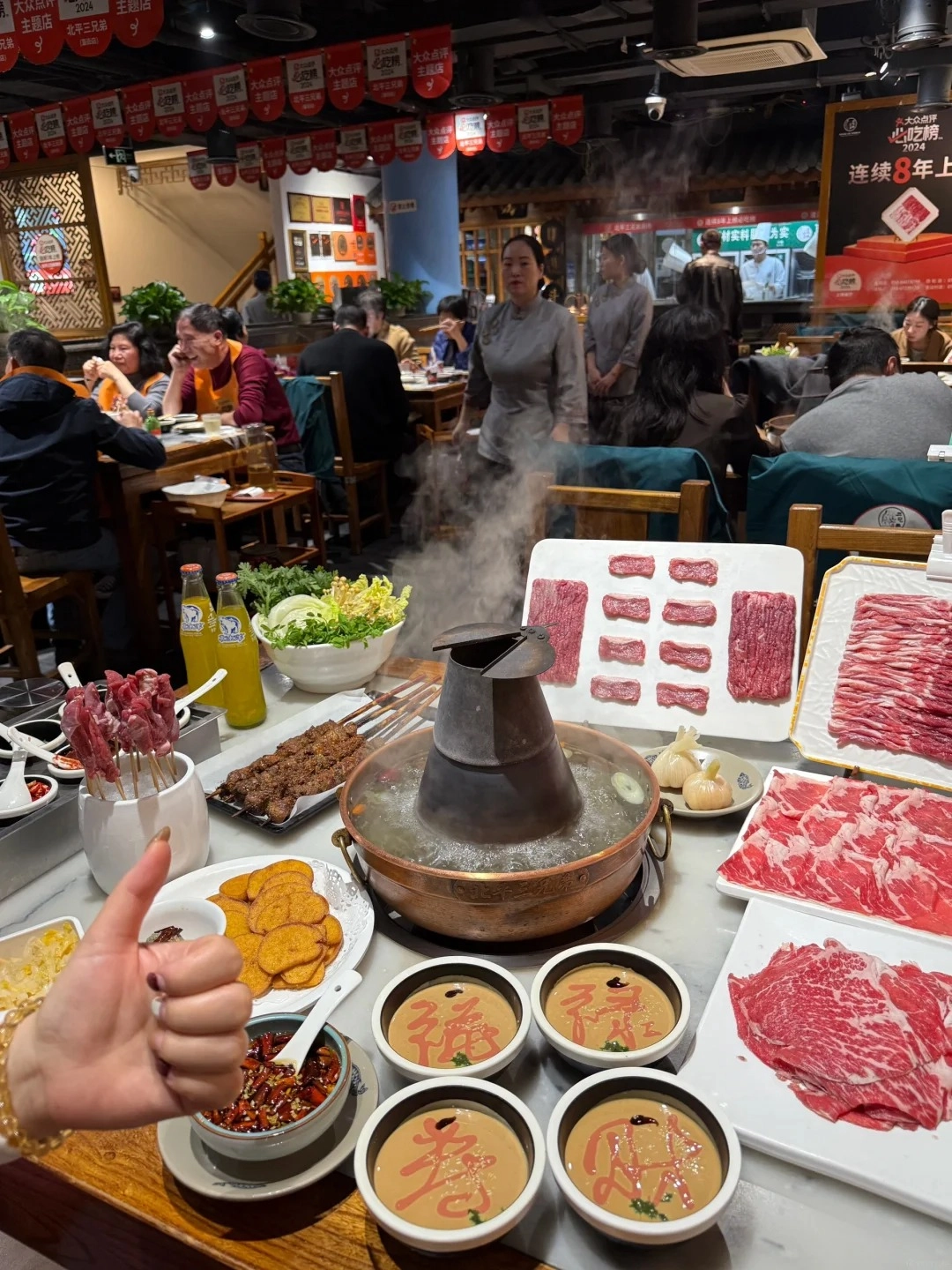
Dive into the heart of Beijing’s culinary scene with this authentic copper pot hot pot experience, showcasing the finest hand-sliced mutton ready for shabu-shabu.
Tianqiao Laojin Hot Pot (天桥老金涮肉)
If you want an intimate, old-world experience, this is it. Nestled in a quiet alley at 46 Liuxue Road, this tiny establishment boasts only ten tables and fifteen copper pots. It represents the hard work of two generations of owners.
Their menu is handwritten on a small whiteboard. What sets Lao Jin apart is their dipping sauce made from pure sesame paste—an increasingly rare find in modern Beijing. The slightly sour tang of the sauce brilliantly neutralizes any greasiness.
Logistics: Navigating and Paying Like a Local
Getting to these hidden gems requires a bit of digital savvy. Google Maps is highly inaccurate in China due to GPS shifting. Instead, use Apple Maps or the built-in map function within the Alipay app.
Payment is entirely digital. When you sit down, you will point your smartphone camera at the QR code stickered to the corner of your table. This opens a WeChat or Alipay mini-program where you select your broth, meats, and vegetables. When you are finished, you simply press “Pay” on your phone and walk out. Trying to hand physical cash to a busy waiter will often result in polite confusion.