
A Guide to the Best Hot Pot Restaurants in Chengdu for First-Time Visitors

Arriving in Sichuan’s capital without eating hot pot is like visiting Paris and skipping the Eiffel Tower. The moment you step onto the bustling streets, the thick, humid air hits you, carrying the unmistakable, heavy scent of roasting chilies and melting beef tallow. But for uninitiated travelers, navigating the bubbling cauldrons of fiery red oil can feel incredibly intimidating. This comprehensive Chengdu hot pot guide is designed to help you decode the menus, avoid common tourist pitfalls, and eat like a local without burning your tastebuds off.

TL;DR: Trip Essentials

  • Choose a Yin-Yang Pot: Always order a split pot (half spicy beef tallow, half clear bone broth) to give your palate a break from the intense heat.
  • Mix the Right Sauce: A dipping base of pure sesame oil mixed with crushed garlic and cilantro is mandatory—it coats the food, protects your stomach, and neutralizes the spicy chili oil.
  • Use Essential Apps: Download Alipay or WeChat for payments, as physical cash is rarely accepted by restaurants in 2026.
  • Expect to Pay: A high-quality hot pot dinner typically costs between 120 RMB to 200 RMB ($16-$28 USD) per person.

Summarize with :

What is Chengdu Hot Pot?

Chengdu hot pot is a communal dining experience where diners cook raw meats, vegetables, and noodles at the table in a boiling, deeply flavored broth. The signature local style utilizes a rich beef tallow base heavily spiced with numbing Sichuan peppercorns and fermented broad bean paste.

Unlike the individual small pots you might find in other parts of Asia, authentic Sichuan hot pot is a shared, highly social event. The magic lies in the “mala” flavor profile—”ma” meaning numbing, and “la” meaning spicy. It creates a tingling sensation on your lips that is uniquely addictive.

Top Hot Pot Restaurants in Chengdu for First-Timers
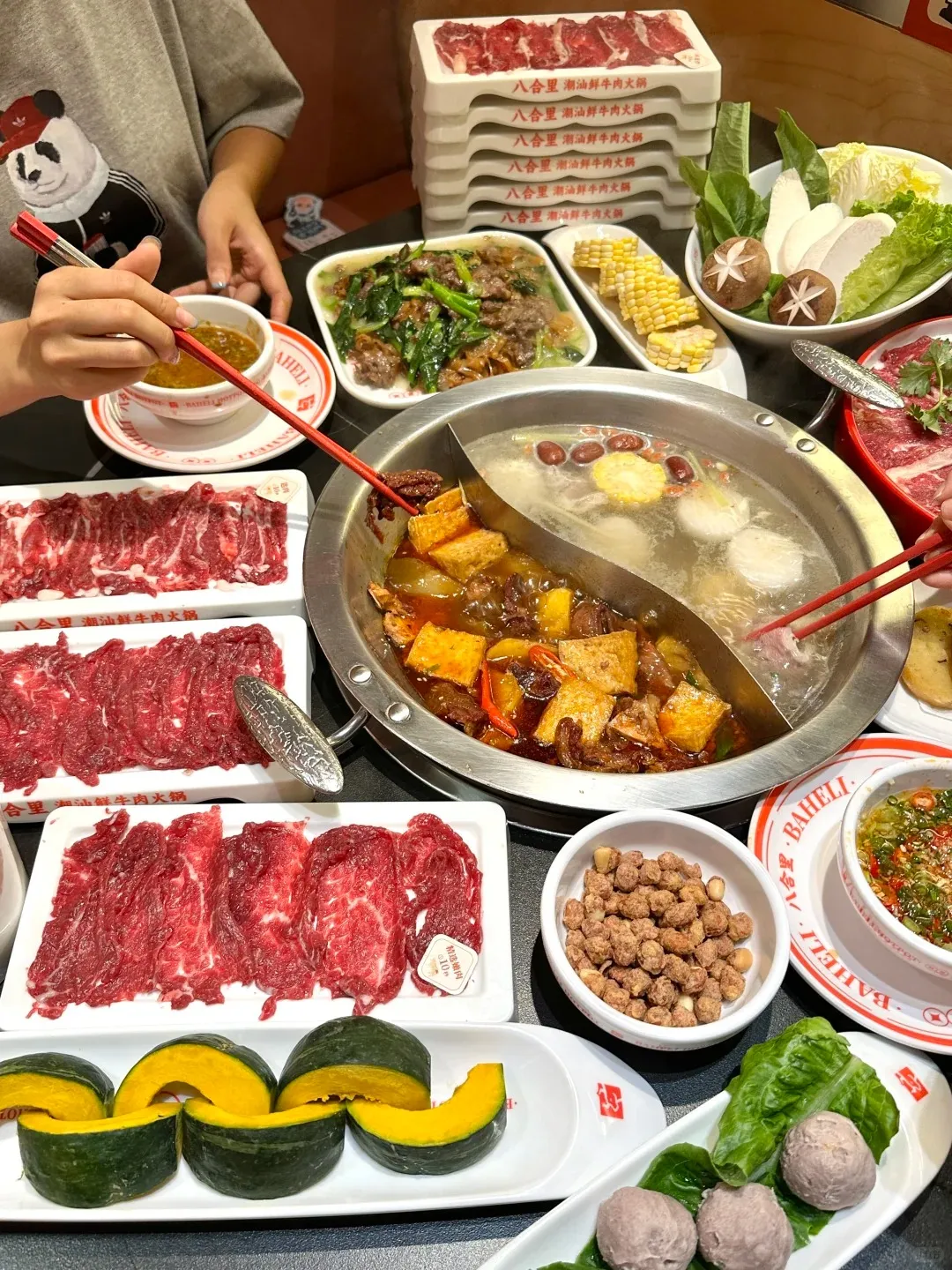
A large hot pot feast spread on a table, featuring a bubbling silver yin-yang hot pot with a fiery red spicy broth on one side and a clear, mild broth with corn and meatballs on the other. Surrounding the pot are multiple plates of thinly sliced raw beef, fresh vegetables including lettuce, cabbage, and shiitake mushrooms, corn on the cob, sliced raw pumpkin, a bowl of peanuts, and a dipping sauce. A person's hands hold red chopsticks, preparing to add ingredients to the hot pot. Stacks of white serving plates with raw beef and Chinese text are visible in the background.

Prepare for a culinary adventure! This vibrant spread of a classic Chengdu hot pot highlights why it’s a must-try for first-time visitors. With options like the iconic yin-yang broth, allowing you to sample both fiery and mild flavors, and an abundance of fresh ingredients, every meal is a personalized feast.

According to Dianping’s 2026 restaurant index (China’s equivalent to Yelp), there are over 30,000 hot pot joints in the city. To save you from decision fatigue, here are the most accessible, high-quality spots for international visitors.

Huangcheng Laoma (Qintai Road Branch)

If you are nervous about extreme spice levels, Huangcheng Laoma is your safest starting point. The spice blend here is deliberately milder, making it incredibly popular with foreign dignitaries and first-time tourists.

The restaurant features stunning traditional wooden architecture and private booths. Expect to pay around 150 RMB per person. After dinner, you can easily walk off the heavy meal by strolling down Qintai Road, which is beautifully illuminated at night.

Damiao Hotpot (Kuanzhai Alley Branch)

Located right inside the famous Narrow Alley, Damiao Hotpot offers a premium, high-end dining experience. While it is pricier (around 200 RMB per person), the ambiance is unmatched, featuring nightly face-changing (Bian Lian) Sichuan opera performances.

Because it caters heavily to tourists, the staff is very accustomed to helping foreigners order. Insider tip: Order their signature snowflake beef and fresh bamboo shoots, which soak up the broth perfectly.

Piaoxiang Hot Pot (Yulin West Road)

For travelers wanting a grittier, highly authentic local vibe, head to Piaoxiang Hot Pot. Be prepared for cramped tables, loud conversations, and a guaranteed 90-minute wait if you arrive after 6:00 PM.

The red oil base here is unapologetically fiery. You will definitely need to buy a 3 RMB bottle of ice-cold Vitasoy milk or a sweet plum juice to cool your mouth between bites.

Essential Logistics: Connectivity and Payments

Before you even try to sit down and scan a QR code menu on your table, you need reliable internet. China’s Great Firewall blocks most Western apps and websites. I highly recommend installing an eSIM before you land.

💡 Editor’s Pick: We recommend Nomad eSIM for China because it reliably bypasses the Great Firewall with stable speeds. Use code JORICAQLKF at checkout to get $5 USD off your first data plan.

In 2026, physical menus are practically extinct in Chengdu. You will need to use WeChat or Alipay to scan the barcode on your table, which opens a mini-program to place your order. Fortunately, both apps now feature built-in translation tools for international users.

If you are visiting on a layover, according to the official China National Immigration Administration 144-hour transit visa policy, you can leave the airport and take the Metro Line 10 directly into the city center for a quick hot pot feast before your connecting flight.

How to Order Like a Local
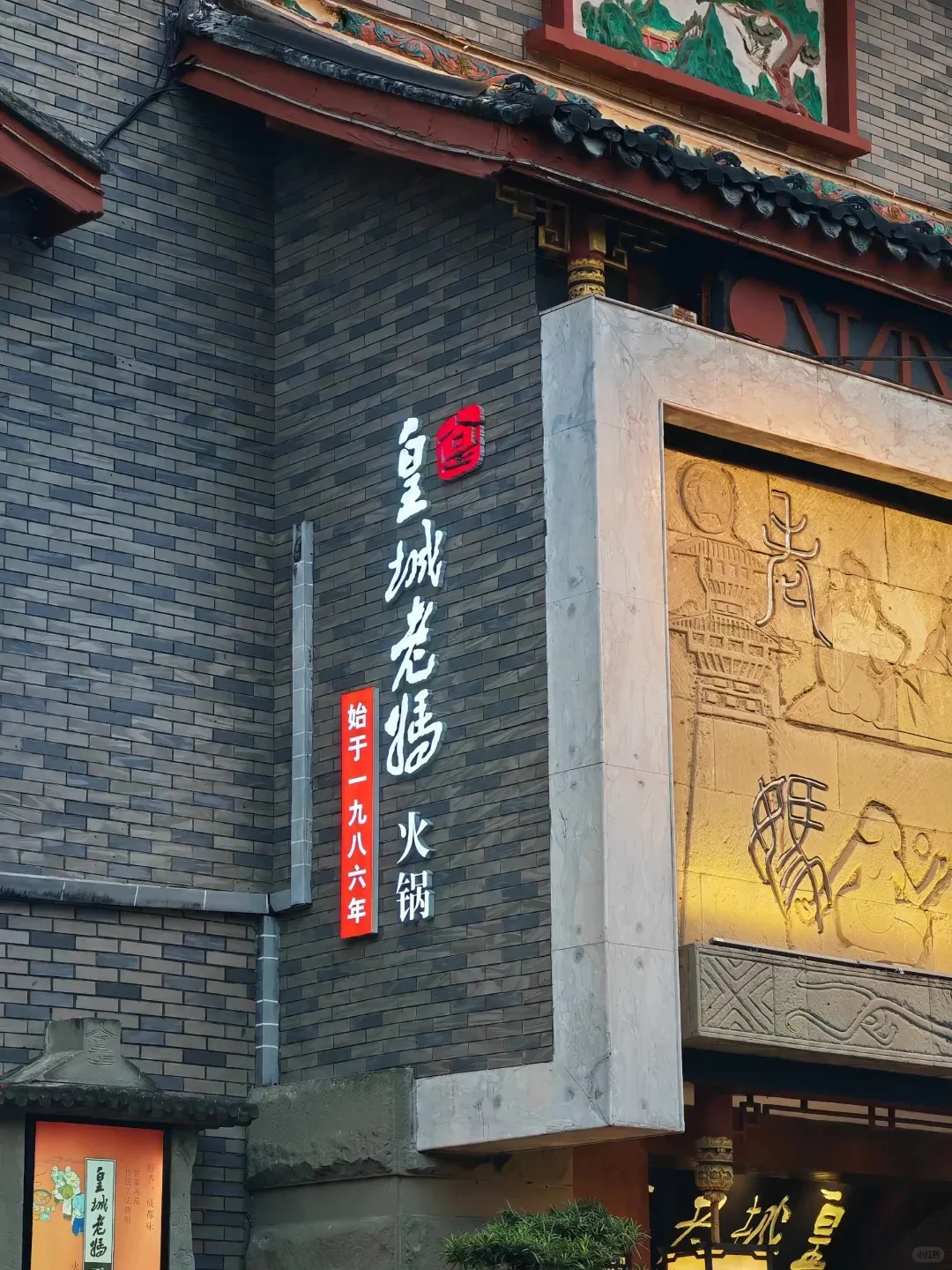
The exterior of Huangcheng Laoma hot pot restaurant in Chengdu, featuring a grey brick facade, a traditional tiled roof, and a prominent vertical illuminated sign displaying '皇城老妈火锅' (Huangcheng Laoma Hot Pot) and '始于一九八六年' (Founded in 1986). To the right, a large golden relief carving depicting traditional figures adorns the building.

Established in 1986, Huangcheng Laoma Hot Pot is an iconic Chengdu institution. Its distinctive traditional facade hints at the rich culinary journey awaiting first-time visitors eager to savor authentic Sichuan hot pot.

Ordering can be overwhelming when faced with hundreds of ingredients. Always start by selecting your broth. A Yin-Yang Pot (Yuanyang Guo) is the best choice, offering a spicy side and a non-spicy tomato or mushroom side.

Must-Try Ingredients

  • Thinly Sliced Beef or Lamb: Cooks in just 10-15 seconds. Watch it closely so it doesn’t overcook.
  • Brown Sugar Glutinous Rice Cakes (Hongtang Ciba): A sweet, crispy, and chewy snack that perfectly cuts through the spice of the main meal.
  • Lotus Root and Potatoes: Leave these in the clear broth for a few minutes until they soften. If you put them in the spicy side, they will absorb pure chili oil.

What to Know Before You Go: The Unvarnished Truth

Do not wear your best clothes to a hot pot dinner. The heavy scent of boiling beef tallow and garlic will permeate your hair, jacket, and shoes, lingering for days. Many higher-end restaurants will provide aprons, but they only protect against splatters, not the steam.

Additionally, beware the “mild” trap. When a Chengdu waiter asks if you want your broth “Wei La” (mildly spicy), remember that Sichuan mild is equivalent to Western extreme heat. Do not try to be a hero on your first night, or you will spend your next day confined to your hotel room.

Finally, pace yourself. The broth gets saltier and spicier the longer it boils. If it becomes too intense, ask the waiter to add more clear broth (Jia Tang) to dilute the concentration.

Common Questions About Chengdu Hot Pot

How much does a hot pot dinner cost in Chengdu?

A high-quality hot pot dinner in Chengdu typically costs between 120 RMB to 200 RMB ($16-$28 USD) per person. Prices can vary depending on whether you choose a local neighborhood spot or a premium restaurant with traditional Sichuan entertainment.

Physical cash and paper menus are practically extinct in 2026. You will need to download and set up Alipay or WeChat to scan the QR codes on your table, which will open a mini-program equipped with translation tools for ordering and payment.

First-time visitors should always order a Yin-Yang split pot (Yuanyang Guo). This provides half spicy beef tallow broth and half clear bone or tomato broth, giving your palate a much-needed break from the extreme Sichuan heat.

Yes, under China’s official 144-hour transit visa policy, eligible international travelers can leave the airport during a layover. You can easily take Metro Line 10 directly into the city center for a quick and authentic hot pot feast before your connecting flight.

Tackling your first hot pot in Chengdu is an unforgettable culinary milestone. By starting with a split pot, leaning on sesame oil, and embracing the chaotic, noisy atmosphere, you’ll discover exactly why this dish is the beating heart of Sichuan culture. Ready to explore more of the city’s culinary secrets? Check out our guide to booking the best street food walking tours in Chengdu’s Jinjiang District.

Similar posts to this one

A large white dining table at a bustling Chinese dim sum restaurant is covered with a wide variety of dishes. Bamboo steamers hold different types of steamed dumplings, while plates display golden-brown fried sesame-coated pastries, sugar-dusted fried dough, taro puffs, and small bowls contain chicken feet and colorful jelly. A black tea thermos, a small white teapot, and a bowl of soy sauce are also on the table. In the foreground, a person's hand uses chopsticks to pick a dumpling from a steamer basket. Other diners are seated at tables in the background with a television screen mounted on the wall.

Guangzhou Dim Sum Guide: Etiquette, Ordering & Top Teahouses

The clatter of porcelain, the thick steam rolling off bamboo baskets, and the rapid-fire Cantonese echoing across a crowded banquet [...]

A giant panda lies on its back on wet, muddy ground, surrounded by green bamboo branches and leaves. Its mouth is slightly open, showing its tongue, and one paw with visible claws is raised, interacting with a bamboo stalk.

Chengdu Panda Volunteer Programs: A Day with China's National Treasure

For many travelers, a trip to the Middle Kingdom is defined by a singular dream: seeing a giant panda up [...]

Multiple hands operating chrome beer taps against a gold-colored wall, pouring amber craft beer into various stemmed glasses. The glasses are branded with the black script 'xuan' and show a foamy head on the beer.

Beijing Craft Beer Guide: Best Breweries in the Hutongs

If you think Beijing’s drinking culture is strictly limited to baijiu toasts and light lagers, you are in for a [...]

Get the China Arrival Survival Kit

Planning a trip here has a steep learning curve. Join our newsletter and receive our free “Day One Checklist” covering everything from setting up Alipay and WeChat to bypassing the internet firewall.