


Defining the Chengdu Art Aesthetic
What is the “Chengdu Style”?
Unlike Beijing’s political pop art or Shanghai’s polished commercial galleries, Chengdu’s art scene is characterized by a “relaxed anarchism.” It is heavily influenced by the city’s strong indie music history, poetry subculture, and a slower pace of life known locally as an yi (comfort/leisure).
The Heavy Hitters: Contemporary Museums
While the traditional Sichuan Museum is excellent for history, the modern art enthusiast needs to head south or look for repurposed industrial spaces. Here is where to go.
Chengdu Contemporary Image Museum
Located in the Fuhe Photography Park, this is arguably the most polished visual arts space in the city. Housed in a handsome European-style complex, it is dedicated exclusively to photography. The curation here is world-class, often featuring major retrospectives of Western photographers alongside cutting-edge Chinese contemporaries. It is quiet, spacious, and rarely crowded.
- Location: Fuhe Photography Park (approx. 500m from Shaheyuan Metro Station).
- Insider Tip: The surrounding park is a favorite for local wedding photographers. It offers a fascinating look at the “business” of romance in modern China.
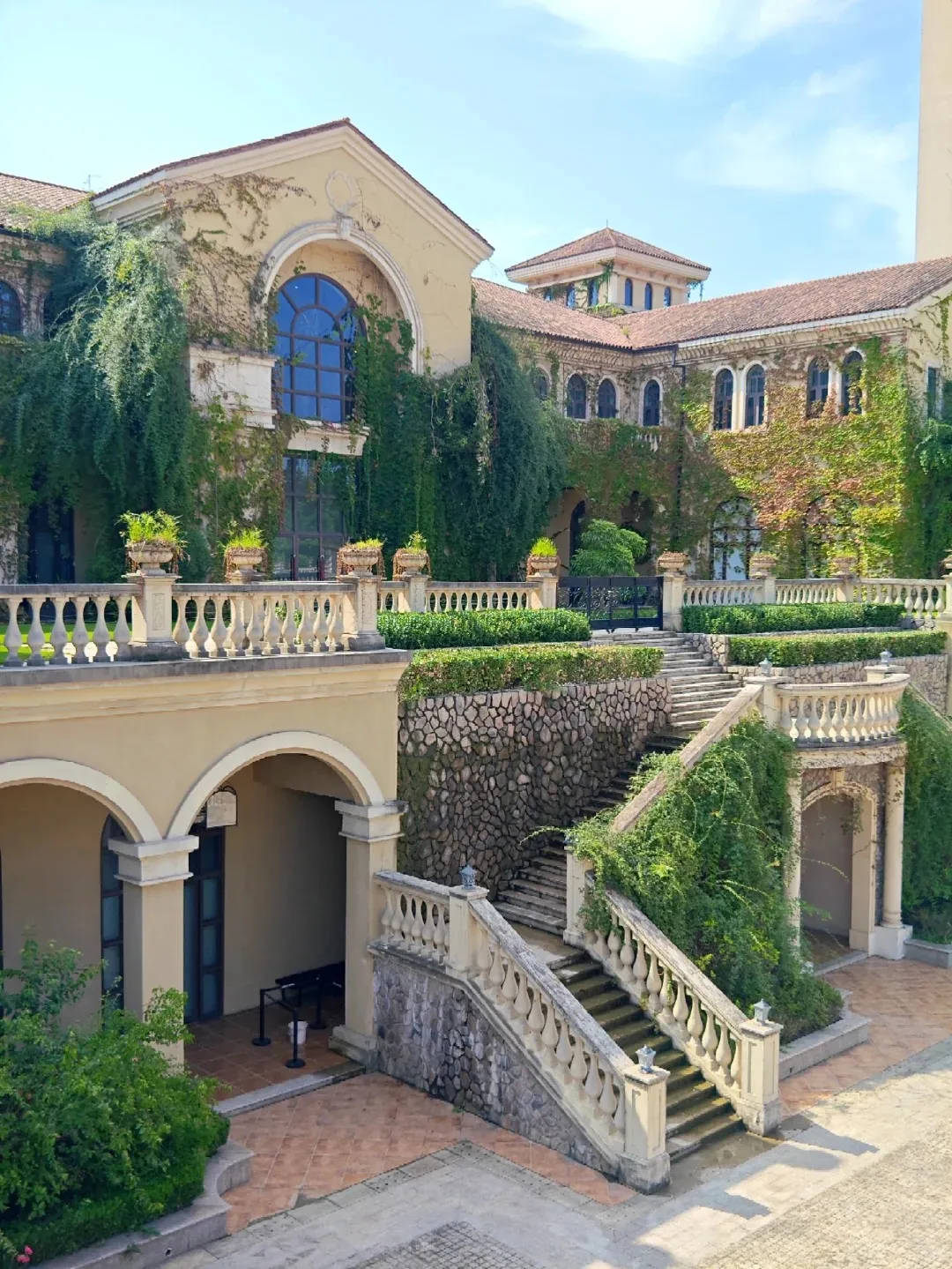
Beyond its picturesque, European-inspired exterior, the Chengdu Contemporary Image Museum houses cutting-edge exhibitions that contribute significantly to Chengdu’s thriving modern art scene.
Chengdu Museum of Contemporary Art (MOCA)
Located in the Tianfu Software Park, MOCA was built to be the anchor of the city’s high-tech artistic ambitions. The architecture is stark and modern, and when an exhibition is on, it features thought-provoking critiques of history and nature.
Is it worth the trip? Potentially, but proceed with caution. The museum has suffered from funding inconsistencies in recent years. It is located in the deep south of the city (Metro Line 1, 5th Tianfu Street station). Before you commit to the 45-minute subway ride from the center, ask your hotel concierge to call them to ensure a specific exhibition is actually open.
Yulin: The Soul of Chengdu’s Street Culture
If the High-Tech Zone is the brain of Chengdu, Yulin is the heart. This 1980s residential neighborhood didn’t get bulldozed during China’s rapid urbanization; instead, it evolved. This is where poets, painters, and punk rockers moved in the 90s for cheap rent, creating a community that still thrives today.
White Night (Bai Ye)
Founded by celebrated poet Zhai Yongming, White Night is more than a bar; it’s a cultural institution. Located on Fanghua Street, it hosts poetry readings, art salons, and film screenings. It’s a rare space where the literary elite and curious travelers mix over tea and whiskey.
The “Little Bar” Phenomenon
You cannot talk about Yulin without mentioning Little Bar (Xiaojiuguan). Immortalized in the hit pop-folk song “Chengdu” by Zhao Lei, this bar is a pilgrimage site for Chinese youth. Expect lines down the block just to take a photo of the sign.
Insider Tip: Skip the queue at the original location on Yulin West Road. Instead, walk a few blocks to Mintone Record Store. It has a jazzy, hip-hop vinyl vibe and serves excellent drinks without the tourist crush.
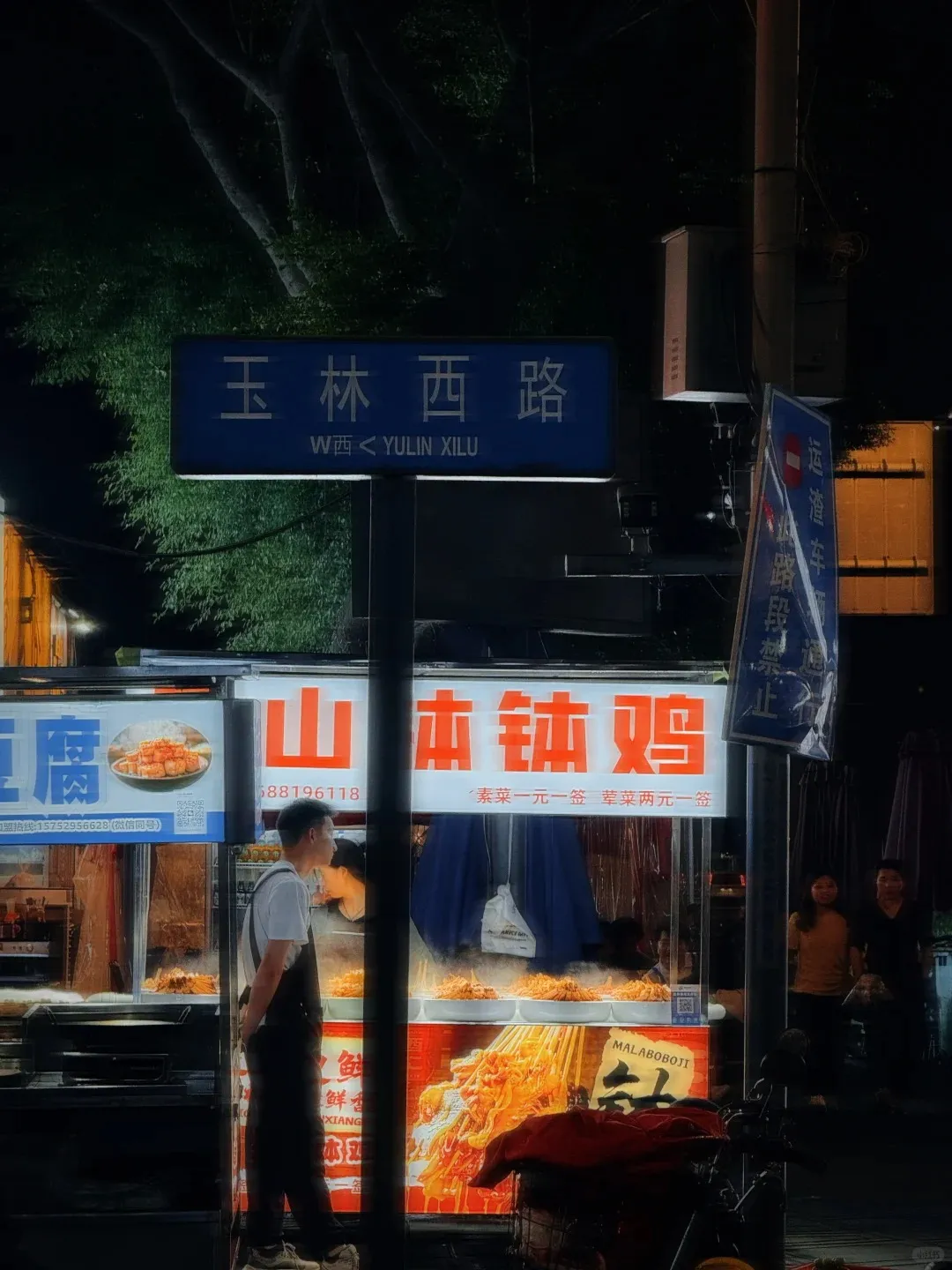
Beyond Chengdu’s galleries, neighborhoods like Yulin Xilu hum with the city’s vibrant energy. Its bustling night markets and street life provide a rich tapestry that inspires and complements the city’s growing modern art scene.
Architecture as Art: Taikoo Li & The Temple House
In most cities, a shopping mall wouldn’t make an art guide. Chengdu is the exception. Taikoo Li, adjacent to the ancient Daci Temple, is a masterclass in urban regeneration. Rather than building a generic box, the developers restored traditional Sichuanese courtyard homes and wove low-rise, glass-walled modern structures between them.
What to look for:
- The Temple House: Walk into the lobby of this hotel even if you aren’t staying there. The entrance is a beautifully restored Qing Dynasty courtyard that transitions seamlessly into a dark, moody modern interior.
- Rotating Installations: The open plazas in Taikoo Li frequently host large-scale installations from international artists and luxury brands. These are usually free and high-quality.
- The IFC Panda: Look up at the IFS building next door to see the massive sculpture of a panda “climbing” the building. It’s kitschy, but it was created by Lawrence Argent and has become the city’s modern icon.
Logistics: Navigating the Art Scene
Getting around Chengdu to see these sites requires a bit of digital preparation. The “Great Firewall” blocks many Western apps, and the city is vast.
Staying Connected
You cannot rely on hotel Wi-Fi for everything, and you certainly can’t access Google Maps or Instagram without help. For 2025/2026 travel, physical SIM cards are becoming a hassle to register. We recommend using an eSIM that automatically bypasses the firewall.
💡 Editor’s Pick: We recommend Nomad eSIM for China because it reliably bypasses the Great Firewall with stable speeds. Use code JORICAQLKF at checkout to get $5 USD off your first data plan.
Subway & Ride-Hailing
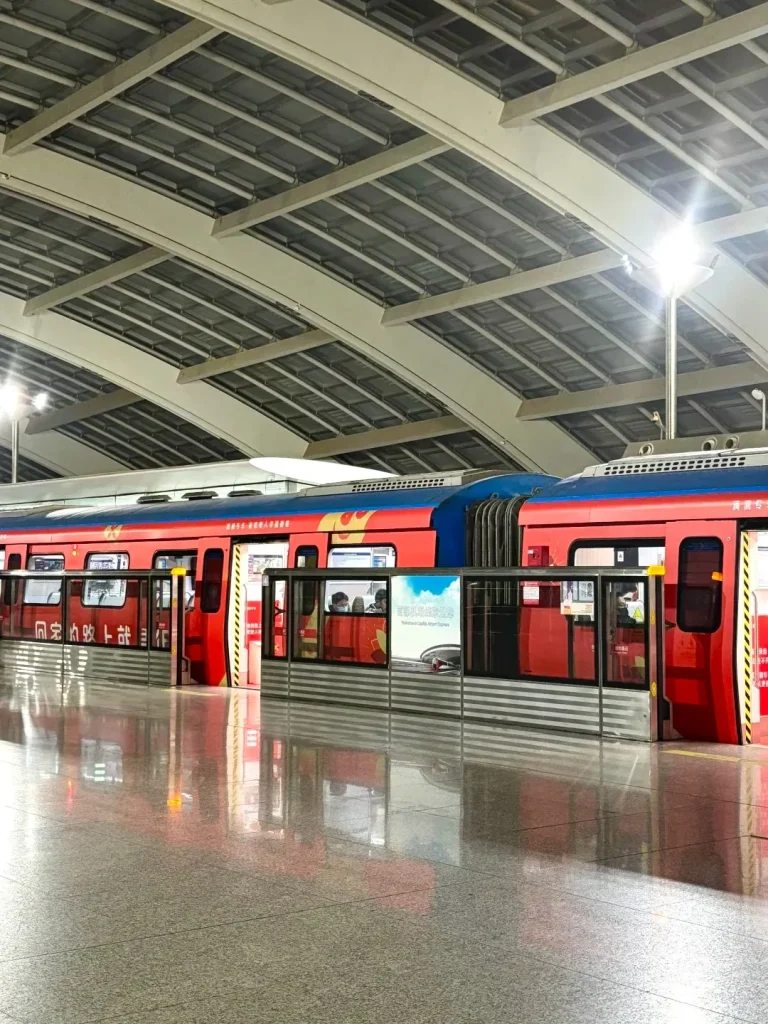
- Metro: Chengdu’s metro system is clean, English-friendly, and extensive. Download the MetroMan app for offline maps.
- Ride-Hailing: Uber does not work here. You must download Alipay. Inside the Alipay app, there is a “Transport” or “Didi” mini-app that allows you to hail cars using English addresses. This is vital for reaching places like the Contemporary Image Museum.
Tickets & Reservations
The “Monday Rule”: Almost all museums and galleries in China are closed on Mondays. Plan your itinerary accordingly.
Passports: You must bring your physical passport to enter public museums like the Chengdu Museum or Sichuan Museum. For smaller galleries in Yulin or Taikoo Li, no ID is usually required.