


The “Big Four” Panda Bases: Which One Should You Choose?
While there are dozens of reserves in China, four main bases cater to tourists. Your choice depends entirely on your tolerance for crowds versus your willingness to travel.
1. Chengdu Research Base of Giant Panda Breeding (The “Disney” Option)
Located just 10km from downtown, this is the most famous base. It is massive, manicured, and incredibly accessible. However, it suffers from over-tourism. If you want to see the internet-famous panda “Hua Hua,” be prepared to queue for over an hour.
- Travel Time: 30–40 minutes by taxi or Metro Line 3 (Panda Avenue Station).
- The Vibe: A crowded theme park. Paved roads, electric buggies, and loud tour groups.
- Insider Tip: Most tourists flood the South Gate. Enter via the West Gate (the “New Area”) at 7:30 AM. It is spacious, modern, and the crowds take at least an hour to filter over from the older section.

It’s not all bustling crowds at the Chengdu Panda Bases. Sometimes, you get to witness truly tranquil moments, like this giant panda enjoying a peaceful nap high up in a tree. Our ultimate guide helps you discover these unforgettable experiences.
2. Dujiangyan Panda Base / Panda Valley (The “Goldilocks” Option)
Situated about 60km from Chengdu, Dujiangyan offers a perfect middle ground. It functions as a research center and a “retirement home” for pandas. The terrain is hilly and forested, feeling much less like a zoo.
- Travel Time: 1.5 hours by high-speed train or car.
- The Vibe: Peaceful and educational. You can actually hear the birds chirping here.
- Why Go: The Red Panda enclosure here is superior. They roam freely in designated areas, often walking right across the boardwalks in front of you (do not touch them!).
3. Wolong Shenshuping Panda Base (The “Purist” Option)
Located in the Gengda Township within the Wolong National Nature Reserve, this is the real deal. The air is crisp, the mountains are misty, and the pandas live in enclosures that mimic their wild habitat. With the 2026 rail improvements, this is no longer a difficult trek.
- Travel Time: 1.5 to 2 hours via the new rail links or highway.
- The Vibe: Wild China. You are surrounded by steep mountains.
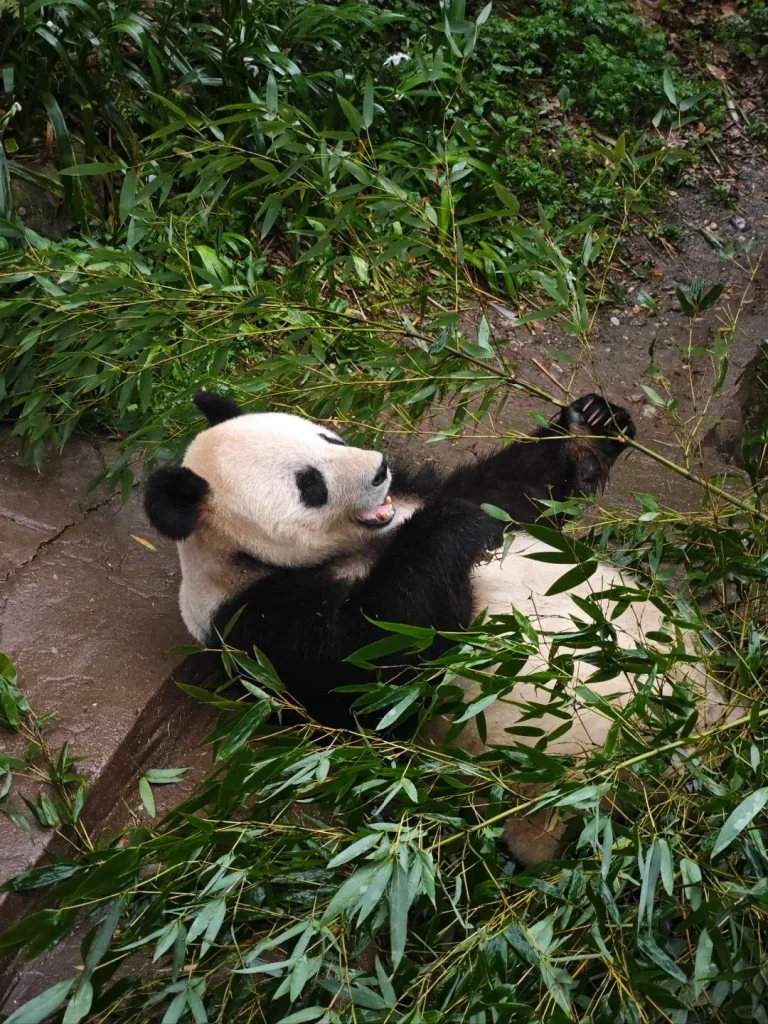
- Crowd Factor: Low. You might find yourself alone at an enclosure watching a panda crunch bamboo—a rarity in China.
4. Bifengxia Panda Base (The “Hiker’s” Option)
Located in Ya’an, to the south, this base is set within a stunning gorge featuring waterfalls and dense vegetation. It is a commitment to get here, but it pairs wildlife viewing with genuine hiking.
- Travel Time: 2+ hours by train/car combination.
- The Vibe: Jurassic Park. It is humid, lush, and atmospheric.
- Note: It involves a lot of stairs and walking. Not recommended for those with mobility issues.
Logistics: Tickets, Apps, and Connectivity
Navigating China requires a digital toolkit. You cannot simply “show up” at these bases anymore.
Buying Tickets
According to official policy, tickets are released 7 days in advance at 6:00 PM (China time). They sell out in minutes during peak seasons (July, August, and Golden Week in October).
- The Method: Use the official “Chengdu Giant Panda Breeding Research Base” WeChat mini-program.
- The Backup: If you don’t have WeChat Pay set up, you must book through a third-party agent like Trip.com or a local tour operator, usually for a small markup.
Staying Connected
You will need reliable data to access your tickets, use Alipay for ride-hailing (DiDi), and navigate maps. Google Maps does not work reliably here; you need Amap or Apple Maps combined with a VPN-bypass solution.
Editor’s Recommendation: Avoid the hassle of physical SIM cards. We use Nomad for China because it bypasses the Great Firewall automatically, meaning Instagram and Gmail work instantly.
💡 Editor’s Pick: We recommend Nomad eSIM for China because it reliably bypasses the Great Firewall with stable speeds. Use code JORICAQLKF at checkout to get $5 USD off your first data plan.
Getting There
For the Chengdu Research Base, take a “green taxi” (electric vehicle) or use the DiDi app (China’s Uber). It costs roughly 40-60 RMB from the city center. Avoid the “black taxis” (unlicensed drivers) lurking near tourist hotspots.
For Dujiangyan or Wolong, the high-speed trains from Chengdu East Station or Xipu Station are efficient. Book train tickets via the official 12306 app or Trip.com at least 3 days in advance.
Insider Tips for a Better Experience
1. The “Summer Slump” is Real
Pandas are heat-intolerant. Once the temperature hits 26°C (79°F), keepers move them indoors into air-conditioned glass enclosures. This usually happens by 10:30 AM in summer. If you visit in July or August, you are essentially visiting an indoor zoo unless you arrive at 7:30 AM sharp.
2. Skip the “Celebrity” Pandas
Chinese social media creates superstars, like “Hua Hua.” The queues to see these specific pandas can last 2 hours for a 30-second view. Skip them. The anonymous panda in the enclosure next door is just as cute and has zero line.
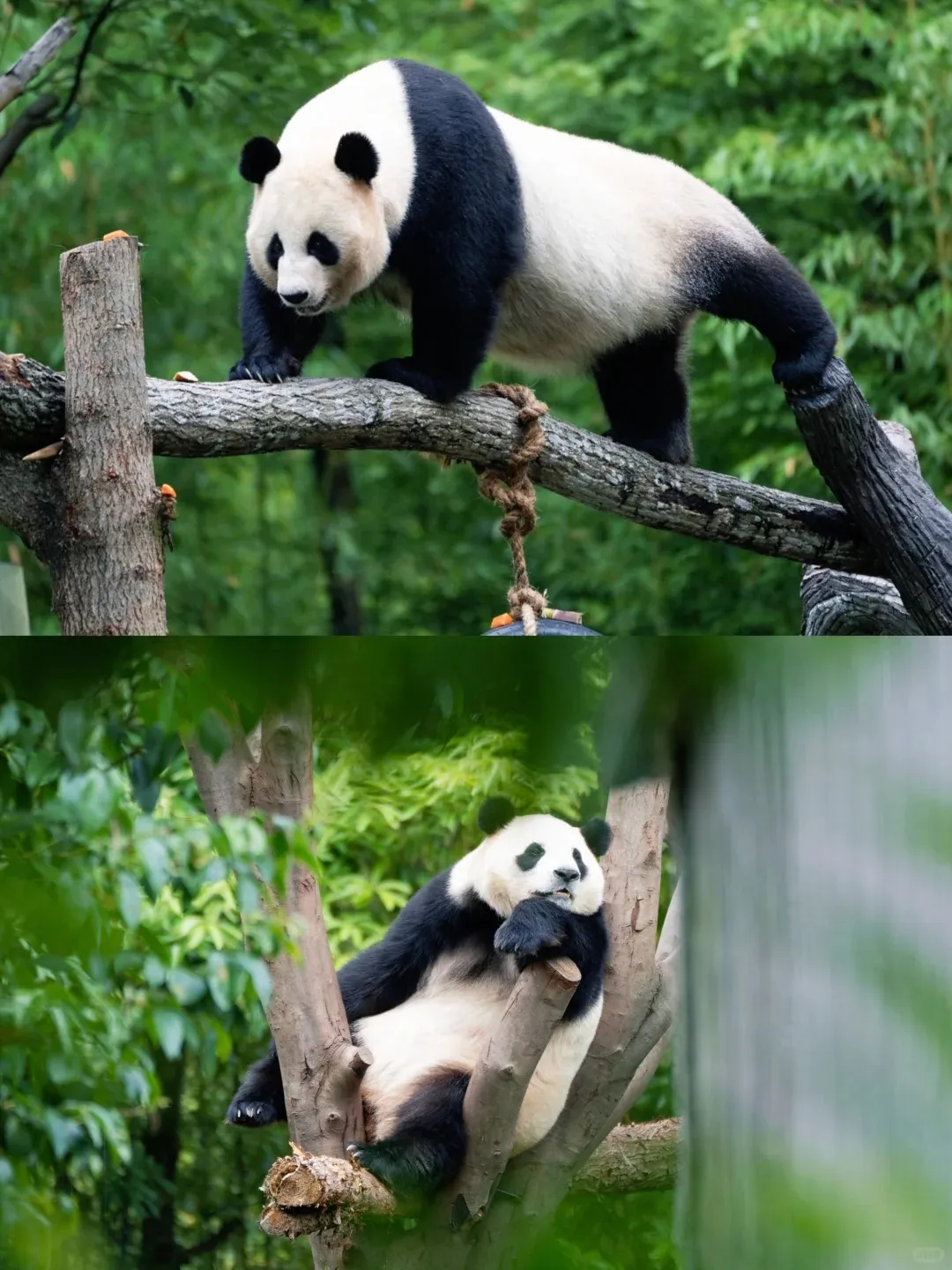
Witnessing pandas showcasing their natural climbing abilities and enjoying peaceful naps in trees is a highlight of visiting Chengdu’s renowned panda bases, offering a glimpse into their daily lives.
3. Volunteer Programs are Limited
Historically, you could pay to clean enclosures and feed pandas. As of 2026, these programs are strictly regulated to minimize human contact. They are occasionally available at Dujiangyan or Wolong but require booking months in advance and cost upwards of $150 USD per day. Check official availability directly with the bases before planning your trip around this.
Common Questions
What is the 144-hour visa-free transit?
Travelers from 54 countries (including the US, UK, and EU) can enter Chengdu for up to 6 days without a visa if they have a confirmed connecting flight to a third country/region. You cannot fly US -> Chengdu -> US. It must be US -> Chengdu -> Hong Kong/Bangkok.
Is a guide necessary?
At the Chengdu Research Base, no. Signs are in English. However, for Wolong or Bifengxia, a guide with a private car is highly recommended because public transport transfers can be tricky and language barriers are higher in rural areas.