


The Verdict: How Much Does a Trip Actually Cost?
Many travel guides give vague estimates. Let’s look at the real numbers for 2026 based on current exchange rates and local pricing. Your “travel style” dictates everything here. While you can survive on a shoestring, most travelers prefer the “Comfort” tier.
1. The Backpacker / Student Budget
Cost: ¥450–¥600 ($60–$85 USD) per day
You are staying in hostels (which are clean and modern in Tier 1 cities), eating street food or fast noodles, and taking the subway everywhere. You limit paid attractions to the big ones like the Forbidden City.
2. The Mid-Range “Comfort” Traveler (Recommended)
Cost: ¥900–¥1,200 ($125–$165 USD) per day
This is the sweet spot. You stay in private rooms in decent 3-4 star hotels, eat at sit-down restaurants, take the occasional Didi (Chinese Uber), and buy high-speed train tickets between cities without stress.
3. The Luxury Traveler
Cost: ¥2,000+ ($275+ USD) per day
You are staying at international brands like the Shangri-La or Waldorf Astoria, dining at Black Pearl (China’s Michelin equivalent) restaurants, and hiring private drivers/guides.
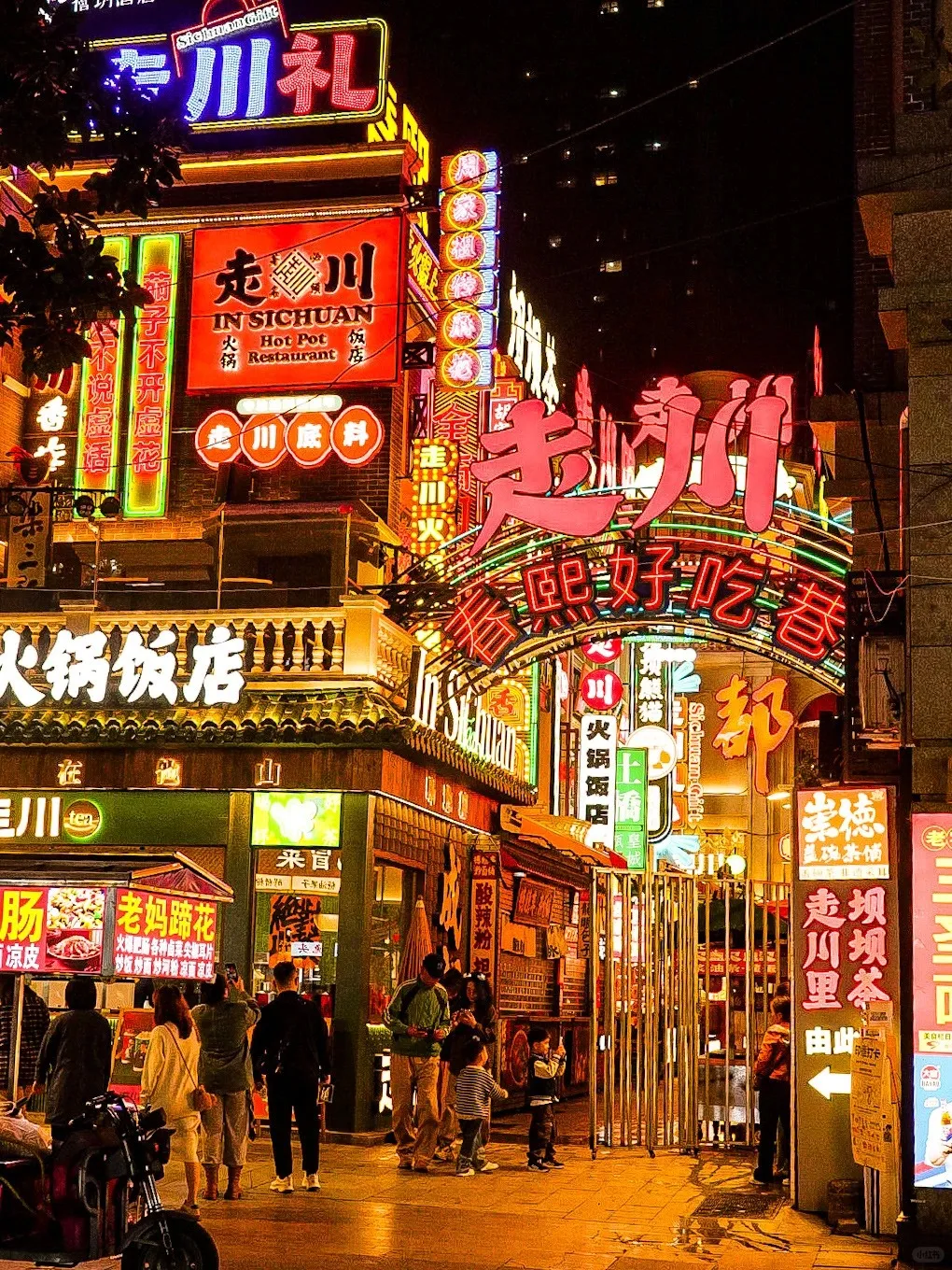
While the dazzling neon lights might suggest high prices, exploring vibrant night markets and local eateries in cities like Chengdu often offers incredible value, proving that authentic culinary travel experiences in China can be surprisingly budget-friendly.
Accommodation: Where Your Money Goes
Hotels will be your biggest expense, but the quality is high. A standard 4-star hotel room in Beijing or Shanghai often costs what a 2-star motel would cost in New York City.
- Hostels: ¥80–¥150 ($11–$20) per night.
- Budget Hotels (Home Inn, HanTing): ¥280–¥400 ($40–$55).
- Mid-Range Boutique: ¥450–¥800 ($60–$110).
- Luxury (5-Star): ¥1,000+ ($140+).
Insider Tip: Location vs. Price
Don’t fall into the trap of paying a premium to stay right next to the Bund in Shanghai or the Forbidden City in Beijing. The subway systems are world-class. Save 30% by staying 3-4 stops away. In Beijing, look for hotels near Line 2 or Line 5; you’ll still be 20 minutes from everything but paying local prices rather than tourist prices.
What to do next
- Traveling with children? Read Family Budget Breakdown.
- Need practical setup before arrival? Read China Travel Apps Guide 2026.
- Choosing intercity transport strategy? Read Beijing to Shanghai: Train vs Flight.
Food Costs: The Best Value in Travel
You can eat incredibly well in China for very little money. If you stick to local food, your dining budget will barely make a dent in your wallet.
Breakfast: A steaming basket of xiaolongbao (soup dumplings) or a jianbing (savory crepe) from a street vendor costs about ¥10–¥20 ($1.50–$3).
Lunch/Dinner: A bowl of hand-pulled beef noodles or a plate of dumplings is roughly ¥25–¥40 ($3.50–$6). Even a sit-down meal at a nice restaurant with multiple dishes to share will only run you about ¥100–¥150 ($14–$20) per person.
The “Fly Restaurant” Experience: Look for Cangying Guanzi (“fly restaurants”). These are small, hole-in-the-wall eateries popular with locals. They might look gritty, but the food is often Michelin-quality for under $5 a meal. Just look for the long lines of locals.
Transportation: High-Speed Rail vs. Flying
Transport is where China shines. The High-Speed Rail (HSR) network is extensive, punctual, and cheaper than flying for most mid-range distances.
Train Prices (Second Class Seat):
- Beijing to Shanghai (4.5 hours): ~¥553 ($76)
- Chengdu to Xi’an (4 hours): ~¥263 ($36)
- Shanghai to Hangzhou (1 hour): ~¥73 ($10)
Metro Rides: In almost every major city, a subway ride costs between ¥3 and ¥7 ($0.40–$1.00). It is shockingly cheap compared to the London Tube or NYC Subway.
How to buy train tickets
You can buy tickets directly at the station, but lines are long and English is limited. Most travelers use Trip.com (small fee, easy English interface) or the official Railway 12306 app (English version available but can be glitchy with foreign credit cards).
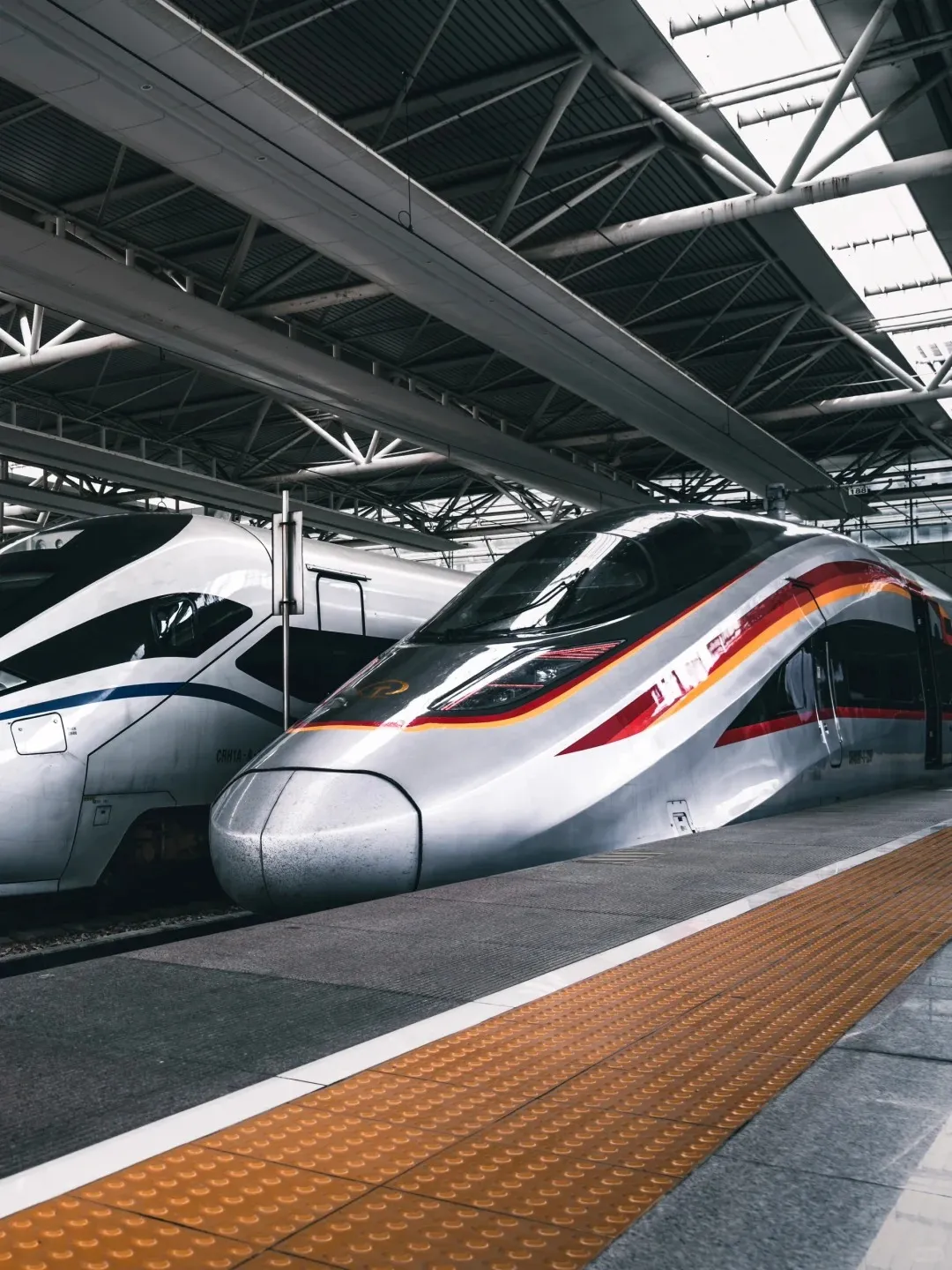
China’s world-leading high-speed rail network, exemplified by modern trains like these, provides an efficient and often cost-effective way to traverse the country. Understanding ticket prices is crucial when assessing if China is a cheap destination for your 2026 travel plans.
Hidden Costs: Connectivity and Visas
While food and transport are cheap, there are two logistical costs you must plan for: the visa and the internet.
What is the 144-Hour Visa-Free Transit?
If you are transiting through China to a third country (e.g., USA -> Shanghai -> Japan), citizens of 54 countries can enter specific regions of China for up to 6 days without a visa. This is free. However, a standard L-Visa (Tourist) costs roughly $140 USD for US citizens and varies for others.
Staying Connected (Crucial)
Your standard roaming plan may not work well, and the “Great Firewall” blocks Google, Instagram, WhatsApp, and Maps. You absolutely need a reliable solution to access your apps and navigate.
Recommendation: Do not rely on hotel Wi-Fi alone. We strongly recommend using an eSIM that automatically routes your data through servers outside of China, bypassing the firewall without needing a separate VPN app.
💡 Editor’s Pick: We recommend Nomad eSIM for China because it reliably bypasses the Great Firewall with stable speeds.
Attraction Tickets: Is it Worth It?
Ticket prices for major attractions have risen slightly but remain reasonable. However, you must book in advance. The days of walking up to the ticket window are over.
- Forbidden City: ¥60 (Peak season). Must book 7 days in advance.
- Terracotta Warriors: ¥120.
- Shanghai Disney: ¥475–¥799 (This is the one expensive outlier).
- The Bund / Parks: Free.