


Logistics: Getting Your Foodie Trip Started
What is the 144-Hour Visa-Free Transit?
The 144-hour Visa-Free Transit policy allows citizens from 54 countries (including the US, UK, EU, and Australia) to enter Chengdu for up to six days without a visa, provided they hold a confirmed ticket to a third country or region (e.g., London -> Chengdu -> Bangkok). You must apply for the temporary entry permit upon arrival at the airport immigration counter.
Staying Connected
To post your hotpot photos to Instagram or use Google Translate, you need to bypass the Great Firewall. Traditional VPN apps are increasingly unstable in 2026. The most reliable method for travelers is using an eSIM with built-in routing.
💡 Editor’s Pick: We recommend Nomad eSIM for China because it reliably bypasses the Great Firewall with stable speeds. Use code JORICAQLKF at checkout to get $5 USD off your first data plan.
Day 1: The Classics & The “Fly” Restaurants
Your first day is about acclimating your palate and ticking off the atmospheric heavy hitters. Do not dive into the spiciest dish immediately; ease your stomach in.
Lunch: Street Snacks at Wenshu Monastery
Skip the overcrowded Jinli Street for lunch and head to the Wenshu Monastery area. This is where locals actually buy their pastries and snacks. The vibe here is slower and more “Old Chengdu.”
- Must-Eat: Tian Shui Mian (Sweet Water Noodles). These are thick, chewy noodles coated in a sauce that is equal parts sugar, soy, and chili oil.
- The Palate Cleanser: Try the vegetarian buffet inside the monastery or grab a Guo Kui (crispy stuffed flatbread) from a street vendor.
- Insider Tip: Look for the longest line at the pastry window near the monastery entrance. They sell a green tea cake that sells out by 2 PM.
Afternoon: Tea Culture at People’s Park
You cannot understand Chengdu food without understanding its downtime. Head to Heming Tea House in People’s Park. Order a cup of Jasmine tea (approx. 30 RMB) which comes with unlimited hot water refills.
Is it worth it? Yes, but strictly for the atmosphere, not the food. Watch the “ear cleaners” working on locals with metal tools—a unique Chengdu sensory experience. Do not buy the overpriced snacks sold by wandering vendors inside the tea house area; bring your own sunflower seeds.
Dinner: Authentic Sichuan Hotpot
For your first dinner, you must do Hotpot. Avoid the chains found in malls. Head to the Yulin neighborhood (made famous by the song “Chengdu”) and look for a place with small stools and steamy windows.
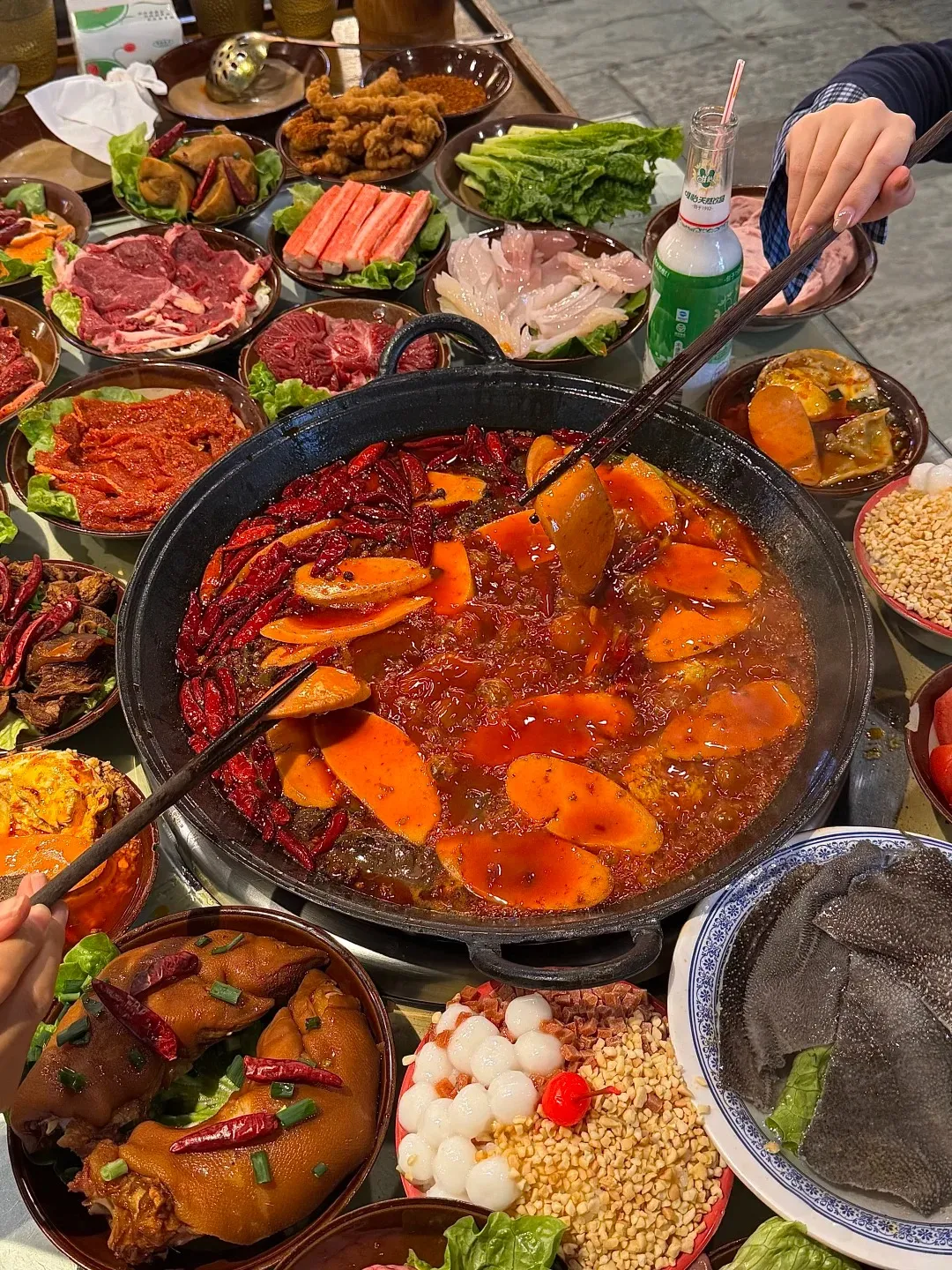
A true Chengdu hotpot experience is more than just a meal; it’s a vibrant social event! Dive into the iconic ‘mala’ (numbing and spicy) flavors with an endless array of fresh ingredients like thinly sliced beef and pig trotters, making it a culinary highlight for any food lover exploring Chengdu.
How to eat it like a local:
- The Broth: If you aren’t a spice veteran, order a Yuan Yang Guo (Mandarin Duck Pot), which is split down the middle with spicy red oil on one side and non-spicy mushroom or bone broth on the other.
- The Dipping Sauce: This is crucial. Do not look for soy sauce. You will be given a small can of pure sesame oil. Pour the entire can into your bowl and add crushed garlic and oyster sauce. The oil coats your stomach lining and cools the temperature of the meat, preventing burns and digestive distress.
- The Order: Goose intestines and beef tripe are the standards here. You dip them for exactly 8-15 seconds (the “seven ups and eight downs” rule) until they curl.
Day 2: Pandas, Peppercorns, and Night Markets
Morning: The Early Panda Catch
To see the Giant Pandas active, you must be at the Chengdu Research Base of Giant Panda Breeding by 7:30 AM. By 10:00 AM, the pandas are asleep, and the crowds are unbearable. Book tickets in advance via the official WeChat account.
Food Warning: The food inside the Panda Base is overpriced and mediocre. Bring snacks or wait until you return to the city center for lunch.
Lunch: Mapo Tofu (The Original)
Head to Chen Mapo Tofu (Mulan Branch). While it is a famous institution, it delivers on flavor. The tofu here is buried under a layer of ground beef and a heavy dusting of hua jiao (Sichuan peppercorn) powder.
Sensory Detail: The defining sensation of this dish is ma (numbing). Your lips will vibrate and feel like they are vibrating. This is not an allergic reaction; it is the desired effect of the peppercorns.
Evening: Jianshe Road or Fuqin Night Market
For a true sensory overload, take a taxi to Jianshe Road. This is the student street food mecca. It is loud, crowded, and smells incredible.
- Grilled Brains: Pig brains grilled in tin foil with chili and scallions. The texture is like soft tofu. If you can get past the mental block, it’s delicious.
- Shao Kao (BBQ): Skewers of everything from lamb to cauliflower, dusted in cumin and chili powder.
- Ice Jelly (Bing Fen): You will need this. It is a clear jelly topped with brown sugar, hawthorn flakes, and raisins. It is the only thing that puts out the fire in your mouth.
Day 3: Cooking Skills & The “Fly Restaurant” Challenge
Morning: Sichuan Cuisine Museum
Located in Pidu District (about an hour from the center), this is the only museum in the world where you can eat the exhibits. It is an interactive experience where you can learn to cook classic dishes like Kung Pao Chicken. It is more expensive than a standard museum, but it includes lunch (the food you cook) and unlimited snack tasting.
Dinner: The “Fly Restaurant” Experience
For your final meal, find a Cang Guan Er (Fly Restaurant). These are run-down, family-run spots known for exceptional flavor and zero service. Look for Ming Ting Fan Dian near the north of the city.
What to order:
- Hui Guo Rou (Twice-Cooked Pork): Pork belly boiled, sliced, and then stir-fried with leeks and fermented black beans. It is oily, salty, and perfect with white rice.
- Yu Xiang Rou Si (Fish-Fragrant Shredded Pork): Despite the name, there is no fish. The flavor comes from pickled chilies, ginger, garlic, and sugar, mimicking the seasoning used for fish.
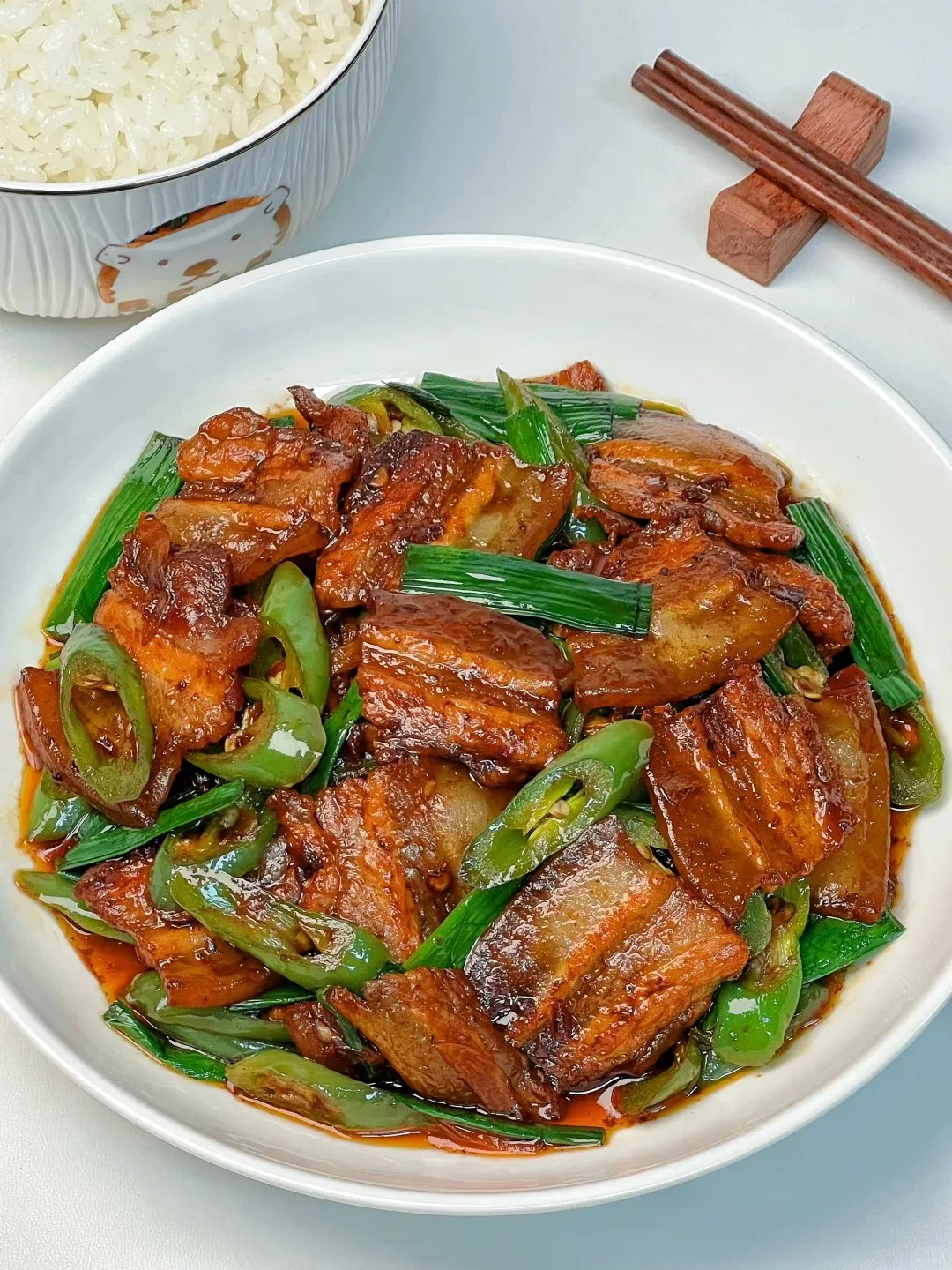
When exploring Chengdu’s culinary delights, make sure to savor a plate of authentic Twice-Cooked Pork (Hui Guo Rou). This iconic Sichuan dish, with its tender pork belly and vibrant spices, is a must-try for any food lover.
How to Order if You Don’t Speak Chinese
In 2026, translation apps are good, but menus in local joints are often handwritten on the wall. Here is your survival vocabulary:
- Wei La (Way La): A little spicy. Use this for everything.
- Bu Yao Xiang Cai (Boo Yow Shyang Tsye): I don’t want cilantro (coriander).
- Bing Fen (Bing Fen): Ice jelly (for when it gets too hot).
- Mai Dan (My Dan): Check, please.