


Navigating Chengdu’s Food Logistics
Before you take your first bite, you need to know how to pay for it and how to get there. Google Maps is notoriously inaccurate in China. Instead, download Amap (Gaode Ditu) for navigation (the interface is Chinese, but you can copy-paste addresses) or use the Didi app within Alipay for ride-hailing.
What is the 144-Hour Visa-Free Transit?
Direct Answer: This policy allows citizens from 53 countries (including the US, UK, Canada, and most of the EU) to enter Chengdu for up to 144 hours (6 days) without a standard visa, provided they hold a confirmed connecting ticket to a third country or region (like Hong Kong) departing from Chengdu.
According to official immigration policies, you must stay within the administrative area of Chengdu (which includes nearby Dujiangyan) during this time. This is plenty of time to complete a full food tour and visit the Panda Base.
Street Food: Tourist Traps vs. Local Legends
Most guidebooks will send you straight to Jinli Ancient Street. While the architecture is beautiful (especially at night when the red lanterns are lit), the food here is often overpriced and watered down for tourists.
Insider Tip: Visit Jinli for the photos, but save your stomach space for Jianshe Road (建设路) or the Yulin Community area. These are the neighborhoods where local university students and workers grab dinner.
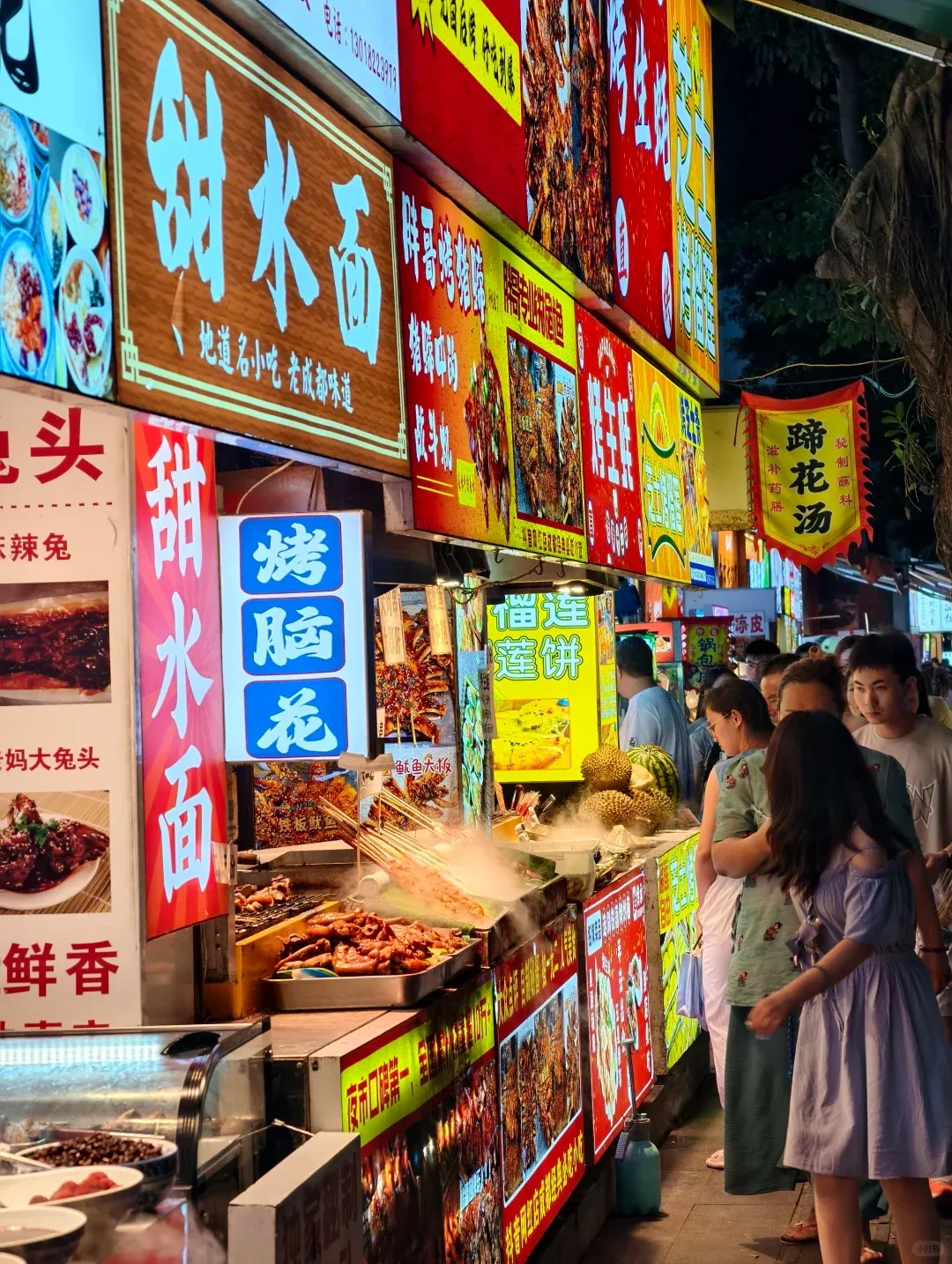
Dive headfirst into Chengdu’s legendary street food scene, where vibrant night markets like this one buzz with the irresistible aromas of spicy skewers, sweet water noodles, and countless other local delicacies. A true highlight of any Chengdu food tour!
Must-Try Street Snacks
- Guokui (Stuffed Flatbread): A crispy, flaky pastry filled with spiced beef or pork and Sichuan pepper. It is baked in a tandoor-like oven until golden.
- Dan Dan Noodles: Unlike the version you get abroad, the authentic Chengdu version is a small portion served with minced pork, preserved vegetables, and chili oil at the bottom. You must mix it vigorously before eating.
- Spicy Rabbit Heads: This is the ultimate “fear factor” food for Westerners, but a beloved delicacy for locals. The meat is tender and incredibly flavorful. Where to try: Look for “Shuangliu Laoma” (Old Mom’s) rabbit head shops.
- Bingfen (Ice Jelly): You will need this. It is a clear, cold jelly topped with brown sugar, raisins, and hawthorn flakes. It is the only effective fire extinguisher for your burning tongue.
The Hot Pot Experience: Do’s and Don’ts
Sichuan Hot Pot is not just a meal; it is a ritual. You sit around a bubbling vat of oil and chilies, cooking raw ingredients yourself. A common mistake travelers make is treating the dipping sauce as a flavor enhancer. In Chengdu, the dipping sauce is a tool for protection.
The Oil Dipping Sauce Strategy: You will be given a small can of sesame oil. Pour the entire can into your bowl and add minced garlic and oyster sauce. The oil coats the spicy food as you pull it from the broth, cooling it down and lining your stomach to prevent indigestion later. Do not skip the oil.
contrarian Tip: If the red oil broth scares you, ask for a “Yuanyang Pot” (Mandarin Duck Pot). This is a split pot with spicy broth on one side and non-spicy mushroom or bone broth on the other. There is no shame in this; locals do it too when dining with children or elders.
Hands-On: Cooking Classes and Museums
Eating is one thing, but understanding the complexity of Sichuan cuisine requires getting your hands dirty. We highly recommend moving beyond the city center for a day trip to the Sichuan Cuisine Museum in Pixian.
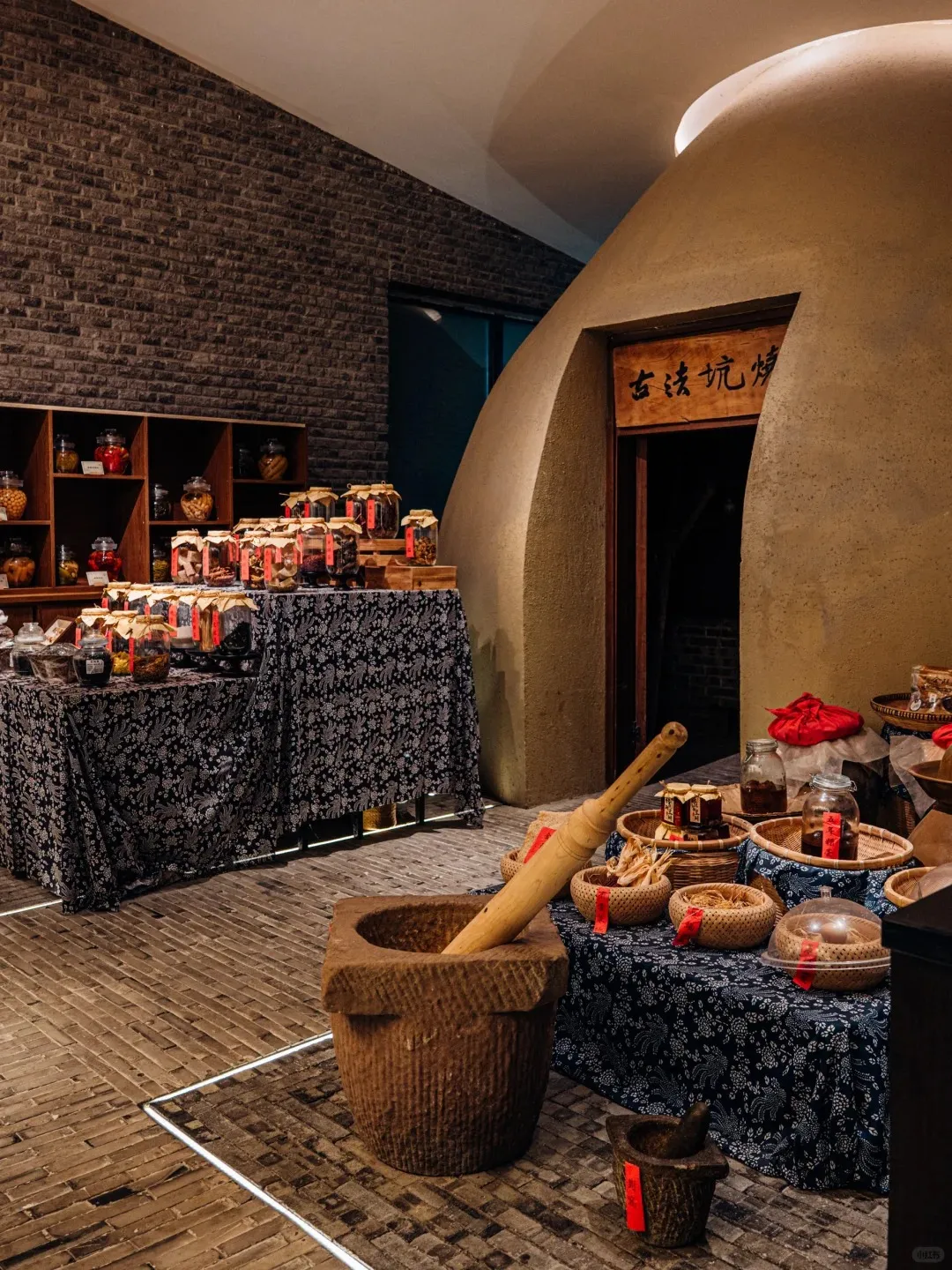
Beyond the restaurants and street eats, discover the authentic ingredients and ancient preparation methods, like ‘古法坑炖’ (Ancient Method Pit Stew or Roasting), that form the backbone of Chengdu’s legendary Sichuan cuisine.
Unlike standard museums where you just look at exhibits, this is an interactive experience. You can taste various chili bean pastes (the soul of Sichuan cooking) and participate in a cooking class led by professional chefs.
- What you’ll cook: Typically Kung Pao Chicken, Mapo Tofu, and Panda-shaped dumplings.
- The Certification: Upon completion, you often receive a “Rookie Master Chef” certificate.
- Getting There: It is about an hour’s drive from central Chengdu. It is best to book a private transfer or a tour package that includes transportation, as public transit to Pixian can be complicated for non-Chinese speakers.
Health & Safety: The “Chengdu Belly”
It is almost inevitable that the combination of heavy oil and spice will upset a Western stomach not used to it. This is locally known as “Chengdu Belly.”
Mistakes to Avoid:
1. Do not drink tap water. Even locals boil it first. Stick to bottled water.
2. Avoid cut fruit from street vendors unless you see them peel it in front of you.
3. Pack Immodium and Pepto-Bismol. These can be difficult to find in local pharmacies if you don’t know the Chinese names.
If you need a break from the grease, head to the Wenshu Monastery area. It is famous for its vegetarian restaurants and tea houses. The food here is lighter, often mushroom and tofu-based, giving your digestive system a much-needed rest while you sip locally grown jasmine tea.