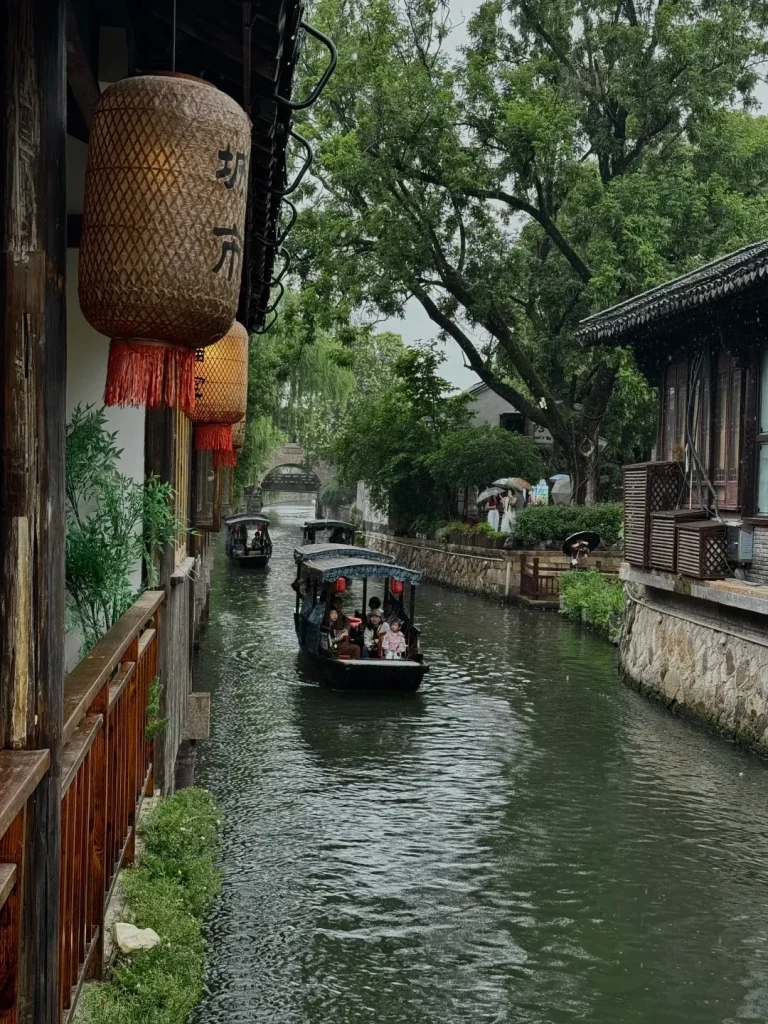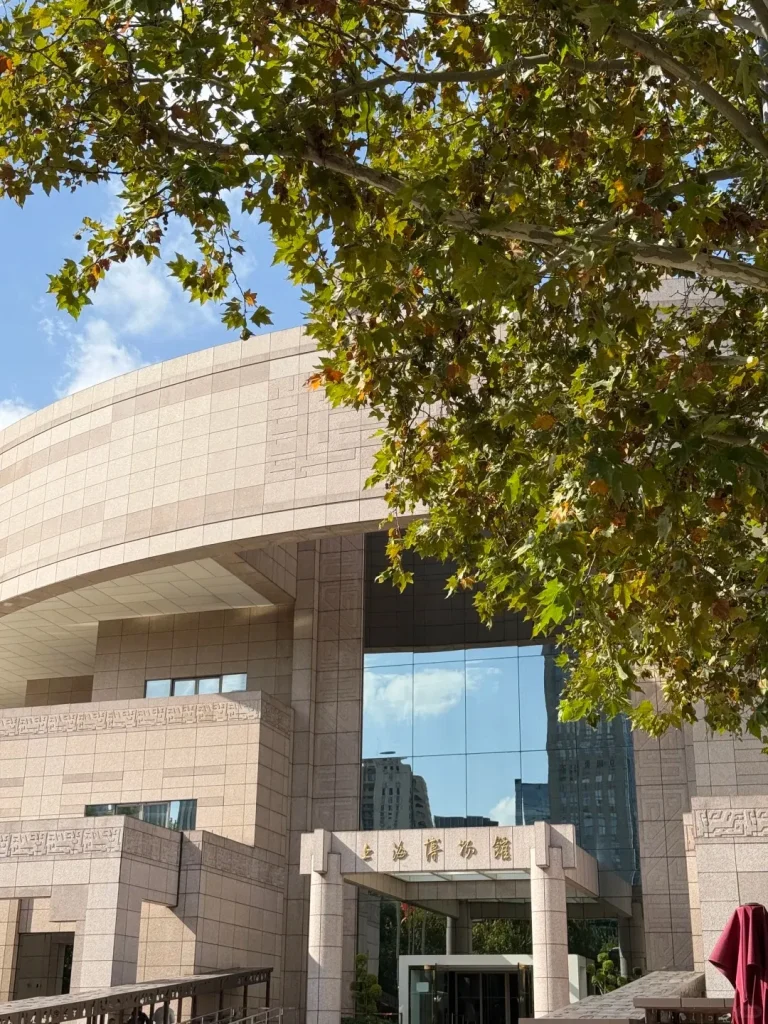



Getting to West Lake: Trains and Metro
Hangzhou is a massive metropolis, and arriving at the wrong station can add an hour to your commute. Most high-speed trains from Shanghai or Beijing arrive at Hangzhou East Station (Hangzhou Dong).
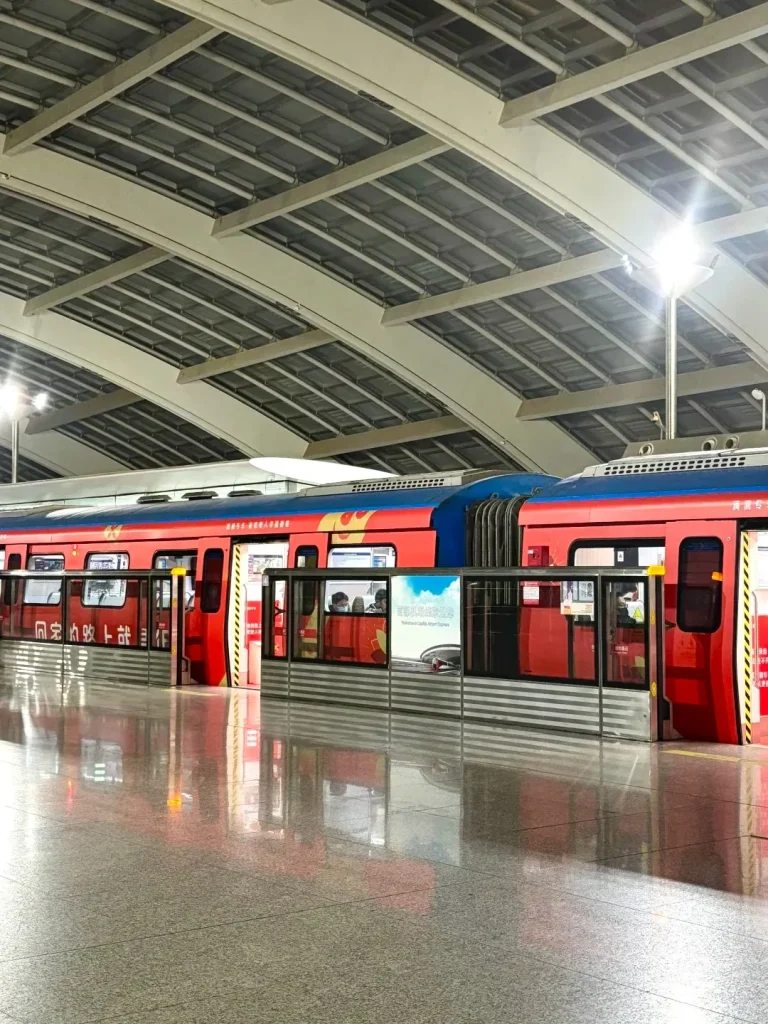
From Hangzhou East, take Metro Line 1 directly to Longxiangqiao Station (Exit C). As you exit the station, the bustle of the city instantly fades as the willow-lined banks of the lake appear. If you are arriving from Shanghai, try to book a train to Hangzhou Station (City Station), which is older but significantly closer to the lake.
Connectivity and Navigation
Navigating the lake requires a working smartphone. You will need to scan QR codes to rent shared bikes or order food. Because of the Great Firewall, your standard roaming data may not allow access to Instagram, Gmail, or WhatsApp.
💡 Editor’s Pick: We recommend Nomad eSIM for China because it reliably bypasses the Great Firewall with stable speeds. Use code JORICAQLKF at checkout to get $5 USD off your first data plan.
Navigating the Lake: Walk, Bike, or Boat?
The lake is divided by two man-made causeways: the Su Causeway and the Bai Causeway. How you choose to get around will define your experience.
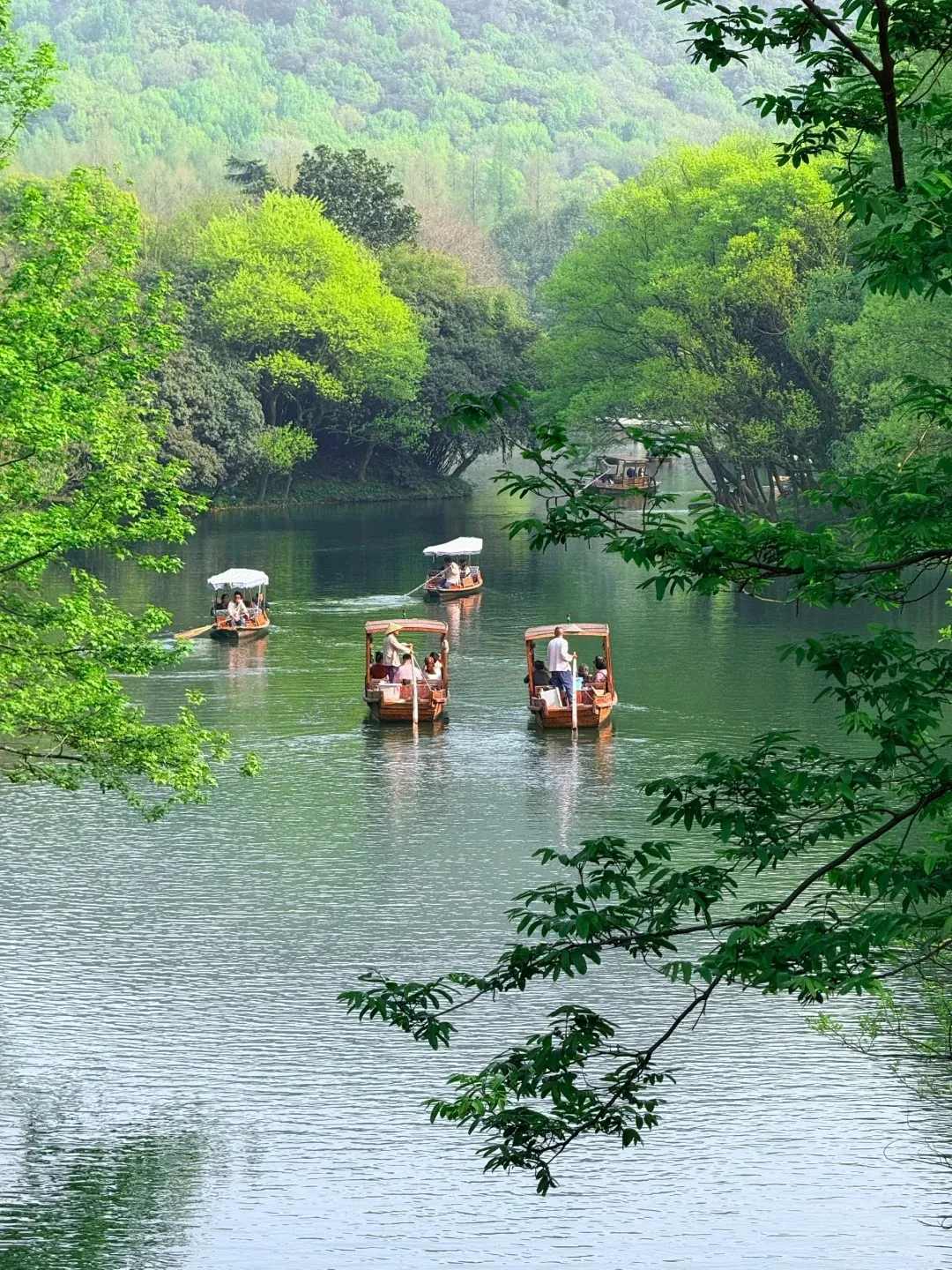
A boat tour on West Lake isn’t just a ride; it’s an immersion into Hangzhou’s iconic landscapes, bringing you closer to the tales and tranquility that define this legendary destination.
1. The Insider Choice: Hand-Rowed Boats
Skip the large, motorized “painted boats” that blast recorded commentary. They are crowded and stick to the main channels. Instead, look for the smaller, hand-rowed wooden boats docked near Zhongshan Park or the Broken Bridge.
Cost: Approximately ¥150 per hour (per boat, not per person).
Why it’s worth it: You can ask the rower to take you into the quiet, lily-pad-filled inlets of the West Inner Lake or towards Maojiabu, areas the big boats cannot reach. This is the only way to escape the noise of the city.
2. Cycling (and When to Avoid It)
Cycling the Su Causeway is iconic, but do not attempt this on weekends or holidays. The pedestrian crowds are so dense you will end up walking your bike. On weekdays, you can use the red public bikes (requires a deposit via Alipay) or the blue HelloBikes. The ride along Nanshan Road offers a canopy of plane trees and easy access to the Leifeng Pagoda.
3. The Electric Cart
Green electric carts circle the lake. They are convenient if you are tired, but they operate on a hop-on-hop-off basis that can get expensive (approx. ¥10–¥40 per section). Flag them down by waving; pay the driver via Alipay.
Top Sights: History vs. Reality
West Lake features “Ten Scenes,” a poetic list dating back to the Southern Song Dynasty. However, not all lived up to the hype in 2026. Here is what is actually worth your time.
Leifeng Pagoda
Famous for the legend of the White Snake Lady, the original pagoda collapsed in 1924. The current structure is a modern reconstruction complete with elevators and escalators. While purists dislike the modernization, the view from the top offers the single best panorama of the Hangzhou skyline meeting the water. Visit at sunset for the “Leifeng Pagoda in Evening Glow” experience.
The Broken Bridge (Duanqiao)
The Legend: This is where the white snake spirit (Bai Suzhen) met her mortal lover, Xu Xian. It is the setting for one of China’s most famous folktales.
The Reality: It is a standard stone bridge. The name “Broken Bridge” refers to a visual trick when snow melts on the sunny side first, making the bridge appear severed. Since it rarely snows heavily in Hangzhou, you likely won’t see this effect. It is the most crowded spot on the lake; take a photo from a distance and move on.
Three Pools Mirroring the Moon
Located on an island in the center of the lake, these three stone pagodas in the water are famous for appearing on the back of the 1 RMB banknote. You must take a boat to reach the island. It is a serene stop, but ensure you catch the last boat back (usually around 5:00 PM).
Insider Tip: What to Eat (and What to Skip)
Hangzhou cuisine is famous, but it contains one of the most polarizing dishes in China.
The “West Lake Vinegar Fish” Warning
You will see West Lake Vinegar Fish (Xi Hu Cu Yu) on every menu. It is a poached grass carp covered in a sweet and sour glossy sauce. Honest verdict: Most international travelers (and many Chinese tourists) find it muddy-tasting and difficult to eat due to many small bones. Unless you are a culinary completist, skip it.
What to order instead:
- Dongpo Pork: Braised pork belly named after the poet Su Dongpo. It melts in your mouth.
- Beggar’s Chicken: Chicken baked in clay and lotus leaves.
- Longjing Shrimp: Freshwater shrimp cooked with local Dragon Well tea leaves.
Tea Culture at Meijiawu
West Lake is the home of Longjing (Dragon Well) Tea, the champagne of green teas. Avoid buying tea from hawkers on the lake edge; it is often overpriced and low quality. For an authentic experience, take a taxi 15 minutes west to Meijiawu Tea Village. You can sit in a farmer’s courtyard, watch the tea being dried, and sip the freshest brew right at the source.
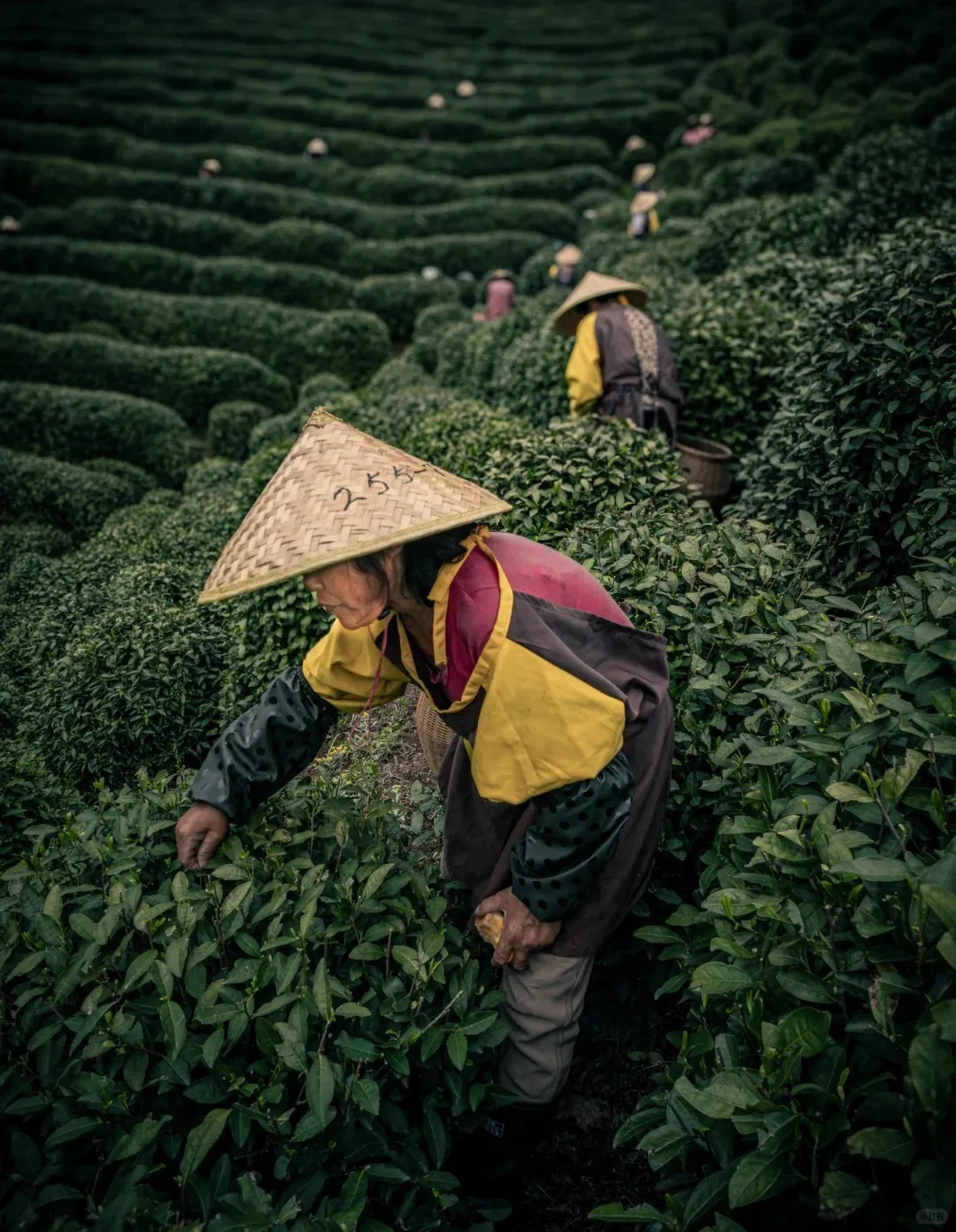
The verdant Longjing tea fields near West Lake are more than just a beautiful landscape; they’re the heart of Hangzhou’s renowned tea culture. Witness the traditional harvest that yields one of China’s most celebrated green teas.
Practical Information for 2026
What is the 144-Hour Visa-Free Transit?
Travelers from 54 countries (including the US, UK, Canada, and Australia) can enter Hangzhou without a visa for up to 6 days if they hold a confirmed ticket to a third country or region (e.g., USA -> Hangzhou -> Hong Kong/Seoul). You cannot book a round trip (USA -> Hangzhou -> USA). You must apply for the temporary entry permit upon arrival at Hangzhou Xiaoshan Airport or Shanghai Pudong Airport.
Entrance Fees
Walking around West Lake is free. However, specific attractions charge admission:
- Leifeng Pagoda: ~¥40
- Three Pools Mirroring the Moon (includes boat): ~¥55
- Lingyin Temple (nearby): ~¥75 (Entry to park + Entry to temple)
Best Time to Visit
March to April and September to November are ideal. The temperature is mild (15°C–25°C).
Avoid: The first week of May (Labor Day) and the first week of October (National Day). The crowds during these “Golden Weeks” are overwhelming, with millions of domestic tourists descending on the causeways.