


What is the 144-Hour Visa-Free Transit?
For travelers wanting a quick taste of Yunnan without a full visa application, the 144-hour policy allows citizens from 54 eligible countries to enter via Kunming Changshui International Airport. You must hold a confirmed connecting ticket to a third country or region (e.g., USA -> Kunming -> Thailand) departing within 144 hours. This provides six full days to explore Kunming and nearby ethnic villages.
Logistics: Getting Connected and Moving Around
Before you dive into the cultural deep end, you need to handle the logistics. In 2026, cash is virtually obsolete in China, and the “Great Firewall” still blocks Western social media and Google apps.
Staying Connected
Do not rely on hotel Wi-Fi to access your Gmail or maps. You need a reliable mobile data solution that routes traffic through servers outside of China. While roaming plans exist, they are often throttled. The most reliable method for travelers in 2026 is a travel-specific eSIM.
💡 Editor’s Pick: We recommend Nomad eSIM for China because it reliably bypasses the Great Firewall with stable speeds. Use code JORICAQLKF at checkout to get $5 USD off your first data plan.
Navigating the Rail Network
Yunnan’s terrain is rugged, but the infrastructure is world-class. The high-speed rail line connecting Kunming to Shangri-La is the lifeline of this route. Tickets are released 15 days in advance. According to official China Railway (12306) policy, passport holders must verify their identity at the station ticket window once; after that, your passport serves as your e-ticket at the gates.
Dali: The Bai People and the Art of Living
Dali, nestled between the Cangshan Mountains and Erhai Lake, is the heartland of the Bai people. The Bai are famous for their intricate architecture—whitewashed walls featuring delicate paintings and the “Three-Course Tea” ceremony.
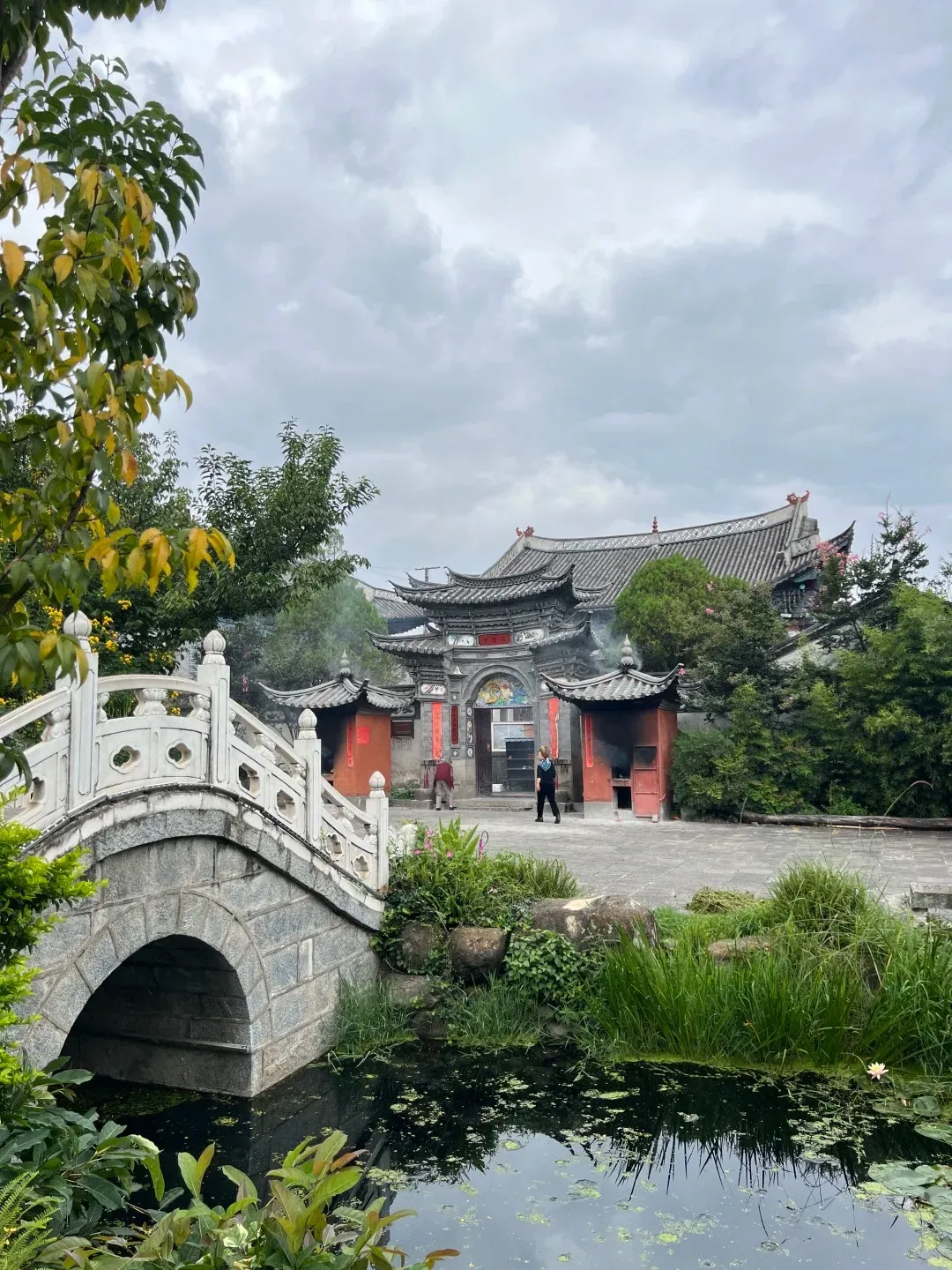
Beyond vibrant festivals, daily life in Yunnan’s ethnic minority villages offers tranquil moments. This serene scene in Xizhou village, a cultural heartland of the Bai people, showcases their distinctive traditional architecture and spiritual customs, a key part of their rich heritage.
Insider Tip: Skip Dali Old Town for Xizhou
Most guidebooks will send you to Dali Ancient City. While historic, it has become incredibly commercialized. For a more authentic experience, take a 30-minute taxi north to Xizhou Town. Here, the Morning Market is a sensory overload of fresh cheese (rubing), wild mushrooms, and local gossip. It feels like a living community, not a movie set.
The Three-Course Tea
If you are invited to a tea ceremony, understand the symbolism. You will be served three cups: the first is bitter (representing life’s hardships), the second is sweet (representing the fruits of labor), and the third is mixed with spices (representing reflection). Drink the first cup quickly; savor the second.
Lijiang: The Naxi and the Dongba Culture
Heading north, you enter the territory of the Naxi people. The Naxi are unique for preserving the Dongba religion and the world’s only living pictographic script. The Yunnan ethnic minorities experience here is often centered around Lijiang Old Town, a UNESCO World Heritage site.
Real Talk: Managing the Crowds
Lijiang is arguably one of the most crowded tourist destinations in China. By 10:00 AM, the narrow cobblestone streets are a sea of tour flags. To see the “real” Lijiang, you must wake up at 6:30 AM. Watching the local Naxi grandmothers wash vegetables in the canal system before the shops open is a magical, quiet moment that vanishes by breakfast.
Beyond the Old Town: Baisha Village
Rent a bicycle and ride 10km north to Baisha Village. This was the original capital of the Naxi Kingdom. It is significantly quieter and is home to the famous Baisha Murals. Look for Dr. Ho’s herbal clinic (now run by his son), a legendary stop for travelers seeking traditional remedies.
Shangri-La: Tibetan Spirituality
As the altitude climbs past 3,000 meters, the rice paddies disappear, replaced by barley fields and grazing yaks. Shangri-La (formerly Zhongdian) offers a slice of Tibetan culture without the permit requirements of the Tibet Autonomous Region.
Songzanlin Monastery
Known as the “Little Potala Palace,” this is the largest Tibetan Buddhist monastery in Yunnan. The air here smells of burning juniper incense and yak butter lamps. When visiting, always walk clockwise around stupas and prayer wheels. This is a strict religious observance, not just a superstition.
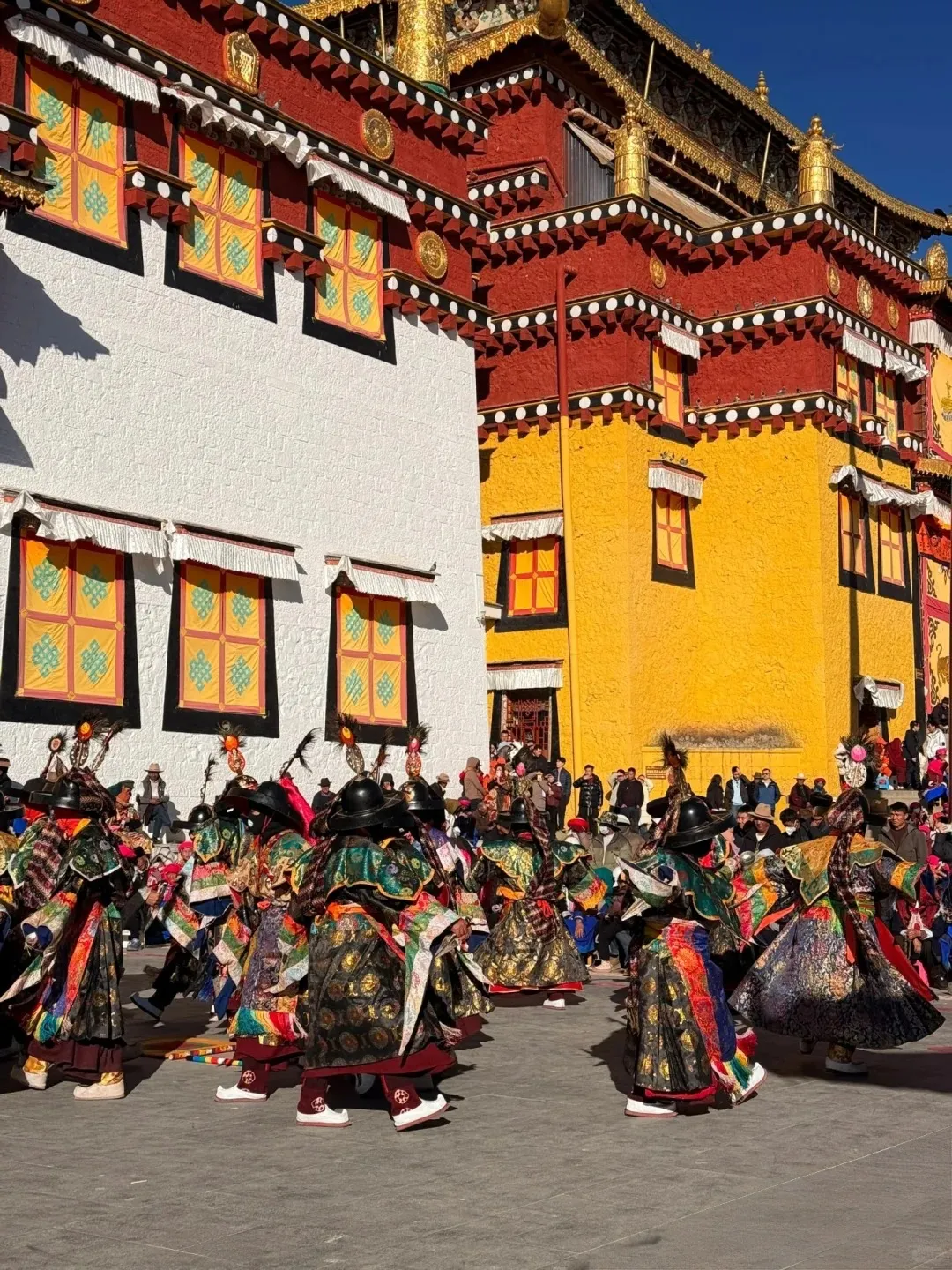
Witness the vibrant spectacle of a traditional Cham dance at Songzanlin Monastery in Shangri-La, offering a profound glimpse into the spiritual practices and rich cultural heritage of Yunnan’s Tibetan minority, a true gem for cultural travelers.
Is it Worth the Altitude Sickness?
Yes, but be smart. The air is thin. You will feel winded climbing the monastery stairs. Oxygen canisters are sold everywhere for about 20-30 RMB, but the best cure is hydration and avoiding alcohol for your first night.
Xishuangbanna: The Dai and the Tropics
In the far south, bordering Laos and Myanmar, Xishuangbanna feels like Southeast Asia. The Dai people are linguistically and culturally related to the Thais. The food is spicy, sour, and heavy on herbs.
The Water Splashing Festival
If you are in Yunnan in mid-April, this is the main event. Celebrating the Dai New Year, the streets turn into a massive water fight. It is joyous and chaotic. Note: In recent years, authorities have cracked down on “rough” play. Use clean water, and avoid splashing the elderly or police officers.
Responsible Travel and Etiquette
Visiting Yunnan ethnic minorities requires a high degree of cultural sensitivity. These communities are not theme parks.
- Photography: In rural areas, some older Yi or Hani women may turn away if you point a camera at them. Always smile, gesture to your camera, and wait for a nod. If they decline, respect it immediately.
- Dress Code: When visiting temples (whether Buddhist or local shrines), cover your shoulders and knees. Remove hats and sunglasses.
- Purchasing Souvenirs: Buy directly from artisans. In villages like Shaxi, you can find embroidery and wood carvings sold by the makers. This puts money directly into the community rather than through factory resellers in the cities.