


Why Nanxun is the “Insider” Choice for 2026
In the world of China travel, “authenticity” is a buzzword often slapped onto renovated tourist traps. However, Nanxun genuinely holds onto its heritage. The town was the center of the raw silk trade during the Qing Dynasty, creating a class of merchants who were incredibly wealthy and surprisingly cosmopolitan.
The “Contrarian” View: Most guidebooks will tell you to rush to the Little Lotus Garden first. I disagree. If you want to see the real Nanxun, head straight to the Baijianlou (Hundred Room Corridor) area first. This northern section of the canal is where the locals actually live. It is less manicured, the pathways are narrower, and the photos you take here will look like they are from a different century, devoid of the flag-waving tour groups that clog the main entrance.
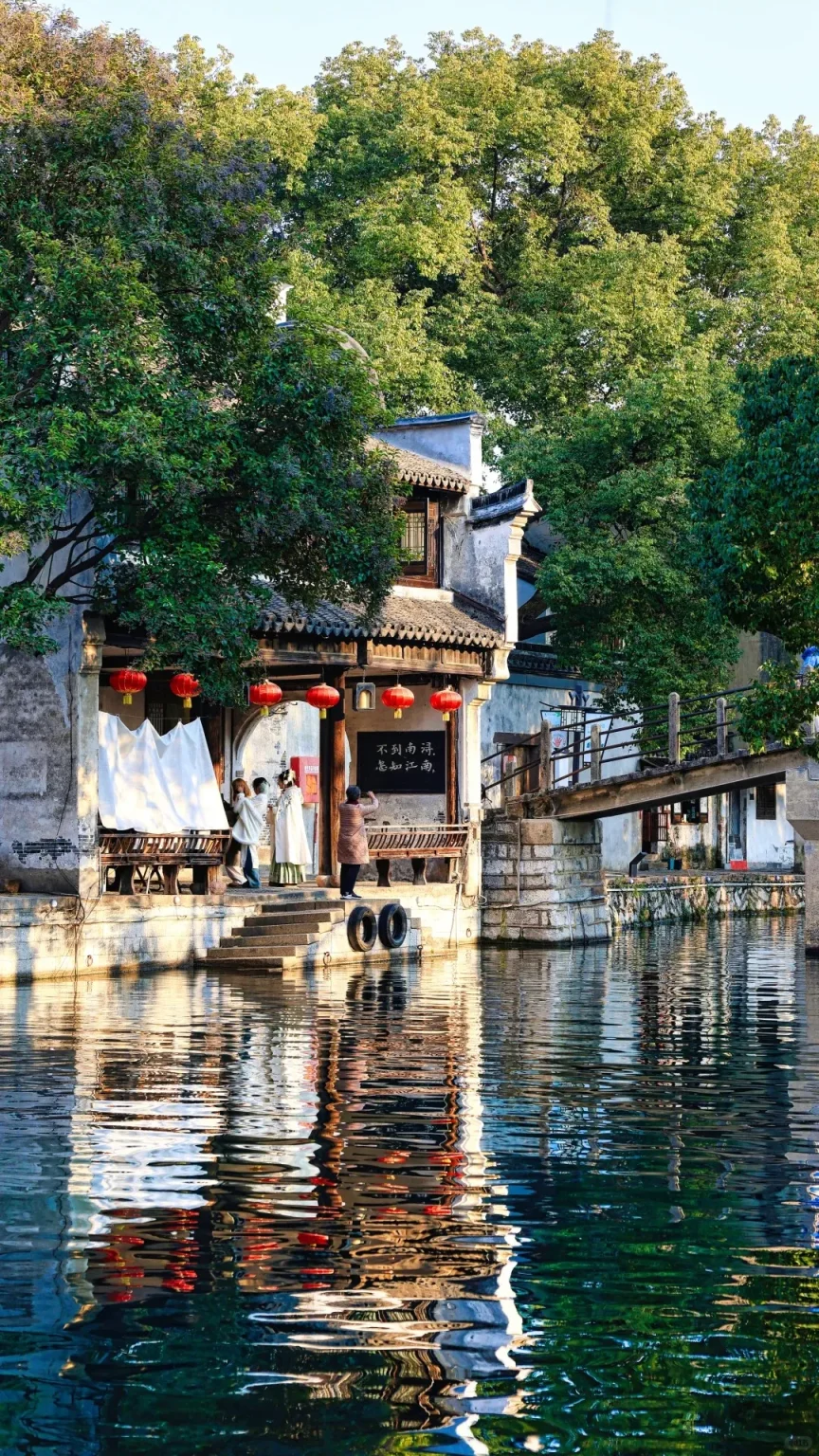
Embrace the timeless beauty of Nanxun Water Town, often called the ‘most authentic’ day trip from Hangzhou. As the local saying goes, ‘If you haven’t been to Nanxun, how can you know Jiangnan?’—a perfect backdrop for traditional photos and tranquil moments.
Logistics: How to Get There and Get Around
Navigating rural China in 2026 is significantly easier than a decade ago, but it still requires specific apps and preparation.
From Hangzhou or Shanghai
While direct buses exist, they can be slow due to traffic. The most efficient method for travelers valuing time is the High-Speed Rail (HSR) combo:
- Step 1: Take a high-speed train to Huzhou Station (approx. 20 mins from Hangzhou East or 1 hour from Shanghai Hongqiao).
- Step 2: From Huzhou Station, take a Didi (Chinese Uber, available within the Alipay app) directly to Nanxun Ancient Town. The ride takes about 40 minutes and costs roughly 100–120 RMB.
Budget Option: Direct buses run from Hangzhou North Bus Station and Shanghai South Long-Distance Bus Station. Tickets cost around 50 RMB, but the journey takes 2–3 hours depending on traffic.
Connectivity and Payments
You cannot survive a day trip here with just credit cards. Street food vendors selling “stinky tofu” or local pastries will only accept QR code payments. Ensure your Alipay is linked to your international credit card before you board your flight.
Furthermore, Google Maps is unreliable in this region. You will need a stable internet connection to use Apple Maps or Amap (Gaode Ditu) for navigation. For seamless connectivity that bypasses the Great Firewall, we recommend using a reliable eSIM.
💡 Editor’s Pick: We recommend Nomad eSIM for China because it reliably bypasses the Great Firewall with stable speeds. Use code JORICAQLKF at checkout to get $5 USD off your first data plan.
Top Sights: A Blend of East and West
Nanxun is distinct because of its architectural schizophrenia. The wealthy silk tycoons here didn’t just build Chinese mansions; they imported stained glass from France and marble from Italy.
1. Little Lotus Garden (Xiao Lian Zhuang)
This was the private estate of Liu Yong, the richest man in Nanxun during the late Qing Dynasty. It is massive.
Insider Tip: Visit in summer (June–August). The lotus pond, which covers a significant portion of the garden, is in full bloom. In winter, it can look a bit barren, so adjust your expectations accordingly.
2. The Red House (Liu’s Family Compound)
From the street, this looks like a traditional Chinese compound. However, once you enter the inner courtyard, you are greeted by red brick buildings featuring French balconies and Romanesque columns. It is a jarring and fascinating visual representation of the cultural exchange that happened here over a century ago.
3. Baijianlou (The Hundred Room Corridor)
As mentioned earlier, this is the soul of Nanxun. Stretching 400 meters along the canal, these houses date back 400 years. There are no ticket gates for this specific street, and you can walk it early in the morning or late at night.
Sensory Detail: Keep an eye out for the elderly residents drinking tea on wooden benches by the water. The smell of burning coal briquettes (still used for some outdoor cooking) hangs in the air here, distinct from the commercial restaurant smells in the town center.
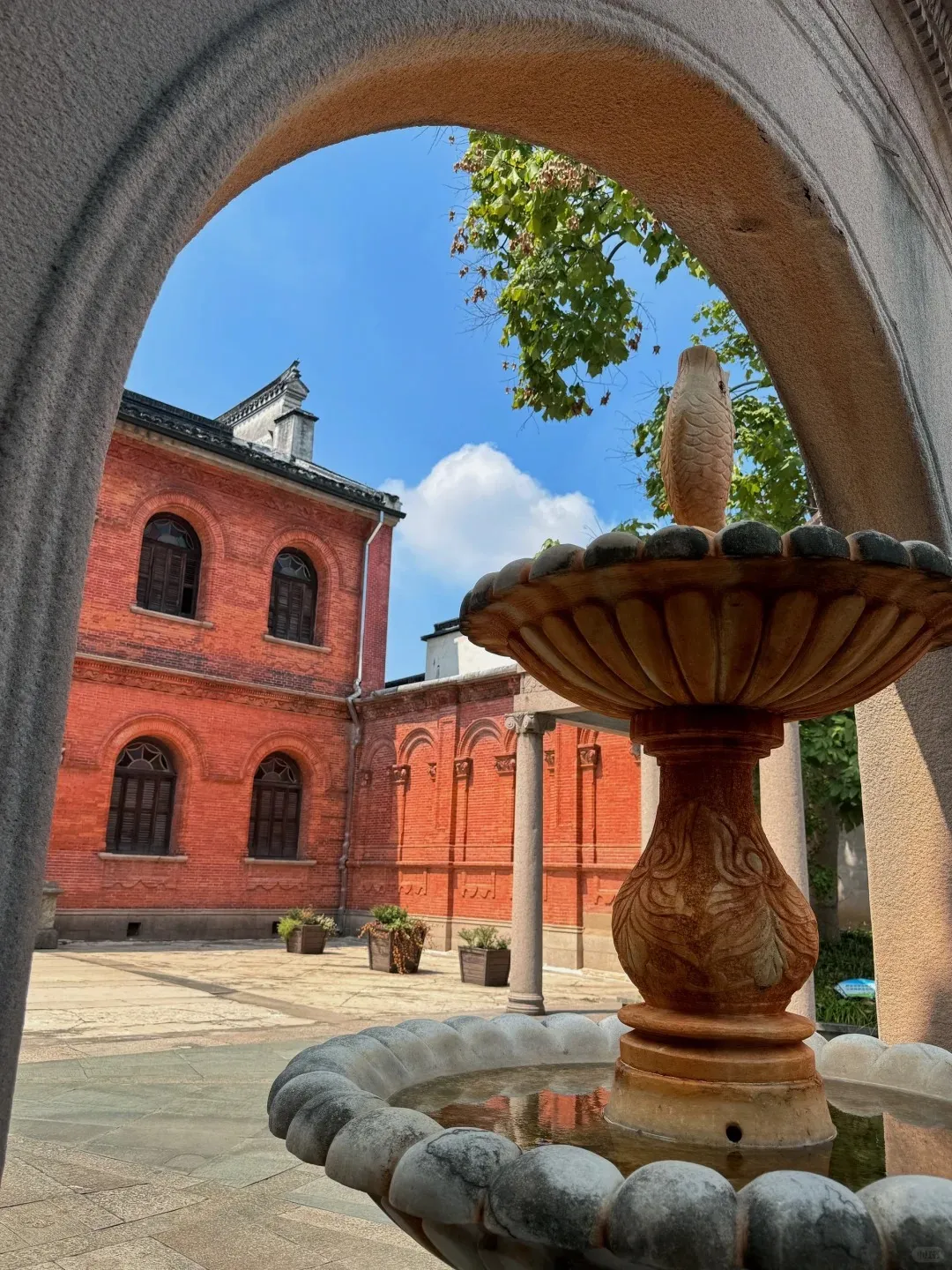
Step into the tranquil courtyard of Nanxun’s ‘Red House,’ a striking example of the Western architectural influences that add to the unique charm of this authentic water town, a perfect day trip from Hangzhou.
Practical Tips for 2026
- Tickets: Entry to the town area is technically free, but entering the historic buildings requires a combo ticket. The standard price is 100 RMB per person. You can book this on site or via WeChat mini-programs.
- Opening Hours: The attractions generally run from 8:00 AM to 5:00 PM. However, the town itself is open 24/7.
- Food to Try: Don’t leave without trying Nanxun Noodles (double-cooked noodles) and Smoked Bean Tea. The tea is savory, containing beans, sesame, and pickled carrots—it’s an acquired taste but deeply traditional.
- Avoid the Crowds: While quieter than Wuzhen, Nanxun fills up on weekends and National Holidays (May 1-5, Oct 1-7). A Tuesday or Wednesday visit offers the most tranquility.
Is Nanxun Worth It?
If you have limited time in China and can only visit one water town, make it Nanxun. It strikes the difficult balance of being accessible enough for a day trip while retaining the grit and charm of history that hasn’t been polished away. It offers a rare glimpse into a wealthy, hybrid past that you won’t find in the standard guidebooks.