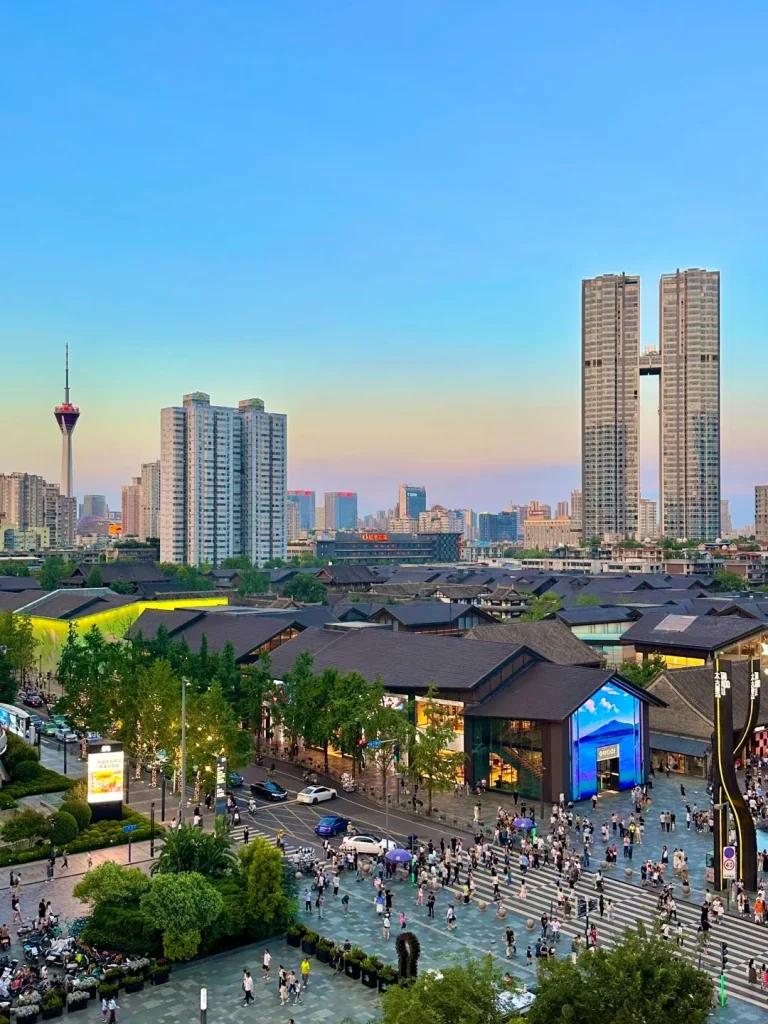



Getting There and Logistics (2026 Update)
Pingyao is located in Shanxi Province, roughly halfway between Beijing and Xi’an, making it the perfect stopover on a standard North China itinerary.
Train Travel: Don’t Mix Up the Stations
There are two train stations, and mixing them up is a common rookie mistake.
- Pingyao Ancient City Station (Pingyao Gucheng): This is the High-Speed Rail (HSR) station. It is about a 15-minute taxi ride from the city walls. Trains from Beijing (4 hours) and Xi’an (3 hours) arrive here.
- Pingyao Station: This is the old station for slow, overnight “K-trains.” It is closer to the North Gate, but unless you are on a strict budget, avoid the slow trains.
Entry Tickets and Navigation
You do not need a ticket to enter the city gates, eat at restaurants, or walk the streets. However, to enter the actual attractions (like the draft banks, the Yamen, or to climb the wall), you must purchase a combo ticket. As of 2026, this pass is valid for three days, but it only allows single entry per attraction.
Pro Tip: Cars are banned inside the walls. If you have heavy luggage, coordinate with your hotel beforehand. They usually send an electric golf cart to pick you up at the gate.
Staying Connected: The Great Firewall
Navigating China requires constant connectivity for maps and payments (Alipay/WeChat). Google Maps and standard social media will not work on local Wi-Fi.
For reliable internet that bypasses the Great Firewall without draining your battery looking for a VPN signal, I recommend using an eSIM. It is the most seamless way to stay online in 2026.
💡 Editor’s Pick: We recommend Nomad eSIM for China because it reliably bypasses the Great Firewall with stable speeds. Use code JORICAQLKF at checkout to get $5 USD off your first data plan.
Where to Sleep: The Courtyard Experience
Do not stay in a modern hotel outside the walls. The highlight of Pingyao is staying in a restored Qing Dynasty courtyard house. Look for hotels offering a “Kang” bed—a traditional brick platform bed that is heated from underneath (crucial during Shanxi’s freezing winters).
Top Picks based on consistency:
- Jing’s Residence: For luxury seekers wanting a boutique, high-end historic experience.
- Yide Hotel: A renovated courtyard that balances authentic atmosphere with modern plumbing.
Top Sights: What to See (And What to Skip)
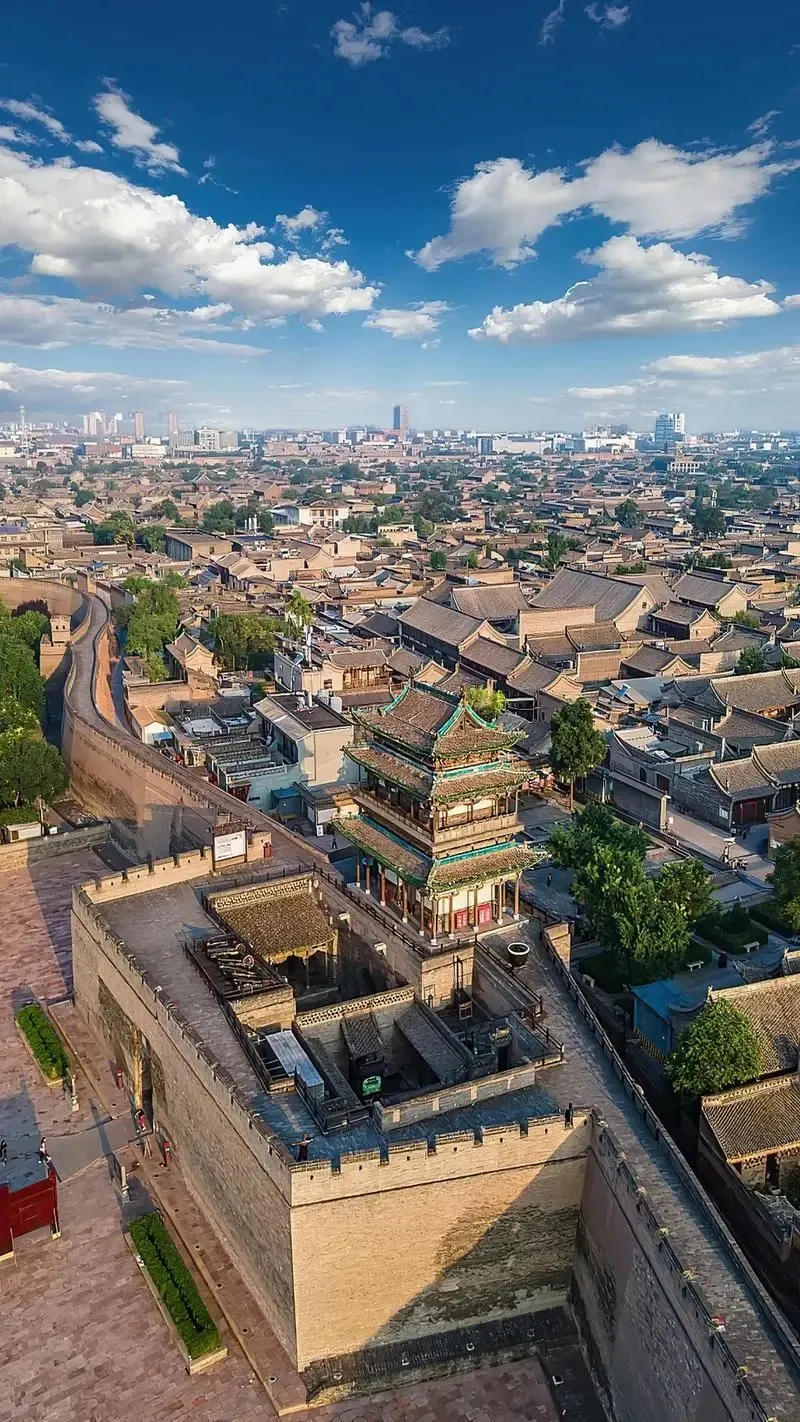
Gaze upon the magnificent UNESCO World Heritage city walls of Pingyao Ancient City from above, revealing an incredibly preserved example of a Han Chinese city from the Ming and Qing dynasties. Explore the historic gate towers and a maze of traditional courtyards that await inside these ancient ramparts.
The combo ticket covers 22 locations, but “museum fatigue” sets in quickly here. Many of the smaller “museums” are just empty rooms with dusty mannequins. Focus your energy on these four essentials:
1. The Ancient City Wall
This is the best-preserved city wall in China, arguably more authentic than Xi’an’s. You can walk a significant portion of the 6km perimeter. The view into the residents’ courtyards from above gives you a voyeuristic glimpse into real local life. Best access: North or South Gates.
2. Rishengchang Former Bank
Pingyao was the “Wall Street of China” in the 19th century. Rishengchang is the first draft bank in China’s history. While it is often crowded, seeing the underground vaults and the counter where millions in silver passed through is non-negotiable.
3. The County Government Office (Yamen)
This is a massive complex that served as the court, prison, and administrative center. It is huge—you could easily spend 90 minutes here. Try to catch the re-enactment performance of a magistrate trial usually held in the late morning.
4. Temple of the City God
A beautiful, slightly eerie complex featuring intricate wood carvings and statues depicting the Taoist view of hell and judgment. It is visually stunning and often quieter than the main drag.
Insider Angle: What to Know Before You Go
The “Main Street” Trap: Ming-Qing Street (South Street) is the tourist spine. It is loud, crowded, and lined with shops selling generic souvenirs you can buy on Taobao. Walk it once for the atmosphere, then duck into the side alleys (East or West streets) for cheaper food and a quieter vibe.
The Dust Factor: Shanxi is coal country. While air quality has improved significantly by 2026, the region is dry and dusty. Pack a good moisturizer and perhaps a mask if you are visiting during the windy spring season.
Siesta Culture: Many smaller shops and attractions take a lunch break from 12:00 PM to 2:00 PM. Plan your lunch then, too.
Beyond the Walls: The Wang Family Compound
If you only have time for one excursion, ignore the Qiao Family Compound (famous for the movie Raise the Red Lantern) and go to the Wang Family Compound instead. It is larger, less commercialized, and architecturally superior.
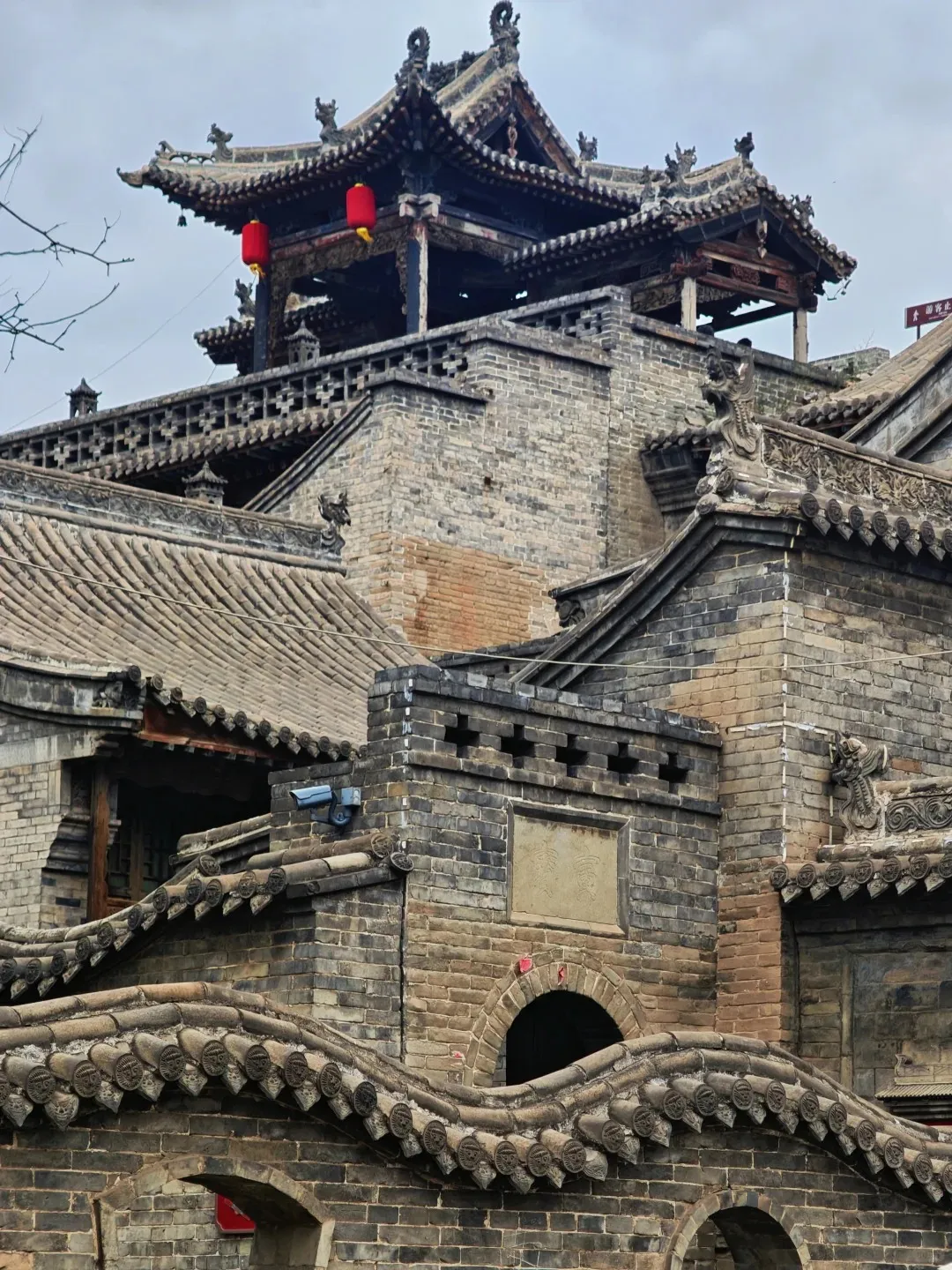
Just a short journey from Pingyao Ancient City, the magnificent Wang Family Compound offers a fascinating glimpse into the opulent lifestyle and intricate architecture of wealthy merchants from centuries past.
Located about an hour from Pingyao, this massive residential complex is essentially a castle. It features over 1,000 rooms and massive defensive walls. It visually demonstrates the immense wealth of the Shanxi merchants better than anything inside Pingyao itself.
Eating in Pingyao: Vinegar and Beef
Shanxi cuisine is hearty, salty, and sour. The locals love vinegar so much they drink it as a beverage (you can try a small cup if you are brave).
- Pingyao Beef (Pingyao Niurou): The city’s most famous export. It is a salted, cold-cut beef that is incredibly tender.
- Wantuo: A cold oat noodle dish, usually sliced into cubes and tossed in—you guessed it—vinegar and chili oil.
- Youmian Kaolaolao: Honeycomb-shaped oat noodles served in a steamer basket with a tomato or meat dipping sauce.
Restaurant Recommendation: Tianyuankui on South Street is touristy, but the quality remains high and the English menus make it approachable for first-timers.