
Chengdu's Modern Art Scene: Galleries, Street Art & Creative Spaces

Most travelers land in Sichuan’s capital solely for the Giant Panda Breeding Research Base or the numbing heat of a hotpot. While those are non-negotiables, they overshadow a pulsing creative undercurrent that makes Chengdu the “cool kid” of Chinese cities. From the gritty, indie-music-fueled streets of Yulin to the futuristic architecture of the High-Tech Zone, the art scene here is a collision of 1980s nostalgia and cyberpunk ambition.

If you are looking to escape the tour bus crowds at the Wide and Narrow Alleys, this guide breaks down the galleries, creative parks, and neighborhoods where Chengdu’s local creatives actually hang out.

Quick Summary: Key Takeaways for Your Trip

  • Best Neighborhood for Vibes: Yulin. It’s not a polished museum district; it’s a living community of dive bars, poetry spaces, and street art.
  • The “Must-Check” Warning: The Chengdu Museum of Contemporary Art (MOCA) in the Software Park has inconsistent hours due to funding issues. Always call or check their WeChat account before trekking out there.
  • Booking Rules: Most museums (even free ones) require a passport appointment made via WeChat Mini-Programs 1-3 days in advance.
  • Connectivity: Google Maps and Instagram will not work without a high-quality VPN or eSIM.
  • Architecture Highlight: Taikoo Li isn’t just for shopping; its integration of ancient temple structures with glass-walled retail is an art exhibit in itself.

Summarize with :

Defining the Chengdu Art Aesthetic

What is the “Chengdu Style”?
Unlike Beijing’s political pop art or Shanghai’s polished commercial galleries, Chengdu’s art scene is characterized by a “relaxed anarchism.” It is heavily influenced by the city’s strong indie music history, poetry subculture, and a slower pace of life known locally as an yi (comfort/leisure).

The Heavy Hitters: Contemporary Museums

While the traditional Sichuan Museum is excellent for history, the modern art enthusiast needs to head south or look for repurposed industrial spaces. Here is where to go.

Chengdu Contemporary Image Museum

Located in the Fuhe Photography Park, this is arguably the most polished visual arts space in the city. Housed in a handsome European-style complex, it is dedicated exclusively to photography. The curation here is world-class, often featuring major retrospectives of Western photographers alongside cutting-edge Chinese contemporaries. It is quiet, spacious, and rarely crowded.

  • Location: Fuhe Photography Park (approx. 500m from Shaheyuan Metro Station).
  • Insider Tip: The surrounding park is a favorite for local wedding photographers. It offers a fascinating look at the “business” of romance in modern China.
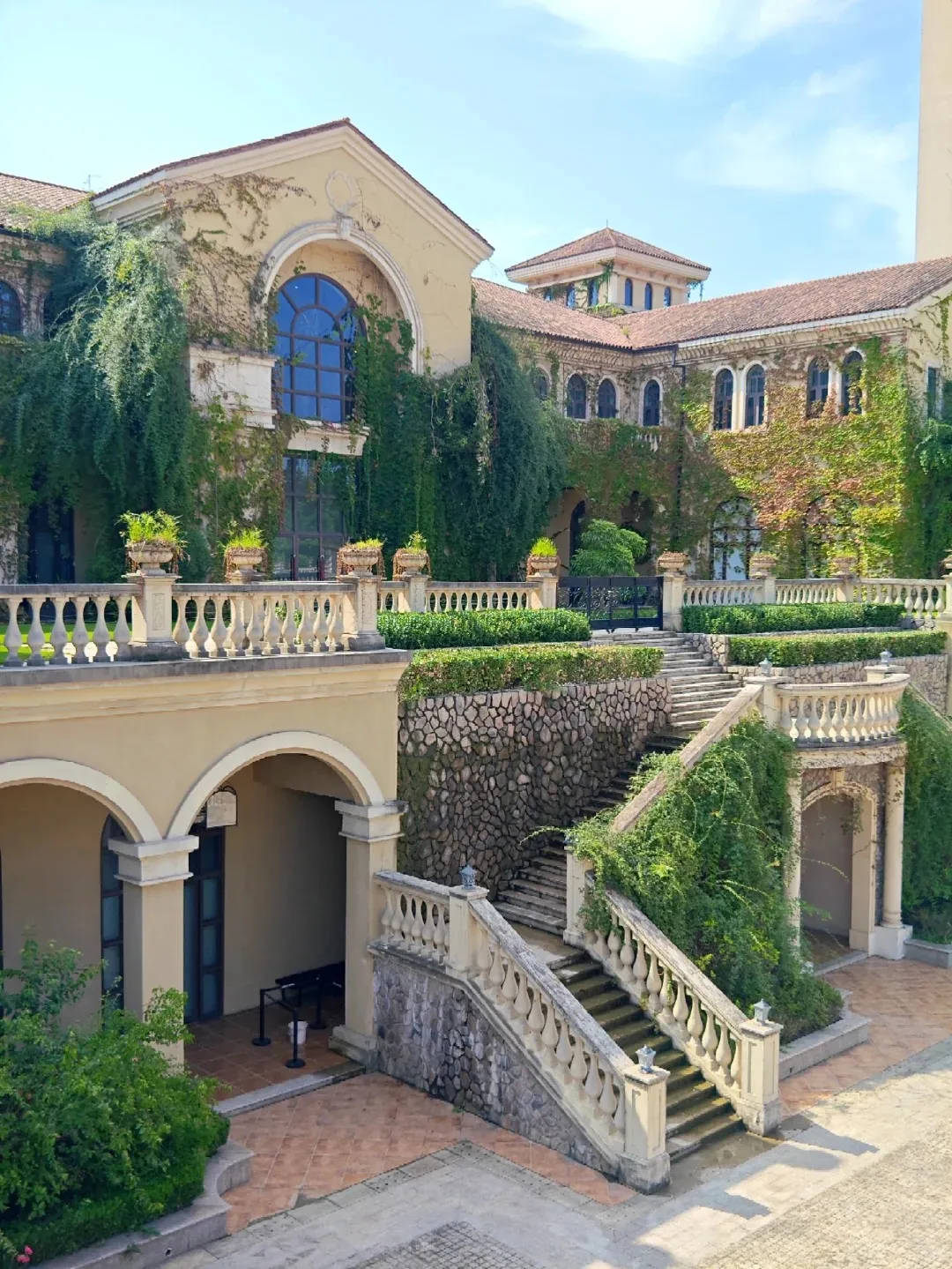
Exterior view of the Chengdu Contemporary Image Museum, a large building featuring light yellow walls, a terracotta tiled roof, and numerous arched windows, including a prominent large arched window. Lush green vines heavily adorn the facade. A grand stone staircase with white balustrades descends to a lower tiled courtyard, bordered by stone walls and manicured hedges.

Beyond its picturesque, European-inspired exterior, the Chengdu Contemporary Image Museum houses cutting-edge exhibitions that contribute significantly to Chengdu’s thriving modern art scene.

Chengdu Museum of Contemporary Art (MOCA)

Located in the Tianfu Software Park, MOCA was built to be the anchor of the city’s high-tech artistic ambitions. The architecture is stark and modern, and when an exhibition is on, it features thought-provoking critiques of history and nature.

Is it worth the trip? Potentially, but proceed with caution. The museum has suffered from funding inconsistencies in recent years. It is located in the deep south of the city (Metro Line 1, 5th Tianfu Street station). Before you commit to the 45-minute subway ride from the center, ask your hotel concierge to call them to ensure a specific exhibition is actually open.

Yulin: The Soul of Chengdu’s Street Culture

If the High-Tech Zone is the brain of Chengdu, Yulin is the heart. This 1980s residential neighborhood didn’t get bulldozed during China’s rapid urbanization; instead, it evolved. This is where poets, painters, and punk rockers moved in the 90s for cheap rent, creating a community that still thrives today.

White Night (Bai Ye)

Founded by celebrated poet Zhai Yongming, White Night is more than a bar; it’s a cultural institution. Located on Fanghua Street, it hosts poetry readings, art salons, and film screenings. It’s a rare space where the literary elite and curious travelers mix over tea and whiskey.

The “Little Bar” Phenomenon

You cannot talk about Yulin without mentioning Little Bar (Xiaojiuguan). Immortalized in the hit pop-folk song “Chengdu” by Zhao Lei, this bar is a pilgrimage site for Chinese youth. Expect lines down the block just to take a photo of the sign.

Insider Tip: Skip the queue at the original location on Yulin West Road. Instead, walk a few blocks to Mintone Record Store. It has a jazzy, hip-hop vinyl vibe and serves excellent drinks without the tourist crush.
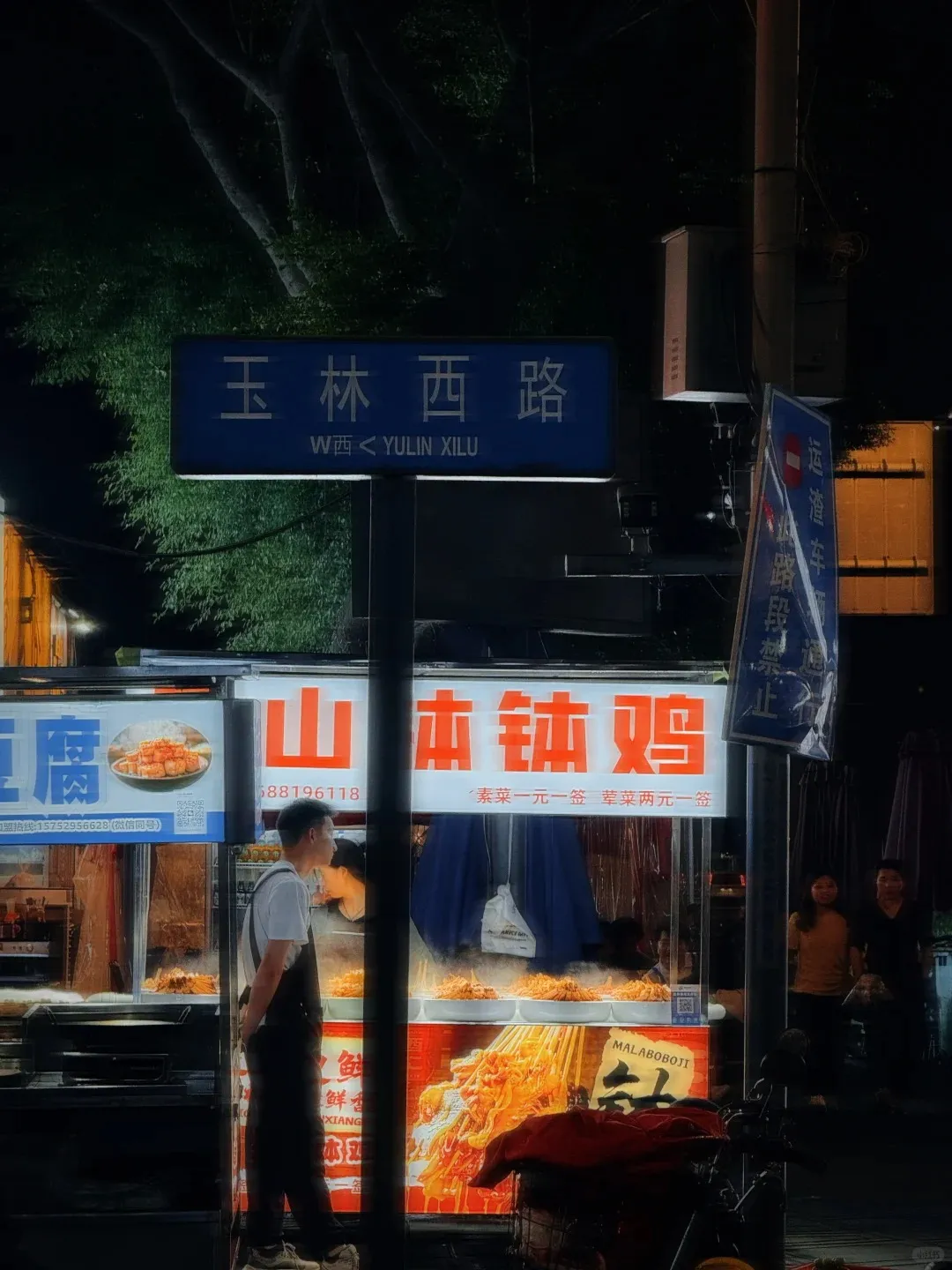
A night street scene in Chengdu, China, showing a blue street sign for 'Yulin Xilu' above two brightly lit food stalls. The stalls display various skewered foods, with a man in a white shirt and dark apron standing in front of them. In the background, dark trees and two pedestrians are visible.

Beyond Chengdu’s galleries, neighborhoods like Yulin Xilu hum with the city’s vibrant energy. Its bustling night markets and street life provide a rich tapestry that inspires and complements the city’s growing modern art scene.

Architecture as Art: Taikoo Li & The Temple House

In most cities, a shopping mall wouldn’t make an art guide. Chengdu is the exception. Taikoo Li, adjacent to the ancient Daci Temple, is a masterclass in urban regeneration. Rather than building a generic box, the developers restored traditional Sichuanese courtyard homes and wove low-rise, glass-walled modern structures between them.

What to look for:

  • The Temple House: Walk into the lobby of this hotel even if you aren’t staying there. The entrance is a beautifully restored Qing Dynasty courtyard that transitions seamlessly into a dark, moody modern interior.
  • Rotating Installations: The open plazas in Taikoo Li frequently host large-scale installations from international artists and luxury brands. These are usually free and high-quality.
  • The IFC Panda: Look up at the IFS building next door to see the massive sculpture of a panda “climbing” the building. It’s kitschy, but it was created by Lawrence Argent and has become the city’s modern icon.

Logistics: Navigating the Art Scene

Getting around Chengdu to see these sites requires a bit of digital preparation. The “Great Firewall” blocks many Western apps, and the city is vast.

Staying Connected

You cannot rely on hotel Wi-Fi for everything, and you certainly can’t access Google Maps or Instagram without help. For 2025/2026 travel, physical SIM cards are becoming a hassle to register. We recommend using an eSIM that automatically bypasses the firewall.

💡 Editor’s Pick: We recommend Nomad eSIM for China because it reliably bypasses the Great Firewall with stable speeds. Use code JORICAQLKF at checkout to get $5 USD off your first data plan.

Subway & Ride-Hailing

  • Metro: Chengdu’s metro system is clean, English-friendly, and extensive. Download the MetroMan app for offline maps.
  • Ride-Hailing: Uber does not work here. You must download Alipay. Inside the Alipay app, there is a “Transport” or “Didi” mini-app that allows you to hail cars using English addresses. This is vital for reaching places like the Contemporary Image Museum.

Tickets & Reservations

The “Monday Rule”: Almost all museums and galleries in China are closed on Mondays. Plan your itinerary accordingly.

Passports: You must bring your physical passport to enter public museums like the Chengdu Museum or Sichuan Museum. For smaller galleries in Yulin or Taikoo Li, no ID is usually required.
Planning Your Chengdu Art Trip: Common Questions

Do I need a VPN to travel in Chengdu?

Yes, the “Great Firewall” blocks Western apps like Google Maps and Instagram. For travel in 2025, it is highly recommended to use an eSIM that automatically bypasses these restrictions to ensure you stay connected without hassle.

Most museums, even free ones, require an appointment made 1-3 days in advance via WeChat Mini-Programs. You must bring your physical passport for entry, as digital copies are rarely accepted at security checkpoints.

Yulin is the heart of Chengdu’s street culture and creative scene. Unlike the polished high-tech zones, Yulin offers a mix of 1980s nostalgia, indie music venues like Little Bar, and authentic local street art.

No, you should follow the “Monday Rule” when planning your itinerary. Almost all museums and galleries in China are closed on Mondays, so schedule your cultural visits for Tuesday through Sunday.

Conclusion

Chengdu’s art scene offers a refreshing counter-narrative to the frenetic pace of Shanghai or Shenzhen. It is a city that values leisure as much as ambition, resulting in spaces that invite you to linger rather than just observe. Whether you are browsing vinyl in Yulin or admiring the architecture in Tianfu, you are seeing the face of modern China. To make the most of your time, mix one “big” museum visit with an evening exploring the alleyways of Yulin—that is where the real creativity lives.

Similar posts to this one

A nighttime view of a multi-tiered traditional Chinese village built into the side of a steep, rocky karst mountain. Numerous wooden buildings with illuminated windows and intricate dark roofs cling to the cliff face, connected by a network of wooden staircases and elevated walkways. Bright orange and yellow square lanterns are strung across a lower section, some appearing to float over lush green foliage. A large, bright yellow full moon is prominent in the dark blue sky above the mountain, with faint stars visible.

Ultimate Guizhou Karst Route: Kaili Villages, Huangguoshu Falls & Zhenyuan

While the crowds flock to Beijing’s Great Wall or Shanghai’s Bund, China’s most dramatic landscapes quietly await in the southwest. [...]

A multi-story building in Yanji, China, illuminated at night with a multitude of glowing neon signs displaying both Chinese and Korean text. A large, dark, circular coin-shaped structure is mounted on the top of the building. Below, a bustling street scene shows pedestrians crossing a crosswalk under the colorful light spill from the signs, with more illuminated shops and street activity visible at ground level.

A Taste of Korea in China: Yanji and the Yanbian Border Region Guide

Tucked away in the eastern reaches of Jilin Province lies a city where street signs glow in two languages and [...]

A wide, frontal view of Labrang Monastery's Great Sutra Hall, a multi-story building with reddish-brown stone walls. Its central section features dark fabric hangings adorned with white auspicious Buddhist symbols and a golden Dharma wheel flanked by two deer above the main entrance. A broad stone staircase, guarded by stone lions, leads to the entrance. The building is set against a bright blue sky.

Labrang Monastery Guide: Exploring the Heart of Amdo Tibet in Gansu

The scent of burning juniper and fermented yak butter hits you the moment you step onto Renmin West Road in [...]

Get the China Arrival Survival Kit

Planning a trip here has a steep learning curve. Join our newsletter and receive our free “Day One Checklist” covering everything from setting up Alipay and WeChat to bypassing the internet firewall.