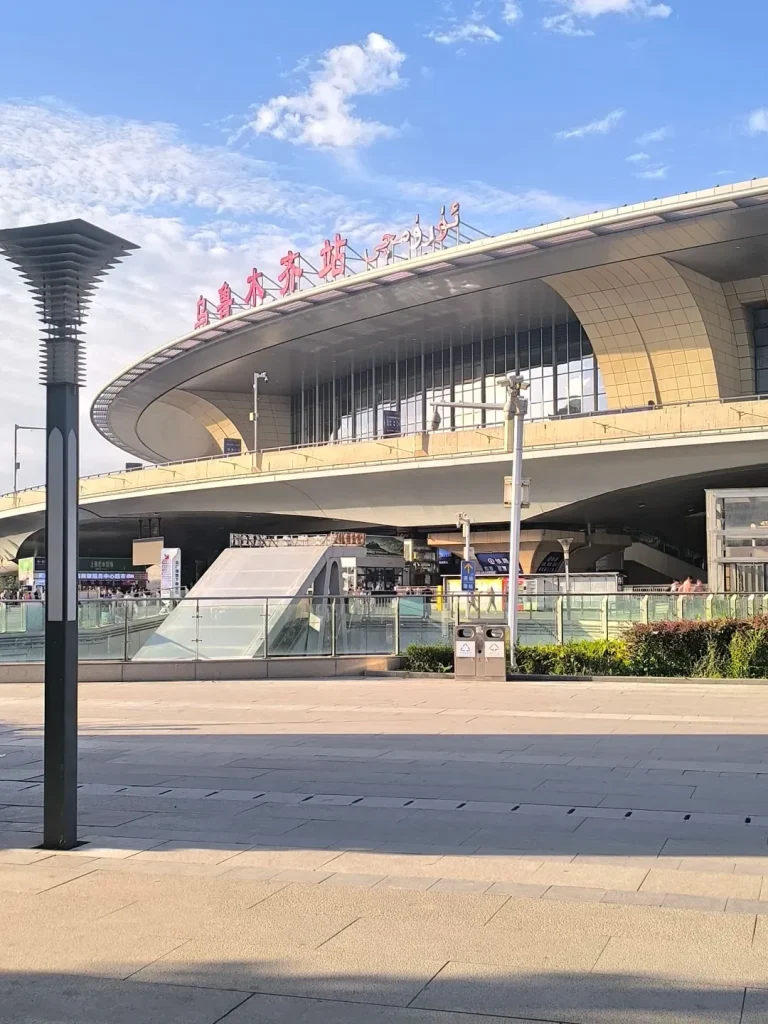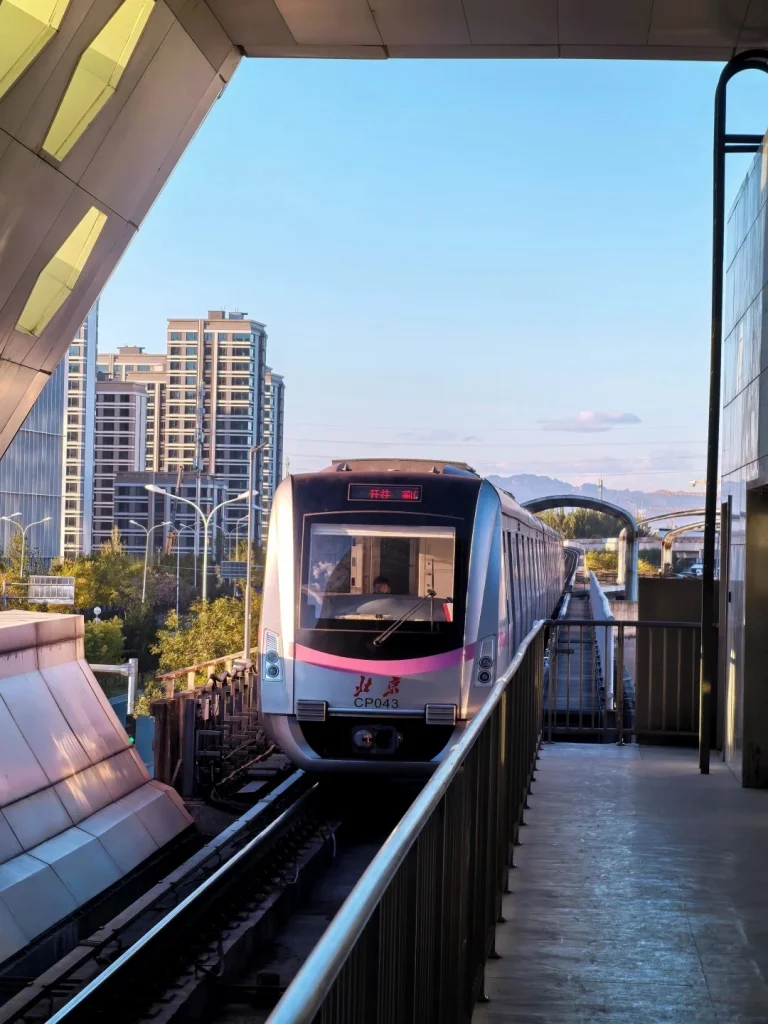



What is the 144-Hour Visa-Free Transit in Chongqing?
The 144-hour visa-free transit policy allows eligible travelers from 54 countries to explore Chongqing without a standard Chinese visa for up to six days. According to the official 2026 China National Immigration Administration guidelines, you must hold a valid passport and a confirmed onward ticket to a third country.
Essential Navigation Apps and Reliable Connectivity
Before you even attempt to navigate the “Mountain City,” you need to solve the connectivity puzzle. Because of China’s Great Firewall, standard international roaming can be agonizingly slow, and western apps are blocked. Installing an eSIM before you land is the most efficient workaround to maintain high-speed access.
💡 Editor’s Pick: We recommend Nomad eSIM for China because it reliably bypasses the Great Firewall with stable speeds.
Once connected, delete Google Maps. You need to download Amap (Gaode) or Baidu Maps. These local applications feature 3D mapping technology specifically designed for Chongqing’s overlapping topography. When you search for walking directions, Amap will explicitly tell you to “take the elevator to the 11th floor to reach the street,” a vital feature Western apps completely lack.
Mastering the Chongqing Rail Transit (CRT) System
The Chongqing Rail Transit (CRT) is the undisputed king of getting around. Unlike Beijing’s flat grid, the CRT functions as a hybrid subway and monorail system that climbs mountains, crosses massive suspension bridges, and famously passes straight through the 8th floor of a residential apartment block.
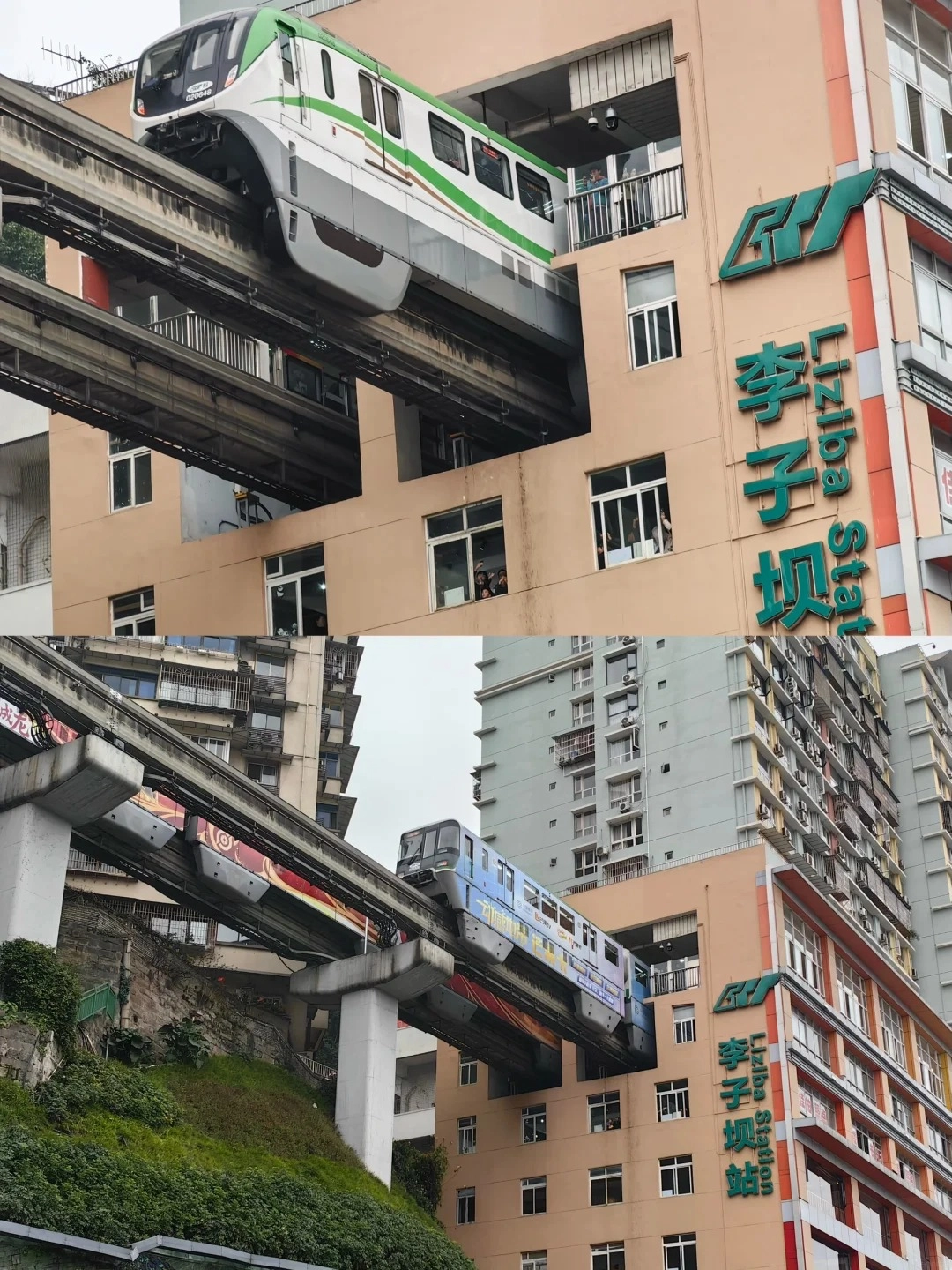
Welcome to Chongqing, a city where navigating its unique landscape feels like solving a 3D puzzle! The famous Liziba station monorail famously runs directly through a residential building, a testament to Chongqing’s innovative urban planning in its challenging topography. This isn’t just a commute; it’s an architectural marvel.
How to Buy Train Tickets in 2026
While you can still buy single-journey tokens at station kiosks (which cost between 2 to 10 RMB depending on distance), the 2026 standard is entirely cashless. According to the official Chongqing City Transportation Commission, tourists can now seamlessly use the Alipay app. Simply link your foreign credit card, search for “Chongqing Public Transport” in the app, and generate a QR code to scan at the turnstiles.
Insider Tip: Navigating the Secret Elevator Network
Here is a hard truth about Chongqing: walking a distance of 500 meters on a map might actually involve climbing 300 steep, humid stone steps. In the sweltering summer months, the thick air smells of spicy hotpot and exhaust, and a simple walk will leave you drenched in sweat. A bottle of cold Nongfu Spring water will cost you 2 RMB at a corner store, but avoiding the sweat is priceless.
To survive, you must learn to use commercial buildings as public thoroughfares. Locals rarely walk up the mountain. Instead, they enter a shopping mall on the ground floor, take the elevator to the 10th floor, and exit out the back doors onto a completely different street level. Paradise Walk and Raffles City are prime examples of these vertical shortcuts.
Is it Worth It? The Yangtze River Cableway vs. Crown Escalator
Every guidebook tells you to ride the Yangtze River Cableway. What they rarely mention is that the wait time often exceeds two hours for a ride that lasts less than five minutes. You will be packed shoulder-to-shoulder in a sweltering metal box, struggling to see the river through a wall of tourists’ smartphones.
Skip the cableway. If you want a truly unique, mildly terrifying, and highly practical vertical transport experience, head to the Crown Escalator (Huangguan Escalator).
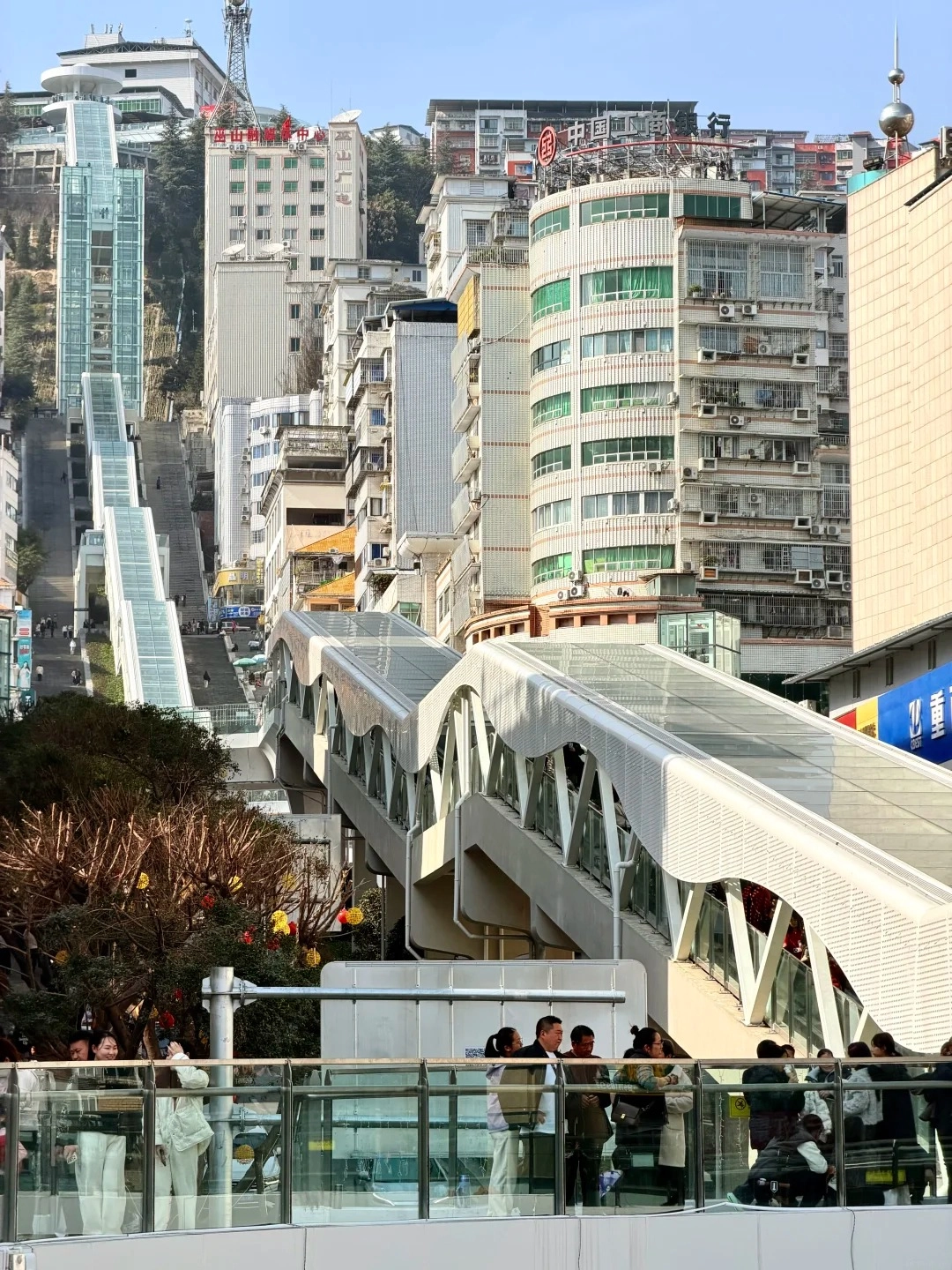
Chongqing truly lives up to its ‘3D city’ reputation! This incredible escalator system is just one example of how residents navigate the dramatic elevation changes in this sprawling metropolis.
As one of the longest continuous escalators in Asia, it takes two and a half minutes to ride from the bottom of the mountain to the top railway station. It costs exactly 2 RMB, paid via Alipay or WeChat, and there is rarely a line. It is a raw, authentic piece of 1990s Chongqing infrastructure that locals still use daily to bypass the grueling hillside stairs.
Navigating Taxis and DiDi in a 3D City
Ride-hailing via the DiDi app (available in English within Alipay or WeChat) is cheap and efficient, but it comes with a massive caveat in Chongqing. Because roads are stacked, your driver’s GPS might show them exactly where you are, but they could actually be on a highway overpass 50 meters directly above your head.
When calling a car, always select a pickup point at a major landmark, hotel lobby, or specific mall entrance rather than dropping a random pin. Look for signs that say “Upper Street” (上半城) or “Lower Street” (下半城) to ensure you and your driver are on the exact same vertical plane.