


What Are Chongqing Public Elevators?
Chongqing public elevators are state-run vertical transportation systems integrated directly into the city’s infrastructure to connect different street levels. Functioning exactly like horizontal bus routes, these paid elevators and escalators bypass the city’s steep mountainous terrain, moving thousands of commuters daily.
The Core Vertical Transit Network
The Crown Escalator (Huangguan): Is it Worth It?
At 112 meters long with a steep 30-degree incline, the Crown Escalator connects the Lianglukou metro hub to the Caiyuanba railway station area. It takes about two and a half minutes to ride from top to bottom while listening to the clanking metal tracks.
Insider Tip: Skip this if you’re just looking for practical transit. Since going viral on social media, it has become an overrated attraction packed with tourists posing for videos. The air inside the tunnel is stagnant, smelling faintly of old machine grease and damp concrete.
If you do go for the photo op, it costs 2 RMB. Operating hours are 8:00 AM to 10:00 PM. Expect long queues on weekends, completely negating any time you would have saved by walking.
Kaixuan Road Elevator: The Local’s Lifeline
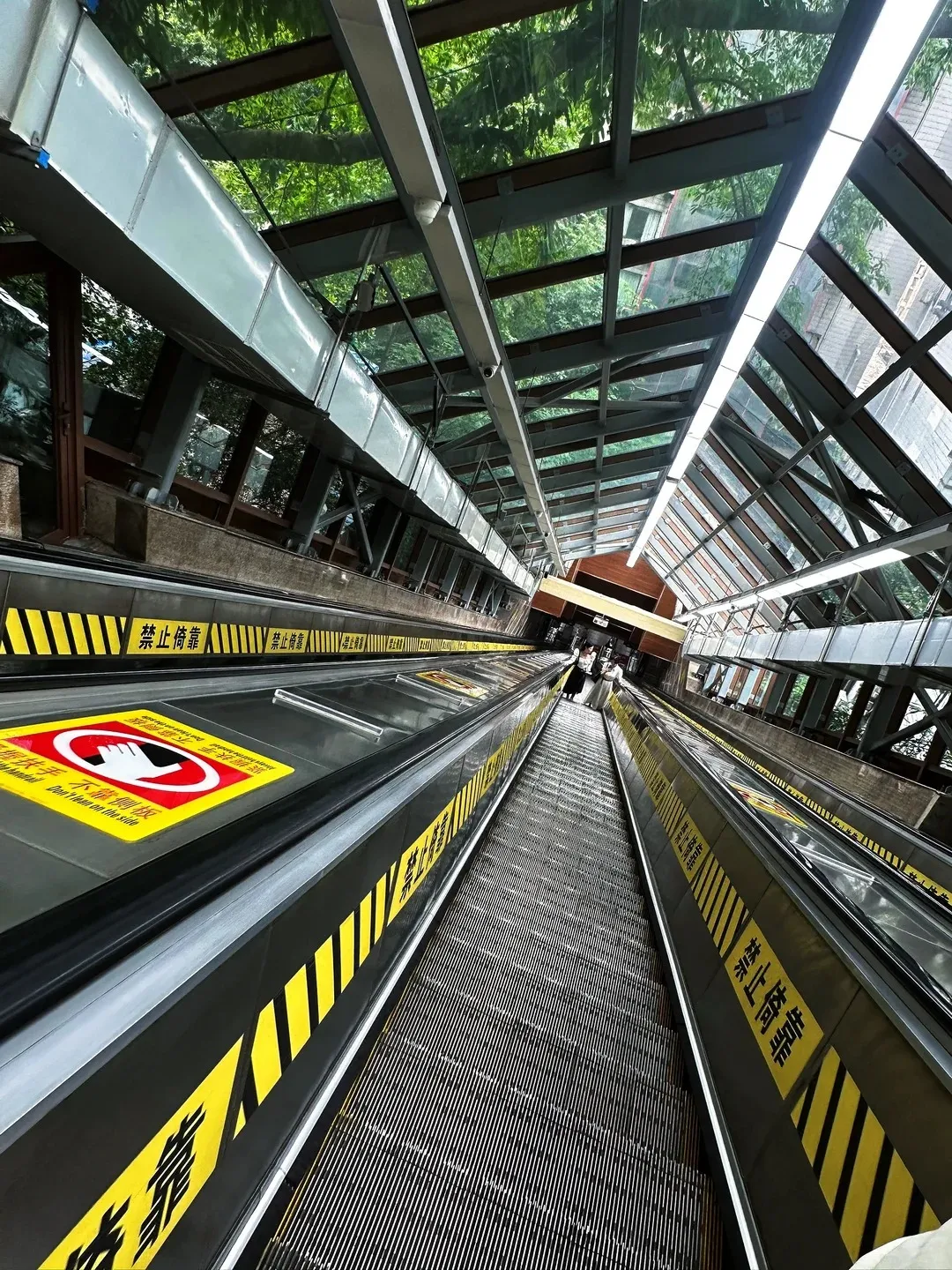
This incredibly long public escalator is a quintessential example of Chongqing’s ‘vertical city’ transportation. Essential for daily commutes across the city’s dramatic terrain, it’s a key part of the ‘survival guide’ for navigating this unique metropolis.
This is the true workhorse of the Yuzhong Peninsula. Built in 1986, it connects the lower Baixiang Street near the Yangtze River to the upper Kaixuan Road, dropping you just a short walk from the bustling Jiefangbei pedestrian zone.
Stepping out of an elevator on the “11th floor” only to find yourself on another ground-level street perfectly encapsulates Chongqing’s mind-bending geography. It costs just 1 RMB and saves you from climbing over 200 steep stone stairs.
How to Pay and Navigate Like a Local
Do not expect to drop a coin in a slot. In 2026, China is virtually a cashless society. Whether you want to ride a public elevator, buy a 3 RMB bottle of water at a street stall, or eat spicy noodles, you need mobile payments.
Download Alipay before you arrive and bind your Visa or Mastercard. At the elevator turnstiles, you simply open your app, generate a transit QR code, and scan it on the glass reader.
To ensure your payment apps actually load when you’re deep inside a concrete elevator shaft, you need a reliable internet connection that bypasses the Great Firewall.
💡 Editor’s Pick: We recommend Nomad eSIM for China because it reliably bypasses the Great Firewall with stable speeds.
What to Know Before You Go: Visas and Trains
Navigating the city is much easier once you understand the logistics of getting in and out. Many travelers use Chongqing as a jumping-off point for Yangtze River cruises or high-speed rail trips to Chengdu.
The 144-Hour Transit Visa
According to the official National Immigration Administration policy, Chongqing Jiangbei International Airport (CKG) is an approved port for the 144-hour Transit Without Visa program. You can explore the city for up to six days without a standard tourist visa, provided you have a confirmed onward ticket to a third country.
Booking Train Tickets
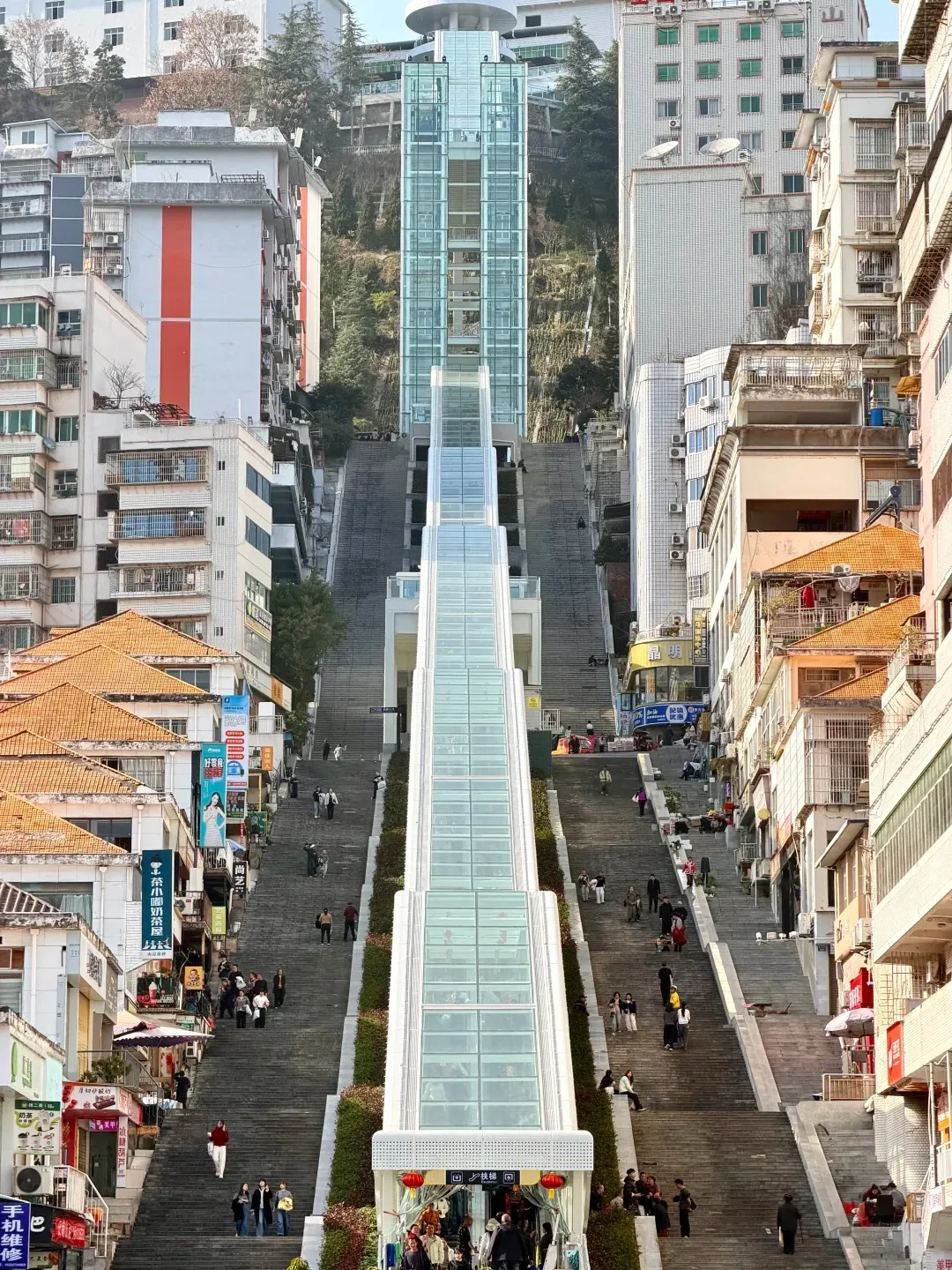
While not ‘hidden,’ monumental outdoor escalators and elevators like this one are a critical part of Chongqing’s unique infrastructure, helping residents navigate the city’s famously steep hills and illustrating why it’s known as a ‘vertical city’.
If you’re heading to Chengdu or the Wulong Karst after exploring the city, book your train tickets directly through 12306.cn, the official state railway booking platform. Avoid third-party agencies that charge unnecessary markup fees.
Crucial Logistics: According to the official 12306 rail policy, foreign travelers no longer need paper tickets. Your physical passport acts as your digital ticket; simply swipe your passport at the electronic turnstiles to board your train.