


What is the 144-Hour Visa-Free Transit Policy?
According to the official China National Immigration Administration policy, the 144-hour transit visa exemption allows citizens of 54 eligible countries to enter Guangzhou visa-free for up to six days. You must hold a valid passport and a confirmed onward ticket to a third country or region departing from an eligible Guangdong province port.
Essential Logistics: Tech, Apps, and Payments
Before you even step foot near a market, your digital setup must be flawless. Google Maps is notoriously inaccurate and blocked in China, so download Apple Maps or Baidu Maps for navigating the winding market alleys.
More importantly, you need a stable internet connection to translate negotiations and scan payment QR codes. Do not rely on spotty market Wi-Fi. You will need a reliable travel eSIM to bypass the Great Firewall.
💡 Editor’s Pick: We recommend Nomad eSIM for China because it reliably bypasses the Great Firewall with stable speeds.
When it comes to paying, vendors will look at you blankly if you hand them a 100 RMB note. Alipay and WeChat Pay now seamlessly accept foreign Visa and Mastercard credit cards. Set this up and verify your identity weeks before your flight.
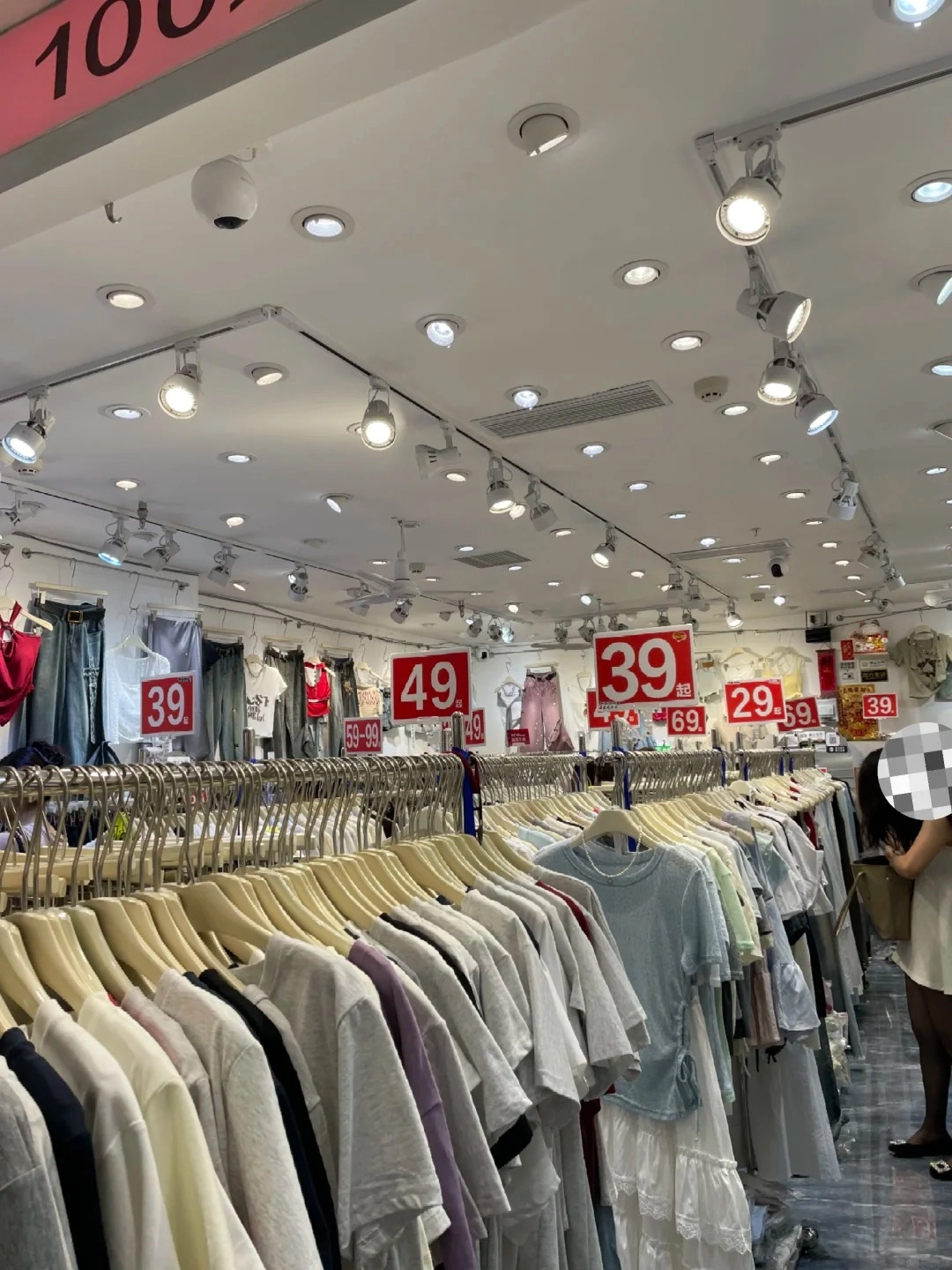
Navigating the vibrant wholesale markets of Guangzhou is an essential part of sourcing trendy apparel. These markets, like the Baima Clothing Wholesale Market, offer incredible variety and competitive prices, making them a must-visit for savvy shoppers and business owners alike.
Top Clothing Markets: Baima vs. Shahe
Guangzhou’s clothing wholesale business is concentrated around the Guangzhou Railway Station. If you only have time for two markets, these are the heavyweights.
Baima Clothing Market (High-End & Fashion)
Located at 16 Zhannan Road, Baima is the undisputed king of high-quality domestic fashion. The air-conditioned environment feels more like a traditional mall, but the pace is frantic. You will see models literally changing outfits in the aisles to showcase fits to live-streamers.
What to Know Before You Go: Baima is relatively tourist-friendly, and vendors are willing to sell single pieces. However, a high-quality winter coat that wholesales for 200 RMB might cost you 350 RMB retail. It is still a steal compared to Western boutiques.
Shahe Wholesale Market (Budget & Volume)
Take Metro Line 6 to Shaheding Station to experience the gritty, high-volume core of Guangzhou’s garment industry. Shahe is massive, hot, and smells faintly of cheap textile dye and street-side steamed buns. This is where you find 15 RMB t-shirts and 30 RMB jeans.
Insider Tip: Do not bother visiting Shahe after 1:00 PM. The market operates on an early-bird schedule. Vendors open at 5:00 AM and begin packing up their stalls by early afternoon. Arrive by 8:00 AM for the best experience.
Sourcing Electronics and Toys
While clothing is Guangzhou’s primary export, the city also boasts massive hubs for electronics, accessories, and novelties.
Haiyin Square (Electronics & Audio)
Located at 21 Dashatou Road, Haiyin Square is the go-to for consumer electronics, components, and high-end audio gear. You can find incredible deals on Bluetooth speakers, cables, and camera accessories.
Honest Assessment: If you are sourcing serious tech or computing components, skip Guangzhou. Book a high-speed train ticket via the official 12306 railway platform and make the 45-minute trip to Huaqiangbei in Shenzhen. Shenzhen’s markets are infinitely superior for electronics.
Onelink Plaza (Toys & Souvenirs)
Situated on Yide Road, Onelink Plaza is an eight-story wonderland of toys, home decor, and gifts. It is visually overwhelming. You will find everything from intricate 10 RMB keychains to 500 RMB remote-controlled drones.
Retail buyers are highly welcome here. It is the perfect place to buy unique souvenirs for everyone back home without breaking the bank.
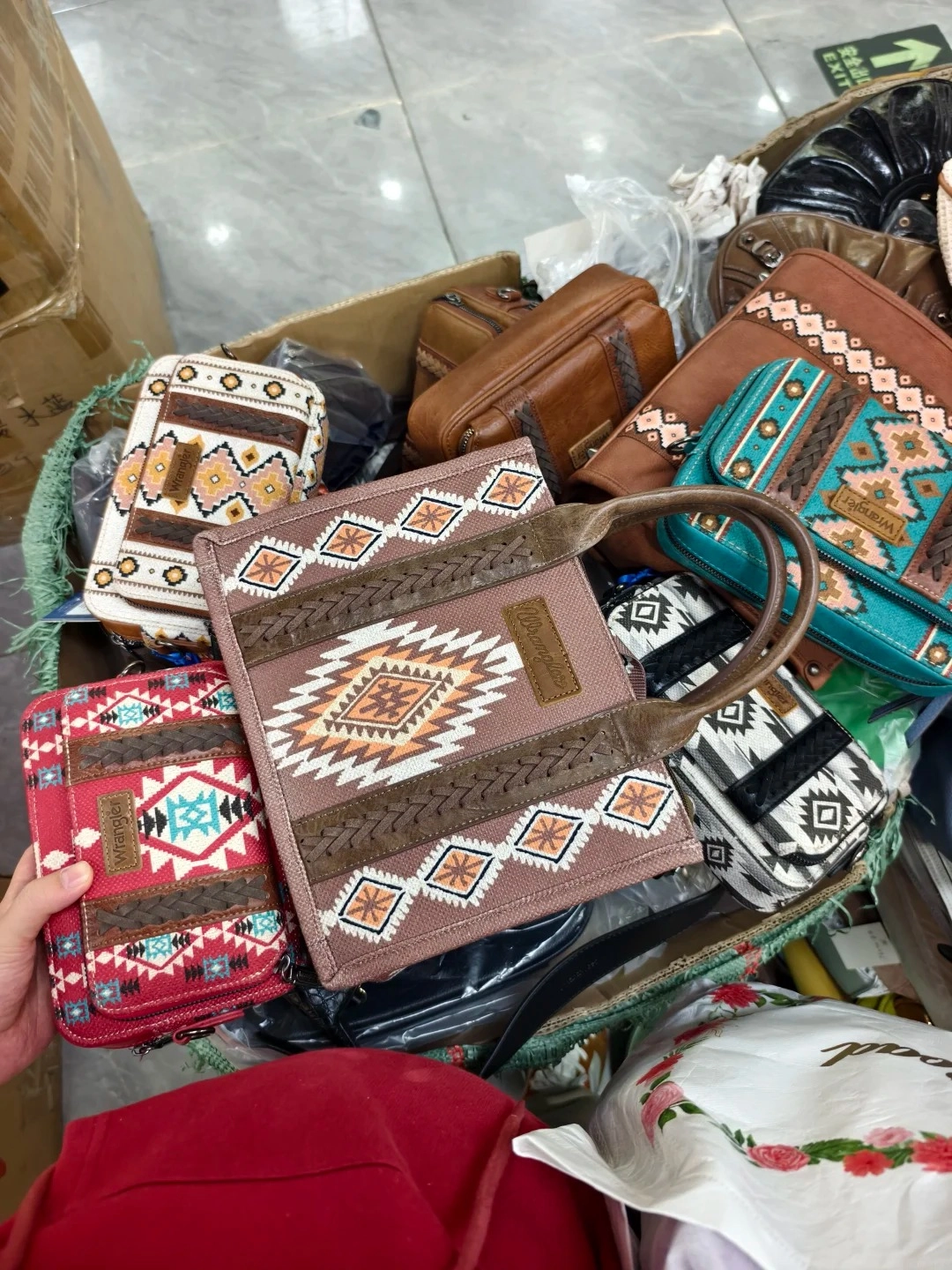
Navigating the bustling wholesale markets of Guangzhou, like Onelink Plaza, offers a treasure trove of fashion accessories. These stylish bags, with their vibrant patterns and quality craftsmanship, are just a glimpse of the wholesale fashion opportunities available for savvy shoppers.
How to Navigate and Negotiate Like a Pro
Shopping in a wholesale environment is a completely different sport than retail shopping. You need to look and act the part to get the best prices.
Mastering the “Take Goods” Mentality
Vendors categorize buyers into two groups: tourists and those who “Naha” (拿货 – take goods). If you walk in with a DSLR camera and a casual backpack, you get the tourist price. If you walk in pulling a heavy-duty rolling cart or carrying an oversized black plastic bag, vendors assume you are a serious buyer.
Bargaining Tactics for 2026
Aggressive, theatrical bargaining is largely a thing of the past. Today, margins are tight and prices are often digitally cataloged. Instead of haggling over a single item, negotiate based on volume.
Ask, “What is the price for 10 pieces?” If you only want one, you can try saying, “I want to take a sample today before placing a bulk order next week.” This often secures you a price closer to the wholesale rate.
Shipping Your Haul Home
If you overdo it (and you probably will), do not panic about luggage weight. For shipping goods back to your hotel, look for the SF Express (顺丰速运) kiosks located outside every major market. They are incredibly reliable and cheap.
For international shipping, head to the basement or ground floor of the larger markets. You will find logistics agents for DHL, FedEx, and dedicated sea-freight consolidators who can pack and ship your purchases directly to your home country, handling all the customs paperwork for you.