


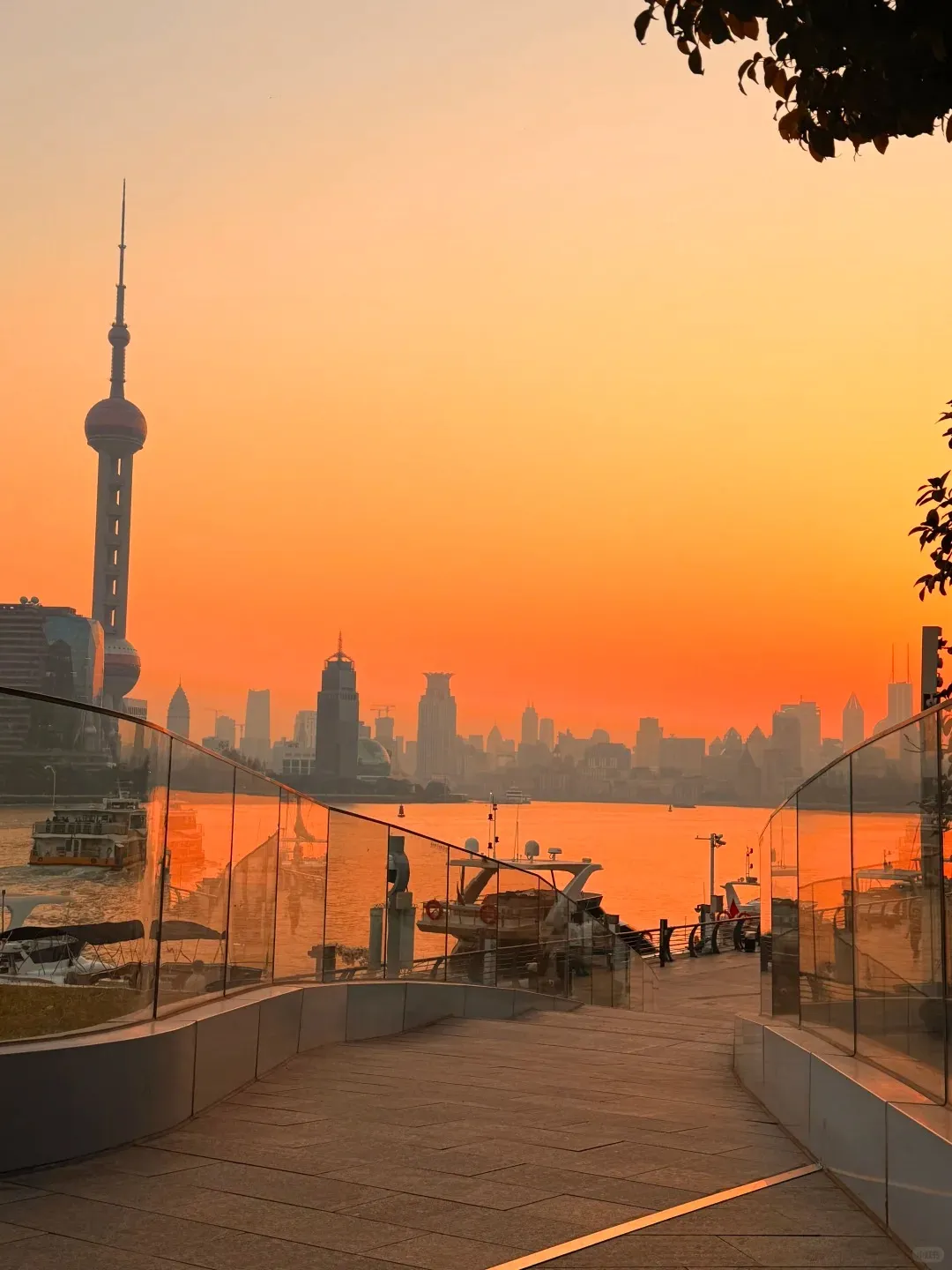
Witnessing a stunning sunset over the Huangpu River from The Bund is an unforgettable experience, even when you’re maximizing a short 24-48 hour layover in China’s exhilarating metropolis.
What is the 144-Hour Transit Without Visa (TWOV)?
The 144-hour Transit Without Visa (TWOV) is an official Chinese immigration policy allowing passport holders from 54 qualifying countries to enter Shanghai visa-free for up to six days. You must possess a confirmed, onward flight ticket to a third country or region outside of Mainland China.
According to the official 2026 National Immigration Administration guidelines, your layover must be a genuine transit. For example, flying London → Shanghai → Tokyo qualifies, but London → Shanghai → London does not. When you land at PVG, follow the specific blue signs for “24/144-Hour Transit” rather than the standard immigration line.
Essential Logistics: Connectivity and Payments
China operates on a completely different digital ecosystem. Western apps like Google Maps, WhatsApp, and Instagram are blocked by the Great Firewall. To navigate during your layover, you need a reliable virtual private network or, much more conveniently, a travel eSIM that routes your data outside the firewall.
We highly recommend setting up your eSIM before you board your flight to Shanghai so you have instant internet access the moment you land.
💡 Editor’s Pick: We recommend Nomad eSIM for China because it reliably bypasses the Great Firewall with stable speeds. Use code JORICAQLKF at checkout to get $5 USD off your first data plan.
Once connected, your smartphone is your lifeline. Alipay is the undisputed king of Chinese travel for foreigners. Not only does it handle payments (even a 3 RMB bottle of water from a convenience store is paid via QR code), but it also has a built-in English version of DiDi (China’s Uber) and generates the QR codes needed to ride the Shanghai Metro.
How to Get to the City Center (And Store Your Bags)
Don’t drag your heavy suitcases across the cobblestones of the Bund. Both Terminal 1 and Terminal 2 at PVG have official left-luggage counters in the Arrivals hall. Expect to pay around 50 RMB (roughly $7 USD) per day for a large suitcase.
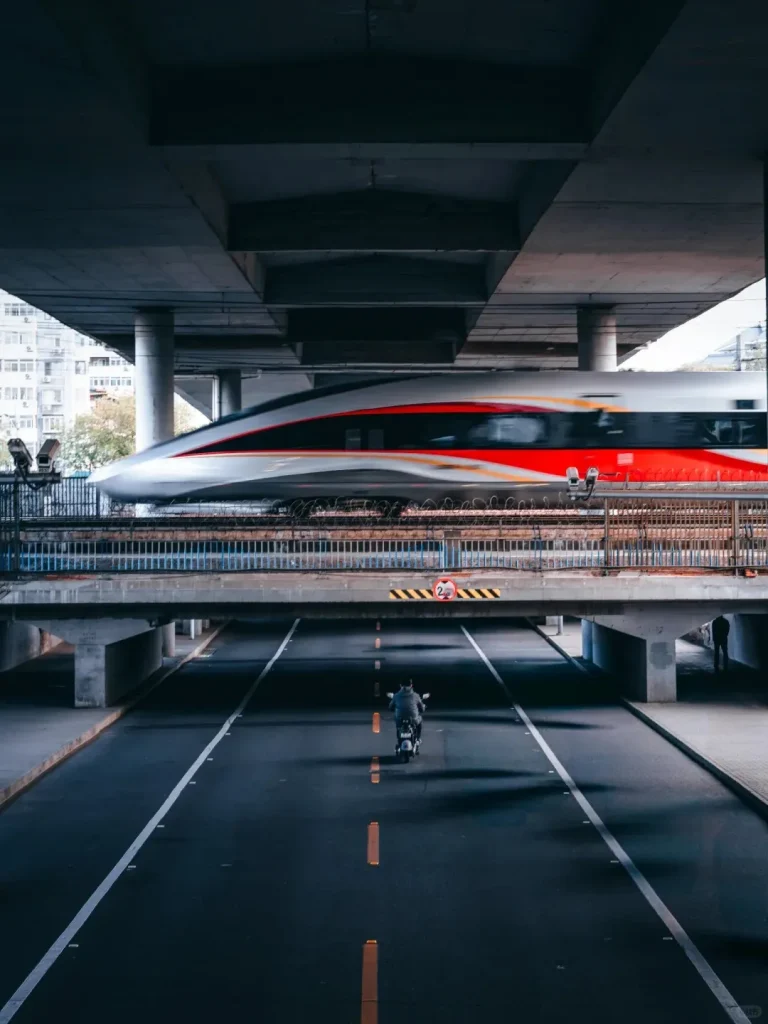
To reach downtown, skip the taxi line. The Shanghai Maglev Train is an experience in itself. Reaching speeds of 430 km/h, it blasts from the airport to Longyang Road Station in exactly 7 minutes and 20 seconds. A single trip costs 50 RMB, or 40 RMB if you show your same-day flight boarding pass.
From Longyang Road, transfer to Metro Line 2 (Green Line). This line is the artery of Shanghai, taking you directly to major stops like Lujiazui (the financial district), East Nanjing Road, and People’s Square. The subway is massive, but English signage is universally excellent.
24-Hour Shanghai Itinerary: The “Must-Do” Route
1. Morning: Yu Garden and City God Temple
Start your day in the old city. Yu Garden offers classical Ming Dynasty pavilions and koi-filled ponds. However, the real draw is the surrounding bazaar. The crowds here can be intensely shoulder-to-shoulder, thick with the steamy, fragrant wafts of black vinegar and pork from street-side food stalls.
Insider Tip: You will see massive lines for the famous Nanxiang Xiaolongbao (soup dumplings). Skip the ground-floor takeaway window where tourists queue for an hour. Walk upstairs to their sit-down dining room; you’ll pay a slight premium, but you’ll be seated immediately in air conditioning.
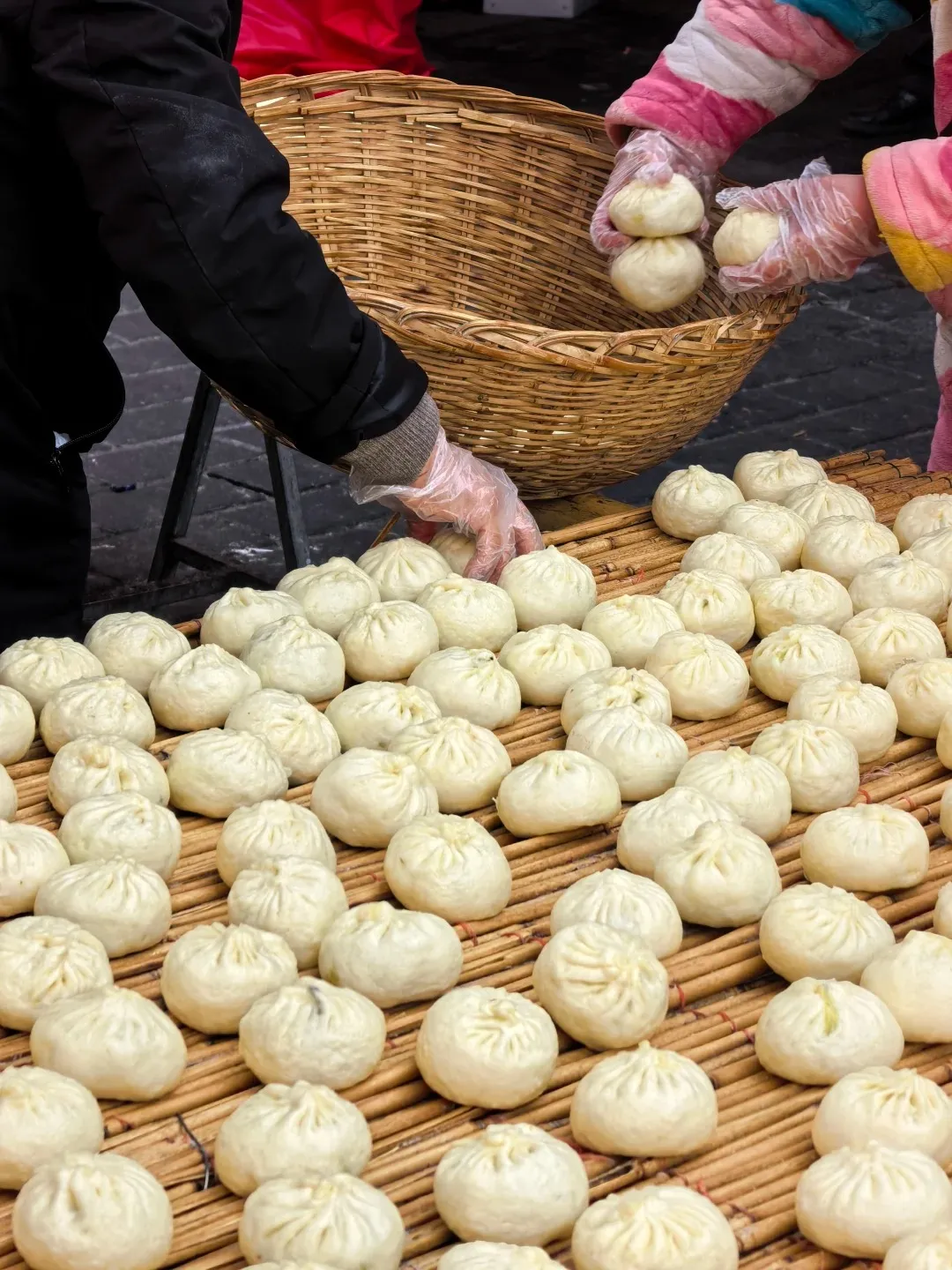
During your Shanghai layover, dive into the city’s rich culinary scene by exploring bustling food stalls. Witnessing the art of preparing fresh steamed buns and dumplings firsthand is an authentic and delicious way to connect with local culture.
2. Afternoon: Lujiazui and The Skyline
Take the metro across the Huangpu River to Lujiazui, the futuristic financial district. You’ll immediately feel dwarfed by the towering skyscrapers and the silent hum of thousands of electric scooters whizzing past on the wide avenues.
Is it Worth It? Many layover guides suggest going up the iconic Oriental Pearl TV Tower. Skip it. The queues are notoriously long, the glass is often smudged, and the ticket is overpriced. Instead, head to the Shanghai Tower. It is the second-tallest building in the world, boasts a faster elevator, and offers a superior, less-crowded observation deck.
3. Evening: East Nanjing Road to The Bund
As dusk falls, walk down East Nanjing Road, a pedestrian-only shopping street ablaze with towering neon signs. Follow the flow of people eastward until the buildings open up to reveal The Bund.
Seeing the colonial-era bank buildings on your side of the river contrasting with the neon-drenched, hyper-modern Pudong skyline on the other is a quintessential China travel moment. The lights automatically shut off at exactly 10:00 PM, so plan your photos accordingly!
48-Hour Add-Ons: Digging Deeper into the City
If you have a two-day layover, escape the tourist heavy-hitters and explore the Former French Concession (FFC). Get off at the South Shaanxi Road metro station and wander through streets lined with imported London Plane trees.
This neighborhood is the heart of Shanghai’s booming specialty coffee culture. Grab a flat white at a boutique cafe on Wukang Road and watch the city’s ultra-fashionable youth pose for street photography. It offers a much quieter, more intimate sensory experience compared to the blaring horns and flashing lights of the Bund.
For dinner, use the DiDi mini-app inside Alipay to catch a ride to Xintiandi. This affluent district features restored Shikumen (traditional Shanghainese stone-gate houses) that have been converted into high-end restaurants and cocktail bars.
What to Know Before You Go (Honest Realities)
Shanghai is incredibly safe, but its sheer scale can cause sensory overload. Weekend crowds at major attractions like the Bund require patience; you will be bumped into, and personal space is a different concept here. Embrace the chaos.
Additionally, while high-speed trains and subways run with clockwork precision, road traffic is unpredictable. If you are taking a DiDi back to Pudong Airport for your onward flight, budget at least 90 minutes for the drive during rush hour, or stick to the Maglev train for guaranteed timing.
Make Your Stopover Count
A layover in Shanghai doesn’t have to mean killing time in a terminal coffee shop. With the 144-hour visa-free policy, seamless digital payments via Alipay, and the lightning-fast Maglev train, stepping into one of the world’s most dynamic cities is easier than ever.